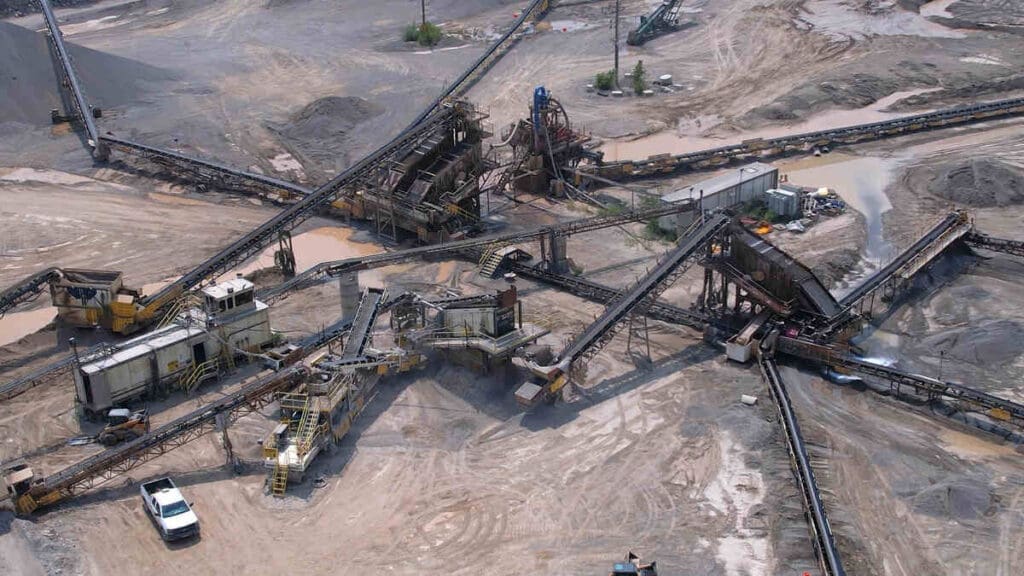

A new report from the Pembina Institute states the urgent need for Ontario to prioritize clean energy initiatives, positioning the province as a leader in low-carbon economic growth while addressing affordability and energy security concerns.
The report, Assembling the Future: Powering a Healthier, More Affordable Ontario, highlights the province’s successes in clean electricity and provides key recommendations to accelerate the transition toward a sustainable energy future.
Key Findings and Concerns
The report argues that Ontario has the elements to become a clean energy powerhouse, but must take proactive steps to strengthen its electricity grid, expand renewable energy projects and reduce reliance on fossil fuels.
Despite past successes, Ontario’s energy trajectory has hit several roadblocks.
According to the report, Ontario’s electricity grid went from being 94 percent emissions-free in 2020 to just 87 percent in 2024, largely due to an increasing reliance on gas generation as nuclear facilities undergo refurbishments.
While Ontario’s phaseout of coal significantly reduced emissions, the province is at risk of backtracking unless stronger policies are implemented to encourage the growth of renewable energy projects.

Get the Green Building Project Checklist
Use this handy checklist on your next project to keep track of all the ways you can make your home more energy-efficient and sustainable.
Interprovincial Electricity Collaboration
One of the report’s main recommendations is for Ontario to lead in expanding interprovincial electricity transmission. Strengthening connections with neighbouring provinces could open new markets for Ontario’s clean electricity and reduce reliance on U.S. energy trade, which faces ongoing uncertainty.
Buildings and Energy Efficiency Upgrades

Nearly a quarter of Ontario’s emissions come from heating and powering homes, offices and commercial buildings. Pembina’s report highlights the need for stronger energy efficiency policies to reduce this impact.
Pembina recommends expanding home retrofit programs to make energy-efficient upgrades more affordable, revising the Ontario Building Code to require EV-ready parking spaces in new residential developments and phasing out gas infrastructure in new home construction to align with climate goals.
The report criticizes the Ontario government’s recent move to block an Ontario Energy Board decision that would have shifted the cost of new natural gas connections from ratepayers to developers. Pembina argues that such policies incentivize continued fossil fuel reliance rather than supporting a clean energy transition.
Economic and Job Growth Potential
Pembina’s modeling suggests that fully embracing a clean energy transition could result in 686,000 new jobs in Ontario by 2050
The report emphasizes that Ontario has a unique opportunity to capitalize on the global shift toward clean energy. By modernizing its electricity grid and supporting local clean technology industries, the province can attract further investments and secure long-term economic benefits.
Final Recommendations and Next Steps
The Pembina Institute urges the next Ontario government to take a proactive stance on clean energy policy. Recommendations include opening more areas for solar and wind energy projects, including prime agricultural lands, ensuring provincial regulators prioritize electrification efforts and implementing policies that make EVs and clean energy solutions more accessible for consumers.
“More than that, if Ontario can marry this sort of clean industrial strategy with policies that encourage the uptake of solutions in the everyday lives of Ontarians – like clean energy enhancements in homes and the use of electric vehicles – it will not only create a stronger economy, it will make life in the province more affordable and healthier for generations to come,” Severson-Baker concluded.
With global energy markets shifting toward renewables, Ontario stands at a crossroads. Whether the province seizes this moment to lead in clean energy innovation or continues down the path of fossil fuel dependence will have lasting consequences for both the economy and the environment.
Images from Depositphotos