Overcoming Challenges in Multi-Unit Building Retrofits
Lessons Learned from the Ken Soble Tower Retrofit

Published: July 24, 2025
If you own or help manage a multi-unit building in Canada, you’ve likely faced the challenge of outdated infrastructure, rising utility bills and stricter energy codes. Retrofitting might sound simple, but it’s a complex process with many moving parts.
You must align different stakeholders, work within a tight budget, minimize disruption and meet safety and efficiency standards. Fortunately, successful retrofits happen across Canada and offer valuable lessons. By learning from these projects, you can avoid common setbacks, unlock long-term savings and future-proof your property for decades.
Why Multi-Unit Retrofits Matter in Canada
Many multi-unit residential buildings (MURBs) built before 1980 weren’t designed with modern energy standards in mind, so they often underperform in comfort and efficiency. A well-planned retrofit can make a difference if your building falls into this category. Energy upgrades improve daily living conditions and help Canada reach its climate targets.
The Canadian Net-Zero Emissions Accountability Act outlines the federal government’s commitment to achieving net-zero emissions by 2050 – improving existing buildings is a significant part of that strategy. Investing in energy-efficient systems and smarter controls lowers residents’ utility bills, reduces your building’s carbon footprint and increases long-term property value.
Top Retrofit Challenges Faced by MURB Projects

Get the Green Building Project Checklist
Use this handy checklist on your next project to keep track of all the ways you can make your home more energy-efficient and sustainable.
Retrofitting a multi-unit residential building isn’t always easy. From juggling technical hurdles to keeping tenants happy, several challenges can stall or complicate the process if you’re unprepared.
Coordination Across Multiple Stakeholders
One of the biggest roadblocks to planning a retrofit is getting everyone to agree. Strata councils, unit owners, tenants, engineers and contractors bring different priorities to the table, which can quickly lead to stalled decisions and endless back-and-forth. For example, owners worry about costs, tenants fear disruption and contractors need clarity on the project scope.
Whatever the case, if you don’t get buy-in early, your timeline will suffer. That’s why it’s important to communicate clearly from the start, set expectations and involve the right people in the right conversations. With a well-organized plan and transparent updates, you can cut through the noise and keep your retrofit project on track.
Financing and Budget Constraints
Cost can be a hurdle in retrofits, especially when you’re staring down a big price tag without immediate returns. It’s easy to feel stuck weighing high upfront expenses against future savings. However, some upgrades, like replacing windows, can cut heating and cooling bills by up to 15 percent and reduce the workload of your HVAC system so it lasts longer and works more efficiently.
Still, accessing financial support isn’t always straightforward. Incentive programs exist, but the application process can be confusing, or the funding options may be limited depending on your location and building type.
Navigating Regulatory and Permit Requirements
Regulatory hurdles can easily catch you off guard during a retrofit, especially when every province has its building codes and your local municipality adds another layer of approvals. Permitting delays are common and can push your timeline back by weeks or even months as you deal with red tape and juggle critical requirements like accessibility, private utility locating and fire safety compliance.
In addition, many experts now point to municipal processes and added development charges as major factors behind rising housing costs in Canada. If you’re unfamiliar with the system, missing something that could stall your progress or inflate your budget is easy. It’s wise to work with a retrofit team that understands your local rules and can help you stay one step ahead of any code-related surprises.
The Ken Soble Tower Retrofit in Hamilton
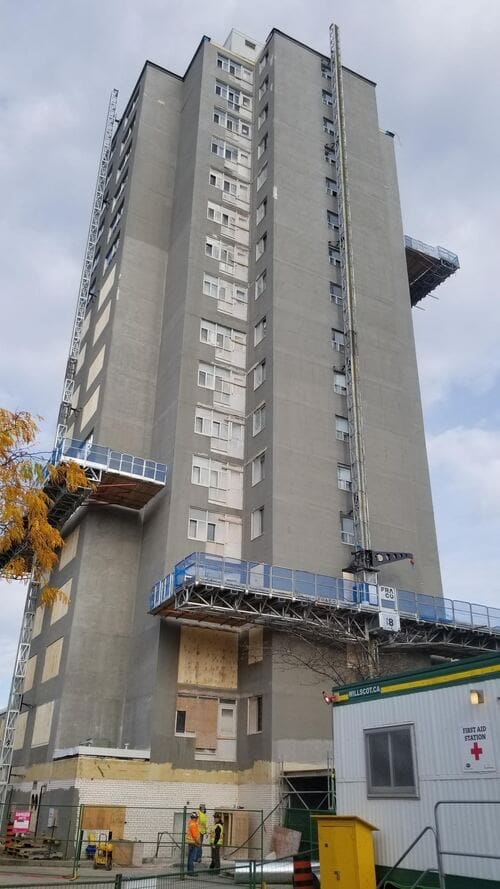
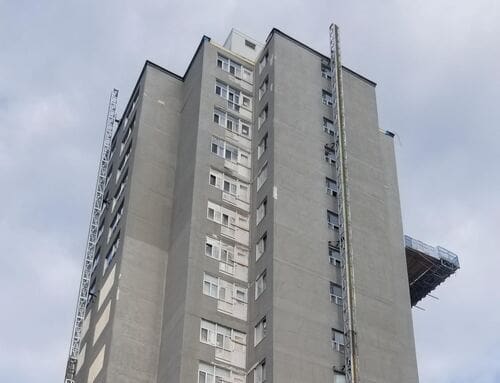
If you want a real-world example of what’s possible with a well-planned retrofit, you can look at the Ken Soble Tower in Hamilton, Ontario. This 1960s high-rise went from outdated and inefficient to one of North America’s most energy-efficient residential buildings. Construction wrapped up in 2020 after upgrading 146 units and common areas to Passive House standards.
The Ken Soble Tower is CityHousing Hamilton’s oldest high-rise multi-residential building. Funding came from a mix of federal, provincial and municipal programs. As a multi-unit retrofit, it faced unique challenges, such as mould, asbestos, deteriorated balconies and subpar ventilation systems.
The team upgraded cladding and windows and replaced the entire HVAC system, resulting in a 94 percent reduction in greenhouse gas emissions. Unlike projects that blew past budget, this retrofit controlled cost overruns by investing in a six-inch-thick stone wool exterior insulation system that reduced labour costs.
This level of transformation starts with setting a clear performance target and breaking the project into manageable phases. If you take that same approach, you can stay focused and organized, getting the most out of every upgrade you invest in.
Multi-unit retrofits aren’t easy, but they’re doable with the right approach. Canadian success stories prove that clear goals, strong collaboration and community buy-in can lead to impressive results. If you’re considering a retrofit, there’s no better time to apply these lessons and move your building forward.
Quick Guide to High-Impact Retrofit Upgrades
| Upgrade Type | Main Benefits | Best For |
|---|---|---|
| Wall and roof insulation | Reduces heat loss, lowers energy use and improves soundproofing | Older buildings with poor thermal envelopes |
| High-efficiency HVAC systems | Improves air quality, lowers operating costs and increases system lifespan | Buildings with outdated or overworked HVAC units |
| LED lighting upgrades | Cuts electricity costs, lowers heat output and causes minimal disruption during installation | Common areas, parking garages and hallways |
| Smart thermostats and controls | Enables zoning, reduces energy waste and provides easy return on investment tracking | Large buildings with varying occupancy patterns |
Images from Depositphotos