Recycling Solar Panels
How Scrap PV Recycling Works and Where to Find Recyclers in Canada

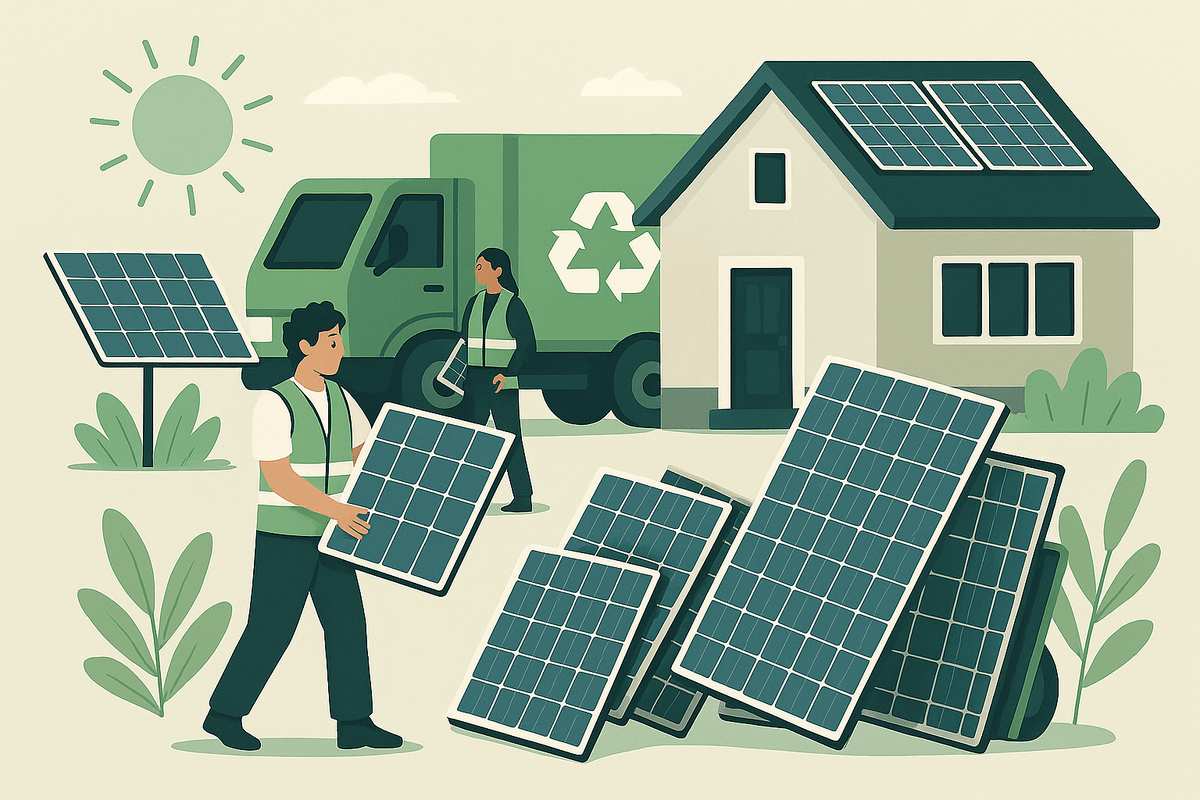
It is a sad reality, but your solar panels won’t last forever…
Like all things man-made, your solar panels also have a shelf-life, Though they are usually warrantied to provide good performance for 25 years, they can last longer than that. Beyond this, you would have to decommission them and safely manage the waste. The good news is that 90 percent of the mass of solar panels can be reused and recycled.
Why It’s Worth Recycling Solar Panels
Canada is rapidly transitioning towards a low-carbon energy system and solar is an important piece in the puzzle. As more and more of these shiny energy generators are peppered across the country’s landmass, there is an urgent need to plan for the end of their useful life.
Solar panels are manufactured using valuable, high-quality materials like glass, aluminum frames, silicon, copper wiring and rare earth elements like silver or tellurium. Putting together a panel requires mining these elements and lots of energy to manufacture the final product. Recycling older panels, so that some of these elements and materials are reused, reduces the demand for virgin mining and cuts down on energy-intensive manufacturing processes. This in-turn reduces the embodied carbon of solar PV, further augmenting its lifecycle emissions savings that solar power already champions. Recycling promotes a circular economy model and enables greater sustainability in the technology and manufacturing ecosystem.
Furthermore, dumping old PV panels into landfill without proper management could result in toxic leaks like lead and cadmium. These toxins can leach into the soil and water and cause serious threats to the environment. Specialized scrap PV recyclers will ensure that rare or hazardous materials are either recovered, reused or safely handled.

Get the Green Building Project Checklist
Use this handy checklist on your next project to keep track of all the ways you can make your home more energy-efficient and sustainable.
What Do Scrap PV Recyclers Do?
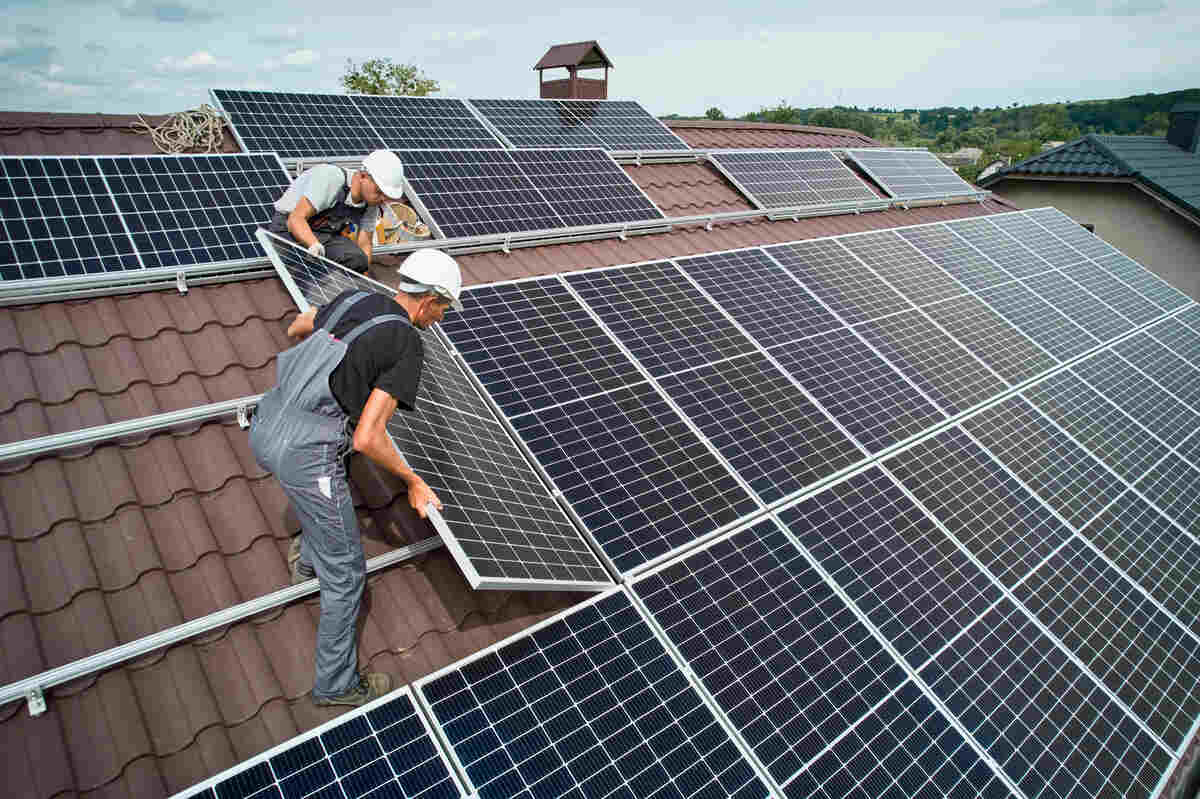
Simply put, PV recyclers process end-of-life solar modules. They separate the components, recover valuable materials like glass, aluminum, silicon, copper and other elements, process them and repurpose usable materials in new panels. Unused materials are managed and processed safely. Recyclers will ensure safe handling and adherence to environmental and occupational protocols while processing hazardous materials. Certified recyclers are vetted by the government to carry out these processes with quality.
Certifications for Scrap PV Recycling
In Canada, solar PV currently falls under the ambit of electronic waste and its associated regulations and standards. As of 2025, no province in Canada mandates certifications specifically for solar PV recycling. Management of electronic waste is regulated under provincial laws and policies, primarily under the Extended Producer Responsibility (EPR) framework. The EPR framework holds producers responsible to produce sustainable, low-waste products and properly manage waste generated at the end of the product’s lifecycle, such as collection, recycling and disposal. EPR mandates fall under provincial regulations and the scope varies.
Below are some certifications and standards that are commonly obtained by solar PV recyclers in Canada:
R2 (Responsible Recycling) – Recyclers can voluntarily pursue Sustainable Electronics Recycling International (SERI)’s R2 certification, a global standard for reuse and recycling of electronic waste. The R2 standard covers environmental, health and safety protocols, downstream due diligence and traceability of waste streams and data security. In 2024, the R2 standard has been extended to PV module recycling.
RIOS (Recycling Industry Operating Standard) – An international standard by the Institute of Scrap Recycling Industries (ISRI) tailored to the recycling industry. It demonstrates strong operational, safety, and environmental controls in recycling processes. This is a voluntary standard and not required by law.
EPRA (Electronics Products Recycling Association) – EPRA runs regulated electronics recycling programs under existing EPR laws, across provinces in Canada. Recyclers certified by EPRA system must pass the Recycler Qualification Program (RQP) based on the Electronics Recycling Standard (ERS). EPRA focuses mainly on consumer electronic waste and does not explicitly include PV waste. However, British Columbia announced plans to pilot EPR extension for other electronics including solar PV. Recyclers of solar PV, however, can voluntarily apply EPRA standards for their operations.
International Standards Organization (ISO) standards – A voluntary global standard that provides standards and quality benchmarks across supply chains and operations. PV recyclers can obtain ISO 14001 to show that they have robust environmental policies and practices. ISO 9001 ensures quality, consistency and traceability in dismantling and recycling processes and ISO 45001 demonstrates worker safety including while handling hazardous materials.
Certified vs Non-Certified Facilities
As mentioned earlier, EPR regulations in Canada do not explicitly govern PV waste and instead considers it as broader electronic waste. Regulations cater to safe and proper management of waste, safe disposal, traceability of waste trails and workplace safety. Certified facilities operate under proper EPR frameworks based on provincial standards or voluntary international standards. In most provinces, EPRA operates regulated recycling programs, ensuring that end-of-life electronics are handled in a safe, secure and environmentally-sound manner. Certified/regulated recyclers are regularly audited, adhere to safety protocols and must report back to regulatory bodies.
Non-certified facilities, on the other hand, are typically unregistered or informal recyclers. As solar PV recycling is not explicitly regulated, the lines on oversight are blurred. Therefore, there is no guarantee that solar PV in Canada will not enter landfills. Non-certified recyclers may lack proper waste handling processes, especially for hazardous materials, and may not offer accountability. It is critical that you check if a recycler is certified under provincial or international standards.
Electronic Waste Recycling Regulatory Bodies in Canada
| Province | Regulatory body |
| British Columbia | Electronic Products Recycling Association (EPRA) |
| Alberta | Alberta Recycling Management Authority (ARMA) |
| Saskatchewan | Electronic Products Recycling Association (EPRA) |
| Manitoba | Electronic Products Recycling Association (EPRA) |
| Ontario | Resource Productivity and Recovery Authority (RPRA) |
| Quebec | Recyc-Québec |
| Nova Scotia | Electronic Products Recycling Association (EPRA) |
| Newfoundland & Labrador | Electronic Products Recycling Association (EPRA) |
| New Brunswick | Electronic Products Recycling Association (EPRA) |
| Prince Edward Island | Electronic Products Recycling Association (EPRA) |
Costs and Compensation
There is a common misconception that recycling scrap solar panels will yield monetary return. However, PV recycling is a complex process involving material separation, safe disassembly, recycling, transportation and disposal. To cover costs for these processes, most PV recyclers charge a fee. Canada’s solar PV recycling is still at a nascent stage and facilities are limited. Currently, the value of recovered material is often lower than the recycling process so it is difficult for manufactures to achieve break-even.
Some facilities charge per panel, while others charge based on weight or pickup location. Some factors that contribute to recycling costs include:
Size of the panel – Larger panels are heavier and take up more storage and shipping space; they also have more parts to recycle so, therefore, they are more expensive to recycle.
Type of panel – Recycling thin-film panels costs more than monocrystalline panels. Older panels and custom panels also cost more.
Type of recycling process – Thermal recycling is more efficient for material recovery, but costs more than mechanical recycling.
Location of pick-up – Picking up from remote locations increases transportation costs for the recycler.
The good news is that most often, recycling costs are covered under EPR by the manufacturers. In the initial retail price of solar PV, there may be an environmental fee that is built-in, and consumers may not have to pay an additional recycling fee during drop-off of scrap panels. Some manufacturers offer take-back options where they accept responsibility to take back panels at end-of-life.
Certified Scrap Solar PV Recyclers in Canada
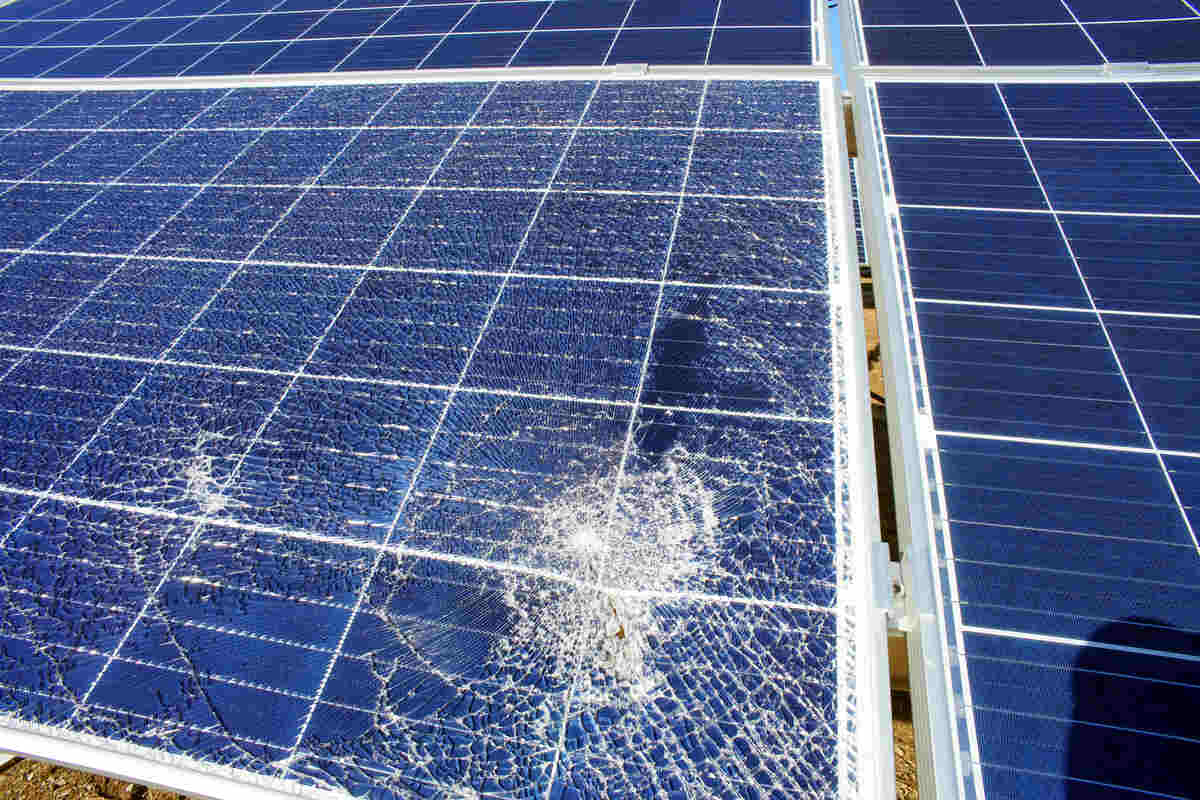
Here are a few options for certified scrap solar PV recyclers. Certifications and compliance of these recyclers need to be checked and verified.
Reclaim Plastics
Burnaby, British Columbia
https://reclaimplastics.com/contact/
Solar X
Across Canada
https://solar-x.ca/
Eco Centres
Calgary, Alberta
https://www.calgary.ca/waste/drop-off/eco-centres.html#hours
Recycling centres can also be found through each province’s recycling association:
Electronic Products Recycling Association (EPRA)
BC, Manitoba, Saskatchewan, Atlantic provinces
Alberta Recycling Management Authority (ARMA)
Alberta
Resource Productivity and Recovery Authority (RPRA)
Ontario
Recyc-Québec
Quebec
https://www.recyc-quebec.gouv.qc.ca
Solar PV recycling in Canada is still at a nascent stage. There are few local recyclers who take on PV recycling, and facilities often have limited recycling capacities. Scrap PV is often exported to other countries like the United States or Europe in large quantities for recycling.
There are no local standards and certifications. Provincial laws govern recycling and waste management processes in general, however, provinces are working towards strengthening PV recycling infrastructure and expanding EPR regulations to include solar PV. This will ultimately, catalyze a robust PV supply chain, promote circularity and push Canada towards a net-zero economy.
Images from Depositphotos