With record-breaking heat waves and extreme weather events gripping news headlines, it’s no surprise that the general public (and their elected governments) are starting to pay more attention to climate change. Combine that with a housing shortage and governments have been pouring billions in incentives and tax breaks to aid green building, which has caused the industry to grow in recent years.
With that growth has come a parallel rise in green building careers, making it a growing field with a steady availability of jobs. So whether you’re just looking to start a career or want to switch to a green building job, take a look at these green building careers to pick one that’s right for you.
Ready to search for a job? You can find green jobs in Canada on our Green Building Job Board.
1. Sustainable and Green Architecture
Considering sustainable architecture as a career path can be a first step towards delving into green buildings, especially if you’re more interested in designing buildings than in the physical work of building them.
In this role, you can take pride in designing living spaces that lower our impact on the environment. Sustainable architects can also ensure that the construction process is carried out with minimal harm to surrounding ecosystems.
While all architects need to be licensed in Canada, you will need special certification or accreditation (like LEED accreditation) to practice green architecture. Many schools offer Bachelors and Masters degrees that can get you started, so research their offerings to make sure they’ll allow you to specialize in this field.
2. Green Building Project Manager / Construction Manager
Get the Green Building Project Checklist
Use this handy checklist on your next project to keep track of all the ways you can make your home more energy-efficient and sustainable.
As a green building construction manager, your main responsibilities on site will be taking care of the construction process: directing personnel, handling the delivery of sustainable materials and tools. They are typically tradespeople with a lot of experience in general construction, carpentry, electrical, etc.
A project manager handles the whole process from the initial planning and site selection to design to building and move. The duty of designing a budget also falls on a project manager.
Green building managers might have a Bachelors degree in architecture or in civil or structural engineering.
The managers must possess in-depth knowledge about sustainable materials and construction practices to control the planning and implementation phases. Some green building managers are also involved in the research and development of cutting-edge, eco-friendly building practices. Professionals looking to move into leadership roles in this field might consider an online MBA in Canada to gain expertise in project management and sustainable business practices.
3. Wind Energy Engineer
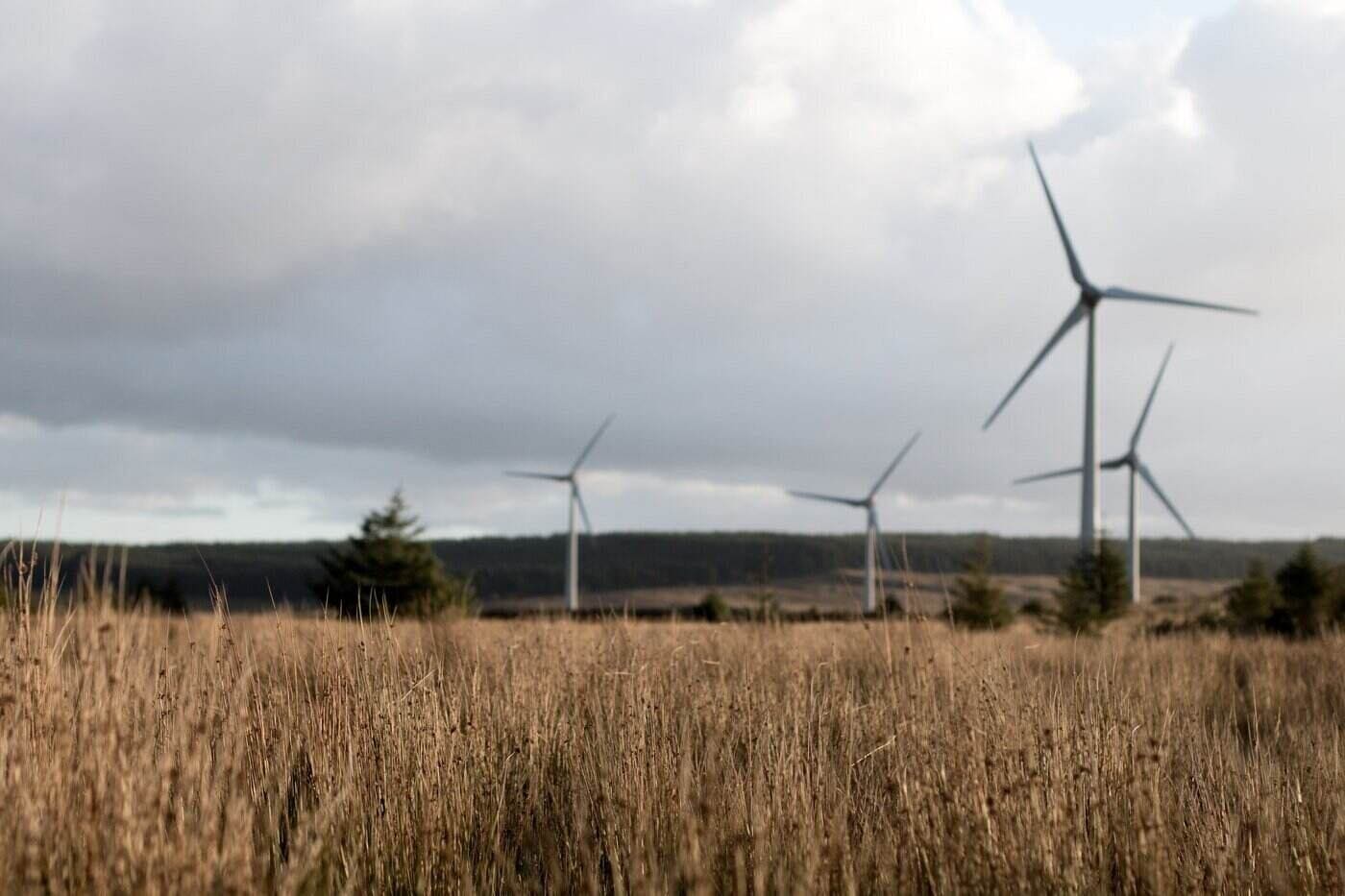
While conventional engineers are responsible for developing building projects and resolving issues, renewable energy engineers are mainly involved in the implementation of renewable energy infrastructures and relevant technological systems.
Wind energy engineers can be responsible for developing wind farms and turbines. Another branch within this discipline focuses solely on wind turbine development.
You need certification to become a wind turbine technician and get adequate training within your discipline before you can be ready to work full-time.
Some wind energy engineers pair up with ecologists or aviation technicians for specific development purposes. Manufacturing and energy engineers can easily transform their career path into wind energy engineering by acquiring a certificate and undergoing some additional training.
4. Solar Engineer
This kind of engineer might work in the design and construction of solar panels or components, small-scale solar projects or large-scale solar farms, meaning this is a versatile career option with a number of possible specializations. And given the massive growth in solar power in recent years, there’s a growing number of options available for employment.
Solar energy engineers can evaluate the types of available solar panels, battery storage options and related equipment and determine whether or not they are suitable for a project.
One of their main responsibilities involves research around solar energy systems and their adaptability. They might also work on developing new technologies for renewable energy infrastructures.
Solar energy engineers require a Bachelors in mechanical or electrical engineering, though solar energy technicians can get away with a shorter education ending in a certificate.
5. Construction Carpentry
Carpenters play a vital role in construction. From repairing buildings to constructing bridges, they are an essential part of every crew.
Some carpenters focus solely on interior projects or finishing, while others work on framing and other structural work. Some take on complete projects like individual homes, while others only engage with certain aspects of the building process.
As with any other kind of carpentry, there are options to pick the kind of projects that interest you most. Carpenters should be well-versed in different sustainable materials and construction techniques. Construction carpenters must undergo rigorous training to build strong and sturdy structures while minimizing waste production.
Builders promoting energy-efficient projects often recruit carpenters with experience in sustainable building. Due to the increase in demand, the pay scale for carpenters has also increased in recent years. For those just getting started in their careers, many trade schools operate programs that allow students to specialize in sustainable building, including carpentry.
Those already working in the trades can also opt to bulk up their credentials with individual courses or certificates through organizations like LEED. Headhunters specializing in sustainable construction can assist carpenters in finding jobs that align with their skills and eco-friendly ideals.
6. Geophysical Engineering
Before the construction phase begins, a geophysical engineer studies the subsurface conditions of the site and determines its fitness to hold the building. Geophysical engineers are also responsible for locating resources that can be used during the construction process.
Some are given the task of ensuring safety and enhancing the productivity of the workers on site. Note that in this job, you might need to travel across regions and be present on the build site for a long period. If you are ready to explore new places and have an interest in geology, this can be the right career path for you.
7. Landscape Architect
Landscape architecture is an important element of any green building project. Not only can landscape architects be critical in selecting build sites, mitigating site disruption and managing runoff, but they have a big impact on the finished look of a project and how seamlessly it blends into the surrounding environment.
Landscape architects could be responsible for plant selection, outdoor water efficiency, even green infrastructure like green roofs or living walls. As such, they might need a Bachelors or a Masters in landscape architecture.
8. Residential Energy Auditor
A residential energy auditor is an important part of the green revolution. This career involves evaluating homes based on a variety of factors to identify how efficient or inefficient they are in terms of energy usage.
By using a variety of advanced tools, residential energy auditors perform thorough assessments to examine and determine how efficient a home is.
A residential energy auditor will then provide a variety of suggestions to help make the home more energy efficient. This could include using a more efficient HVAC system, energy-efficient windows, upgrading insulation, among many other suggestions.
9. HVAC Contractor
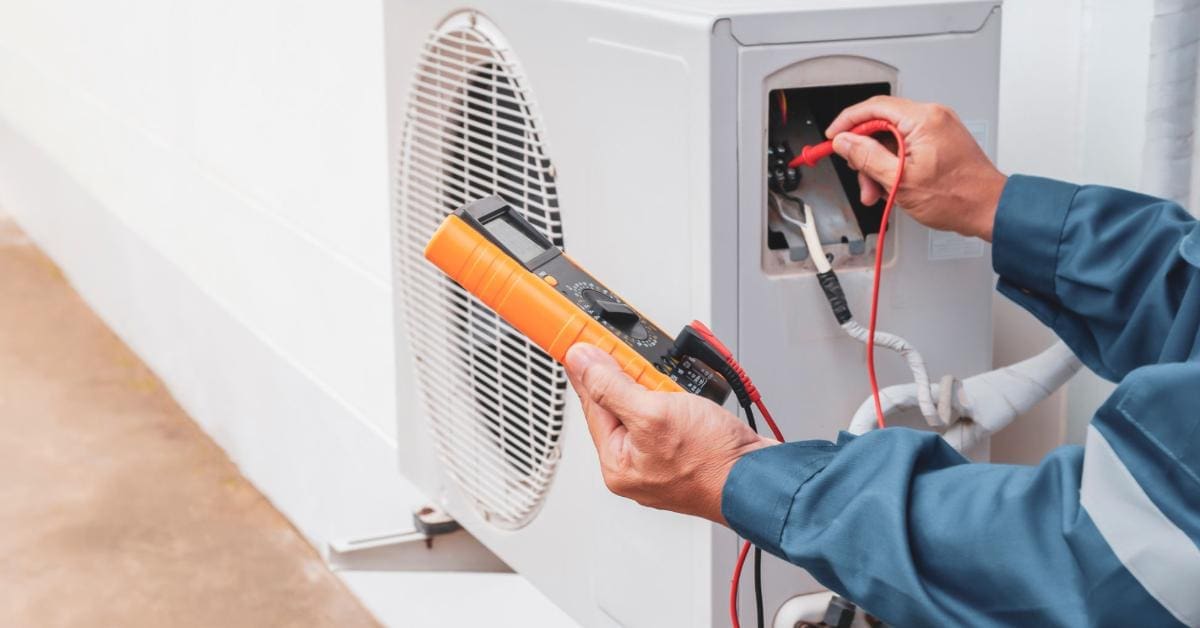
An HVAC contractor, which stands for heating, ventilation and air conditioning, is another important player when it comes to creating sustainable and ecofriendly homes. These are people who install, design and maintain a variety of HVAC systems.
Modern HVAC contractors are generally prone to using more energy-efficient systems, such as advanced ventilation, heat pumps and programmable thermostats.
HVAC contractors are slowly adjusting to the world around them and using more green technologies to both minimize the environmental impact of homes while also increasing energy efficiency. HVAC contractors are also qualified to educate their clients on sustainable home practices.
10. Healthy Home Evaluator
Another possible career path is becoming a healthy home evaluator. This career involves assessing homes for safety issues and indoor environmental health (IEQ), particularly as they may affect the occupants.
A healthy home evaluator focuses on a variety of factors including ventilation, the presence of harmful substances, air quality, moisture and mould. Healthy home evaluators find and address these issues, providing occupants of the homes with safer environments to live in.
11. Building Performance Contractor
The next green career path that you could choose is a building performance contractor. A building performance contractor specializes in optimizing the energy efficiency of buildings, as well as their overall performance.
A building performance contractor will use a variety of tools and methods to assess a building based on its lighting, water usage, insulation, HVAC and more.
The main goal is to improve the comfort and safety for occupants while reducing operating costs, with the overall goal being to enhance energy efficiency.
Building performance contractors use a variety of practices such as upgrading to energy-efficient systems, using renewable energy sources and improving building envelopes.
12. Green Real Estate Agent
A green real estate agent specializes in selling properties that have energy efficient and sustainable features. These real estate agents have specific knowledge about energy ratings, sustainable building certifications, green building practices and green home prices.
A green real estate agent is specially trained to guide clients on selling and buying homes that have sustainable features, whether they be water saving fixtures, sustainable building materials, efficient HVAC systems, solar panels or anything in between.
Feature image: ThisIsEngineering; Image 1: Sam Forson