

The Minister of Energy and Natural Resources, Hon. Jonathan Wilkinson, just released the Canada Green Buildings Strategy (CGBS). Focusing on both economics and the environment, the CGBS sets out to help Canadians save on energy bills through green upgrades while creating green jobs and improving affordability of housing. The ultimate aim for the environment is to reduce greenhouse gas emissions, thereby helping the country achieve its goal of reaching net-zero by 2050.
Main Elements of the Canada Green Buildings Strategy
The Canada Green Buildings Strategy features multiple policies meant to help Canada achieve its net-zero emissions goals by 2050. Below are some of the most important components.
Energy Efficiency Act Modernization
The strategy sets out to modernize the Energy Efficiency Act, which establishes energy efficiency standards for equipment and products. The act must now be updated to account for new energy saving opportunities and technologies.
Air Conditioner and Heating Updates
Another aspect of Canada’s Green Building Strategy is to replace air conditioners with heat pumps. The initiative aims to install heat pumps in new homes instead of one-way central air conditioners since heat pumps are designed to be extremely energy efficient and can both heat and cool homes. Canada will also begin to follow the same Energy Star specifications as the United States for central air conditioners that are not heat pumps.
As covered at length further below, another part of this strategy is to build new homes with heat pumps instead of highly polluting oil furnaces, where residents will receive funding for new heat pumps through the Oil to Heat Pump Affordability Program.

Get the Green Building Project Checklist
Use this handy checklist on your next project to keep track of all the ways you can make your home more energy-efficient and sustainable.
Buying Clean Carbon
A crucial aspect of CGBS is to buy clean and embodied carbon. The Government of Canada is promoting low-carbon construction materials through federal investment and procurement.
Large-Scale Retrofits
The strategy also states that existing homes need to be retrofitted with eco-friendly materials and energy efficient technologies at roughly 3 percent per year, with over $400 billion in investment required over the next 30 years.
Labelling of Buildings
Building on the existing EnerGuide rating system, the strategy also aims to develop a national set of common labelling standards, tools and guidelines to allow for easier analysis of a home’s energy performance.
Developing a Sustainable Workforce
A crucial component of the strategy is to invest in a workforce that is focused on sustainability. The talk of workforce development alludes to the Sustainable Jobs Act, an act designed to support the development of green jobs.
This act is meant to create a highly-skilled workforce that is knowledgeable in sustainable building practices and green technologies, with the goal being to create a net-zero economy. Related, the government of Ontario recently dedicated $3.6 million to training nearly 4,000 skilled labourers.
Programs to Support the Canada Green Buildings Strategy
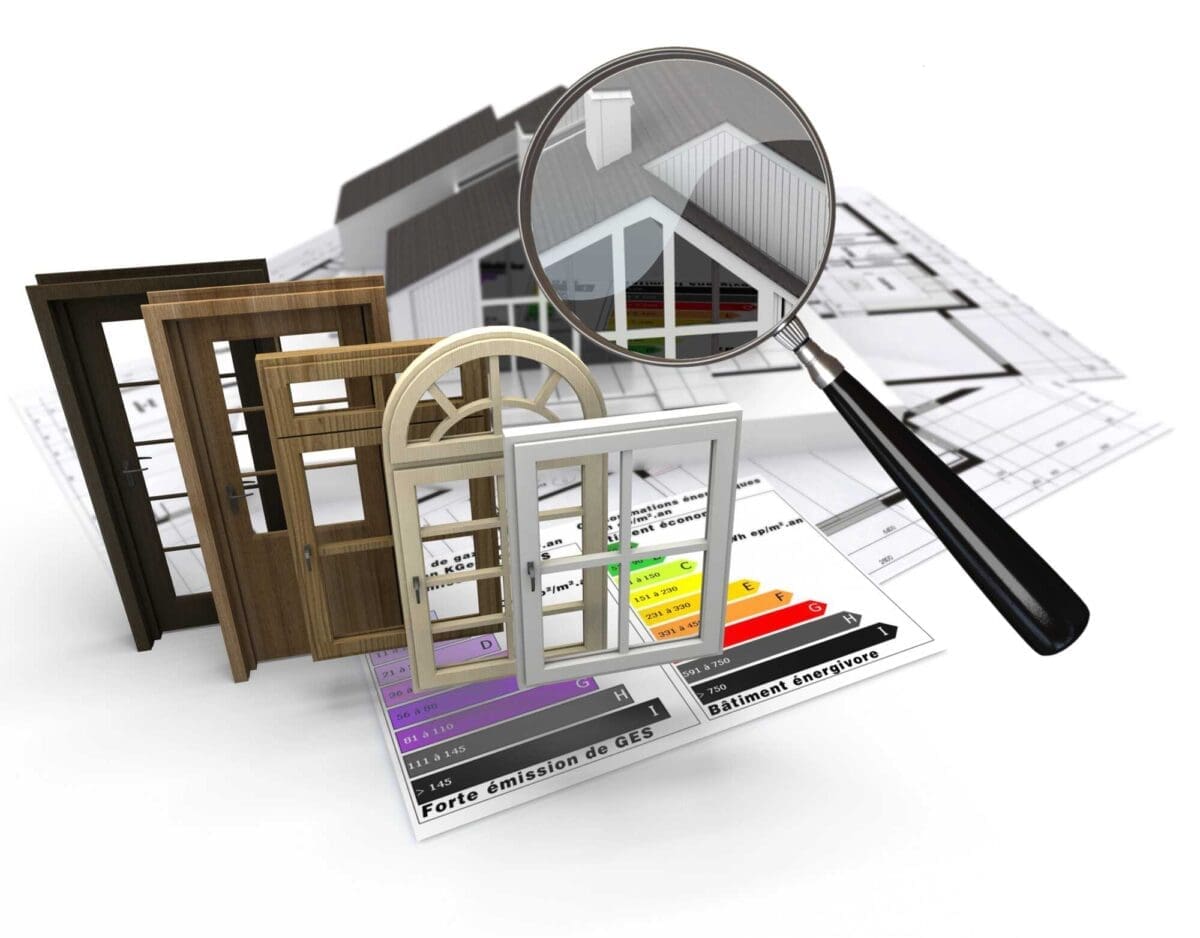
Canada Greener Homes Affordability Program (CGHAP)
To replace the popular Canada Greener Homes Grants program that ran out of funding, the CGHAP is set to provide up to four times more in funding than the $5,000 that the Canada Greener Homes Grants had provided.
This $800-million retrofit program is aimed helping low-to-median-income Canadians, including renters, to lower their energy expenses through green upgrades.
Canada Greener Homes Loan
The GHL is an interest-free loan of up to $40,000 that homeowners can take advantage of, with a repayment term of 10 years.
Since it was launched in 2022, over $1.23B in loan commitments have been made, or approximately 78,000 loans. Interesting to note is that roughly 45 percent of the loans include heat pump installations.
The Green Municipal Fund
The GMF is a combination of capacity building and funding to deliver clear economic, social and environmental impact in Canadian municipalities.
This is a $300 million initiative meant to help municipalities deliver energy financing programs for low-rise residential buildings.
Canada Housing Infrastructure Fund
The Canada Housing Infrastructure Fund is a $6 billion commitment from the federal government to accelerate the upgrading and construction of housing enabling infrastructure, which includes systems such as wastewater, water, solid waste and stormwater infrastructure.
This funding is available to territories and provinces that commit to a variety of key actions that increase housing supply while also creating more climate friendly housing options.
Greener Neighbourhoods Pilot Program
This is a special pilot program that explores new alternatives to decarbonizing large clusters of affordable housing.
This program uses the Energiesprong aggregated deep energy retrofit model already in place in other countries such as the Netherlands, United States, France and the UK.
By getting homes in the same neighbourhood to undertake retrofits at the same time it uses economies of scale to drive down costs and quicken the scale and pace of green retrofits.
Canada Greener Affordable Housing Program
The Canada Greener Affordable Housing Program provides forgivable and low-interest repayable loans to assist affordable housing providers in completing deep energy retrofits on current multi-unit buildings.
Greening Government Fund and the Greening Government Strategy
The Canada Green Buildings Strategy isn’t just limited to commercial and residential projects, but to government buildings as well.
The Greening Government Fund provides government agencies and departments with the means required to reduce greenhouse gas emissions throughout their operations. It’s expected that crown corporations will also fall in line with the Greening Government Strategy.
Deep Retrofit Accelerator Initiative
Deep retrofits can significantly reduce a building’s energy consumption, and the Deep Retrofit Accelerator Initiative provides funding to organizations that assist building owners to do deep retrofits in institutional buildings, high-rise and mid-rise residential units and commercial buildings.
Phasing Out Oil Furnaces in Favour of Heat Pumps
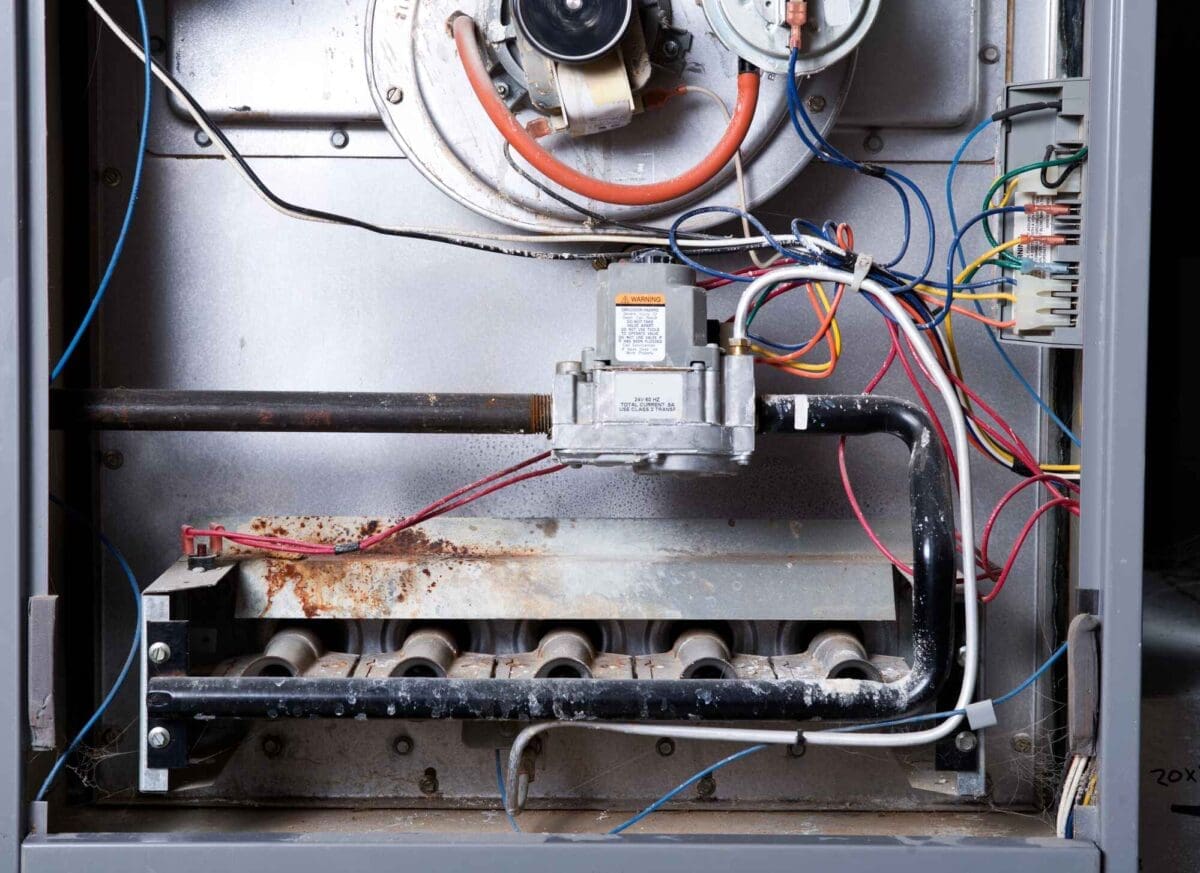
The Green Building Strategy sets out a regulatory framework to phase out polluting and expensive oil heating systems in new building projects by as early as 2028.
This is intended to help Canada achieve its goal of reaching net-zero emissions by 2050. According to the Canada Green Buildings Strategy, if the country hopes to achieve this goal within the alloted time, new homes and buildings must be constructed with this goal in mind.
If homes and buildings are not constructed with eco-friendly materials and sustainable technologies, such as heat pumps instead of oil furnaces, then they will need to be retrofitted before 2050 to reach the net-zero emissions goal.
Although the document currently doesn’t explain exactly how the federal government plans to phase out oil-fired furnaces, the federal government intends to use a variety of investments and regulations to encourage homeowners and business owners alike to switch to heat pumps.
According to Energy Minister Jonathan Wilkinson, “We will be moving to ban the use of heating oil in new construction. And that simply reflects the fact that there are lots of alternatives to heating oil. Heating oil is enormously expensive, and it is the most polluting fuel that we use to heat our homes.”
Heat pumps don’t burn any fossil fuels. Instead, they use electricity, which generally comes from renewable sources like hydro, solar or wind. They are also much more efficient than traditional heating systems, because they transfer warm or cold air instead of generating it. Heat pumps are also well-suited to the temperature extremes in Canada – they are able to warm a house even when temperatures are below -30° Celsius and cool a house when temperatures are over 40°C.
Financial Incentives for Homeowners to Install Heat Pumps
One of the biggest issues at this point is that heat pumps in Canada can cost close to $20,000 whereas an oil furnace costs just over $6,000.
To this end, a new program known as the Oil to Heat Pump Affordability Program (OHPA) will provide homeowners with up to $15,000 for the installation of a heat pump.
Homeowners in Alberta, Manitoba, New Brunswick, Northwest Territories, Ontario, Quebec, Saskatchewan, and Yukon are eligible to receive the grant in the form of an upfront payment of $10,000.
Those residing in British Columbia, Newfoundland and Labrador, Nova Scotia, or Prince Edward Island are eligible to receive an additional $5,000, for a total of $15,000, combined with an additional $250 to help avoid costs associated with switching heating methods. Anyone interested can visit the participating territories/provinces page for information about the specific process to receive the funding.
Eligibility Requirements for OHPA Funding
To receive the OHPA funding to switch from oil furnaces to heat pumps, households must meet certain eligibility requirements, including a maximum household post-tax income.
The maximum amount of income allowed depends on the province/territory and the size of the household. Visit the median income table to find out more about income and eligibility.
Those wishing to receive this funding must also show proof of purchasing 500 litres of heating oil in the past 12 months. Use this tool to check if you are eligible for the Oil to Heat Pump Affordability program.
Images from Depositphotos


We are building a green apartment building 5 story 89 units
Can we qualify for grants and incentives?
Contact us so we can get more details about your project and let you know what you qualify for (greenbuildingcanada.ca/contact)