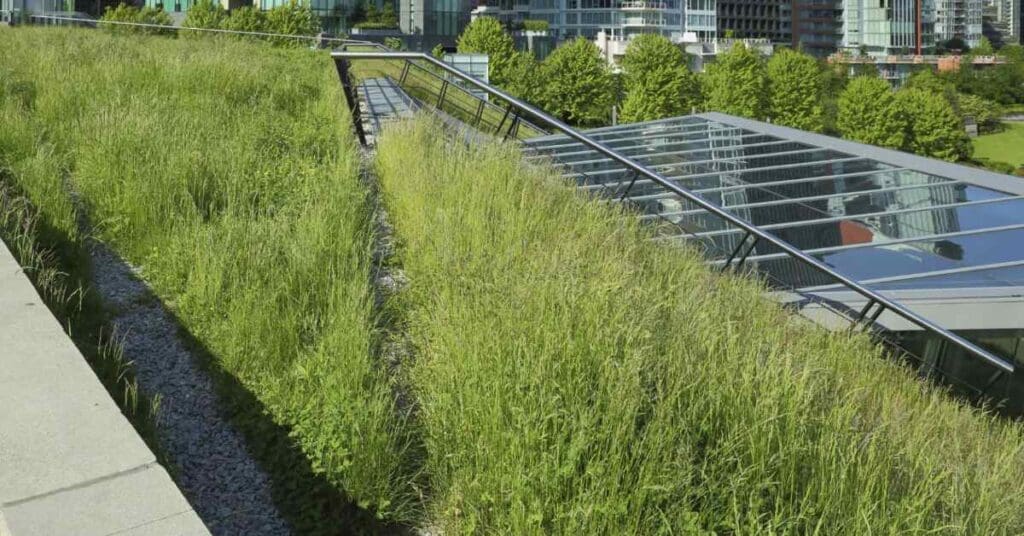
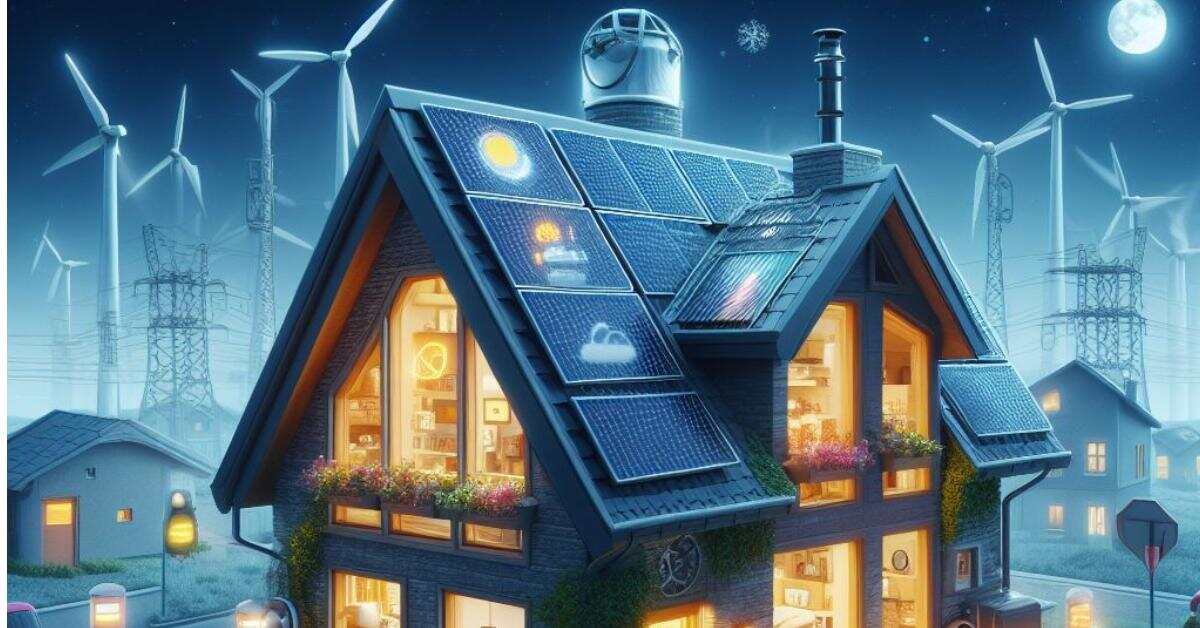
When we consider the sources of carbon pollution, our minds often leap to the usual suspects: industrial plants spewing smoke, coal-powered stations, and the relentless hum of gas-thirsty vehicles. Rarely do we look towards the familiar confines of our own homes in terms of being energy efficient, which we associate with comfort and security, not environmental harm.
Yet, the reality is starkly different. Buildings, encompassing those we frequent for work or shopping as well as the ones we reside in, are responsible for a significant 40 percent of global greenhouse gas emissions. In Canada, the construction and operation of buildings rank as the third-largest source of carbon emissions, a figure that continues to climb.
Canada is at the forefront of sustainable building advancements. Here we’ve come up with a list of just some of the many innovative building and sustainable technologies to come from Canada, both those funded by the government and private companies.
Innovative Technology Projects in Canada

Carbicrete and Their Eco-Friendly Concrete Solutions
CarbiCrete is an innovative company at the forefront of sustainable construction, offering groundbreaking solutions aimed at reducing the environmental impact of building materials. Their work is particularly relevant in the context of global efforts to combat climate change and promote green building practices.
CarbiCrete is revolutionizing the construction industry with its carbon-negative concrete solution. Traditional concrete production is a major source of CO2 emissions, primarily due to the calcination of limestone in the production of cement. CarbiCrete’s technology addresses this issue by eliminating the need for cement in concrete, replacing it with industrial by-products and capturing carbon dioxide in the process.

Get the Green Building Project Checklist
Use this handy checklist on your next project to keep track of all the ways you can make your home more energy-efficient and sustainable.
ZS2 Technologies: Eco-Friendly Drywall Alternatives
ZS2 Technologies is addressing another critical area in construction materials: drywall. Traditional drywall manufacturing is energy-intensive and involves materials that can have a negative environmental impact. ZS2 Technologies is pioneering eco-friendly alternatives that promise to transform the industry.
BrainBox AI Revolutionizing the HVAC Industry
As awareness of climate change and the importance of energy efficiency grows, technologies like those developed by BrainBox AI are set to play a crucial role in shaping the future of building management. Their ability to reduce energy consumption and improve the overall environmental footprint of buildings positions AI-driven HVAC optimization as a key component of sustainable development and green building practices.
Miru Smart & Smart Windows
Miru Smart Technologies is at the forefront of innovative energy solutions, focusing on the development of smart windows that play a crucial role in minimizing energy consumption in buildings. Their technology represents a significant advancement in the field of sustainable building materials, offering a novel approach to managing indoor climate and lighting conditions more efficiently.
Smart windows developed by Miru Smart Technologies incorporate advanced materials and design principles that allow the windows to change their properties in response to environmental conditions. This can include transitioning from transparent to opaque, adjusting the amount of light and heat that passes through the window, and thus directly impacting the building’s internal temperature and lighting conditions.
Carbon Capture and Storage (CCS) Technologies
Carbon Engineering, based in Squamish, British Columbia, is pioneering the development of Direct Air Capture (DAC) technology, which aims to capture CO2 directly from the atmosphere. Their technology facilitates the storage of carbon underground or its conversion into carbon-neutral fuels, offering a promising solution to reduce global greenhouse gas emissions.
Hydrogen Fuel Development
The Alberta Zero-Emissions Truck Electrification Collaboration (AZETEC) project is spearheaded by the Alberta Motor Transport Association, focusing on hydrogen fuel cell technology for heavy-duty transport. This initiative aims to demonstrate the feasibility and efficiency of hydrogen-powered trucks, contributing to the reduction of carbon emissions in the transportation sector.
Advanced Renewable Energy Systems
Morgan Solar, a Toronto-based company, is innovating in the solar power industry by developing high-efficiency, low-cost solar panels that promise to make solar energy more accessible and affordable.
NRStor focuses on energy storage solutions, working on integrating renewable energy sources into the grid more effectively, thereby enhancing the reliability and efficiency of renewable energy.
Smart Grid Technology
Hydro-Québec is implementing smart grid technologies to modernize its electricity network. This includes deploying advanced metering infrastructure and developing demand response programs to manage electricity use more efficiently, reducing waste and improving system reliability.
Ocean and Tidal Energy Projects
The Fundy Ocean Research Center for Energy (FORCE) in Nova Scotia is a leading research facility for tidal energy, situated in the Bay of Fundy, one of the best locations for tidal power generation due to its extremely high tides. FORCE provides a platform for testing and demonstrating tidal energy technologies in real-world conditions.
Sustainable Building Materials and Construction Techniques
Companies like Just BioFiber in Alberta are developing sustainable building materials such as hempcrete blocks, which offer excellent insulation properties and carbon sequestration benefits, making them an eco-friendly alternative to traditional construction materials.
Agri-Tech Innovations
Semios, a Vancouver-based company, offers precision agriculture technologies that help farmers optimize resource use and improve crop health through data analytics, sensor networks, and automated control systems, leading to more sustainable farming practices.
Waste-to-Energy and Recycling Technologies
Enerkem operates a facility in Edmonton, Alberta that converts non-recyclable and non-compostable municipal solid waste into biofuels and renewable chemicals. This technology not only reduces landfill use but also produces valuable products from waste materials.
Electric and Hybrid Vehicle Technologies
Electra Meccanica, a Vancouver-based company, designs and manufactures innovative electric vehicles, including the single-passenger SOLO.
Lion Electric, headquartered in Quebec, specializes in the development of electric buses and commercial trucks, aiming to transition public and freight transport to more sustainable energy sources.
Water Purification and Conservation Technologies
Quest Water Solutions, also based in British Columbia, is focused on developing and commercializing atmospheric water generation technologies that extract water from the air, providing sustainable and accessible water sources for communities in need.
Addressing the carbon footprint of Canada’s buildings requires a multifaceted strategy, emphasizing collaboration across the industry and clear, supportive policies from the government.
The construction and real estate sectors must work together more closely, sharing knowledge and risks to accelerate the adoption of low-carbon technologies. The government’s role is to outline ambitious yet achievable targets for emissions reduction and energy efficiency, providing a framework that encourages innovation without dictating the exact methods.
The urgency of this task cannot be overstated, especially with Canada’s goal of adding 5.8 million new homes by 2030. With decisive leadership and strategic policies, we can dramatically lower the emissions from these new constructions and existing buildings, significantly cutting energy costs for Canadians in the process.
Related Read: GREEN BUILDINGS IN CANADA: A collection of some of the country’s finest