Can You Renovate a Condo?
Find Out What You Can and Can’t Renovate in Canadian Condos (By Province)


In many Canadian cities, condo boards receive more complaints about unauthorized condo renovations than about noise, pets, or parking. Even small projects like changing flooring, installing pot lights or updating a bathroom can violate condo rules if they affect shared systems. In some cases, owners are legally required to undo completed work at their own expense.
That surprises many homeowners, especially first-time condo buyers. Unlike a detached house, a condo is governed by a legal framework designed to protect the entire building and everyone who lives in it. And the rules are pretty similar throughout the country. So whether you’re doing a light refresh in Winnipeg or working with a condo renovation company in Toronto to do a full remodel, knowing what you’re allowed to change (and what requires approval) is critical before any work begins.
Why Condo Renovation Rules Exist
Condo renovations are regulated not to make owners’ lives difficult, but to protect the building as a whole. Walls, floors, ceilings, plumbing stacks, wiring, ventilation and even soundproofing are often shared between units. A change in one unit can affect fire safety, noise transmission, airtightness or structural integrity in another.
Canadian condo legislation reflects this shared responsibility. While you typically own everything inside your unit boundaries, condo corporations or strata councils are responsible for maintaining common elements and ensuring changes do not compromise the building or neighbouring units. That’s why renovations – even those that seem purely cosmetic – are often subject to approval.
What You Can Usually Renovate in a Canadian Condo
Get the Green Building Project Checklist
Use this handy checklist on your next project to keep track of all the ways you can make your home more energy-efficient and sustainable.
While every condo has its own governing documents, there are common patterns across Canada.
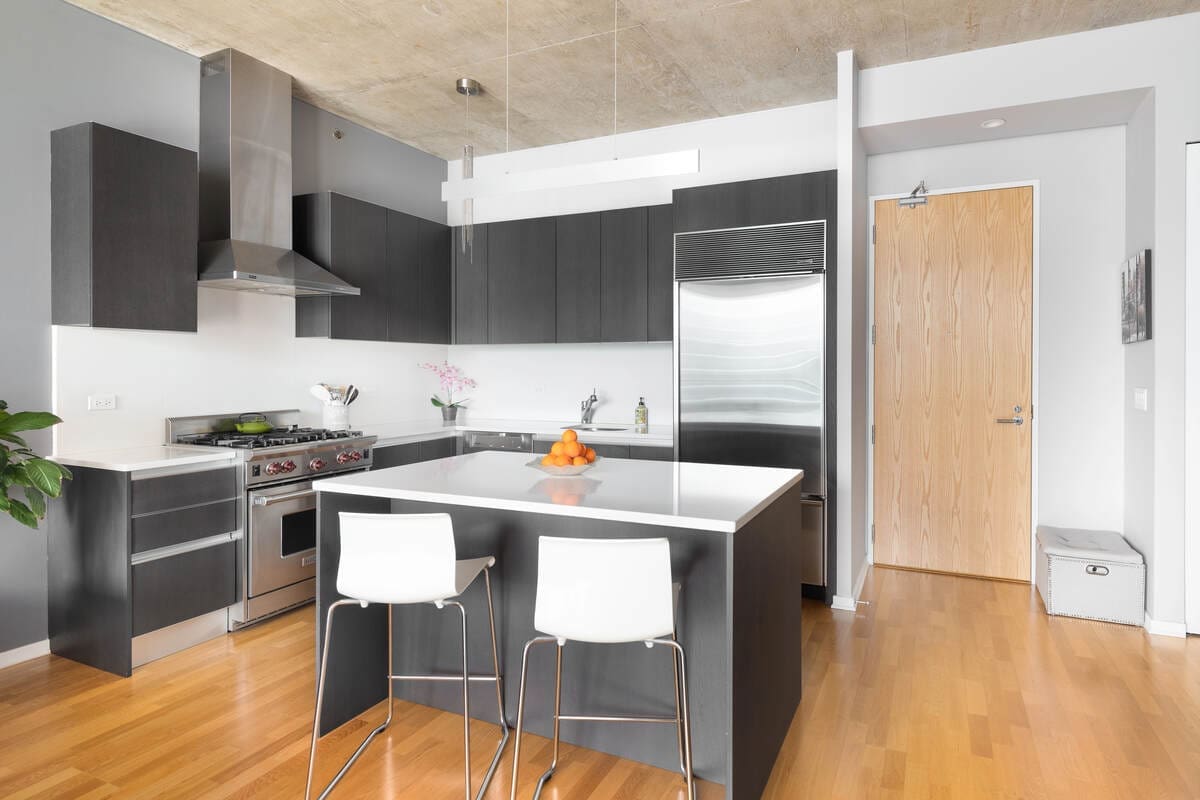
Most condos allow cosmetic upgrades, such as painting walls, replacing cabinet doors, upgrading hardware, or installing new light fixtures, provided these changes don’t affect electrical wiring or fire-rated assemblies. Even then, many boards still require notification so they can track changes within the building.
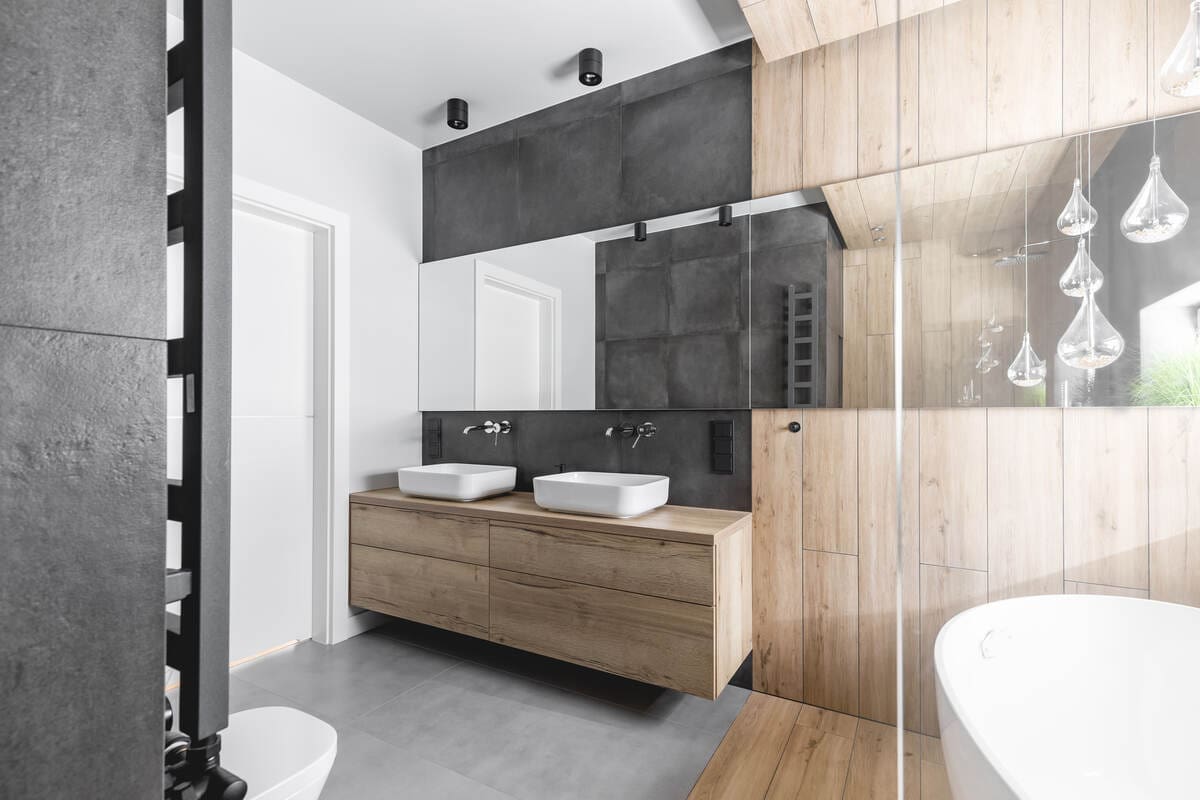
Kitchen and bathroom renovations are generally permitted within unit boundaries, as long as plumbing fixtures remain in their original locations. Swapping cabinets, countertops, sinks or appliances is usually allowed, but moving drains, vents or major electrical circuits often triggers additional approval and permitting requirements.
Flooring replacement is another common renovation, but it comes with caveats. Many condos enforce minimum sound transmission ratings for flooring assemblies to protect neighbours below. Owners may be required to use specific underlayments or submit acoustic documentation before approval is granted.
In some cases, minor interior wall changes may be allowed if the wall is confirmed to be non-load-bearing. However, even non-structural walls can play a role in fire separation or sound control, so boards frequently require engineering confirmation and permits before granting approval.
What You Usually Can’t Renovate Without Special Approval
Certain elements are almost always restricted because they affect shared ownership or building safety.
Exterior elements, such as windows, balcony doors, railings and patio enclosures, are typically classified as common or exclusive-use common elements. Altering them usually requires formal board approval and sometimes a legal agreement assigning future maintenance responsibility to the unit owner.
Structural components are heavily regulated. Load-bearing walls, columns, beams and slabs cannot be altered without professional engineering input and municipal permits. Unauthorized structural changes are among the most serious condo violations and can result in forced remediation.
Mechanical systems, including central HVAC components, ventilation ducts and exhaust systems, are rarely permitted to be altered at the unit level. These systems are designed to work as part of a building-wide network, and changes can disrupt airflow, pressure balance or moisture control.
Plumbing and electrical systems are also tightly controlled. While fixture replacements are common, relocating plumbing stacks or significantly altering electrical layouts often exceeds what condo boards will approve, particularly in high-rise buildings where systems are vertically interconnected.
The Approval Process: How It Actually Works
Before any renovation begins, homeowners must review their condo’s declaration, bylaws and rules. These documents define unit boundaries, list restricted elements and explain the approval process. Many renovation disputes stem from owners skipping this step and assuming rules from another building apply universally.
Once the rules are understood, the homeowner prepares a formal renovation submission for the condo board or strata council. This typically includes a description of the work, drawings or plans, materials, contractor details, proof of insurance and a proposed schedule. Even if a municipal permit is not required, board approval almost always is.
The board then reviews the submission, usually during a scheduled meeting. Boards may approve the renovation, approve it with conditions, request more information or deny it if the proposal conflicts with governing documents or building systems. While boards must act reasonably, they are allowed to impose conditions that protect the building and other residents.
If the renovation involves structural, plumbing or electrical changes, municipal permits may also be required. Board approval and city permits are separate processes, and homeowners are responsible for obtaining both. Starting work with one but not the other can still result in stop-work orders or penalties.
During construction, homeowners and contractors must follow condo rules related to working hours, noise limits, dust control, elevator use and protection of common areas. Violations can lead to fines or suspension of work. Once the renovation is complete, owners should retain all approvals, permits and documentation, as these are often required during resale or insurance claims.
How Condo Renovation Rules Differ Across Canada
While condo living is regulated nationwide, provincial differences matter.
British Columbia – Strata corporations operate under the Strata Property Act. Approval is typically required for any change that affects common property and strata councils often have strict rules around noise, working hours and contractor qualifications.
Alberta – Condo boards have broad authority to regulate renovations under provincial condominium legislation, but it can vary widely between buildings, especially in newer developments.
Saskatchewan – Cosmetic renovations are usually permitted, but structural, plumbing and electrical work require approval. Smaller buildings may have simpler processes, but older condos often enforce stricter controls due to aging infrastructure.
Manitoba – Condo boards typically require approval for renovations affecting common elements, plumbing, or electrical systems. Water damage risk is a major concern, so bathroom and kitchen renovations often face closer scrutiny and may require licensed contractors.
Ontario – The Condominium Act governs renovations, and boards often require formal alteration agreements (commonly referred to as Section 98 agreements) when owners modify common elements. Approval processes tend to be detailed, particularly in large urban buildings.
Quebec – Divided co-ownership rules apply. Renovations affecting common portions require syndicate approval, and documentation is especially important due to civil law requirements.
Atlantic Canada – Across Atlantic provinces, boards generally require approval for renovations affecting shared systems or safety elements. Many buildings are low-rise or wood-frame, making soundproofing, moisture control and fire separation common concerns.
Despite these differences, the underlying principle is consistent nationwide: if a renovation affects shared systems, safety, or other residents, approval is required.
Condo Renovation in Canada (By Province)
| Province / Region | Governing Framework | Approval Commonly Required For | Key Renovation Concerns |
|---|---|---|---|
| Ontario | Condominium Act | Common elements, structure, systems | Documentation, alteration agreements |
| British Columbia | Strata Property Act | Common property, sound/fire separation | Noise control, moisture |
| Alberta | Provincial condo legislation | Plumbing, electrical, structural work | Building-specific rules |
| Quebec | Civil Code of Québec | Common portions (incl. exclusive-use) | Formal approvals, legal clarity |
| Manitoba | Provincial condo legislation | Plumbing, electrical, common elements | Water damage prevention |
| Saskatchewan | Provincial condo legislation | Structural and system changes | Aging infrastructure |
| Atlantic Canada | Provincial condo legislation | Shared systems, safety elements | Moisture, soundproofing |
Insurance and Liability Considerations
Renovations can also affect insurance coverage. Many condo insurance policies require owners to notify insurers of significant upgrades, particularly those involving plumbing or electrical work. Unauthorized renovations may not be covered if they lead to water damage, fire or other losses.
Owners are often required to carry “betterments and improvements” coverage to insure upgrades beyond the building’s original specifications. Boards may also require contractors to carry specific liability insurance before work begins.
Common Mistakes Condo Owners Make
One of the most common mistakes is assuming cosmetic work doesn’t need approval. Flooring, lighting and even paint choices could fall under condo rules. Another frequent issue is hiring contractors unfamiliar with condo environments, leading to violations of noise rules, elevator damage or incomplete documentation.
Skipping permits, failing to keep records or ignoring board conditions can all create problems during resale, when buyers’ lawyers request proof that renovations were approved and compliant.
Renovating a condo in Canada requires more planning than renovating a house, but it doesn’t have to be intimidating. Understanding what you can and can’t change, how approvals work and how rules vary by province allows you to renovate confidently and legally.
Done properly, condo renovations can significantly improve comfort, functionality and resale value. Done improperly, they can become costly legal and financial headaches. The key is recognizing that in condo living, your home is private, but the building is shared.
Images from Depositphotos