
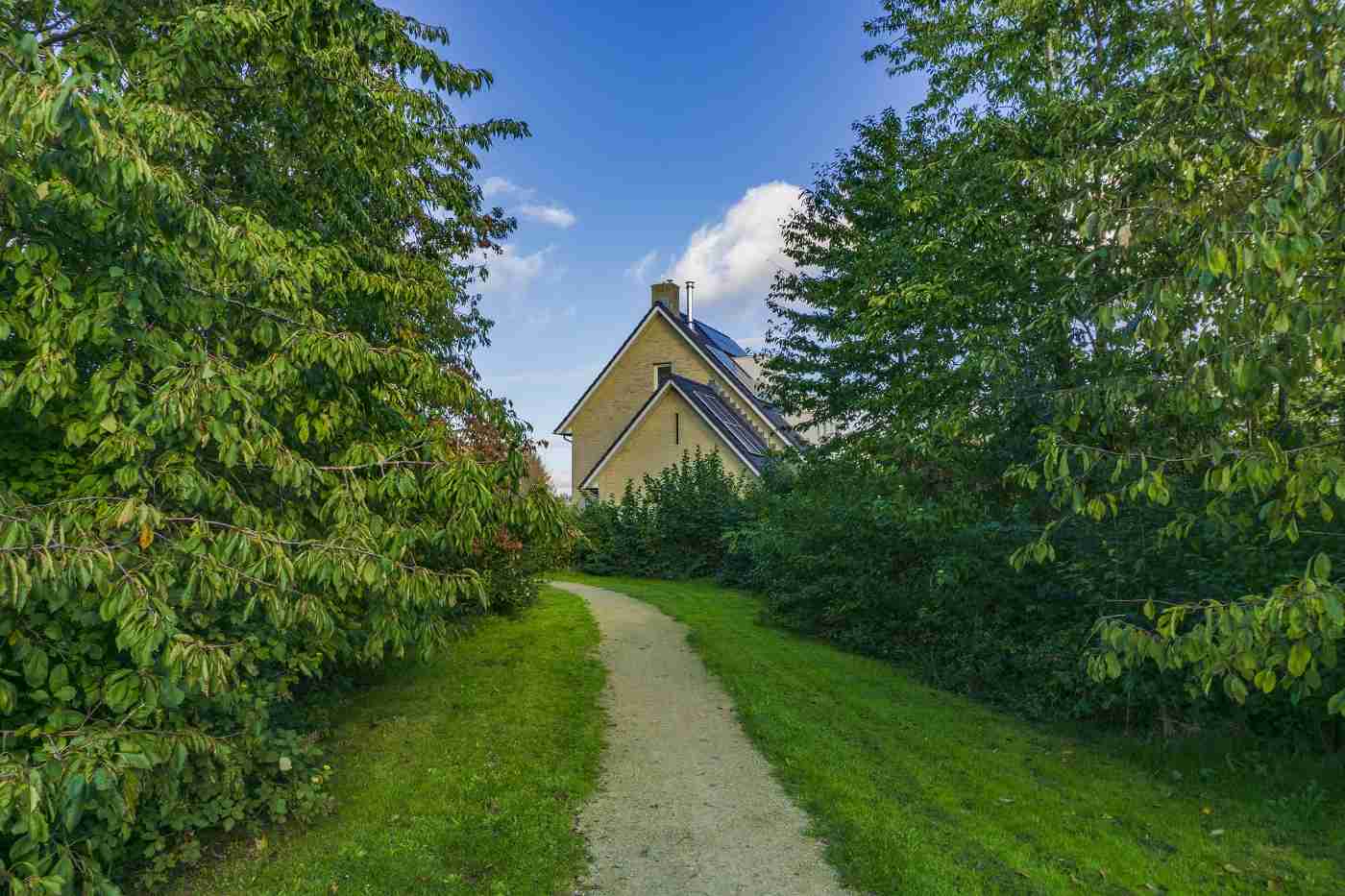
A net-zero home is a house that produces as much energy as it consumes for a year. That means the home generates enough renewable energy to offset its annual energy use, resulting in zero net emissions. There are different ways to achieve net-zero status, but all require careful design and construction with an eye toward efficiency and conservation.
If you’re thinking about buying a net-zero home, there are some things you need to know first. Here’s an overview of what you can expect, from design and construction to cost and efficiency. We will also explore the benefits of owning a net-zero home and provide you with some useful tips on how to find the right one. So, without further ado, let’s get started.
How to Achieve Net Zero Home Status?
As we mentioned, a net-zero home produces as much energy as it consumes over a year. To achieve this, the home must be designed and constructed with energy efficiency and conservation foremost in mind. It also needs to generate enough renewable energy, through solar panels or other means, to offset its annual energy use. The result is zero net emissions from the home.
There are different ways to achieve net-zero status. The most common approach is to install solar panels on the roof to generate electricity. The home can also be outfitted with other renewable energy systems, such as a wind turbine or geothermal heat pump.
This doesn’t mean that a net-zero home is off the grid. They’re often still connected to the grid and can send a surplus of power to it and draw power from it when needed.
No matter which approach you take, several critical elements will be incorporated into the design and construction of the home to ensure that it is as energy-efficient as possible. This includes features like advanced insulation, high-performance windows, a well-sealed building envelope and heating and cooling systems designed for maximum efficiency.
You Should Consider a Home Warranty
Get the Green Building Project Checklist
Use this handy checklist on your next project to keep track of all the ways you can make your home more energy-efficient and sustainable.
Building a net-zero home is more challenging and expensive than building a conventional home. This means that there is greater potential for construction defects and other problems to arise throughout ownership. To protect yourself against these risks, you can purchase a home warranty plan when you buy your new net-zero home.
A good home warranty plan covers many common repairs and maintenance issues that can arise in any home, such as plumbing, electrical systems, appliances, HVAC systems, and more. Most home warranty plans also include coverage for damage caused by environmental factors like mould or water leaks, while more comprehensive plans even offer 24/7 customer support and online service requests, so that you can get help fast if something goes wrong with your new home.
When finding a home warranty that’s right for you, make sure to compare plans and prices from different providers to find the best coverage at the most affordable price. Depending on the policy you choose, home warranty coverage typically lasts for 1-10 years after your purchase date.
Higher Building Costs, Lower Utility Costs
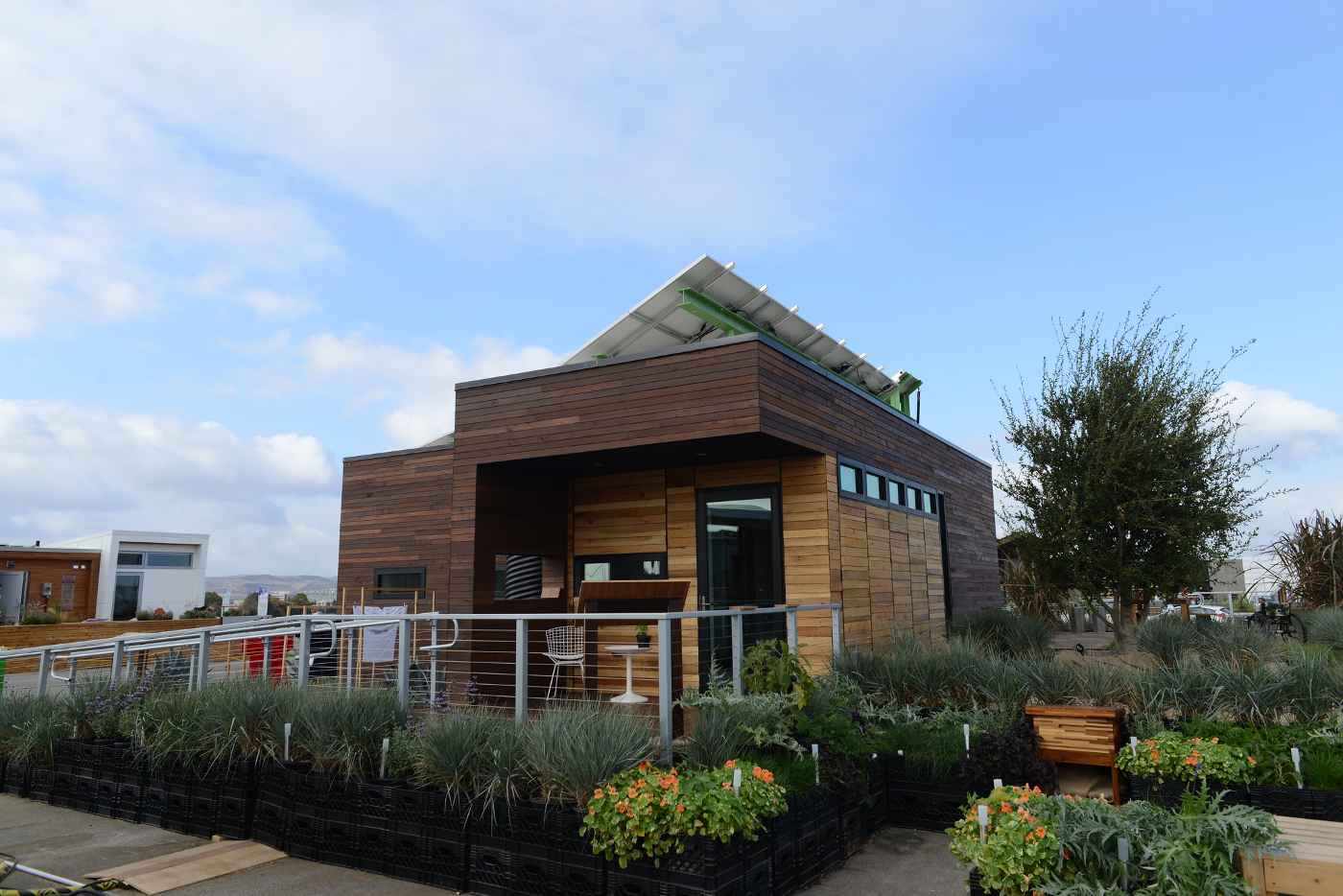
When you look at the cost of buying a net-zero home, there are two factors to consider: the overall purchase price and ongoing utility expenses. On average, net-zero homes tend to cost more than conventional homes with comparable features and floor plans. This is because they require extra materials and construction labour to achieve energy efficiency, as well as special building systems like solar panels or geothermal energy systems.
However, there are several ways that you can offset these costs and make owning a net-zero home more affordable. One option is to take advantage of special financing programs that are designed specifically for homes with renewable energy systems attached.
You may also qualify for tax breaks or other rebates from the federal or provincial government or rebates from your utility provider to further reduce costs and maximize savings.
Your ongoing utility expenses will be quite low, and these can quickly make up for the higher purchase price, especially as energy prices increase.
What Are the Benefits of Buying a Net Zero Home?
While the upfront costs of buying a net-zero home may be higher than you expected, there are significant long-term benefits that make it well worth the investment.
For one thing, owning a net-zero home reduces your carbon footprint (as does sharing a home with a group of people, as outlined in How Co-Living Can Cut Your Carbon Footprint). Plus, by relying on renewable energy systems instead of fossil fuels like natural gas or coal, you can help mitigate climate change and reduce our dependence on foreign oil.
Another important benefit is increased property value. Many homeowners today are looking for homes that produce clean energy or integrate green features into their building design. So when it comes time to sell your home, you will likely find more buyers who are interested in purchasing a net-zero home like yours.
Additionally, you can enjoy significant savings on your utility bills each month by owning a net-zero home. Some homeowners have been able to eliminate their energy costs by generating more renewable energy than they use! And if you manage to generate more energy than you need, you can even earn a small income by selling excess power back to the grid.
How Can I Get Started?
If you are interested in buying a net-zero home, there are several things that you can do to get started. The first step is to talk with a trusted real estate agent or builder in your area who specializes in net-zero homes. They will be able to provide more information about available floor plans and energy-efficient features, as well as help you find financing options that fit your budget.
Another important step is to get pre-approved for a mortgage. This will give you a better idea of how much you can afford to spend on your new home, and it will also make the buying process go more smoothly.
And since net-zero homes tend to appreciate more quickly than conventional homes, you may even be able to get a better interest rate on your mortgage. So be sure to shop around and compare rates from different lenders before making a final decision.
Lastly, don’t forget to factor in the cost of insurance when budgeting for your net-zero home. While most homeowners insurance policies will cover damage caused by severe weather or other disasters, you may need to purchase additional coverage to protect your renewable energy systems.
And depending on the location and size of your home, you may also need separate insurance to cover liability risks associated with installing large solar panels or wind turbines.
Ultimately, purchasing a net-zero home is not only good for the environment; it’s also great for your wallet. With all of the special features and benefits that come with owning one of these homes, you can save on your utility costs and improve the value of your property for many years to come.
So if you’re ready to take the next step toward sustainable living, consider buying a net-zero home today and start enjoying all of its great benefits. If you plan on buying a new build in Canada, we recommend that you check out Built Green Canada Offers New Way for Builders to Get Ready for Net Zero first.
Feature image: Daria Nepriakhina; Image 1: Ryan McKibben


Or you talk to someone who has lived in one for several years. Go and visit them and take a tour. These owners are always happy to show off their system.