Buying a Factory-Built Home
Explore the Buying Process – From Budget to Build

In this weekly Q&A column, retired builder/building inspector Cam Allen answers readers’ home renovation questions. Have a question? Enter it in the form below.
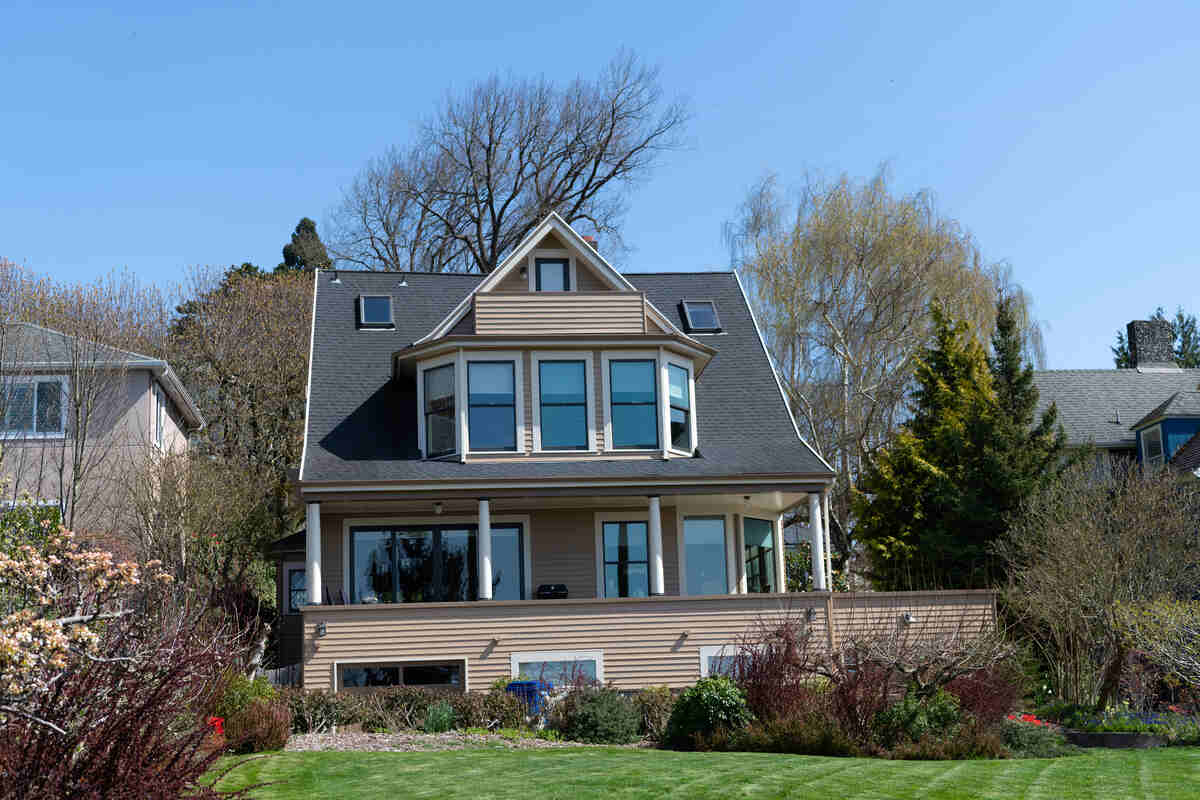
For the past three weeks I have written a series on factory-built homes. The first article covered some of the history of this type of home. Last week we delved into the various types of factory-built homes and how they differ. In this last article of the series, I will explain the process of buying a factory-built home, going through my experience helping some close friends select their dream factory-built home for their retirement.
There is a considerable amount of preparation needed before you turn that front door key the first time. While the process is sometimes thought to be quite different than a conventional home, in fact there are a number of similarities to a stick-built home.
Prepare Your Budget
The first thing I recommended was to lay out their “ENTIRE budget estimates” including lot, driveway, site services, permits, site preparation and basic
landscape. Then include the factory home plans. I have lost count of the number of folks in the past who came to me with an empty lot, driveway, electrical service to site, well and septic done and home plans ready and not enough money left to build. Their plans for a home were dashed because they did not do ALL the financial preparation paperwork.
Once the first basic budget was set, (you will do more than one!), it was time to decide whether they could afford where they wanted to live. In this case it’s for retirement – if a family is involved then local schools are often a major factor.
For budget purposes, use $250,000 for a 1,000 square foot home. You can spend double this amount quite easily but you should start with the home size in your initial budget. Don’t be surprised if you rewrite your budget two or three times, don’t guess at it, get the numbers as close to realistic as you possibly can and then add 15 percent for cost overruns. I cannot express the sadness and tears I have seen when the reality of what a new home costs sets in, especially if the money has run out.
Get the Green Building Project Checklist
Use this handy checklist on your next project to keep track of all the ways you can make your home more energy-efficient and sustainable.
Once they decided on the area (they were looking for a rural location), finding an affordable lot was the next step. That, however, should not be approached until you have confirmed that the local municipality accepts factory-built homes. While this is changing, some counties and townships in Ontario still have some limitations with respect to home type and code requirements. This week’s column is based upon my experience in Ontario. I have trade friends in other provinces who commented that things are not much different in their areas other than land costs.
Find a Lot
Once we established that the prospective township welcomed manufactured homes, finding a lot was the next step. While this search went on, my friends made sure that the funding they needed was in place. They had sold their home so this was not an issue. That said, in the past, getting a mortgage for this kind of home was not simple. Today, most banks and credit unions will
consider a factory-built home. There may be some “bridge finance” needed if you don’t have a substantial downpayment. A deposit with your factory home order will be needed.
Factor in Additional Costs
If you are looking at a lot of any kind there will be additional costs. If you are in a municipal setting then you can expect some lot or development fees, service hookup fees and in some cases an access permit. Remember to budget for construction insurance.
Your factory home builder should offer a warranty on the actual home, make sure they do. You will need some protection for the balance of the process. This insurance is one step often forgotten, in some cases leading to sad conflicts and lawsuits.
If you are in a rural area, you will have some different costs. You will need an access permit, this is to allow your driveway access to the township road. They will specify the type of drainage, likely a large drain pipe at minimum. You will have to contact the local hydro utility for application of a site service permit to their transmission lines. You will need a septic system of some kind. The local health department will be involved and another permit will be needed. There are a number of different kinds of septic installations permitted today.
Decide on the Type of Foundation and Get a Permit
You must decide if you want your manufactured home located on a basement foundation, crawl space or a concrete pad. If you decide on a basement, give some serious thought to an ICF (insulated concrete form) basement. They are the standard for a comfortable, insulated basement.
All factory-built home manufacturers offer engineered drawings for your home. The local municipality will need these to issue a building permit. Yes, you will need a building permit even though the home was built off site. This is how the municipality bases their tax revenues on your final home.
Find a Builder and Design the Home
Now the last step: designing your home. Though there are limits to the size of these homes due to the manufactured home builders’ physical factory size, most do offer considerable customization options. Research at least three different factory-built home manufacturers and start with a basic needs list.
My next suggestion is if you are not fully comfortable or experienced at home building, find a “reputable, experienced, local building contractor” and I stress the word “reputable”. Have this tradesman in on the process as soon as you can.
Try to find a builder who offers a home package that has at least an Energy Star rating, and if you can get closer to a passive house assembly, all the better.
My friends went with a builder whose factory was in New Brunswick. They transported the home to Ontario and set it up in two days, including an addition. I have been in the home numerous times and am still pleased to see the quality of assembly. The days of the “trailer park home” are long gone!
Images from Depositphotos
Have a Home Renovation Question?
Write it down below and we’ll get back to you. All questions get answered – every week, we’ll select one for publication in the column.