
How Buildings Are Evolving With Smart Technology

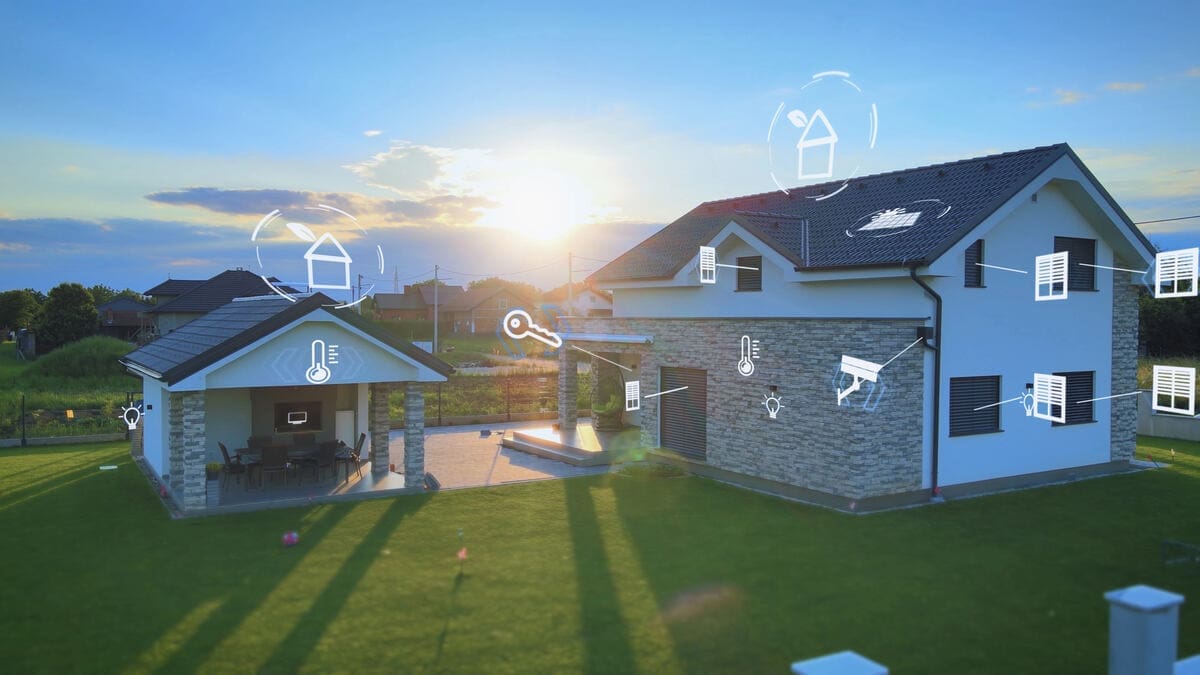
The future of buildings is not just about bricks, steel and insulation anymore – it’s about intelligence. Buildings are evolving into dynamic, responsive environments that not only provide shelter but also optimize energy, reduce emissions and improve the well-being of their occupants. At the centre of this transformation are smart buildings, which combine sustainable design with cutting-edge technology.
As cities strive for net-zero goals and developers face rising expectations for efficiency, smart buildings represent the next frontier of green construction. They don’t simply reduce environmental impact at the point of completion – they continuously adapt and improve throughout their entire life cycle.
What Makes a Building “Smart”?
A smart building is more than just energy-efficient; it is digitally connected, automated and data-driven. Sensors, control systems and Internet of Things (IoT) devices work together to monitor and adjust everything from heating and cooling to lighting and water use. Here are a few examples: smart lighting systems adjust brightness based on daylight availability and occupancy, automated HVAC responds not only to indoor temperature but also to outdoor weather forecasts, water management systems track leaks in real time, reducing waste.
The intelligence lies in integration – these systems don’t operate in isolation, but as a network that learns patterns, predicts demand and maximizes efficiency.
Energy Efficiency Beyond Design

Get the Green Building Project Checklist
Use this handy checklist on your next project to keep track of all the ways you can make your home more energy-efficient and sustainable.
Traditional green building emphasizes things like sustainable materials, insulation and passive design strategies. Smart buildings take this foundation and amplify it through real-time energy management.
Instead of relying on static calculations, a smart building actively measures performance and optimizes systems on the fly. For instance, energy meters detect usage spikes, while predictive algorithms pre-cool or pre-heat spaces when electricity rates are lowest. This not only reduces carbon emissions but also lowers utility bills, creating tangible financial benefits for occupants.
The Role of Data and Connectivity
None of this intelligence is possible without data. Smart meters, occupancy sensors and building management platforms constantly collect and process information. Connectivity ensures these systems communicate with one another and with external platforms like utility providers.
To improve reliability beyond the standard wi-fi or wired connections, some devices now have backup cellular connectivity, using physical SIM or built-in eSIM cards to ensure that monitoring systems never lose touch with their data hubs. This is particularly important in large commercial buildings where uninterrupted connectivity is critical for managing lighting, HVAC and security at scale.
Enhancing Occupant Well-Being
Green building has always been tied to human health and comfort – better air quality, more natural light and thermal comfort. Smart buildings add another dimension: personalized environments.
Occupants can control room temperature, lighting and even window shading through apps, while building systems learn their preferences and adjust accordingly. Air quality sensors ensure that CO₂ levels remain safe and that ventilation systems respond quickly to changes in occupancy.
By combining comfort with efficiency, smart buildings support both sustainability and productivity, making them especially attractive for employers seeking healthier workspaces.
Integration with Renewable Energy
Smart buildings also play a crucial role in the transition to renewable energy. Solar panels, on-site batteries and smart inverters are increasingly common features of sustainable construction. But without intelligent management, their potential is limited.
Smart systems can automatically store solar energy when generation is high and release it during evening peaks. They can also coordinate with EV charging stations, ensuring that cars charge when electricity is cheapest or cleanest. In multi-unit buildings, this coordination is vital for preventing grid overload while maximizing the value of renewable assets.
Supporting Net-Zero and Climate Goals
Countries around the world are adopting ambitious net-zero building standards. Meeting these goals requires more than just energy-efficient systems — it requires continuous performance optimization.
Smart buildings provide exactly that. Through constant monitoring and machine learning, they can identify inefficiencies, adapt to changing weather, and integrate new technologies over time. A green building that isn’t “smart” risks becoming outdated within a few years, while a smart building can evolve and remain efficient for decades.
Challenges and Opportunities
Of course, integrating smart systems comes with challenges. Upfront costs, interoperability between devices and concerns about data privacy are common barriers. Builders and developers must weigh these issues against the long-term savings and environmental benefits.
Fortunately, costs are falling, standards are improving and incentives are expanding. Governments and utilities are increasingly offering rebates for smart meters, efficient HVAC systems and building automation platforms. As technology matures, smart systems are becoming not just optional add-ons but core components of sustainable construction.
Looking ahead, smart buildings will become the default, not the exception. Advances in artificial intelligence, 5G and energy storage will only enhance their capabilities. From real-time carbon tracking to predictive maintenance, buildings will function more like living systems, constantly learning and adapting to serve both people and the planet.
Images from Depositphotos