On a Tight Budget?
Here’s What You Should Prioritize for Your Renovation

In this weekly Q&A column, retired builder/building inspector Cam Allen answers readers’ home renovation questions. Have a question? Enter it in the form below.
Recently, I got a unique question from Paul, a home inspector in Vancouver, and while it may be a bit off-the-beaten path for this column, it’s one that I have been asked repeatedly over the years. He wrote: “Very few decisions about renovations will put the home structure cost before the decorating cost in tight budgets. How do you explain to people about the budgeting priorities? Do you recommend doing all that can be done first to improve the home’s energy efficiency?”
The First Step
With the cost of buying and owning a home becoming more and more difficult for Canadians, arriving at a balance where you can help your bank account in the long run with operational energy savings and getting some upgrades to give your home a personal touch is a real balancing act.
Before you do anything, get your roof inspected and, if necessary, replaced as part of the initial budget. While this can be costly, the damage to the interior of a home from water leakage is often not found until it has created some major restorative work and ensuing expense.
Budget Kitchen and Bathroom Renovation Ideas

Get the Green Building Project Checklist
Use this handy checklist on your next project to keep track of all the ways you can make your home more energy-efficient and sustainable.
A tight budget is a reality today, but that does not eliminate making some improvements to your home. Kitchens and bathrooms often lead the list of upgrades, adding the most value to your home. Unfortunately, they are usually the most costly to do. If the kitchen cabinets are in good condition, replacing the doors or refinishing them may be worth the effort. There are some respectable refinish kits on the market now. Changing the countertop and adding a new sink can significantly change the look of a kitchen.
For a bathroom, shower liner kits that are professionally done are a good tight budget step. Some paint, a new vinyl floor and replacing the toilet and vanity with new lighting will keep the bathroom reno cost down.
6 Home Renovation Upgrades that Balance the Budget
I am going to answer part of this inquiry by looking at minimums for home energy efficiency upgrades that should be included in every renovation, be it a large or small budget. Also consider who is doing the work and if you are anyway handy, the DIY approach can seriously stretch the budget. That said, stay within your comfort zone. I cannot count the number of calls to our office in our construction days that started off: “We need some help on a renovation,” only to arrive and find bearing walls missing!
Number one on the list is getting an energy audit done on the home. These skilled pros usually have hundreds of audits under their belt and they will prioritize your upgrades for you. Expect insulation to be high on the list, starting with the attic and then the basement or crawlspace.
Next on my list is HVAC control. At this point you should have your heating system evaluated for integrity and energy efficiency. This may be the first major budget expense and will be worth it if your furnace is older. The closer to a 95 percent AFUE rated furnace you can afford the better. A smart thermostat can also lead to significant savings.
Number three is lighting and LED lights are documented to save upwards of 80 percent less energy than conventional incandescent bulbs. Number four is an easy improvement to an area that is often missed: power management. Phantom power loss from equipment, devices and appliances that is constantly on standby is simply wasted money. Using power bars with timers or upgrading to master sockets that can disconnect devices overnight is worth considering.
At number five is air leakage management. We are fortunate here in Canada having Natural Resources Canada to guide us. They have published an excellent reference guide called “Keeping the Heat In” where they show you how to conduct a comprehensive air leakage evaluation. Your energy auditor will also have made some recommendations.
Number six is windows and I suspect I will hear from the replacement window community here. Take the time and compare the cost of replacement windows vs properly fitted storm windows, especially if you are in an older home where there may be some heritage considerations. I have nothing against retrofit windows, but based upon the home, exterior storm windows can help a tight budget and arrive at considerable energy savings when properly fitted over single pane or older double slider windows.
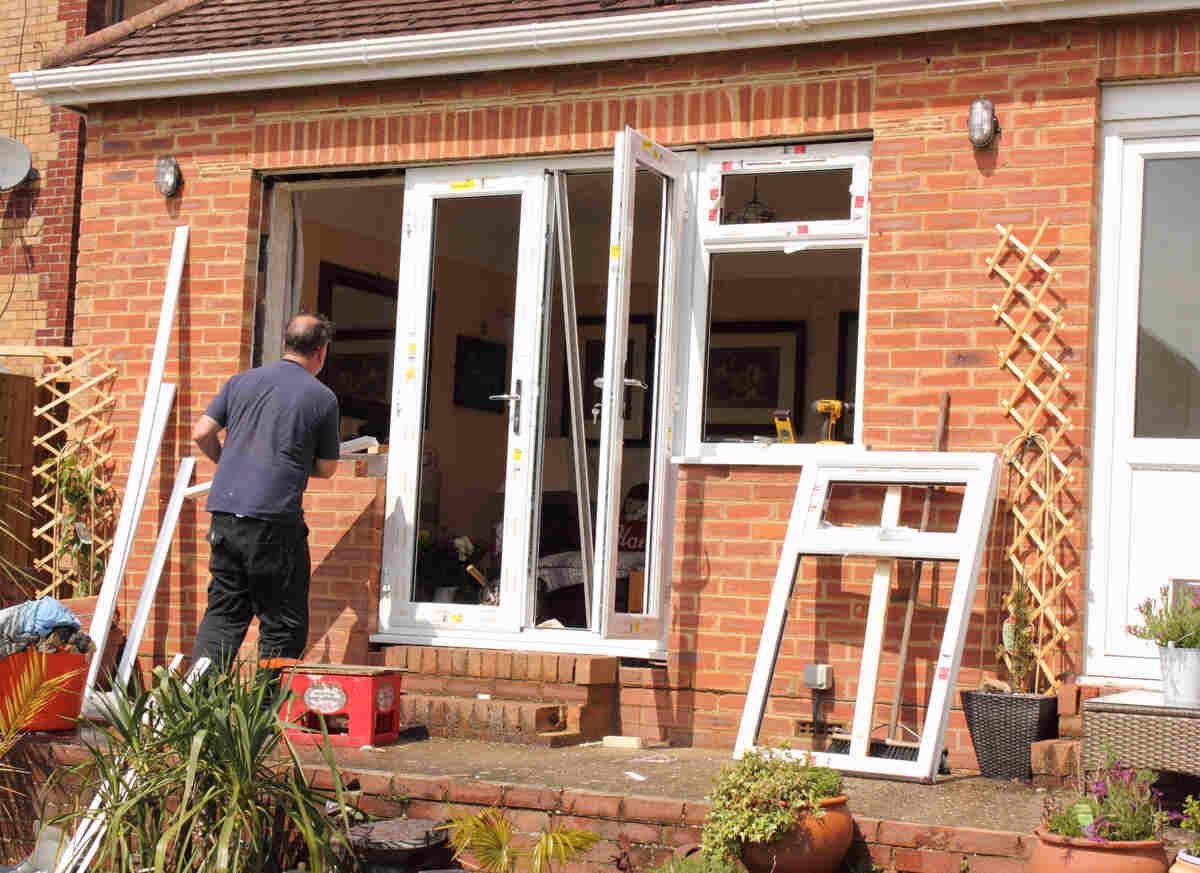
If you are handy and can afford the time twice a year to put up and take down your storms this is worth considering. When you look at an average bungalow, you could probably have all its windows fitted with storms for the price of two or three replacement windows – it may be a good budget move. If you are looking for privacy and UV protection, there are a number of energy-efficient films that can be added to your storm windows.
While renovating heritage homes in the past, we have had interior storms fitted with metal edges and foam seals with magnetic strips fitted on the interior trim. This allowed the exterior of the heritage home to retain its historical appearance while providing greater energy efficiency.
Some years ago I was told that sound reduction was significant with storm windows. The air pocket created between the original window and the storm window is also known to reduce sound transmission by upwards of 50 percent compared to conventional replacement windows.
My last point here is cost. Storm windows can usually recover their cost in energy savings within five years or so. Replacement windows usually take nearly double that timeframe.
In the past I have been asked for estimates on cost vs energy savings and while there are numerous figures tossed around the one I used was storm windows will give you about 70 percent of the savings in energy vs replacement windows at about one-third the cost.
Every upgrade you do with respect to energy efficiency is reflected directly into your bank account and this list is about as cost effective as you can expect, still leaving some money in the budget for that dream set of kitchen taps!
Images from Depositphotos
Have a Home Renovation Question?
Write it down below and we’ll get back to you. All questions get answered – every week, we’ll select one for publication in the column.