
A Roundup of Online Biophilic Design Courses

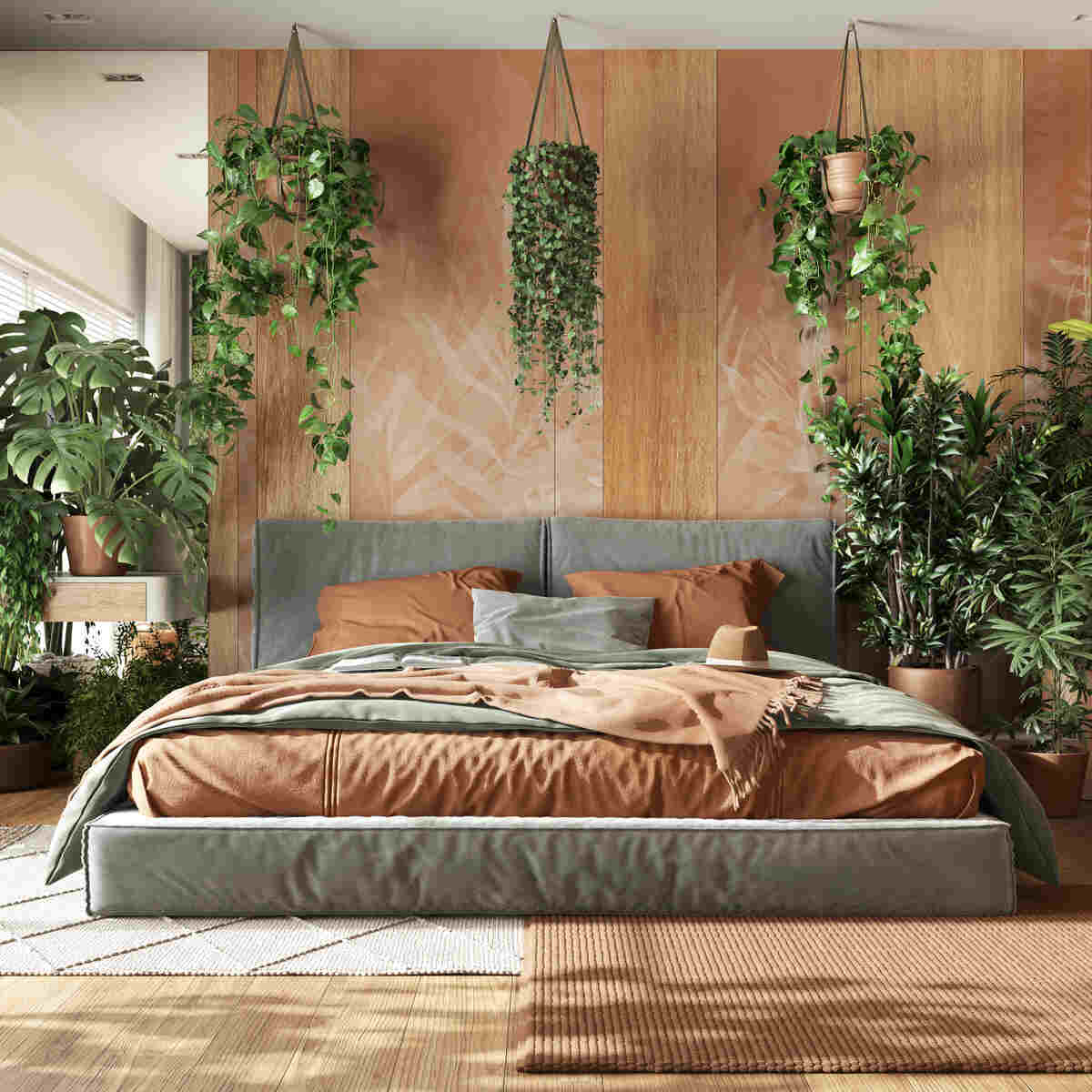
Humans have an innate need to interact with nature. Biophilic design helps to satisfy that human need by connecting people with the built environment. This design style offers a number of benefits, not just psychological but also general improvements in health, productivity and well-being. Fresh air, natural sunlight and organic materials help to synchronize our circadian rhythms and promote a healthier lifestyle. If you’re new to biophilic design and want to learn about it more read “The Basics of Biophilic Design“.
A disclaimer before offering suggestions on these courses. I need to tell you at the outset that I’m biased on the topic of biophilia. I align myself with the philosophy of Erich Fromm and have spent much of my life in awe of the beauty of trees and wood.
There are interior design courses that cover a variety of themes, which could include biophilic design as part of their curriculum. Here we’ll be focusing on courses that are specifically about biophilic design. Where you can find them, what their curriculum covers and how much they cost.
Online Biophilic Courses (Paid)
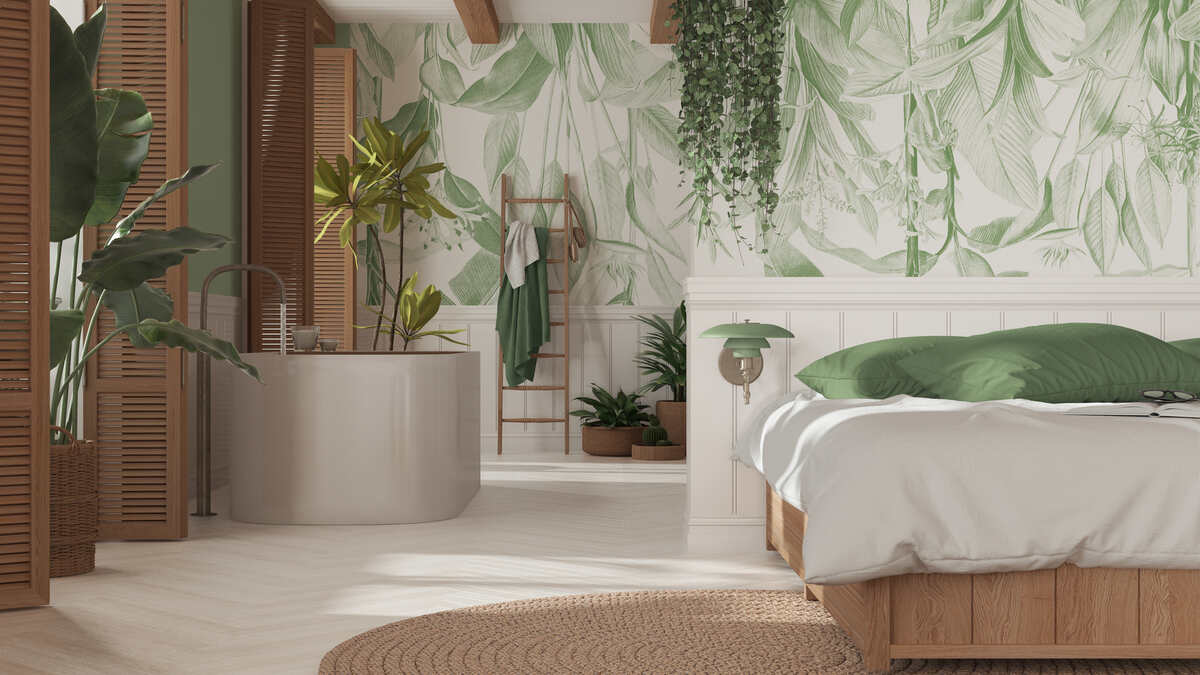
Whether you want to test the waters with a one or two-hour mini-course or immerse yourself in a more comprehensive interior design course, here are some invitations to excite your imagination.
Get the Green Building Project Checklist
Use this handy checklist on your next project to keep track of all the ways you can make your home more energy-efficient and sustainable.
International Living Future Institute
This non-profit organization is founded on the symbiotic relationship between humanity and nature. It strives to harmonize buildings with nature while emphasizing the importance of sustainability and promoting green building practices.
Based in Seattle, the organization is part of the United Nations environment program and a member of the Global Alliance for Building and Construction.
They offer a 12-hour Foundations of Biophilic Design Certificate online course. If you don’t want to dive into the full course, the individual sections of the course are sold separately, starting from $49 and they also offer a free biophilic design toolkit for download if you just want to get your feet wet. This course can also be taken as part of the full Living Future Accreditation (LFA) course, which is usually completed within three months and costs $750. Full details of the course components are available here.
The Biophilic Design Institute
Nicole Craanen runs the Biophilic Design Practitioner Certificate Program. She combines the serenity of Yoga with the ecological balance of nature and forest therapy. As the founder of the Biophilic Design Institute, she has utilized her Master’s degree in human ecology to design a course that will deepen your understanding of the connection between nature and being human. The course is aimed at architects, interior designers, landscape architects, urban planners and anyone enthusiastic about sustainability.
The course is designed to enhance students’ appreciation of the advantages of biophilic design and the positive effects of connecting with nature.
The eleven-week hybrid course costs $1,900 and is limited to twenty participants. It’s divided into six 90-minute live virtual instructional sessions and requires three to four hours per week of self-study. Full details of the course content and dates are available here.
Elearn College
As part of its Conservation and Environment section, the college offers a biophilic design course designed for construction professionals and enthusiasts who want to have a more meaningful connection with nature.
This online course explains the concepts of biophilic design and the fundamental interaction between nature and human existence. It examines the effects of architectural design on the living environment with ‘evidence-based’ examples and firmly supports innovation and creativity to create a more meaningful environment.
The course also focuses on future trends in biophilic design and the global perspectives on incorporating practical interventions to promote a greener and more sustainable built environment.
The course costs $250 and is part of a range of courses, including environmental law (United Kingdom) and energy efficient homes. You can find details about the course and how to apply here.
Short Online Courses and Presentations (Free)
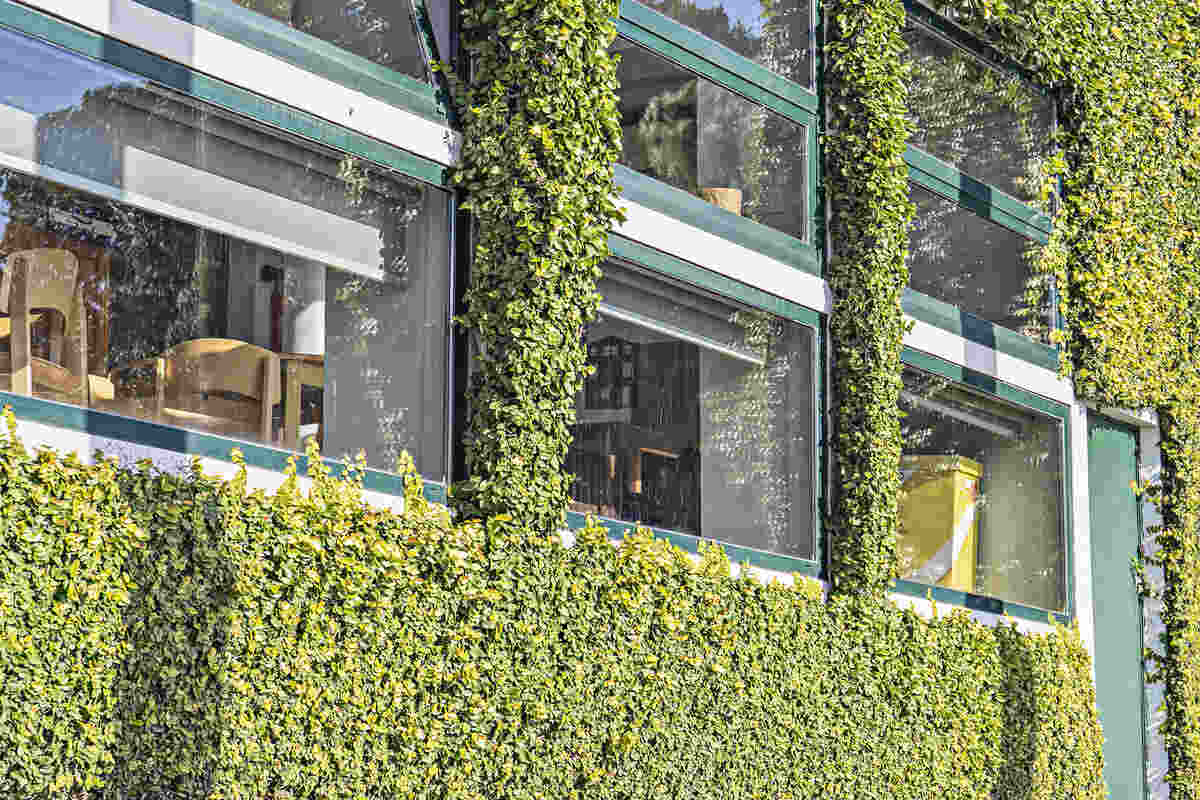
AEC Daily offers a wide range of short courses and presentations covering different biophilic design elements.
Improving the Human Experience in Behavioural Health Settings – This course explores the connection between healing and architectural design and provides examples of biophilic design that enhance healing. Various experts in the construction industry deliver the one-hour presentation.
Biophilic Design and Rooftop Deck Systems – A one-hour presentation by Bison Innovative Products showcasing sustainable deck systems that conform to biophilic design and the positive impact the products have on the well-being of the community.
Biophilic Design and Architectural Coatings – Presented by Dominika Bandyk, a graduate of the San Diego Design Institute, this online presentation covers the trends in colours that support biophilic design ideals.
Natural Beauty – Design with Biophilic Principles to Promote Occupant Well-Being – This online course delves into the influence of biophilic design on classroom performance. It highlights the benefits of natural lighting. Alyna Reiter, a graduate of the University of Wisconsin-Madison, presents the course.
Read more on this topic in Innovative Biophilic Designs that Enhance Material Performance and Structural Resilience
Images from Depositphotos



Hello, Thank ~ you for such an enlightened and informative article about Biophilic Design. I have registered already for one the webinars on Rooftop Deck Systems. The bedroom in the first picture is stunning! Did the writer Mike Lillyman build the bed? Beautiful design and so in tune with the Biophilic concept. Are these beds up for sale?
Glad you found the article helpful! The writer didn’t build the bed in that picture, it was just a stock image we found that followed this type of design.
Thank you so much for this information! Coming from a developing country, access to this kind of knowledge is scarce and often difficult to afford, but I’m always eager to learn and apply it as an architect.