
Bifacial or Monofacial?
Evaluating Solar Panel Performance, Pros/Cons and Best Use Cases

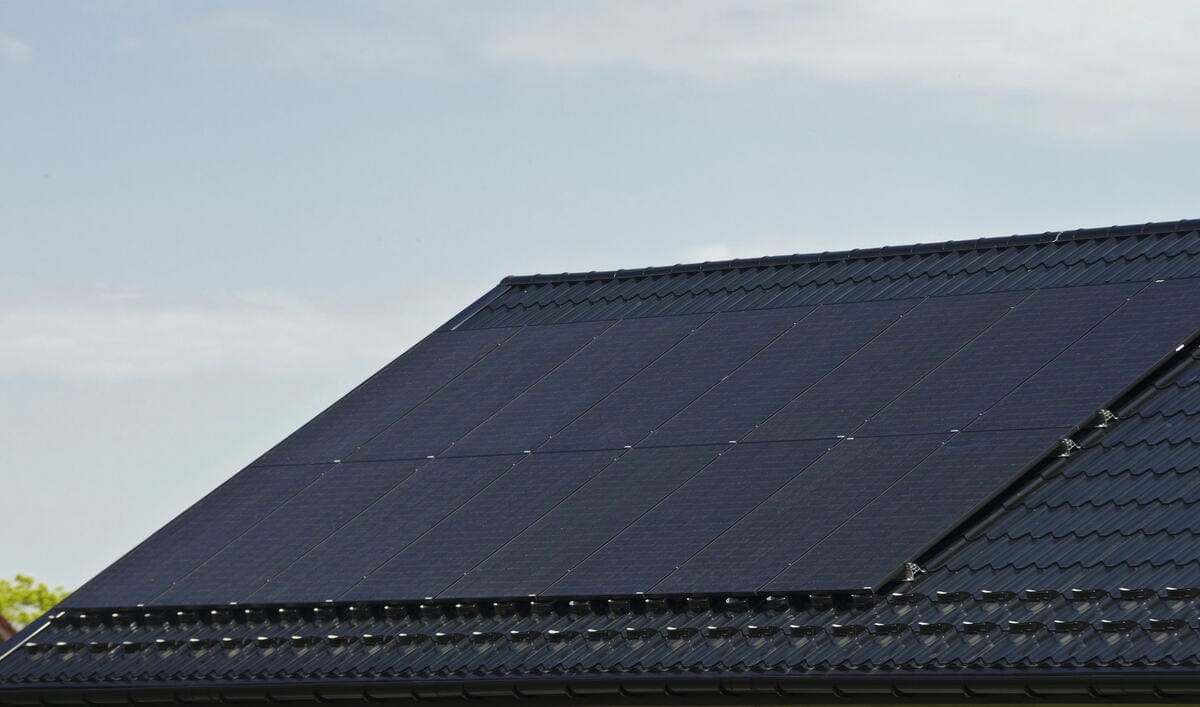
In one of the most comprehensive tests conducted to measure the relative efficiency of bifacial versus monofacial panels, researchers at the University of York found that bifacial panels were 15 to 17 percent more efficient. Some manufacturers of bifacial panels quote improved efficiencies of upwards of 30 percent. That being said, in many cases, bifacial panels will only get you a mere few percent higher energy yield. The range is quite broad as several factors come into play that influence the respective efficiencies.
We will be exploring those factors along with the various ways bifacial and monofacial panels differ.
Bifacial vs Monofacial Solar Panels
| Bifacial | Monofacial | Key Differences | |
|---|---|---|---|
| Energy yield | Typically 5-10% more (depending on mounting and albedo) | Baseline (no rear gain) | Bifacial captures rear-reflected light |
| Durability | Often longer; dual glass reduces degradation | Standard glass, slightly shorter lifespan | Bifacial panels can be more robust, less prone to microcracks |
| Weight | Heavier (dual-glass construction) | Lighter | May require stronger racking or roof support |
| Installation | Needs rear clearance and optimized tilt | Standard mounting | Bifacial gains depend on site optimization |
| Aesthetic | Can be used in facades or canopies | Roof or ground mount only | Bifacial offers architectural flexibility |
| Maintenance | Rear side must be clean for optimal yield | Only front side matters | Dirt or snow on back reduces efficiency |
| Best Use Case | Ground-mounted, reflective surfaces, solar farms | Most rooftops and constrained spaces | Residential roofs often have low bifacial gain |
| Efficiency | Slightly higher due to rear capture | Standard efficiency | Gains more pronounced with optimized setup |
Why Bifacial Solar Modules are More Efficient
The efficiency advantage of bifacial panels stems from their ability to absorb sunlight on both the front and back of the panel. To fully utilize this advantage, the albedo of the surrounding area must be taken into consideration.

Get the Green Building Project Checklist
Use this handy checklist on your next project to keep track of all the ways you can make your home more energy-efficient and sustainable.
Albedo refers to the reflective quality of the surface beneath the solar panel or light that is reflected onto the back of the panel. Calculated in terms of a surface reflection coefficient, it is simply the amount of light that is reflected from the underlying surface to the back of the panel. The range starts where no light is reflected, such as a dark or black surface where the solar energy is absorbed as heat, and on the other end of the scale, surfaces like snow and ice, which reflect almost all of the light and remain cool.
So, bifacial solar panels gain their advantage because they can absorb light on both the front and the back of the panel. Direct sunlight is absorbed on the front side of the panel in the same way as a monofacial panel does, while the underside absorbs the reflected or diffuse light, which the industry refers to as rear side irradiation.
Bifacial solar panels have photovoltaic receptors on both sides of the panel, unlike monofacial panels, which have a solid backing on the underside. The receptors on both sides of the bifacial panel enable it to capture direct sunlight on one surface as well as diffuse and reflected light on the other side.
The capturing of the diffused light provides the bifacial solar panel with a significant advantage over monofacial panels. Depending on the reflectivity of the area behind the bifacial solar panel, the increased efficiency could be as much as 30 percent, however for your standard roof-mounted installation the gain is more like 5 to 10 percent.
The Watt per Area Advantage
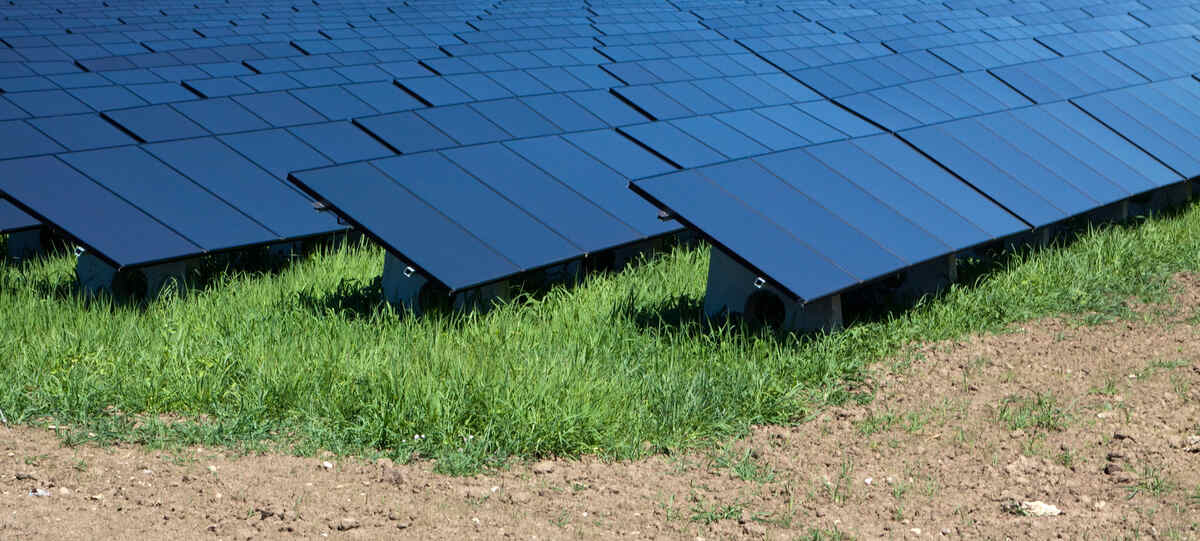
As bifacial solar panels are more efficient, they have a better watt per square foot ratio, which is useful in applications where space is limited. Apart from the obvious advantage of greater efficiency in areas with confined roofing space, applications such as for RVs, boats or outdoor activities tend to favour bifacial panels.
Additionally, there is the benefit of requiring fewer panels to produce a specific amount of power. While this may well translate into a cost saving, it is the improved utilization of available space that promotes the bifacial choice.
Mounting and Orientation of Bifacial Solar Panels
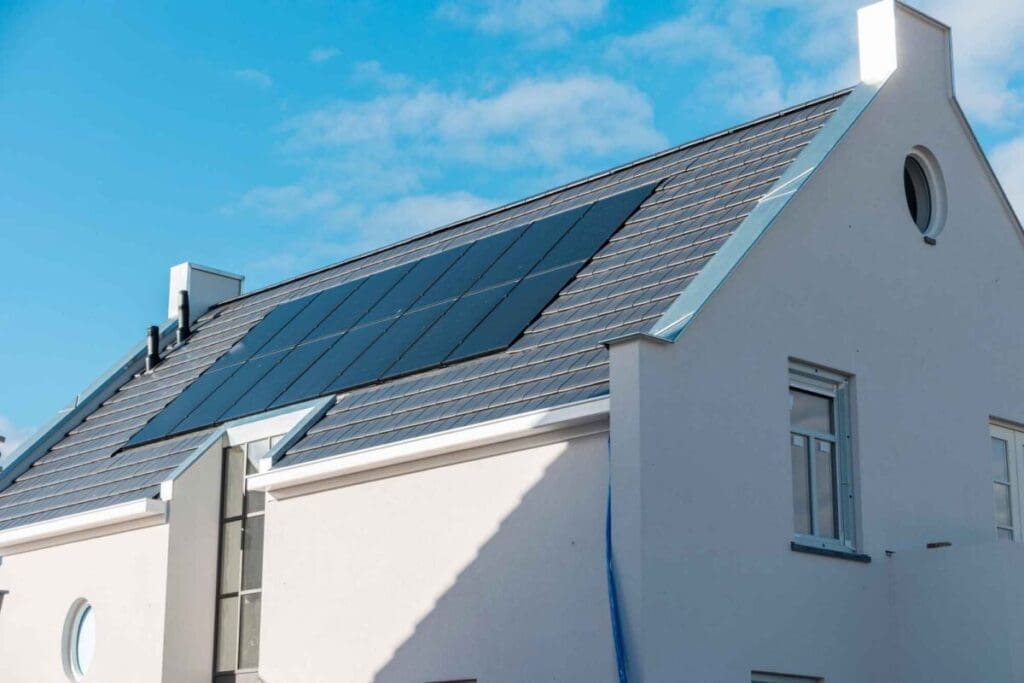
Domestic solar panel installations tend to be most economical when panels are fitted to roofs on simple frames. Bifacial solar panels have a limited advantage when fitted in a similar fashion. With the underside photovoltaic receptors receiving little reflective or diffused light in this arrangement, they can only offer a mediocre improvement in performance when fitted in conventional roofing frames.
To maximize the performance improvement, bifacial solar panels are more suited to ground installation when placed at some distance from the underlying surface. Alternatively, bifacial solar panels are ideal when used as a covering for patios or carports, where the distance from the ground allows the receptors on the underside of the panel to maximize their advantage.
As bifacial solar panels are more suited to ground installations, the cost of purpose-made foundations should be taken into account when making a comparative cost study against the price of monofacial panels.
Using frames to install the solar panels has the advantage of allowing significantly greater freedom in fixing the orientation and angle of solar panels.
For bifacial panels to produce superior performance compared to monofacial panels, they need to be positioned to allow light to reach the rear side of the panel. This can be done by raising the panels off the ground and in some instances by arranging the panels in a vertical array.
East-West Orientation
This is a preferred orientation to capture early morning and late afternoon sunshine. One side of the panel faces east, and the other side, west, providing power at traditional times of peak usage.
Other advantages to having panels standing vertically is that they stay cleaner for longer compared to angled panels and their performance is neither handicapped by excessive heat nor restricted by snowfall – a point especially important in Canada’s snowy winters. They can also serve a dual purpose since they can be used for fencing, which is a point farmers could particularly appreciate.
Introducing mirrors to reflect sunlight onto the panels during the middle part of the day has a positive effect on the energy produced by the panel.
Angled or Tilted Orientation
In Canada, solar panels are most efficient when angled towards the south, with the location’s latitude providing a good indicator of the degree angle required to capture the greatest amount of solar radiation. Bifacial panels that are positioned in this way will perform better when mounted off the ground, allowing a substantial amount of reflected light to reach the rear side of the panel.
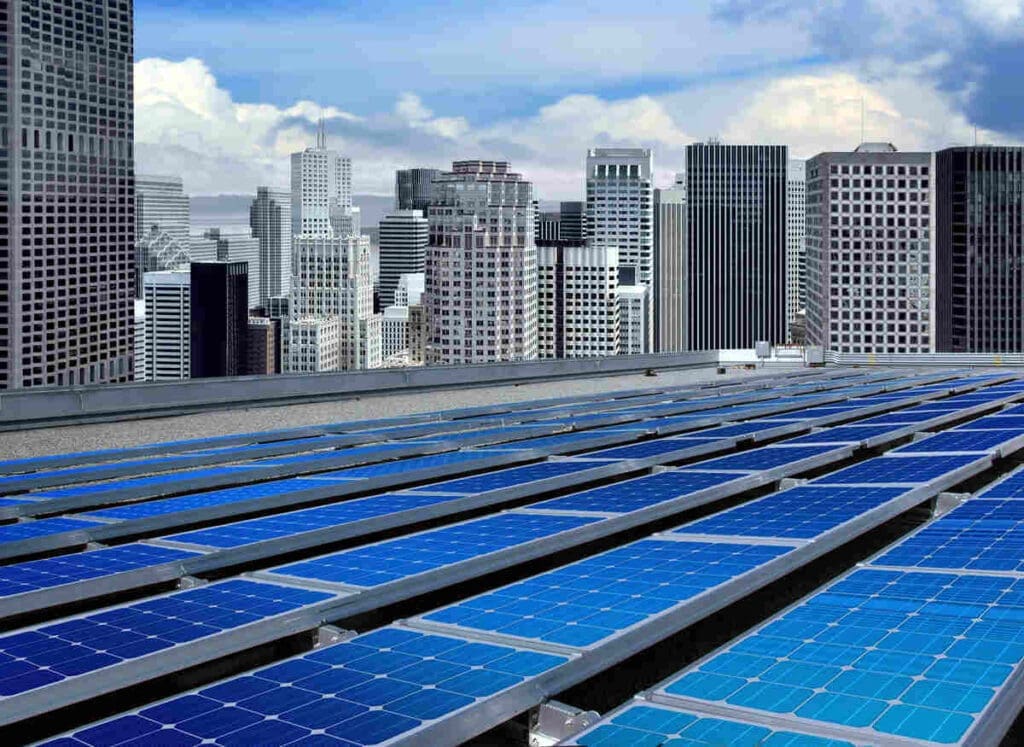
This arrangement also allows air to circulate around the solar panel, resulting in improved efficiency. Ground installations and flat-roof buildings offer the best opportunities for this type of orientation.
So, How Much Do Bifacial Panels Cost Compared Monofacial Panels?
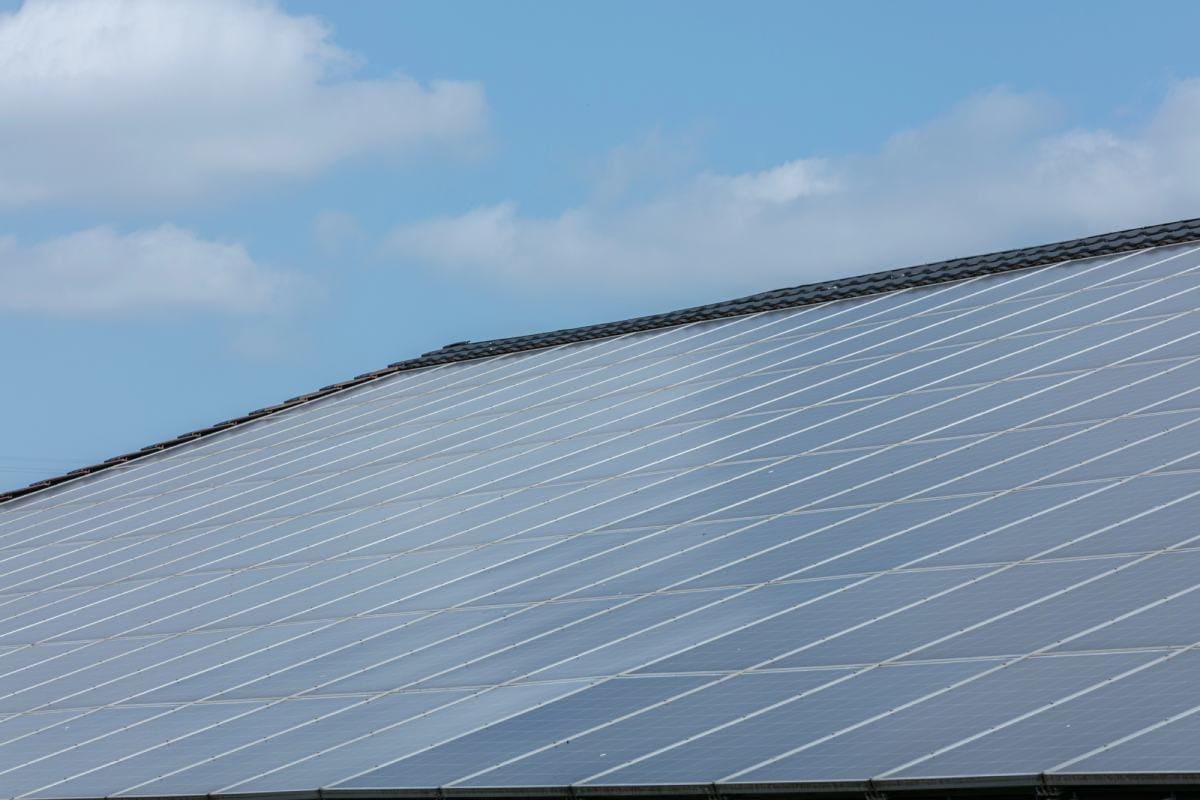
The solar panel market is highly competitive and with China’s overproduction of panels in recent years, prices have never been lower. Consequently, prices have been dropping to the point that bifacial panels are now about the same cost as monofacial panels.
Solar panels in the 500 to 600 watt range sell for around $150-250 in Canada. That is the cost of the panel itself, not including installation.
Shopping around for the best price is time well spent, but before chasing after the cheapest price, check carefully what is on offer. Pay particular attention to the warranty period that the panel is sold with, as that is a pretty good indication of the confidence the manufacturer and supplier have in their product.
What Are the Advantages and Disadvantages of Bifacial Solar Panels?
Advantages
Higher energy yield – Can generate about 5 to 10 percent or more electricity, depending on mounting, tilt and surface reflectivity (especially effective for ground-mounted systems with high albedo surfaces like white gravel, concrete or snow). In areas of high albedo, they offer significantly superior performance.
Longer lifespan – Many bifacial panels use dual glass construction, which is more robust and less prone to degradation over time, allowing for a more extended warranty period.
Aesthetic options – Can be integrated into facades or canopies, giving modern architectural options while producing power.
Potential ROI improvement – In large-scale projects or optimized ground mounts, the extra yield can justify higher upfront cost.
Mounting versatility – Vertical mounting makes a lot of sense, particularly in areas of high snow fall. They are also more space efficient.
Disadvantages
Installation considerations – Need sufficient rear clearance for maximum gain. Roof-mounted systems often have limited gains due to low albedo surfaces (dark roofs) and tight spacing.
Weight and structural requirements – Dual-glass panels are heavier, requiring more robust racking systems and potential roof reinforcement.
Design and site sensitivity – Gains are highly dependent on ground reflectivity, tilt, orientation and shading.
Maintenance – Dirt or debris on the backside can reduce performance, which is often overlooked in residential systems.
Images from Depositphotos

Great update however I am thinking how I can apply this to a Caribbean build . I was thinking could I locate it On a sun drenched flat roof or integrate it into a Fencing solution and told I then use that energy to run appliances or a generator