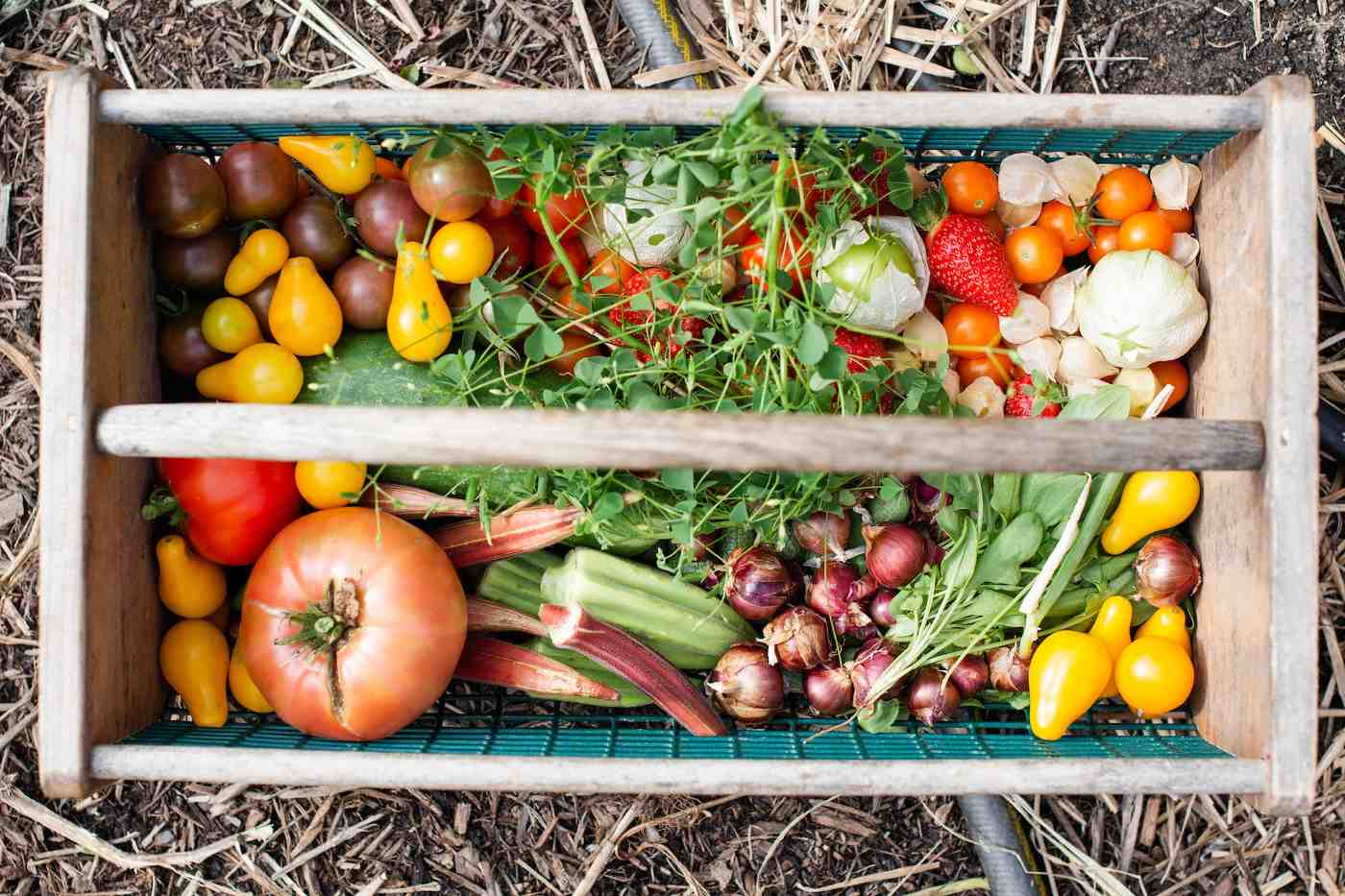
If you have an urban garden, you know that space is at a premium. So it makes sense to grow vegetables that take up the least amount of space while still providing plenty of food.
To make the most out of your gardening, be a good researcher and figure out which vegetables will thrive in your climate and meet your needs. Generally speaking, here are nine of the best vegetables and fruits to grow in urban gardens.
1. Lettuce
This is a great vegetable to grow if you have limited space. It doesn’t require a lot of room to grow and can even be grown in containers. Lettuce is also a fast-growing vegetable, so you can expect to see results in just a few weeks.
When growing this type of vegetable, keep the soil moist and fertilize regularly. You can also grow lettuce indoors under grow lights. However, look for the right seeds, as not all lettuce varieties do well indoors. Target ones that have been bred specifically for indoor growing.
2. Spinach
Like lettuce, spinach is a great vegetable to grow in small spaces. It’s a fast-growing crop that doesn’t require much room to thrive. Spinach is also a cool-weather crop, so it can be one of the first vegetables you plant in the spring.

Get the Green Building Project Checklist
Use this handy checklist on your next project to keep track of all the ways you can make your home more energy-efficient and sustainable.
Keep the soil moist and fertilize regularly for your yields to be high. You can also start growing spinach indoors a few weeks before the last frost date. This will give the plants a head start on the growing season.
3. Strawberries
Not only are strawberries delicious, but they are also a good source of vitamins C and K. They are also a good source of fibre. The strawberry plants can be grown in containers or hanging baskets or on the ground. Use a pot at least 12 inches wide if you grow them in containers. The plants will also need to be fertilized regularly.
The best practices when dealing with strawberries are to water them regularly, fertilize them and provide them with plenty of sunlight. Consider using LED grow lights for strawberries growing indoors or in low-light conditions to support healthy fruit development. Strawberries also need to be protected from frost. To do this, you can cover the plants with a layer of straw or a fabric row cover.
Remember to pick the strawberries as soon as they’re ripe. Ripe strawberries will not continue to ripen after they are picked. Picking them on time helps to prevent them from getting overripe and mushy.
Online, you can find urban gardening articles that talk about the specific varieties of strawberries that are best for container gardening. Take time to learn about the different options before you choose the plants for your garden. With good preparation, it’s much easier to get high yields.
4. Radishes
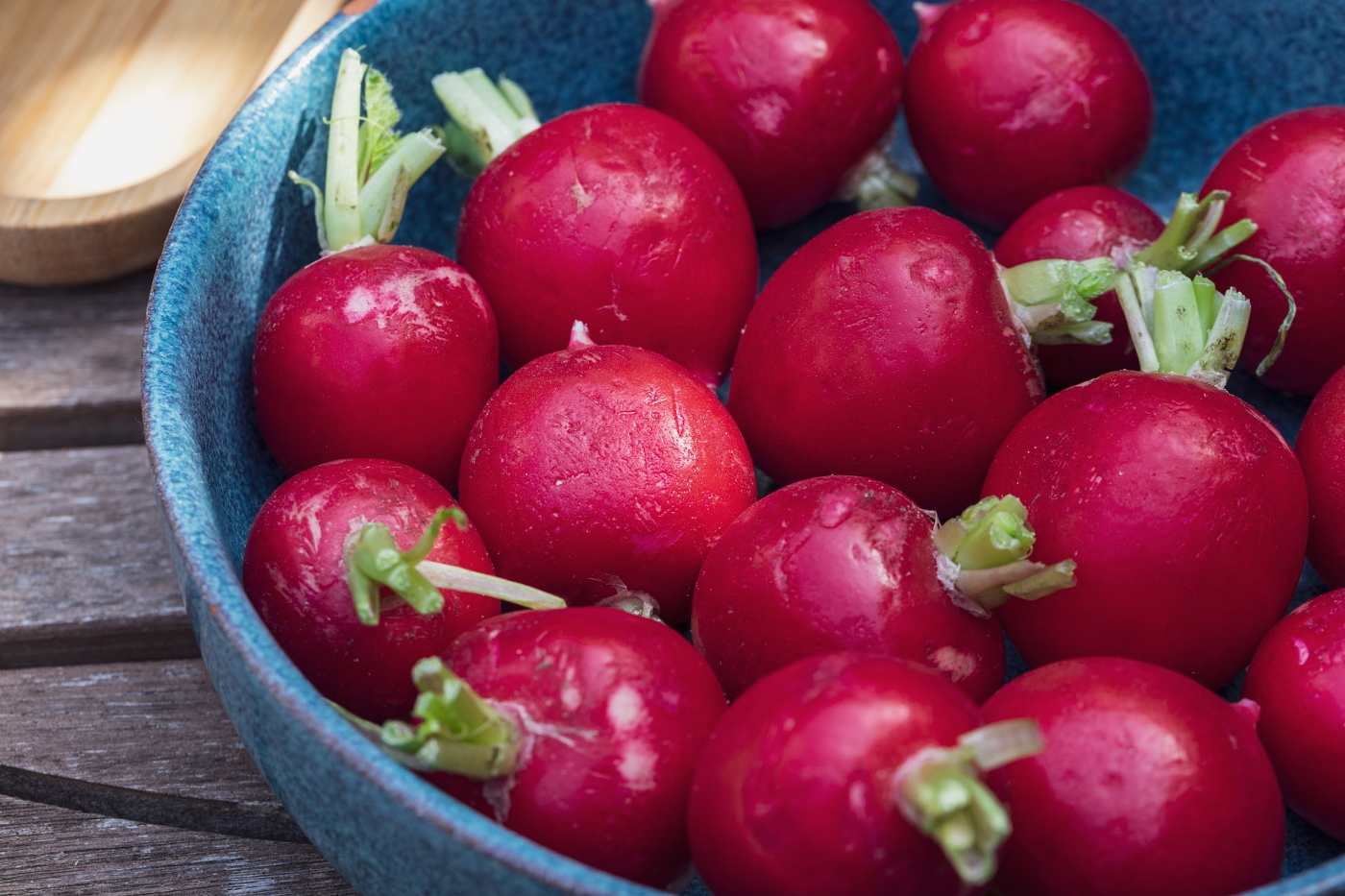
These are a type of vegetable that is often grown for their leaves, as well as their roots. The leaves of the radish plant are edible and have a peppery flavor. Radishes are also a great source of vitamins A and C.
Radishes are a fast-growing crop, so you can expect results in three to five weeks. When growing radishes, keep the soil moist and fertilize regularly. You can also start growing radishes indoors a few weeks before the last frost date.
5. Kale
This type of vegetable is often grown for its leaves, which are packed with nutrients. Kale is a good source of vitamins A, C and K. It’s also a good source of calcium and iron.
Kale is a cool-weather crop, so plant early for best results. Like spinach, it prefers moist soil and regular fertilizing. You can also start growing kale indoors a few weeks before the last frost date.
6. Cherry Tomatoes
For you to grow tomatoes indoors, look for a variety that is bred specifically for indoor growing. These varieties are usually smaller than the ones grown outdoors. When growing cherry tomatoes indoors, make sure to provide plenty of light. Tomatoes need at least eight hours of sunlight per day. You can also grow lights to supplement the natural light.
If you grow tomatoes outside, be aware that the hardening process is vital for healthy tomatoes because it helps the plants transition from indoor environments to outdoor ones. This process helps the plants acclimate to the new garden and helps them thrive.
The hardening process typically takes place over 7-14 days. During this time, the plants are slowly exposed to the outdoors. They are first placed in a shady area for a few hours each day. The amount of time they are exposed to the outdoors is gradually increased until they can stay outside all day.
7. Peppers
Peppers are a warm-weather crop, so they need to be started indoors. Peppers can be started from seed or transplants. If you are starting them from seed, plant the seeds in peat pots that are at least 3 inches wide. You can place the pots on a heat mat to warm the soil.
Peppers must be transplanted into larger pots when they have two sets of true leaves. Peppers can also be planted directly into the ground when the weather is warm enough. Make sure to provide them with plenty of sunlight and water them regularly.
8. Cucumbers
Cucumbers are a good source of vitamins C and K. The cucumber plant is a vine, so it will need more room than many of the other vegetables on this list. A trellis or a fence can be helpful in training the plant to grow vertically and thereby saving on space.
When it comes to cucumbers, provide plenty of water and fertilize regularly. The plants also need support, so the fruits don’t sag and break. Choose a stronger wire trellis over mesh or string.
9. Beets
Sow seed 1/2 inch deep, 4 inches apart in moist, well-drained soil high in organic matter—full sun to part shade. Beets can be started indoors or directly seeded outdoors. For an earlier harvest, start seeds indoors 4-6 weeks before the last frost date.
Sometimes, it’s good to soak the beet seeds in water for a day before planting to encourage germination. Beets grow best in loose, well-drained soil high in organic matter. The soil should be amended with compost before planting.
Urban gardens are a great way to grow your food. With a bit of planning, you can grow a variety of vegetables. These vegetables are relatively easy to grow and don’t require a lot of space, so give them a try.
Feature image: Zoe Schaeffer; Image 1: Dim Hou