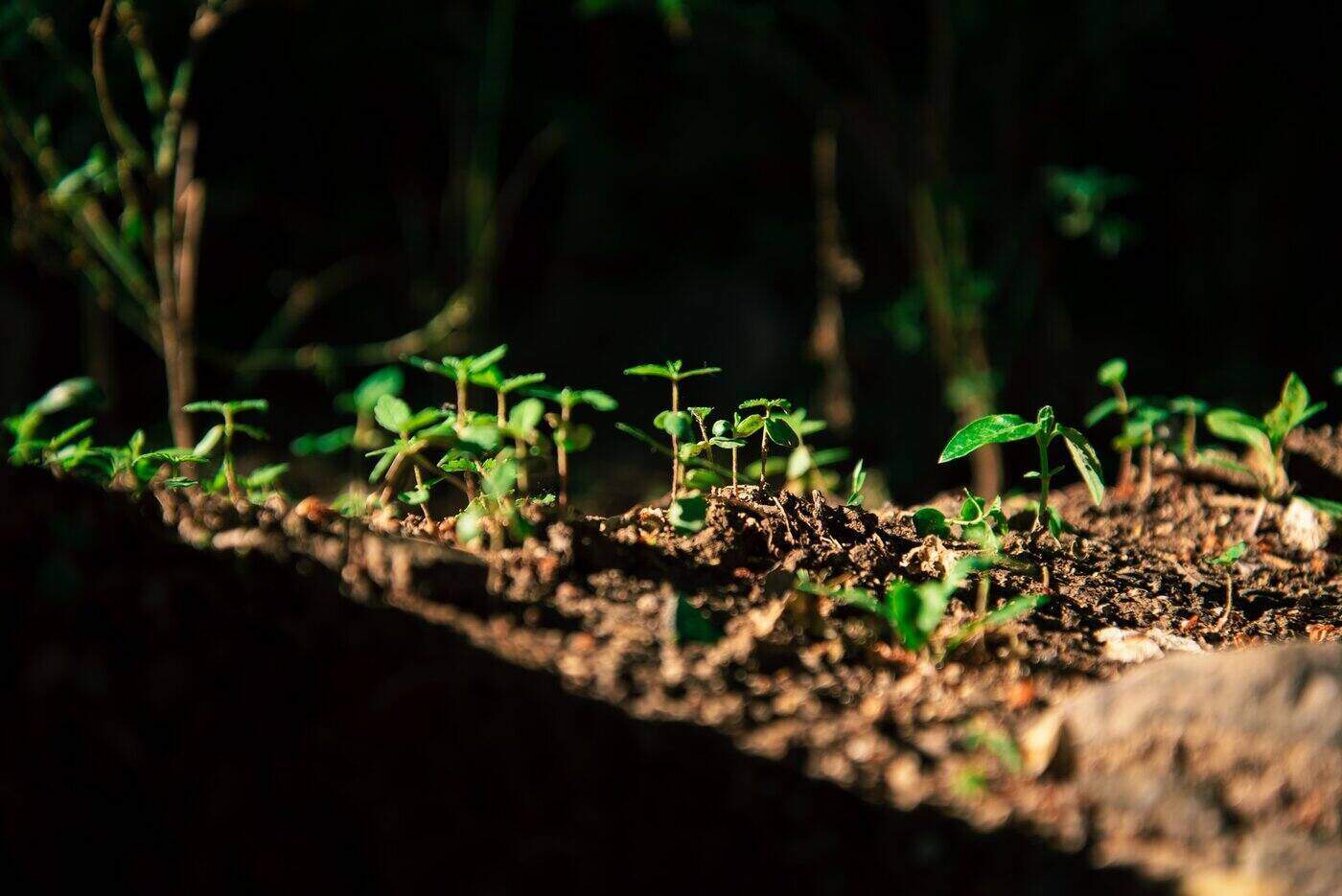
If your outdoor plants are not thriving, they may not be getting enough sunlight. Though relocating them from a shaded area to a sunnier area of your garden is the preferred route, that option may not always be possible. In that case outdoor grow lights are one solution that can provide that much-needed sunlight.
Though it can be costly to run grow lights, especially when you’re comparing it to the free light that the sun provides, if you have no other option for your precious plants, it’s an option worth looking into.
So if you’re on the fence about whether you should get outdoor grow lights for shady areas of your garden or for winter use, having a look at these benefits will help you decide.
1. Faster Harvest Cycle
Plants grow best if they receive adequate sunlight. Sadly though, in high or low latitudes they might not receive enough – and that lack of sunlight is compounded greatly when they’re located in a shaded area of the garden. However, the “sun” does not set with grow lights, and the plants will continue to thrive even with the passing of the daylight. With grow lights, plants will grow faster even in the shade, resulting in a faster harvest cycle.
There are different kinds of grow lights you can choose from. Two of the most popular types of bulbs for grow lights are Light-Emitting Diode (LED) bulbs and traditional High-Intensity Discharge (HID) lamps. LED grow lights are suitable for almost any space and they also produce less heat to avoid damaging your plants.
2. Accurate Spectrum
Get the Green Building Project Checklist
Use this handy checklist on your next project to keep track of all the ways you can make your home more energy-efficient and sustainable.
The light’s spectrum must optimize the potential of your plant. In certain light wavelengths and wavelength proportions, effects such as growth rate, stretching, and photoperiodism also occur. For years, standard illumination methods, whether through metal halide, high-pressure sodium or fluorescent, have restricted plant growth and reactions.
LEDs have an advantage to traditional HID spectrums because HID grow lights usually produce less and poorer quality color rendering compared to LED grow lights. In lighting technology, this is a big leap forward – grow lights now enable growers to gather different plant reactions, such as growing new leaves or sprouting harvest, depending on the intensity and wavelengths.
3. Eco-Friendly
A highly regulated plant environment can be attained by powering your plants with grow lights, which dramatically reduces the need for pesticides and chemical treatments.
It’s also possible to fully recycle LED grow lights, making them a more environmentally friendly alternative to HID lights. HID lights include relatively large mercury quantities, mostly when burned, which can be very harsh for the environment. These dangerous substances don’t exist in LED grow lamps, ensuring that you and your plants face no harm.
Apart from their outstanding luminous efficacy, LEDs are great bulb options for grow lights because they are durable, lasting for ten years or longer without repair or replacement. Unlike HID bulbs, which need to be replaced every few thousand hours, these diodes don’t need to be replaced regularly after installation. Buying bulbs less often results not only in cost savings but in less waste.
4. Less Heat Emission

The UV, IR, direct sunlight, heat and other lighting components can be too extreme for some of your plants. Some plants are burned by the harsh sun, and the browning of a plant’s leaves is a sign of this issue. More energy and water should also be given to these plants so that they don’t die. However, when you use grow lights, you can adjust their heat to the right amount without decreasing the wavelength plants need.
Optimal environmental conditions are essential for plant growth and fertility. Extreme temperatures will strain your crops, triggering slow growth, withering and dying, even if they only experience these harmful conditions for a brief period.
Grow lights have a distinct edge compared to other lighting alternatives as they emit far less heat. Too much heat will damage plants, hinder their maturity or diminish their growth. LEDs run cooler than HID bulbs, streamlining ventilation processes and costs, as well as lowering harmful environmental impact.
5. Better Proximity
Due to their low heat power, you can place grow lights nearer to your plants compared to traditional HID bulbs. You can place grow lights even a few inches away from the plant. This is useful for plant owners with limited height in their gardens where the lights can be mounted.
The size and height of grow lights help the lights reach a plant’s canopy with maximum light. Depending on your grow light’s photosynthetic photon flux (PPF), the fittings can be mounted closer to the plants so that you can follow the manufacturer’s guidelines on the correct distance between the grow lights and plants.
Be mindful that the mount’s shape and light’s intensity must determine how close your plants should be to the device. If placed on top of a plant canopy, smaller box-shaped grow lights work better, allowing light to diffuse until the plants are reached. Grow lights with large beams will allow you to put the light nearer to plants. If the light needs to be farther away from your plants, you should install grow lights with shorter beam angles.
6. Modular Designs
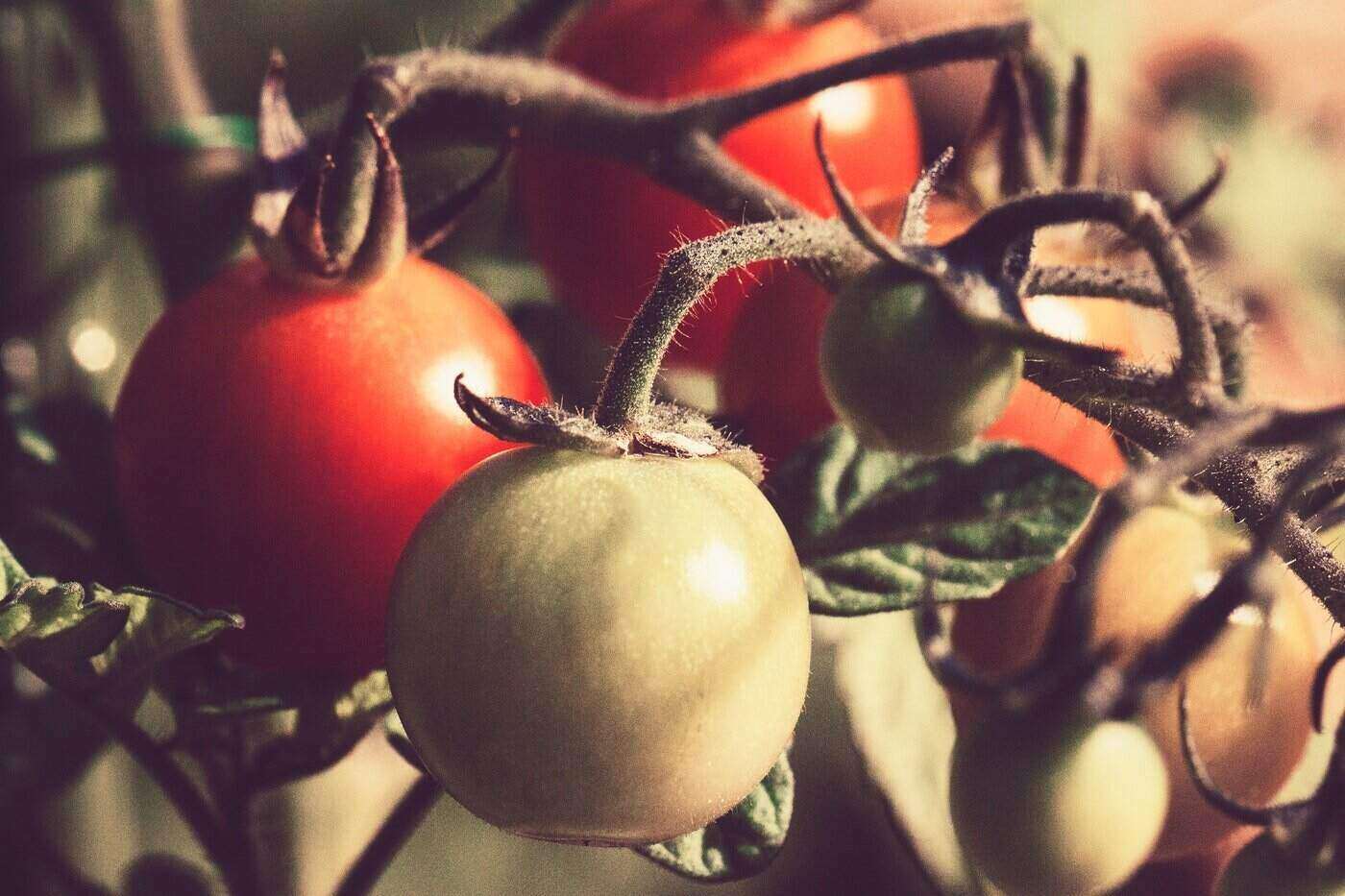
If you’re looking for a cost-efficient addition to your garden, grow lights are one of your best options. You can choose grow lights that will best suit your garden from among many shapes and sizes. They can add to the overall design of your space while providing your plants with the light they need.
Another benefit of using grow lights is that they’re more flexible in design and technology than other alternative lighting approaches. Many LED growth panels are flexible, and components can be switched with new features within the panel, including PCB boards, lenses, drivers and fans. It’s essential for greenhouse lighting since you can easily modify the placement of your lights according to the area and height of your greenhouse.
Recommended Outdoor Grow Lights
We recommend Vivosun grow lights if you need to provide light to plants in winter or in shady areas. They are full-spectrum LED lights that are energy efficient, high quality and affordable.
These 15W bulbs deliver abundant light while conserving energy. They provide full spectrum light that mimics the sun, covering the spectrum from 380nm to 780nm and enriched with 660nm deep red light and 460nm blue light. The lights can also be safely left out in the rain as they have an IP44 waterproof rating.
Takeaway
Plants need plenty of bright light; they become frail and wilted when light is insufficient. During the winter season when there’s minimal sunlight, and especially in shady areas of the garden, plants don’t always get the amount of light that they need. For the cultivation of many plants, including houseplants like orchids and even some fruit and vegetables, grow lights can serve as an alternative light source to ensure your plants survive and thrive.
Feature image: Xiaocong Yan; Image 1: Kaboompics .com; Image 2: Tima Miroshnichenko; Image 3: Dominique Knobben