
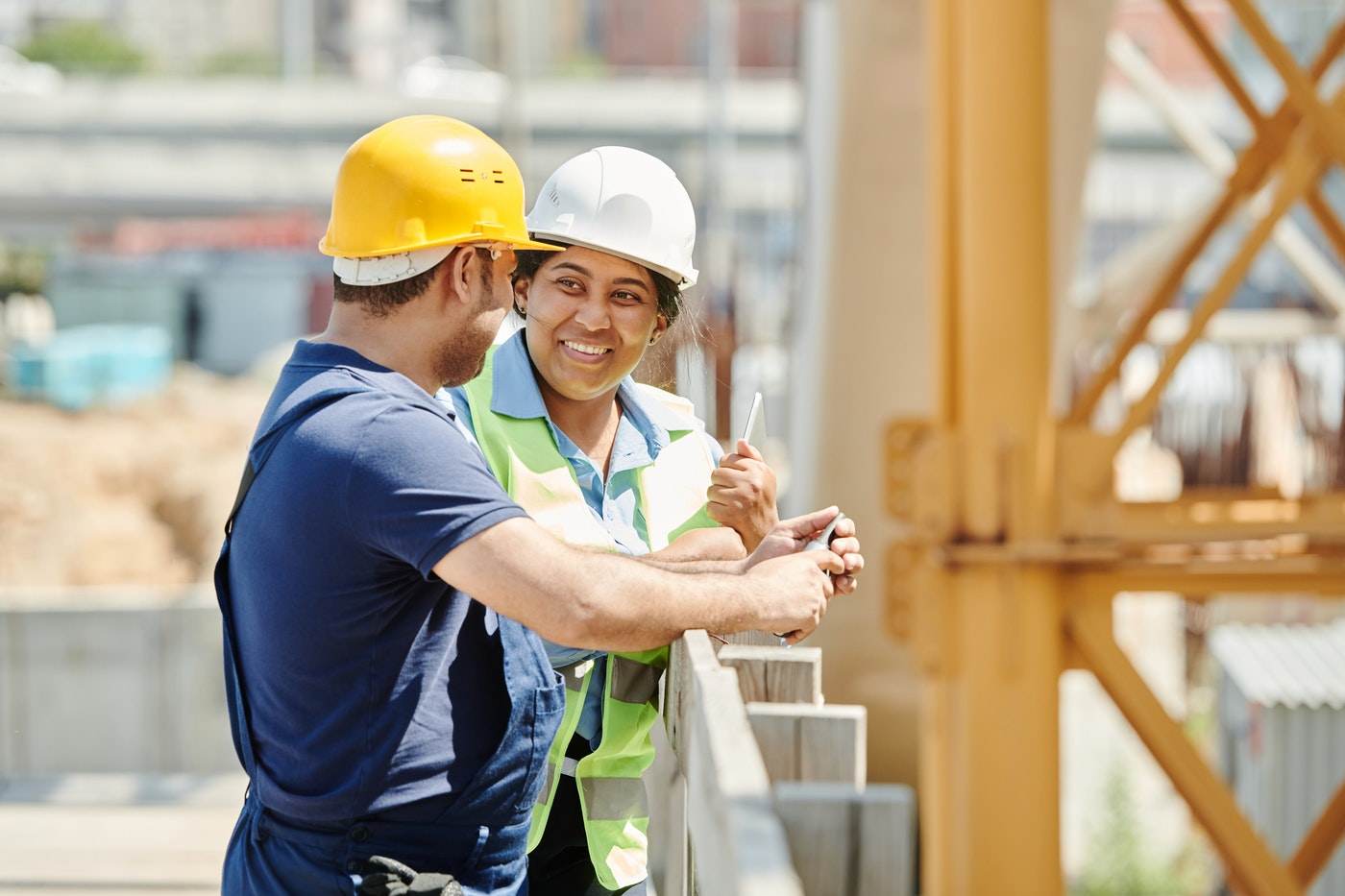
As the world becomes increasingly aware of the need to take action against climate change, more and more people are turning to green building methods. But what is a green builder? A green builder is someone who uses sustainable construction methods to minimize the environmental impact of their buildings.
One of the most important aspects of sustainable construction is the circular economy. In this blog post, we will discuss the benefits of a circular economy for green builders and how you can incorporate the principles of a circular economy into your own work.
1. Optimizing the Use of Space
One of the benefits of a circular economy is that it helps to optimize the use of space. In traditional construction, buildings are often designed as if they will only be used for one specific purpose. However, in a circular economy, buildings are designed to be adaptable and versatile.
This means that they can be easily adapted to changing needs over time. For example, an office building could be converted into apartments or retail space could be turned into spacious suites for working professionals. By designing buildings for reuse, we can make better use of the space that we have and reduce the need for new construction.
Imagine if all buildings were designed with the future in mind. We would be able to save a lot of space and our cities would be far more livable.
2. Reducing the Amount of Steel and Concrete We Need

Get the Green Building Project Checklist
Use this handy checklist on your next project to keep track of all the ways you can make your home more energy-efficient and sustainable.
Another major benefit of a circular economy is that it can help to reduce the amount of steel and concrete used in construction. This is because traditional construction methods often require a lot of these materials to build strong, stable structures. Builders use them for the foundation, the framing, and the exterior cladding.
In a circular economy, however, buildings are designed to use less steel and concrete. This is because they are often constructed using modular, prefabricated components. These components can be made from a variety of materials, including recycled plastic, wood and even bamboo.
In addition, they also use timber, a renewable resource that can be grown and harvested using sustainable practices. By using less steel and concrete, we can reduce the environmental impact of our buildings.
3. Increasing the Use of Recycled Materials
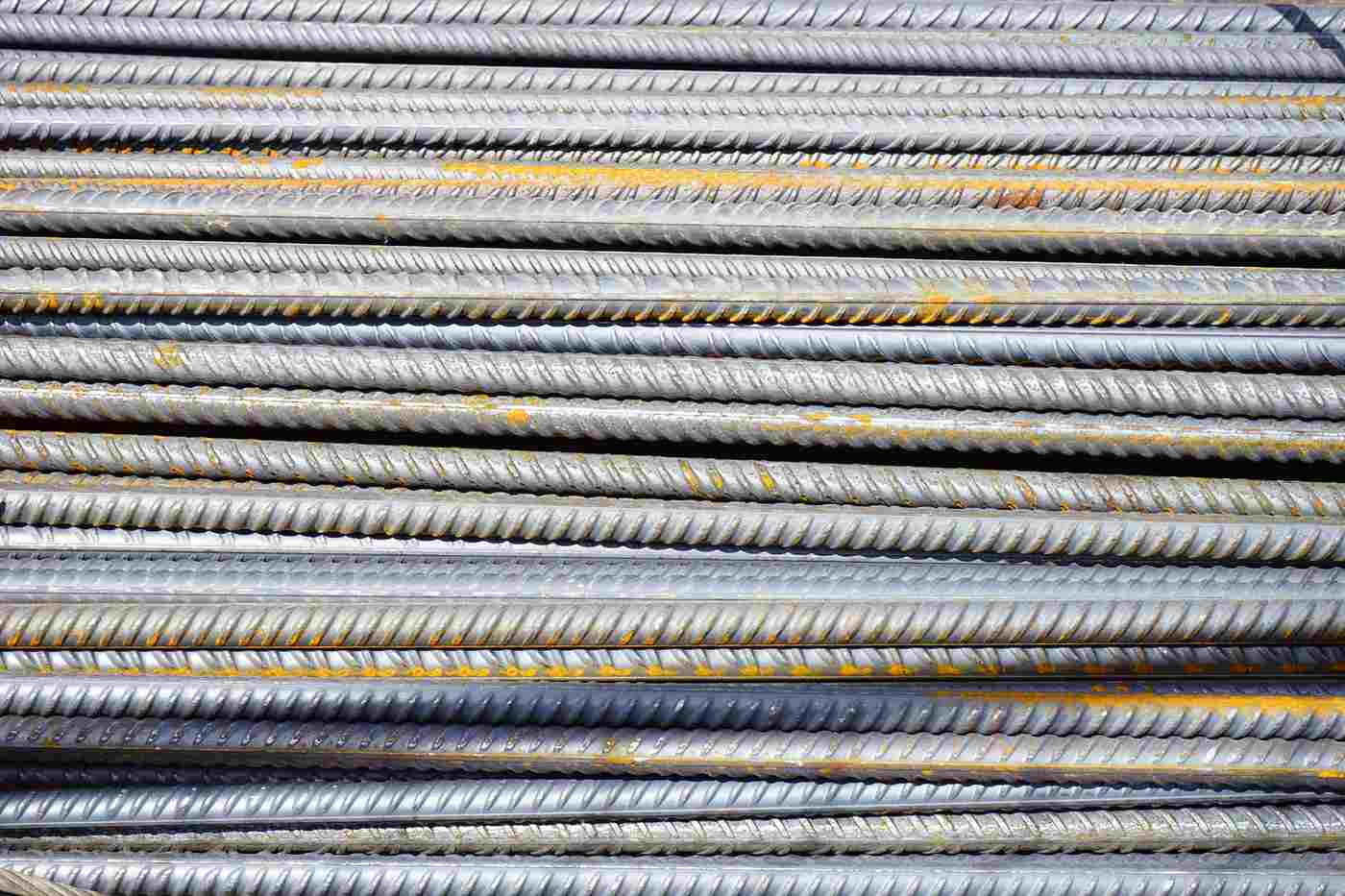
In a circular economy, there is an increased use of recycled materials. This is because one of the goals of a circular economy is to close the loop on waste.
In traditional construction, waste is often seen as something that needs to be disposed of. However, in a circular economy, waste is seen as a resource that can be reused or recycled. For example, construction waste can be used as aggregate in concrete, or it can be recycled into new building materials. It can also be used to create energy or to fertilize the soil.
Previously, waste was seen as a liability. However, in a circular economy, it is seen as an asset. By using recycled materials, we can reduce the need for new resources and help to close the loop on waste. In addition, we can also save a lot of money.
4. Making Better Use of Existing Buildings
Another benefit of a circular economy is that it encourages the renovation of existing buildings. In traditional construction, buildings are often seen as disposable. Once they reach the end of their useful life, they are demolished and replaced with new buildings. However, in a circular economy, buildings are designed to last for generations.
This means that they can be easily renovated and adapted to changing needs over time. For example, an old office building could be converted into apartments or retail space could be turned into a community center. This is because a key principle of a circular economy is the idea of waste as a resource. If we renovate existing buildings, we can save money, reduce waste and create more sustainable buildings. In addition, we can also create jobs in the construction industry.
5. Using Sustainable Structural Materials
As we already mentioned, one of the goals of a circular economy is to close the loop on waste. In order to do this, we need to find ways to reuse or recycle materials. One way to do this is to use timber as a structural material for our buildings.
Timber is an environmentally friendly material when sourced from sustainably managed forests. For example, in Canada, there are three third-party certification systems: the Canadian Standards Association (CSA), the Forest Stewardship Council (FSC) and the Sustainable Forestry Initiative (SFI). Their labels assure builders that timber from certified forests can be used in a circular economy while limiting damage to the environment.
In addition, timber is a renewable resource that can be grown and harvested on a yearly basis. It is also a very strong material. It has been used for centuries to build houses, churches and even skyscrapers. When timber is used as a structural material, we can reduce the need for steel and concrete and create more sustainable buildings.
6. Improving Efficiency
One last benefit of a circular economy is that it can help to improve efficiency. In traditional construction, there is often a lot of waste. This is because construction materials are often cut to fit the specific dimensions of a building. However, in a circular economy, buildings are often designed using modular, prefabricated components. These components can be made to standard sizes, which means that there is less waste.
In addition, modular construction can be done using computer-aided design (CAD) software. This software helps to optimize the use of space and minimize waste. For example, if a modular component is too big, it can be split into two or smaller components. This helps to reduce the amount of waste and makes the construction process more efficient.
And lastly, a circular economy also encourages the use of efficient recycling processes. By recycling materials, we can save money and resources, and help to close the loop on waste.
The circular economy is a key part of sustainable construction. By incorporating these benefits into your work, you can help to reduce the environmental impact of your buildings and create more sustainable structures. In addition, you can also save money and create jobs in the construction industry.
For more information on running a construction site sustainably, visit How Advanced Wheel Wash Systems Reduce a Construction Site’s Environmental Footprint.
Feature image: Mikael Blomkvist; Image 1: Pixabay



The circular economy concept is becoming increasingly important in green building development in Nigeria, as it emphasizes the need to reduce waste and increase the efficiency of resources. In the context of building construction and operation, this can lead to a more sustainable and environmentally friendly approach.
Here are some of the ways that the circular economy can contribute to green building development in Nigeria:
Waste reduction: The circular economy emphasizes the importance of reducing waste and reusing materials as much as possible. This can be applied to building construction and operation, where materials such as recycled building products, and waste reduction strategies like composting can help to minimize the amount of waste generated.
Energy efficiency: By promoting the efficient use of resources, the circular economy can help to reduce the amount of energy required for building operations. For example, buildings can be designed to maximize natural light and ventilation, reducing the need for artificial lighting and air conditioning.
Water conservation: A circular economy approach to building design and operation can help to conserve water. This can include strategies like rainwater harvesting, low-flow plumbing fixtures, and water-efficient landscaping.
Materials sourcing: In the circular economy, the sourcing of materials is an important consideration, as it can impact the sustainability of the building. In Nigeria, building developers and contractors can prioritize the use of locally sourced, renewable, and recycled materials, reducing the environmental impact of transportation and supporting the local economy.
Overall, the circular economy concept can provide a framework for creating more sustainable and environmentally friendly buildings in Nigeria. By reducing waste, increasing resource efficiency, and promoting the responsible sourcing of materials, the circular economy can help to create a greener and more sustainable future for the country.