Bathroom renovations ranked as one of the top three renovations in terms of ROI in 17 Canadian housing markets, including both Toronto and Vancouver. On average they had a return of 62 percent, according to a RE/MAX study.
A bathroom renovation can very much be worthwhile, but they are a significant undertaking that require careful planning and consideration. In this guide to renovating a bathroom we’ll help get you the first step of the way as we cover everything from preparing for the project to the finishing touches.
Carrying Out a Preliminary Audit of the Bathroom
Every partial renovation begins with a thorough assessment of the bathroom’s condition. Such a detailed inspection will help you understand what items you should pay attention to and what plumbing fixtures will still be useful.
For example, the inspection may show that the floor tiles need to be regrouted or removed immediately, while the toilet and sink are still in good condition. Even if you are planning to overhaul the bathroom completely, this is still a useful step because it will give you a good sense of what fixtures and materials can be salvaged instead of demolished.
Preparing for Renovation
Before diving into the renovation, it’s essential to establish a clear plan. Start by setting a budget that outlines how much you’re willing to spend on materials, labour and unexpected expenses.
Get the Green Building Project Checklist
Use this handy checklist on your next project to keep track of all the ways you can make your home more energy-efficient and sustainable.
Define your renovation goals and priorities: are you looking to create a spa-like retreat, maximize storage or enhance accessibility? Research local building codes and permits, as these regulations vary across provinces and municipalities.
Gathering inspiration and design ideas from various sources will help you solidify your vision.
Hiring Professionals vs. DIY
Deciding whether to hire professionals or embark on a DIY journey depends on your skills and time, as well as the complexity of the project.
Professional bathroom renovation services bring expertise, ensure compliance with codes and potentially speed up the process, but increase the costs of the project. On the other hand, DIY renovations offer a sense of accomplishment but require careful planning and a willingneewss to learn.
Research reputable contractors in Canada by reading reviews, checking references and confirming their licenses and insurance. A good first place to start your search is on our directory.
Design and Inspiration
Before starting the technical work, it is worth determining what kind of bathroom design you want to see in the end.
Analyze your own desires and preferences. Go beyond thinking about how you want the bathroom to look – think about how you want to be able to move around the space, how you want it to make you feel and how any guests are going to experience it.
With a clear vision, you can start to work through the practical and financial possibilities and make better decisions about what you absolutely want in your bathroom and what you’re willing to compromise on. The internet is a wealth of inspiration, particularly if you’re on a budget, but don’t forget to also visit brick and mortar stores for inspiration.
Project Plan and Accurate Measurements
Creating a functional layout is the cornerstone of an effective bathroom renovation. Consider the placement of fixtures like the toilet, sink, bathtub and shower to optimize space and flow.
When choosing fixtures, materials and finishes, think about durability as well as aesthetics. A renovation is also great opportunity to incorporate energy- and water-efficient features and eco-friendly materials.
Additionally, if your renovation involves a family member with mobility challenges, integrating universal design elements is crucial.
It is vitally important to take accurate measurements at the planning stage. This will help you to design the future location of the main fixtures correctly, make accurate estimates and purchase the right amount of materials to avoid misunderstandings during the repair process.
Creating a Timeline
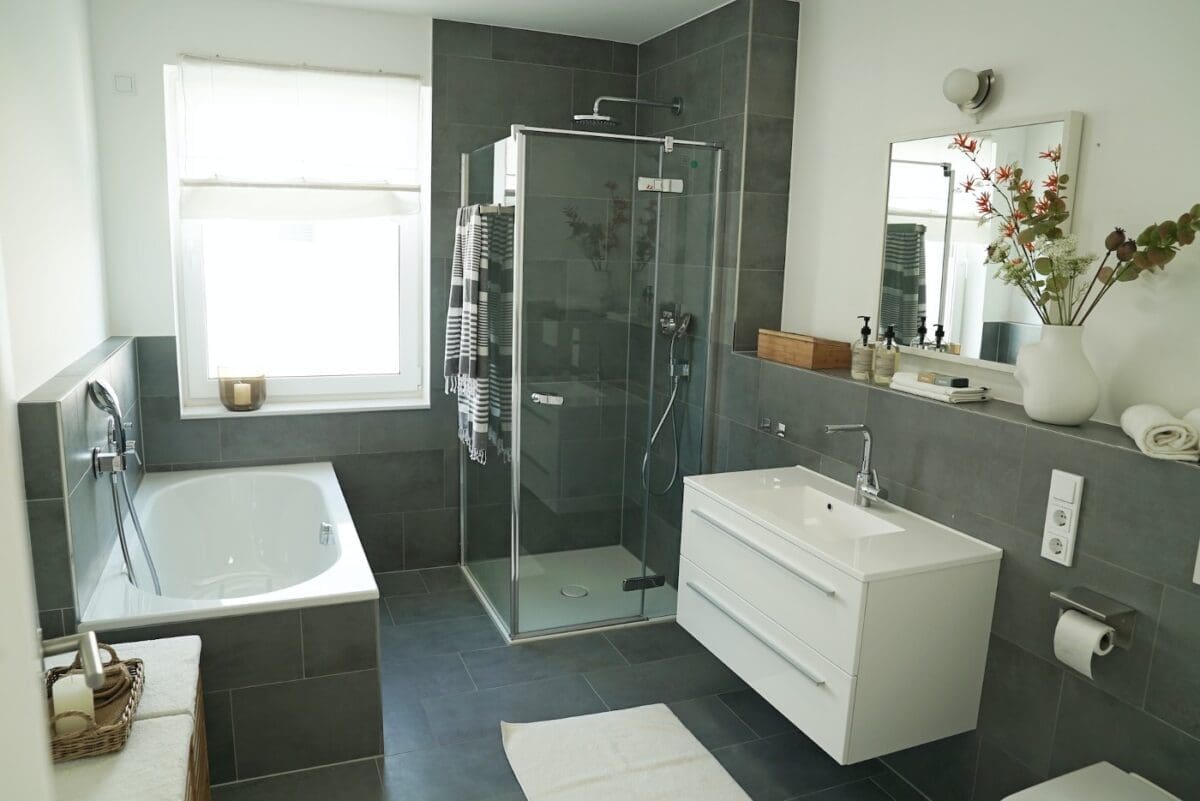
Breaking down the renovation process into phases is essential for managing expectations and tracking progress. Estimate the time needed for each stage, but be prepared for unexpected delays, especially if you live in an area where weather conditions or distance can impact transportation and deliveries.
Deconstruction vs Demolition
With a plan in place, the first step is to carefully remove existing fixtures and materials. Where possible, plan to deconstruct the bathroom rather than demolish it.
Plumbing fixtures, electrical work, tiles from floors and backsplashes can all be reused if taken apart properly. If you don’t have a use for them, you can always donate them to a Habitat for Humanity Restore, where someone else might give them a happy home.
The demolition phase is also an excellent time to check the insulation levels in your walls and top them up, if necessary. Remember to pay special attention to moisture barriers to prevent issues like mould growth.
Plumbing and Electrical Work
Updating plumbing systems and fixtures ensures the functionality of your bathroom. This step requires expertise, as even minor mistakes can lead to leaks and water damage.
Compliance with local plumbing and electrical codes is crucial for safety and legality. If you’re incorporating new electrical outlets or lighting, this is the time to do it.
If you’re at all unsure about your skills as a DIYer, hiring a plumber and/or an electrician for key tasks like removing and/or installing fixtures can save you a lot of time and hassle in the long run.
Proper Ventilation
Adequate ventilation is crucial in Canada’s changing climates to prevent mould and maintain air quality. Given that the bathroom is a moist environment that is used on a daily basis, it is very important to pay special attention to your ventilation.
This will protect the new renovation from potential mould, mildew and other undesirable consequences. In addition, ventilation will keep your overall indoor environmental quality high.
Installation of Fixtures and Materials
Installing new fixtures, backsplashes and flooring transforms your bathroom’s look and feel. Make sure to follow manufacturer guidelines and best practices for installation to ensure longevity.
If you’re adding cabinets, countertops or mirrors, consider their sustainability, in addition to how they fit into the overall design. Finishings like vinyl flooring and MDF cabinets are cost-effective and readily available options, but try to go beyond when you’re shopping.
Refurnishing second-hand wooden cabinets, for example, or sourcing an antique sink can lend your bathroom design unique touches while minimizing the amount of new materials needed to get your bathroom up to snuff.
Finishing Touches
After the major components are in place, it’s time for the finishing touches. Painting walls and adding decorative elements like mirrors and accessories bring your design vision to life.
It is small details such as decorative mirrors, bathroom rugs, a towel holder or a stylish soap dish that will help make your bathroom not only practical but also cozy and lovely. Shop second-hand and vintage stores, or repurpose items to make your renovation greener.
Final Inspections and Approval
Before celebrating your newly renovated bathroom, schedule necessary inspections to ensure that your project complies with local regulations. Also, check that every element of the bathroom is functioning well.
This is especially true for the toilet (including the water drain), sink and other plumbing. Address any adjustments or corrections required by inspectors promptly.
Maintenance and Upkeep
To preserve your investment, regular and proper maintenance is key. Keep an eye out for common issues like leaks, mould and grout deterioration. Clean the entire bathroom using green cleaning products. By addressing problems early, you can prevent more extensive damage down the line.
Feature image: Sanibell BV; Image 1: Jana Heinemann