Foundations and Flood Safety
Learn How Slab on Grade Helps Reduce Flood Risk and Discover the Best Methods for Insulating Your Foundation

In this weekly Q&A column, retired builder/building inspector Cam Allen answers readers’ home renovation questions. Have a question? Enter it in the form below.
For the past two weeks I have been answering a three-part question from Tammy, a reader in Western Canada. We have covered renovating and restoring a damp basement. Her final questions are “is a slab on grade a better option when it comes to mitigating flood risk? What is the best way to insulate a slab?”
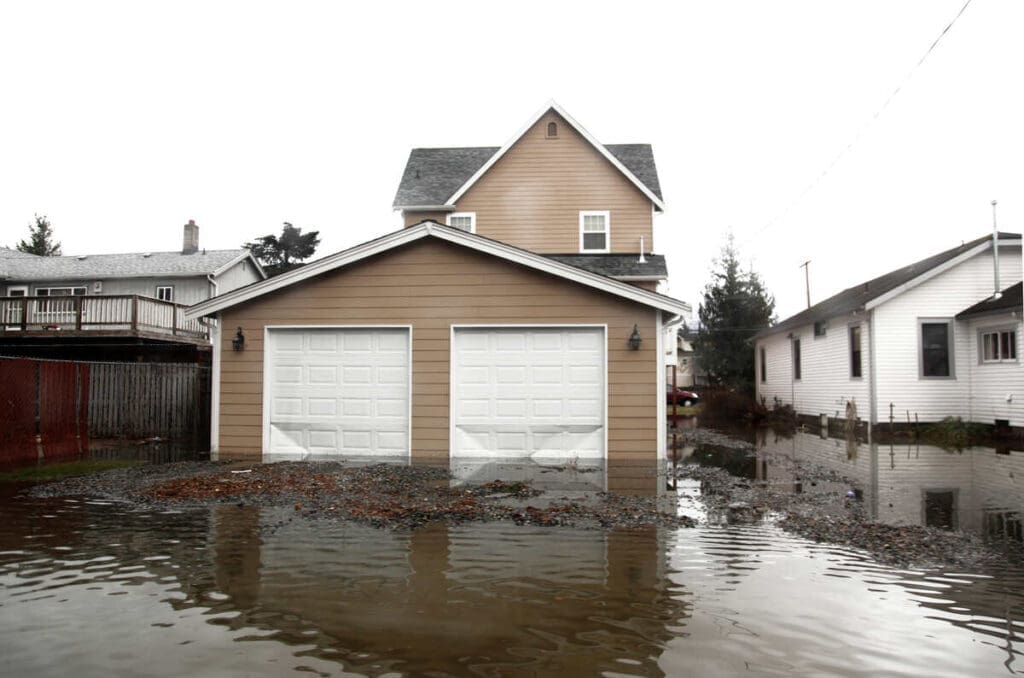
In today’s climate, flood risk is almost impossible to predict. I live in western Ontario and last week we had an intense rain nearby. At my office we got less than 5 mm of rain, an hour away they got over 5 CM of rain in an afternoon. This was the most rain that long-term residents stated they had ever seen at one time. Numerous basements that have never flooded, did.
My answer to the first part of her question is based upon my opinion and experience. I would not recommend a basement to anyone in today’s climate. Second, when building a new home I would pay close attention to the elevation of the home and the surrounding grades with extra attention to proper swales around the home to aggressively redirect an intense rainfall.
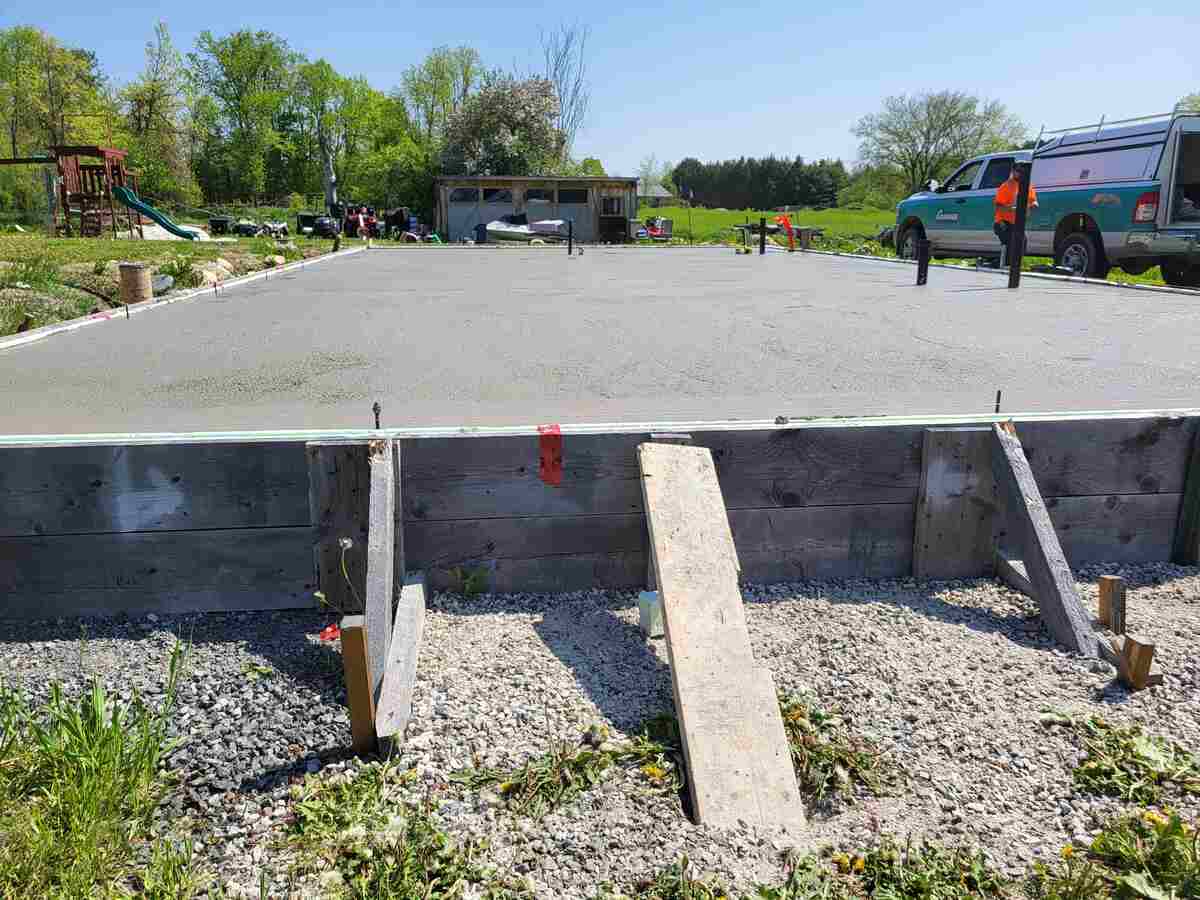
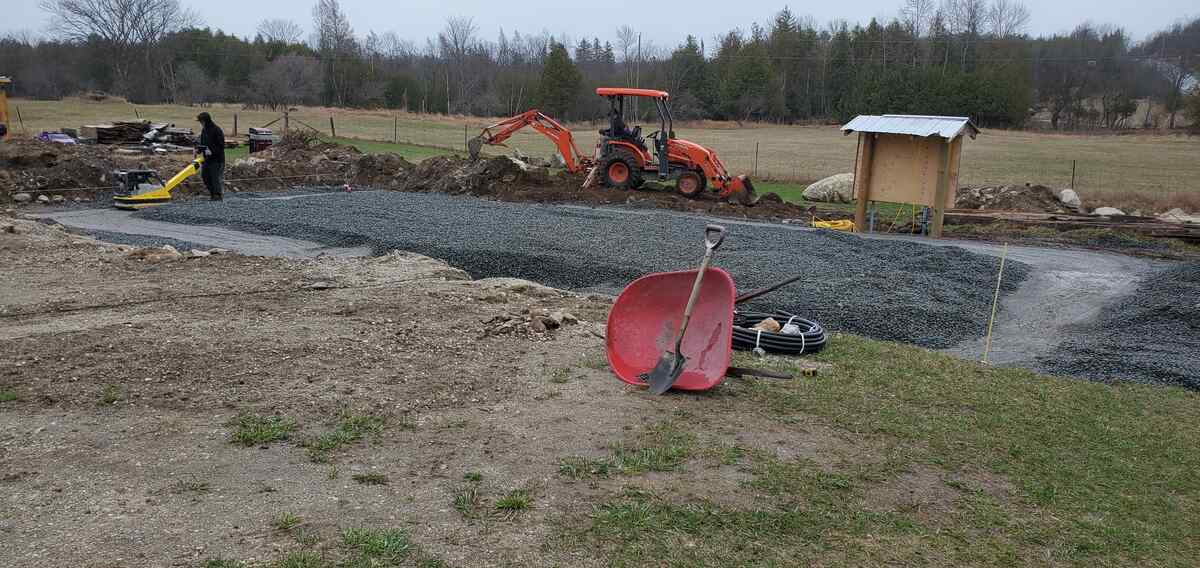
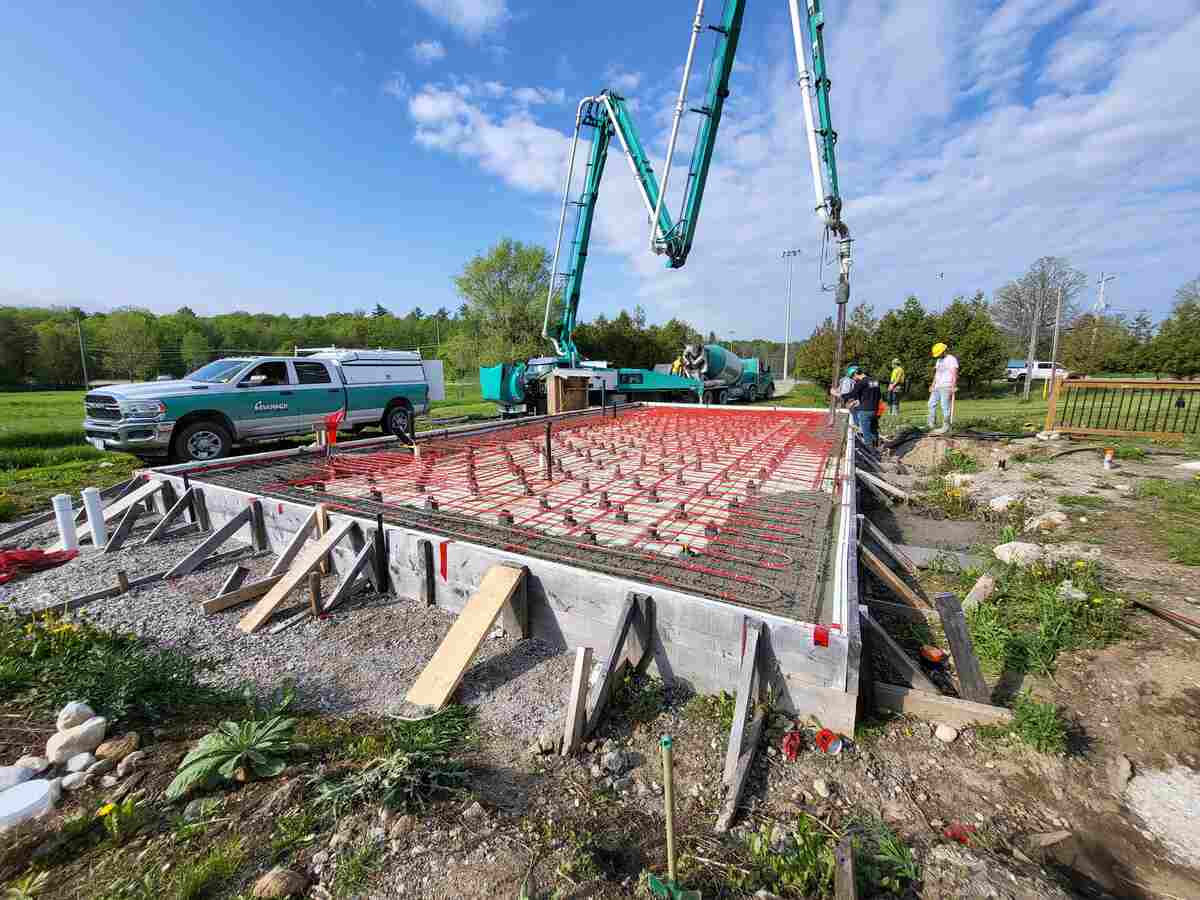
If you have read this column before you know I am co-authoring a book series on homes and the climate. Book 4 in this series is on a couple who are building a climate-resistant home with our guidance and their pad is already installed. (Go to www.fragileshelters.com and click on “book series”). In fact, all the pictures in this week’s column are from this installation. You can see how elevated their concrete pad is, one of my recommendations.
You may hear the term FPSF (Frost Protected Shallow Foundation), which is a not as common reference to a slab on grade or a concrete pad as they are also called. With respect to the best way to insulate a concrete pad, the provincial codes dictate the minimum standards and methods. I always recommend confirming the soil compaction. Sometimes saying it’s “virgin soil” and should be fine is not the answer, verify here. Then have an engineering firm do a thorough compaction test on the base stone once it is properly set. These steps are vital to a successful slab on grade.
Get the Green Building Project Checklist
Use this handy checklist on your next project to keep track of all the ways you can make your home more energy-efficient and sustainable.
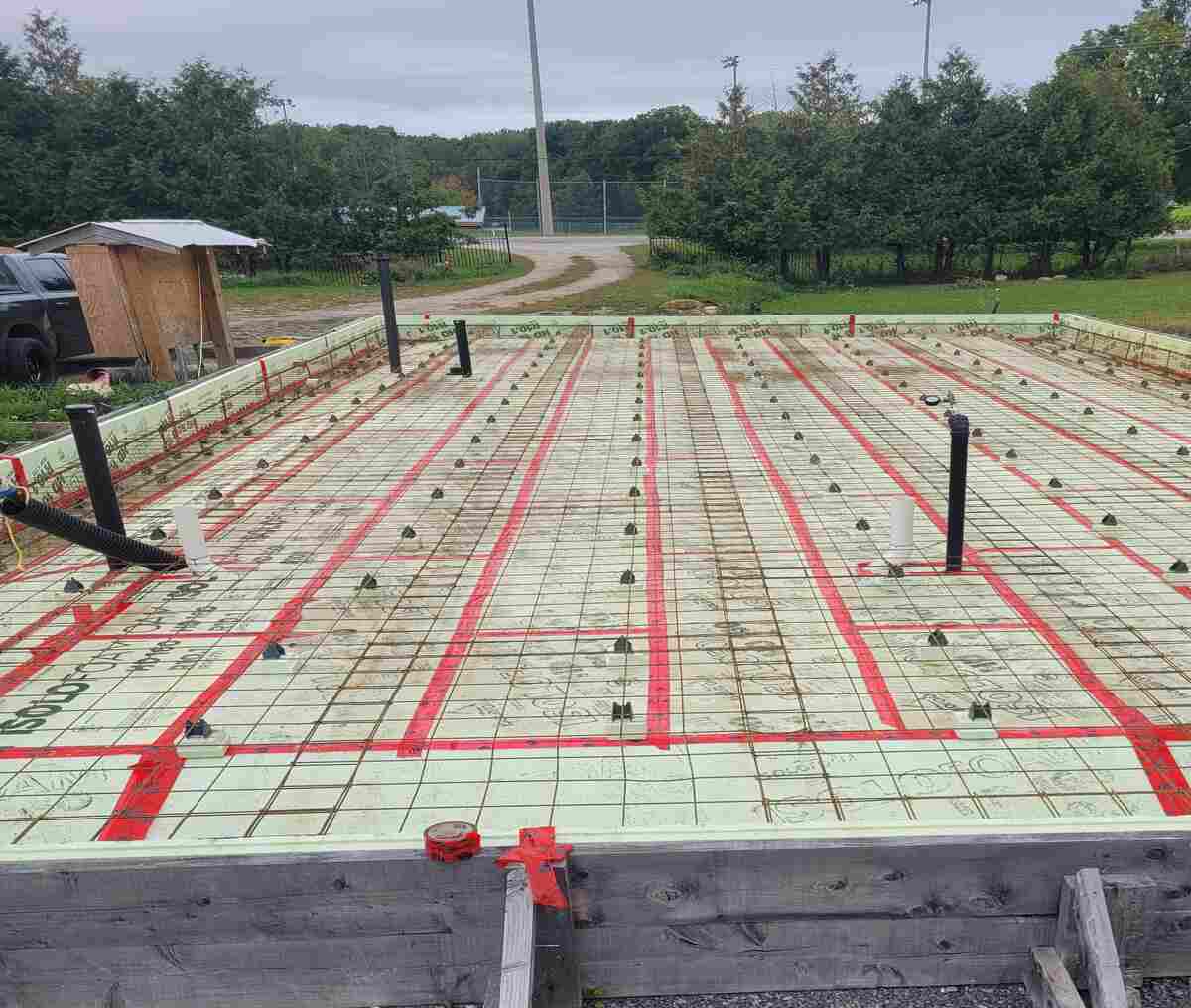
In most applications the minimum insulation under the concrete slab is 2″. I have used high density foam board and doubled this layer for a couple of homes. There are numerous makes of this foam board. I have used four different makes and they all seemed good. We were working off engineered specs – most municipal building inspectors will require this. Each layer of board had the joints taped and the second layer reversed. The last step is a damp-proof membrane which is code required in most locales. I will admit all these homes were going to have in-floor radiant heating, hence the extra layer.
Probably the area I am most picky about is the vertical foam board around the edge of the pad. While 2” is acceptable in most areas, I would never use less than a total of 4” rigid boards for this step. The last step is a horizontal 24” wide 2” rigid foam board set on a 12 degree slope from the vertical 4” board. This board, which will be below acceptable grade, should be set on a compacted base for long-term stability. This step is critical to any slab on grade home as it has a well documented effect on reduction of the frost penetration, thereby helping to stabilize the concrete slab. Heat will flow from the slab and maintain a reasonably constant frost-free temperature under the below-grade rigid foam layers.
For years I struggled with customers who were convinced that a basement was the only way to go and they were concerned about losing all the storage space. It was a valid argument, especially if they were dead set on a bungalow-style home and were resistant to adding a second floor. I was able to convince some to make the detached garage bigger for storage.
I am not a fan of attached garages, I always tried to explain the value of breezeway access for the garage to a potential client. If you ever see the damage to a home from extreme wind that enters an attached garage when the overhead door fails, you will understand this comment. In a column a few weeks from now I will be answering a reader’s inquiry on this issue.
With modern assembly methods, advancements in rigid foam insulation and the clear cost advantages I can see FPSF being the foundation of choice for the upcoming Build Canada Homes program that the Federal Government is proposing. In Scandinavia there are well over a million of these FPSF homes. Some of these homes are over 35 years old. They have learned that with frost conditions similar to ours, it is a stable method of building a home.
Next week we will answer a question from a home inspector in Vancouver about setting renovation budgeting priorities.
Images from Depositphotos
Have a Home Renovation Question?
Write it down below and we’ll get back to you. All questions get answered – every week, we’ll select one for publication in the column.