Is Adding an ADU Worth The Cost and Effort?

In this weekly Q&A column, retired builder/building inspector Cam Allen answers readers’ home renovation questions. Have a question? Enter it in the form below.
For the past three weeks I have laid out a package of information on factory homes, history, type and viability for someone looking for a new home. During this series I got some inquiries about other alternative living spaces including what is now commonly known as an ADU (Accessory Living Unit).
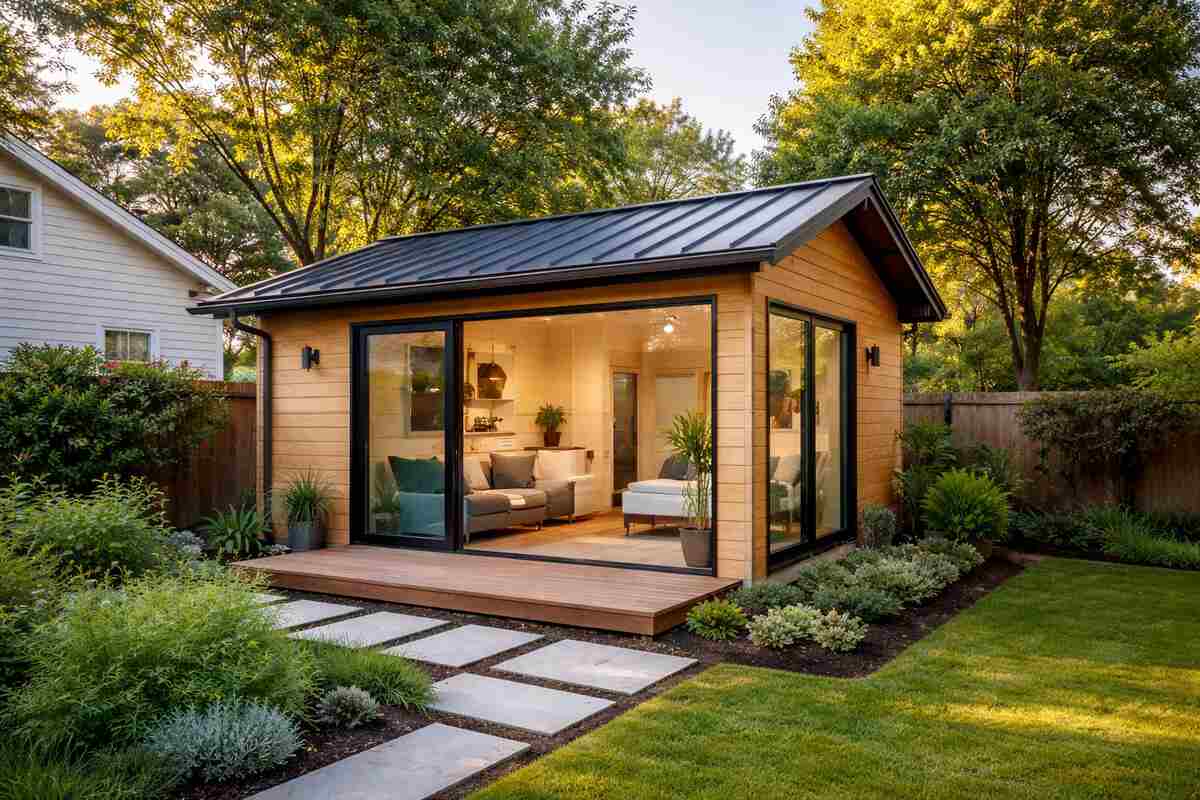
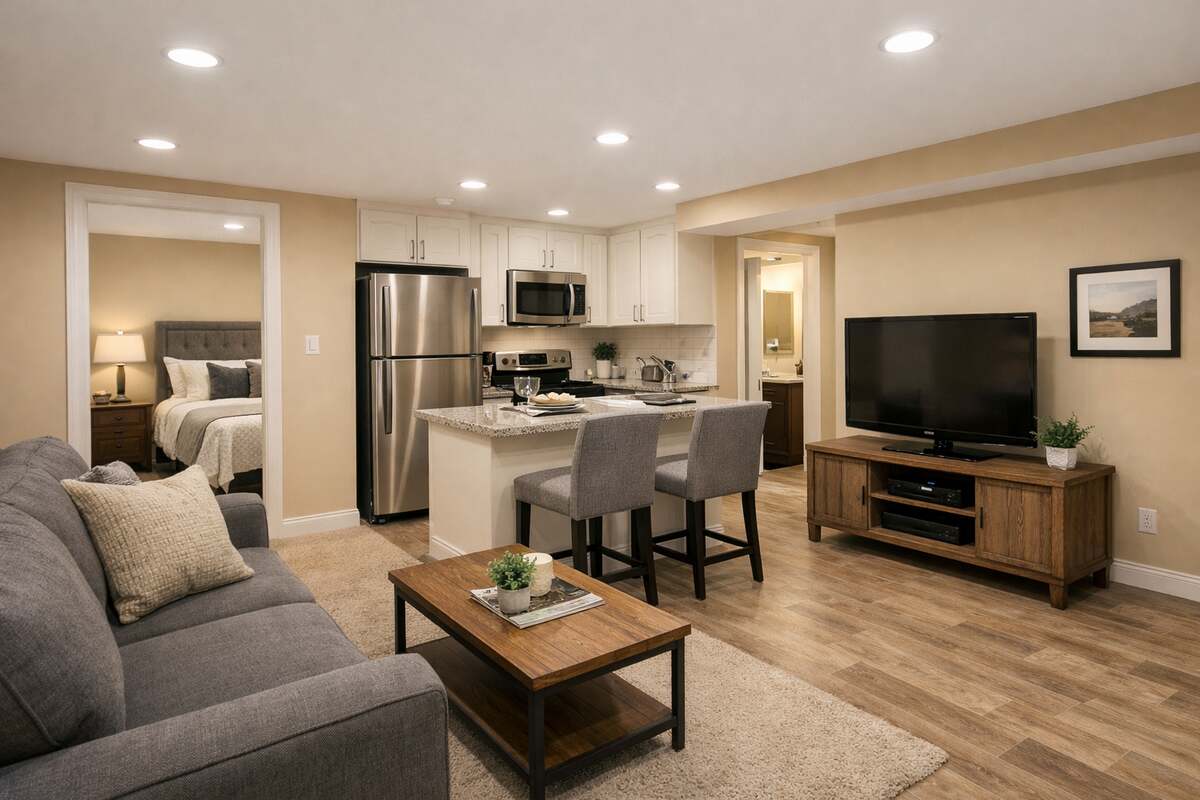
In the past this was often referred to as a “Granny Suite” in the basement of an existing home. The term ADU now applies to any residential occupancy on a lot, either as an addition to the house, detached (eg garden suite) or internal basement. We are going to look at a basement ADU as they are the most common.
In 2019 the Province of Ontario spelled out some guidelines with respect to this type of alternative housing and most municipalities now have standards for this. These are often broken down by districts or boroughs in a city. Quebec has an ADU program for some areas. In Alberta their building code has a section covering secondary suites, as do most of the other provinces. British
Columbia has a guide booklet called “Home..suite…Home” which spells out the process quite nicely.
Plan
Becoming a landlord is not a step to be taken lightly, especially if you occupy the main level of the home. The wrong tenant can cause untold grief. So the first step is to make sure you know who your tenant is. If it’s going to be a family member that makes the ADU step more likely to succeed. That should not be the only consideration however.
Get the Green Building Project Checklist
Use this handy checklist on your next project to keep track of all the ways you can make your home more energy-efficient and sustainable.
I would also look at your overall neighbourhood. Is there a demand for this type of housing, should the family member occupying the space not work out and you have to take a tenant based upon application for rental information.
The vision that renovating a basement can be done by the family handyman should be looked at seriously unless they are skilled in construction. A complete basement renovation needs an experienced hand – you are in effect building a one level home with the exterior walls provided. You will have to get permits and meet building code compliance. Another question to consider is whether you are zoned to permit an ADU occupancy?
Budget
Lastly you must prepare a realistic budget and then add 25 percent for delays and additional costs. While this 25 percent may seem steep to some readers, speaking from experience there are a lot of factors, especially plumbing and electrical upgrades that are often not seen until the concrete floor is opened up or the size of the electrical service confirmed.
Material costs today seem like a constantly fluid factor affecting most building project’s budgets. I have seen a full basement renovation hit the $50,000 mark and this was not a high-end renovation.
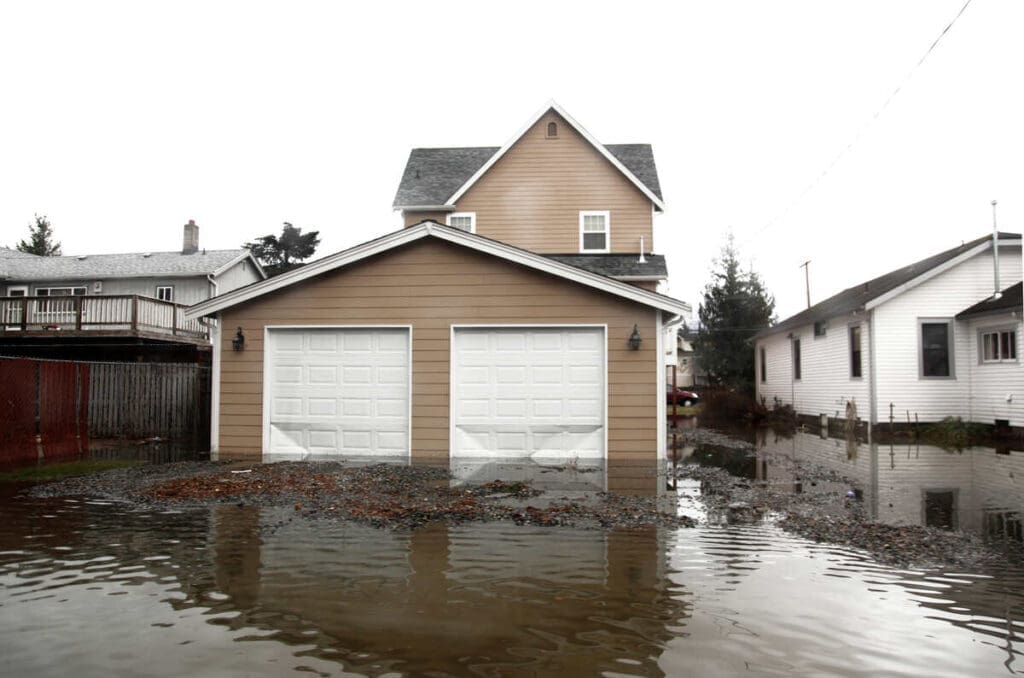
The first governing factor, “Is the basement dry?” and if not that must be addressed first and foremost. Issues with dampness, mould and accompanying air quality issues are an area you do not want to get into, especially with a tenant involved.
Upgrading to either an internal french drain system or a full external foundation waterproofing and weeper system can add anywhere from $8,000 to $30,000+ to a basement renovation, over and above the actual renovation costs.
All of this said, if your basement can be turned into an ADU, the value of your home just increased significantly. In most cases today, the improvement costs can be recovered upon the sale of the home.
Build
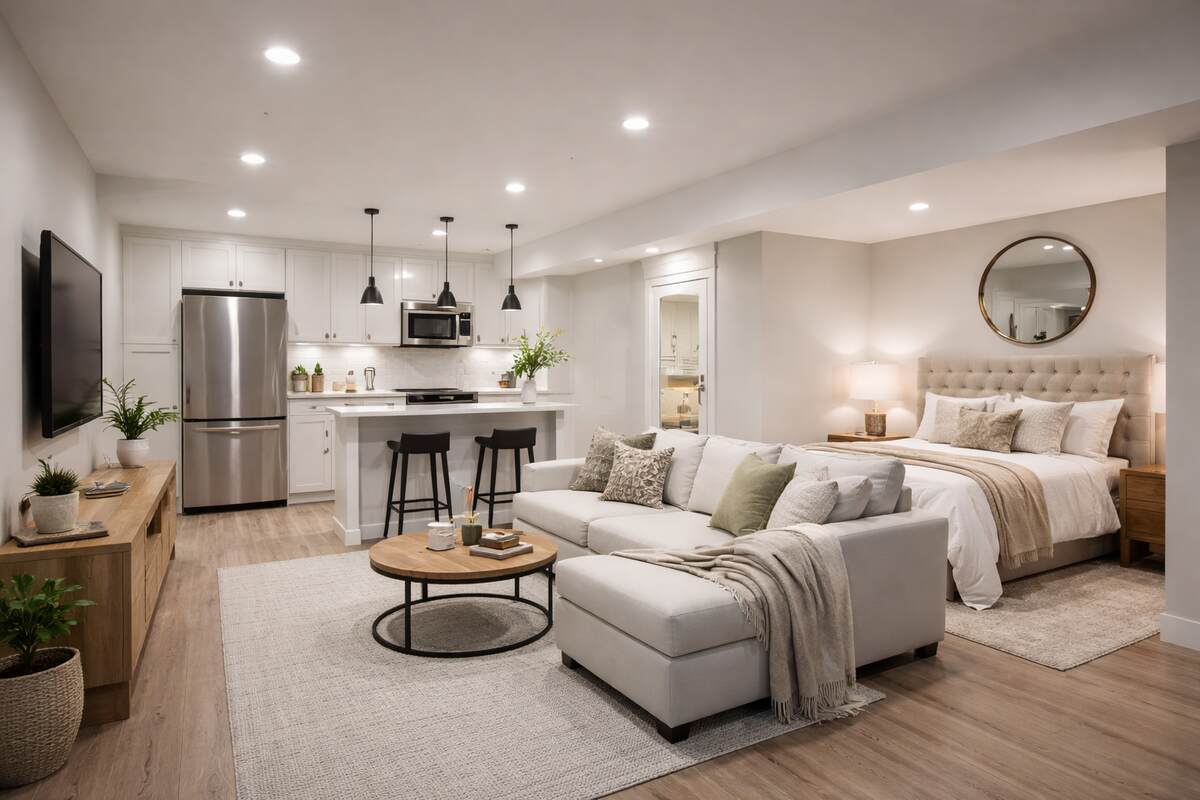
If your basement is viable for renovation, you can handle the budget and meet any regulations then there are some experience based suggestions I can offer. The first step is to completely clear the basement of any clutter and storage. If you are hiring a renovation contractor he will factor in moving your stuff around in his estimate so give him a clean, empty work zone.
Insulate everything: walls and ceilings. On the basement walls use a good grade of rigid foam insulation, snugly fitted directly to the walls, then build frame walls against this foam. I prefer metal studding for basement renovations – give this aspect some consideration as it will make installing the electrical and plumbing a lot easier. It’s unlikely you will be able to separate the electrical or heating costs so any way to help control this expense should be done at the beginning. FULLY insulate the ceiling with Roxul SAFE ‘n’ SOUND hi-density batt insulation and then 6mil barrier the ceiling before installing fire-rated drywall. You will appreciate the sound barrier this will create for your comfort above the unit.
Plan for a separate electrical sub-panel in the ADU so the tenant has access. In most municipalities this is required. When the plumbing is installed, have the plumber put in a manifold style setup allowing the ADU and the main unit to be shut off individually. This whole unit lever style shut off should be clearly marked and accessible. If they have an issue, you do not lose your water supply. On the entire floor, fully cover it with Dricore flooring or similar subflooring before you plan any walls, attach these walls to this subfloor thru to the concrete floor below. Complaints about cold floors and added heating costs are the consideration here.
Stay away from carpet or solid wood flooring. Use a better grade of sheet vinyl or luxury vinyl plank flooring throughout the entire basement. Vinyl is recommended in the bathroom and kitchen areas.
When it comes to the bathroom, use a one-piece or a three-piece shower unit, stay away from tiles. Use waterproof drywall in the entire bathroom. Install a vanity, do not install a wall hung sink of any kind. Select a toilet that is dual flush and instruct your tenant on its use, explain the importance of this. Wire the light to the bathroom fan and don’t offer this separately switched.
In the kitchen for the backsplash, use a good quality flooring sheet vinyl above the kitchen counters, aim for the seams to be in the corners if possible. Install a hood over the stove and if at all possible, vent this outside. Install pleasant but functional lighting and make sure it’s ample for the space and install LED bulbs in all permanent lighting fixtures. A well-lit hallway for example shows the lack of cleaning by the tenant.
An ADU can be an excellent source of income and with the right occupancy a bit of extra security knowing you have someone else in the home for emergencies. If it’s a family member this can also allow the opportunity for social contact with the rest of the family. Taking the time to plan, budget and execute is primary to a successful, long-term value ADU.
WATCH || Major Items To Consider When Building A Basement Apartment or ADU
Images from Depositphotos
Have a Home Renovation Question?
Write it down below and we’ll get back to you. All questions get answered – every week, we’ll select one for publication in the column.