
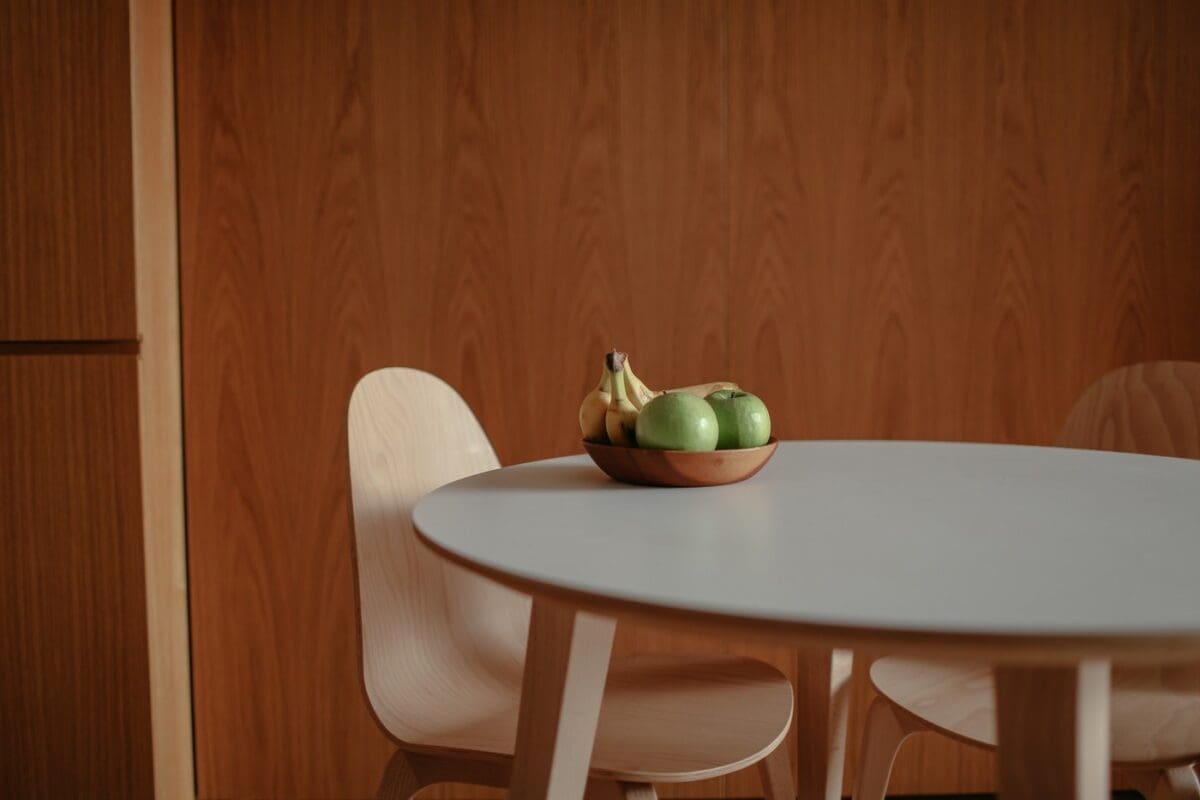
Both wood and bamboo have great aesthetics and can be used to make various furniture items. However, that is not all there is to think about.
The environmental impact goes beyond looks. If you plan on making a difference, it is crucial to understand how sustainable each option is. Here is a look at bamboo vs. wood furniture and which is better for the environment.
Growth Rate
When it comes to the environment, one of the most important things to consider is how quickly you can replenish the material you use. It helps to ensure there is no depletion of resources.
Bamboo is fast-growing and can reach maturity in just three to five years. However, not all types of bamboo are equal. Some species of bamboo are more difficult to harvest and process than others, meaning they can have a larger environmental impact.
When choosing bamboo furniture, it is crucial to look for products made from Moso bamboo. This species is relatively easy to harvest and has a low carbon footprint. Bamboo also regenerates itself without replanting.
Wood, on the other hand, is made from slow-growing trees that can take decades to mature. Forests must be regularly replanted to keep up with the demand for timber products.
But in recent years, there has been a growing movement toward using sustainably sourced wood. FSC-certified wood comes from forests that are managed in a way that preserves biodiversity and protects watersheds. This certification guarantees that the wood used in your furniture has been sourced responsibly.

Get the Green Building Project Checklist
Use this handy checklist on your next project to keep track of all the ways you can make your home more energy-efficient and sustainable.
Durability
You may be wondering what your furniture’s durability has to do with the environment. If a piece of furniture is not durable, it is more likely to end up in a landfill. Additionally, when furniture doesn’t last, manufacturers will harvest more material to make replacements for pieces that do not stand the test of time, which further depletes resources.
So, what is more durable, bamboo or wood? It is a close tie. Both kinds of furniture are solid and durable. However, bamboo has a slight edge over wood. Bamboo has an exceptional strength-to-weight ratio. It can withstand a lot of wear and tear without being too heavy.
The durability of wood varies depending on the type of wood. Some woods, such as cedar and teak, are more durable than others. These woods are less likely to warp or crack over time. In addition, they are more resistant to insects and decay. They are less likely to suffer from wear and tear and will retain their beauty for many years to come.
Harvesting Practices
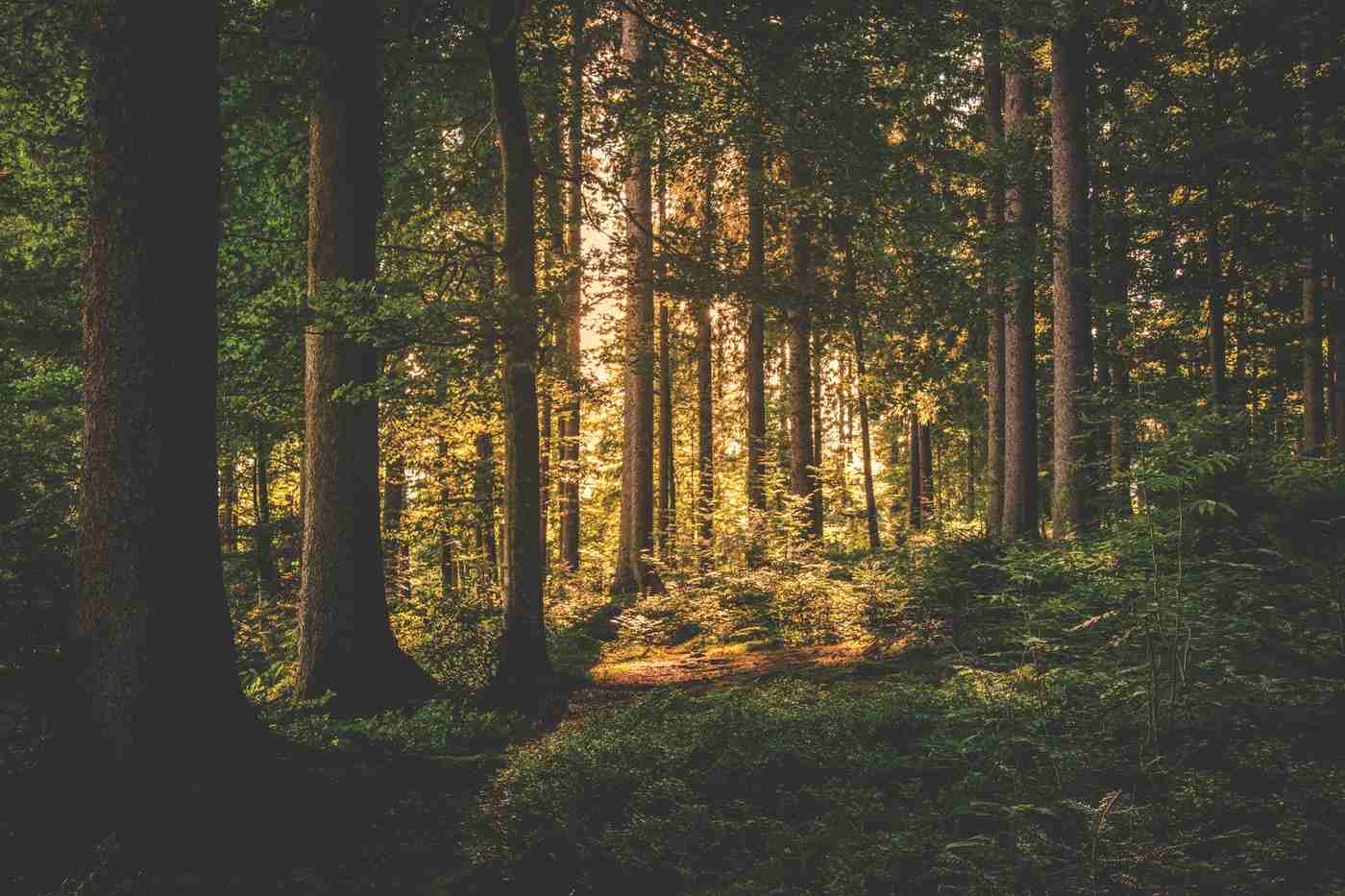
When looking for furniture, it is vital to consider the farming practices used to grow the material. Unfortunately, many forestry companies employ harmful logging practices that damage the environment. For example, some companies use a process called clear-cutting. It involves cutting down all the trees in an area, regardless of size. It harms the environment by causing soil erosion and habitat loss.
Bamboo farms, on the other hand, do not use clear-cutting. This is because some bamboo grows in clumps.
Farmers can harvest bamboo without damaging the environment, although it’s important to look into a company’s supply chain to ensure that the bamboo is being farmed responsibly. Many bamboo farms are located in developing countries. These countries often have less stringent environmental regulations. As a result, they can get away with using harmful farming practices.
Interplanting is common among people growing trees so they can harvest the fruit, nuts, or sap while the trees are still young, something bamboo does not offer. This leaves many gaps in the forest canopy and allows sunlight to reach the forest floor, encouraging grass growth and other understory plants. These new plants can become homes for small animals and provide food and shelter for larger animals.
Emissions
Clear-cutting trees releases a lot of carbon into the atmosphere. Additionally, the farming practices used to grow bamboo can result in emissions. Fortunately, there are ways to offset these emissions. For example, some bamboo farms plant trees to help offset their carbon footprint. And while bamboo emits some carbon when harvested, the amount is significantly lower than the emissions released by clear-cutting trees.
Once bamboo is harvested, it needs to be treated before you can use it to make furniture. The most common way to treat bamboo is by boiling treatment. It helps to remove any toxins that may be present in the bamboo. The process rarely involves any chemicals, which makes it more environmentally friendly.
With wood, emissions can vary depending on the treatment process. For example, some wood is treated with chemicals to make it waterproof. These chemicals can be harmful to the environment. However, there are also some eco-friendly options available. For example, wood furniture is often treated with a natural oil finish.
Recyclability
Recycling is a big part of sustainability. Both wood and bamboo are recyclable. However, bamboo is more difficult to recycle than wood. Bamboo tends to splinter, which makes it difficult to reuse. Wood, on the other hand, can be easily repurposed. For example, old wood furniture can be sanded down and refinished. It breathes new life into an old piece of furniture and extends its lifespan.
On the other hand, bamboo furniture is not as easy to refinish. Luckily, both materials are biodegradable. Bacteria and other organisms can break them down. When bamboo or wood furniture is no longer usable, you can, in theory, add it to a compost pile. Once it breaks down, it can be used as a natural fertilizer for plants.
So, which is better for the environment? Both bamboo and wood have their own pros and cons. Bamboo may be the way to go if you want something more sustainably processed. Wood is excellent if you want something easier to recycle and repurpose. Ultimately, the decision comes down to personal preference. You can read more about the benefits of bamboo and reclaimed wood by visiting 6 Areas of Design to Consider When Mapping Out a Green Building.
Feature image: Cup of Couple; Image 1: Lum3n