Switching to solar energy is a smart way for Ontario homeowners to cut electricity costs while lowering their carbon footprint. Yet, the cost of going solar isn’t one-size-fits-all. Understanding the pricing breakdown is critical to making a sound investment. In this article, we look at what you can expect to pay for a solar panel system in Ontario, including what drives costs, typical installation expenses, and the financial support programs available across the province.
Average Cost of Solar Panels in Ontario
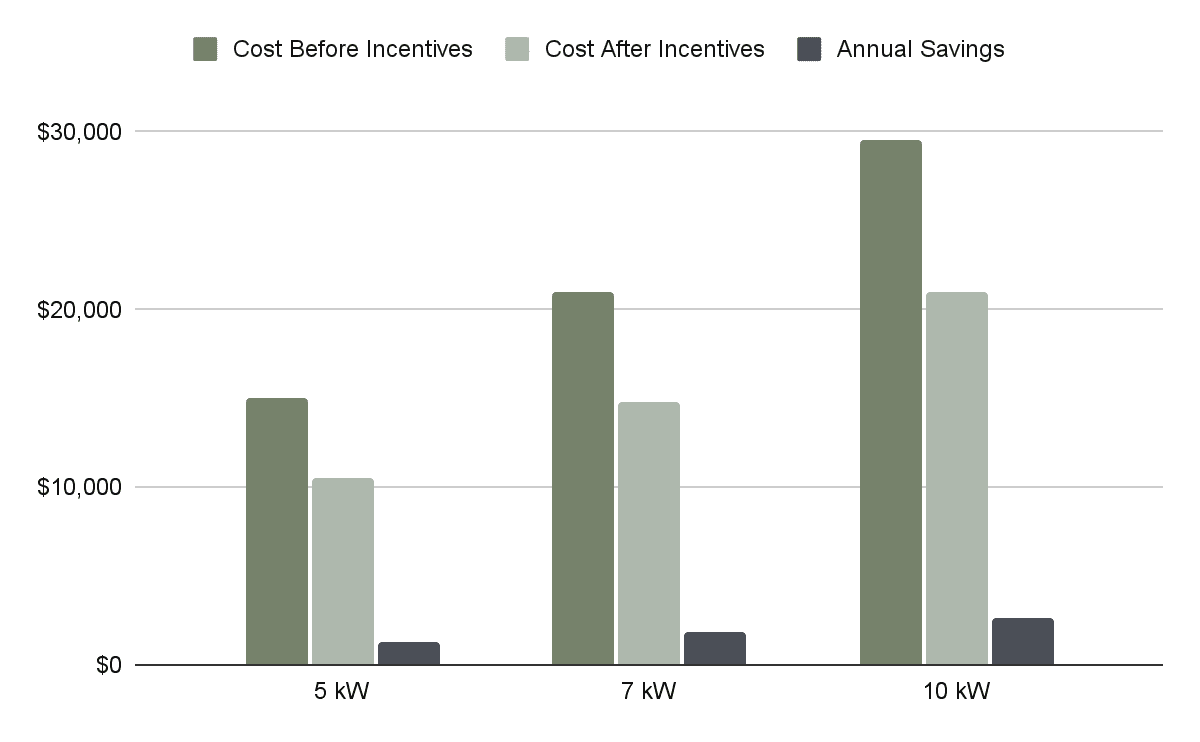
The cost of installing solar panels in Ontario varies based on system size, equipment quality and installation complexities. As of 2025, the average installation cost ranges from approximately $2.60 to $3.30 per watt. That puts a 5kW system at roughly $13,000 to $16,500, depending on roof style, materials, installer rates and location (urban vs rural).
| System Size (kW) | Cost Before Incentives | Cost After Incentives | Annual Savings | Estimated Payback Period |
|---|---|---|---|---|
| 5 kW | $13,000 – $16,000 | $9,100 – $12,000 | $1,100 – $1,500 | 8 – 11 years |
| 7 kW | $18,000 – $23,000 | $12,600 – $17,000 | $1,500 – $2,100 | 7 – 10 years |
| 10 kW | $26,000 – $33,000 | $18,000 – $24,000 | $2,200 – $3,000 | 6 –9 years |
Annual Savings
Annual savings will vary based on area of residence and system size. Ontario Hydro rates average at 15.6 cents per kWh, but it’s important to remember that residential electricity rates fluctuate depending on the season, time of day and day of the week.
Payback Period
The payback period is often shorter for larger systems due to a decreased cost-per-watt efficiency and rising electricity costs.
Get the Green Building Project Checklist
Use this handy checklist on your next project to keep track of all the ways you can make your home more energy-efficient and sustainable.
Average Solar System Costs in Ontario in 2025
Factors Influencing Pricing
Urban vs. Rural Installations
When installing solar PV in Ontario, location impacts overall costs. For example, installation expenses are slightly higher in urban centres like Toronto, Ottawa, Mississauga and Hamilton due to elevated labour costs, greater demand for contractors and more complex permitting processes. Some municipalities require additional inspection steps, engineering reports and application fees for rooftop solar projects, which can add several hundred dollars or more to the final cost. Urban homes can also face constraints related to building height restrictions, rooftop accessibility or historical preservation rules in specific neighbourhoods, all of which can increase installation complexity and price.
In contrast, rural installations in areas such as Grey County, Lanark County or the Kawarthas often come with different logistical challenges. While labour rates may be lower, the travel time and transportation of materials to remote sites can raise overall project costs. If heavy equipment is needed to access a roof on a property with rugged terrain or long, unpaved driveways, additional fees may apply. In off-grid scenarios, homeowners may also need to invest in battery storage systems or more extensive wiring setups, which further increases costs.
Moreover, grid connection infrastructure may differ between urban and rural properties. In some rural areas, older or less robust hydro infrastructure could require upgrades to handle new generation sources, potentially leading to added utility fees or longer timelines for grid approval.
Roof Characteristics
The type, condition and angle of your roof can affect installation complexity and cost. Steep or complex roof designs can add to installation costs in the form of time and the need for specialized equipment.
Shading
Obstructions like trees or nearby buildings that cause shading can reduce system efficiency, potentially necessitating additional or higher-efficiency panels or specialized equipment.
Permitting and Inspection Fees
Municipal requirements vary across Ontario and permitting and inspection fees may impact the total cost of a solar panel installation. These fees aren’t typically included in the overall cost of solar PV installation and are paid in addition. Some municipalities calculate fees as a percentage of the overall project value, while others charge flat rates or per-panel fees. For example, in Toronto, the permit cost is based on the scope of work and project value, with a minimum fee of $206.53 and an hourly fee of $89.22 for examination and inspection activities. Similarly, the City of Hamilton charges a minimum fee of $291 for residential solar installations, and Niagara Falls has a flat permit fee of $371.
HST and Other Tax Considerations
In Ontario, the Harmonized Sales Tax (HST) of 13 percent applies to the purchase and installation of solar panels. While there isn’t a specific HST rebate for solar installations, homeowners may be eligible for the Ontario Energy and Property Tax Credit (OEPTC), designed to assist with energy costs and property taxes. To apply for the 2025 OEPTC, you must file an income tax and benefit return and complete Form ON-BEN.
Insurance Implications

Premium Adjustments
According to thinkinsure, solar panels increase your home’s replacement value, which may lead to higher premiums. It’s advisable to inform your insurer about the installation to ensure adequate coverage.
Coverage Limitations
Some policies may have exclusions or limitations regarding solar photovoltaic systems, such as restrictions in coverage if, for example, their roof leaks. Review your policy details and discuss them with your insurer.
Preferred Providers
Certain insurance companies in Ontario offer more favourable terms for homes with solar installations. Shopping around will help you find the best coverage options.
Notification Requirement
Informing your insurance provider about the installation of solar panels is crucial. Failure to do so could result in denied claims or policy cancellation.
Solar Panel Incentives Available in Ontario
Several programs in Ontario are available to help offset the cost of solar panel installations, but it’s important to note that program details, eligibility criteria and availability can change. It’s advisable to consult the respective program websites or contact local authorities to obtain the most current information before proceeding with any solar panel installation plans.
Federal Incentives
Canada Green Homes Loan – Interest-free loans of up to $40,000 are offered to homeowners undertaking energy-efficient retrofits, including solar panel installations. Homeowners in northern and off-grid communities may be eligible for an additional 30 percent in support to account for higher equipment and labour costs.
Provincial Incentives
Home Renovation Savings Program – Launched on January 28, 2025, this Ontario-wide program provides rebates covering up to 30 percent of total project costs for energy-efficient upgrades. Homeowners can receive up to $5,000 for rooftop solar panels and an additional $5,000 for battery storage systems.
Municipal Incentives
Toronto’s Home Energy Loan Program – Toronto homeowners can access low-interest loans of up to $125,000 to cover the cost of home energy improvements, including solar panels. Repayments are made via the property tax bill and the loan is tied to the property, not the individual.
Ottawa’s Better Homes Loan Program – Like the program in Toronto, the City of Ottawa offers low-interest, 20-year loans of up to $125,000, or 10 percent of the property’s current value assessment, for energy efficiency retrofits, including solar panel installations, the loan is attached to the property, facilitating transfer if the home is sold.
Guelph’s Greener Homes Program – Guelph offers zero-interest loans up to $50,000 to residential property owners to help cover the costs of energy efficiency upgrades, such as solar panels.
Net Metering in Ontario
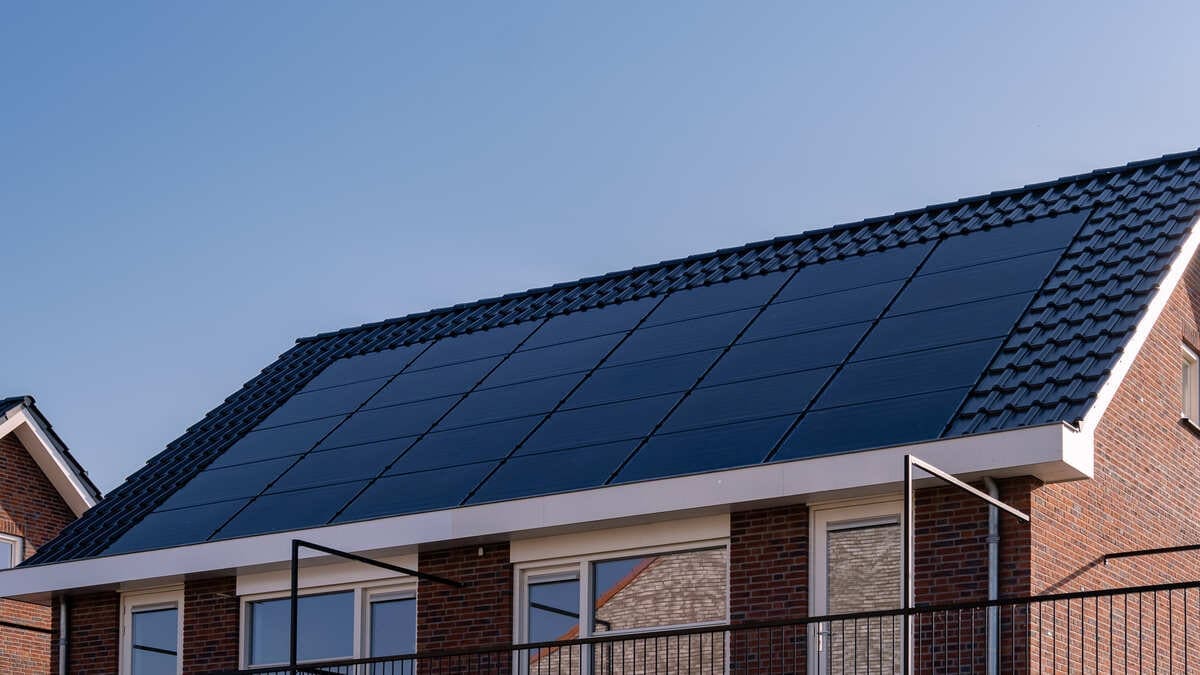
Net metering allows homeowners to send excess electricity generated from their solar panels back to the grid in exchange for credits on their electricity bills. Eligible Ontarians must generate renewable electricity primarily for their use and enter into a net metering agreement with their utility. To qualify for net metering, homeowners must apply to connect their system to the grid and meet specific technical and safety requirements.
Long-Term Savings in Ontario
Investing in solar panels offers long-term financial benefits for Ontario homeowners. By generating your electricity, you can reduce – or even eliminate – your monthly electric bills. Beyond immediate savings, solar panels may also increase the resale value of your home, making it more appealing to environmentally conscious buyers.
While the upfront costs of going solar are considerable, Ontario’s mix of federal, provincial and municipal incentives help ease the financial burden. The investment becomes a financially viable and environmentally responsible solution to energy consumption when combined with long-term energy savings. Remember to research available programs to get the most out of your solar project. Be sure to understand the local permitting requirements and work with an experienced professional when unfamiliar with Ontario’s specific regulations or opportunities.
Get a Quote from a Solar Installer Near You
The following information helps us to find the best local professional to complete your project. You will be contacted by email shortly after submitting the form.