According to most window manufacturers, your windows will need replacement when they reach the 15- to 30-year range. But there is a whole lot more to that than just age. It may be aesthetics that begin to nag at you or it could be the energy bill that spurs you into action.
Here we will go through the costs of replacing windows of various types with pricing focused on Ontario. We’ll also delve into the “what, why, when and how” of window replacement.
How to Check Your Windows for Replacement
Let’s start with the obvious one: the glass is broken or cracked. While a broken pane needs immediate replacement, a crack can seem less serious. But beware – a window crack is an invitation for moisture to infiltrate the window framework and will most likely hasten the need for replacement.
Windows, like us, change shape with age. Old windows may begin to deform or warp, causing drafts that will make your heater kick into gear more often, inflating your utility bill. While a draft may be slightly inconvenient between spring and fall, the frigid effects of an ill-fitting window will be downright uncomfortable when the snow sets in.
So, be mindful of the warning issued by condensation building up on the inside of the window. This can indicate a damaged seal, which may cause moisture to find a way into the framework. Moisture and wooden windows are not a good combination, but even with frames built from other materials, the threat of mould is sufficient to warrant window replacement.
If you are noticing any of the problems outlined above, your windows will need replacement. Here is a chart that will help you to identify and price the replacement.
Get the Green Building Project Checklist
Use this handy checklist on your next project to keep track of all the ways you can make your home more energy-efficient and sustainable.
Average Cost Per Window ($CAD)
| Material | Minimum | Maximum |
|---|---|---|
| Vinyl | $500 | $1,000 |
| Aluminum | $600 | $1,500 |
| Fibreglass | $1,000 | $2,200 |
| Wood | $800 | $1,800 |
Vinyl frames are the cheapest and fibreglass frames are the most expensive, but the window type also significantly influences the final pricing.
Average Cost of Vinyl Windows – By Type of Window ($CAD)
| Type of Window | Average Cost ($CAD) |
|---|---|
| Architectural | $750 – $4,000 |
| Tilt-and-turn | $800 – $1,800 |
| Double-hung | $500 – $1,200 |
| Bay | $2,500 – $6,000 |
| Bow | $2,500 – $6,000 |
| Sliding tilt | $700 – $1,500 |
| Casement | $400 – $1,200 |
| Awning | $500 – $1,400 |
The average cost to replace windows in a three-bedroom home depends on several factors but you can expect to pay from $10,000 to $18,000. As you can see from the chart above, the type of window affects the price, but other factors also influence the overall cost.
- The total number of windows
- The type of glass (double- or triple-glazed)
- Frame material
- Complexity of installation
- Energy efficiency (low-E coating)
Naturally, the price for replacing windows depends on the number of windows. In our calculations, we estimated the average number of windows in a medium three-bedroom house to be between 20 and 25.
Average Cost of Windows for a House
| House Size | Number of Windows | Cost ($CAD) |
|---|---|---|
| 2 bedrooms | 10 – 15 | $7,000 – $13,000 |
| 3 bedrooms | 15 – 20 | $11,000 – $18,000 |
| Large 2 storey | 20 – 30 | $14,000 – $30,000 |
| Luxury home | 30 – 50 | $25,000 – $50,000 |
Pros and Cons of Different Window Types
Bay and Bow Windows
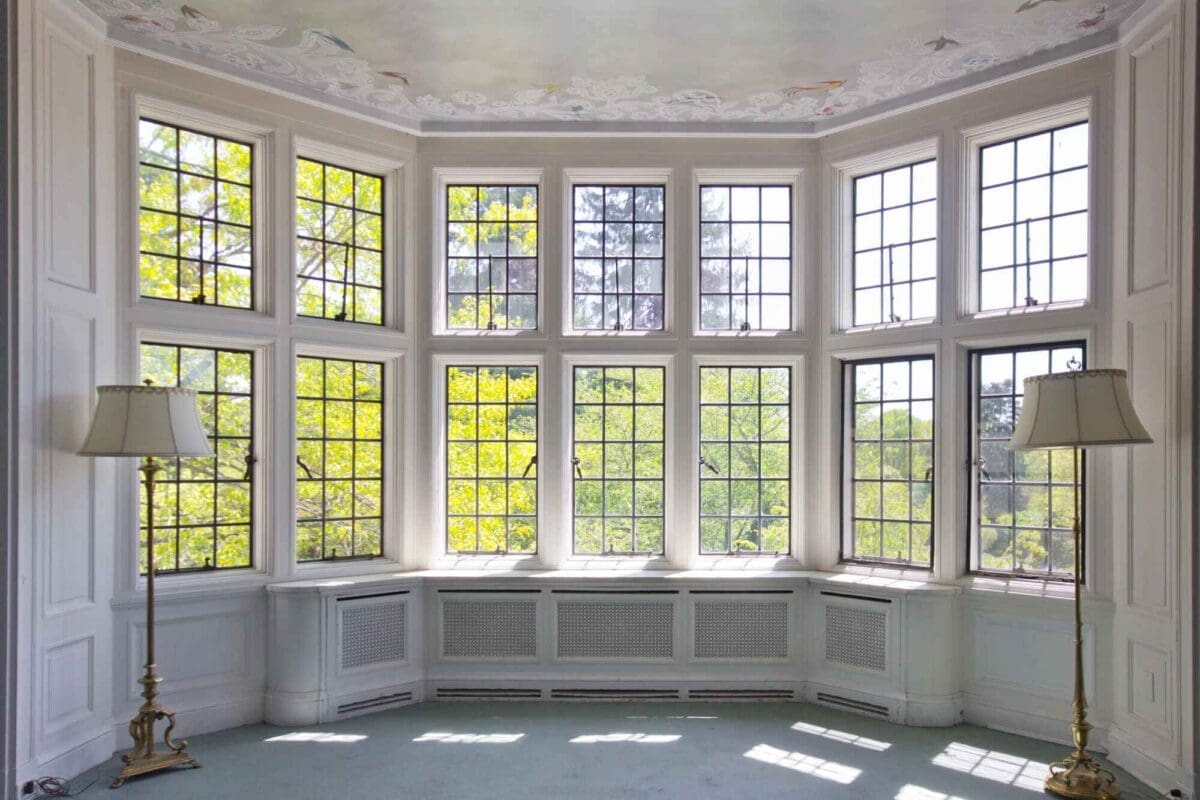
These windows provide a tremendous amount of light and the perception of space. They are ideal for larger areas. Because of their attractive design, they are often fitted to living rooms and dining rooms.
Bay windows offer excellent ventilation and are easy to maintain and clean. As they curve outwards, they increase the available light internally, which is especially valuable during the shorter winter daylight hours.
Awning Windows
Awning windows are hinged along the top side, allowing them to remain open even when it rains. Their compact design, which can stay open at any angle, promotes healthy ventilation.
Slider Windows
Slider windows can be fitted in almost all rooms. They offer enhanced security and thicker frames, providing extra smooth functionality as the sashes slide along a horizontal track.
Double-Hung Windows
These windows are ideal for dining rooms, upstairs bedrooms and bathrooms. They are compact and offer excellent ventilation when open. A low-E-glazed coating enhances insulation during winter, which would make them ideal for Ontario’s weather.
Tilt-and-Turn Windows
With a modern and striking design these windows are ideal for living rooms, dining rooms and bedrooms. The multiple locks on all four sides enhance the security feature.
Casement Windows
Casement windows add light and ventilation to all rooms and can incorporate fixed windows in their design. They offer the widest unobstructed aperture and can be set to encourage additional airflow through the home.
The windows’ ability to seal tightly against the winter cold makes them ideal for the weather conditions in Ontario. Conversely, the windows open fully to provide maximum airflow during the summer heat.
Which Window Frame Material Is Right for Your Home?
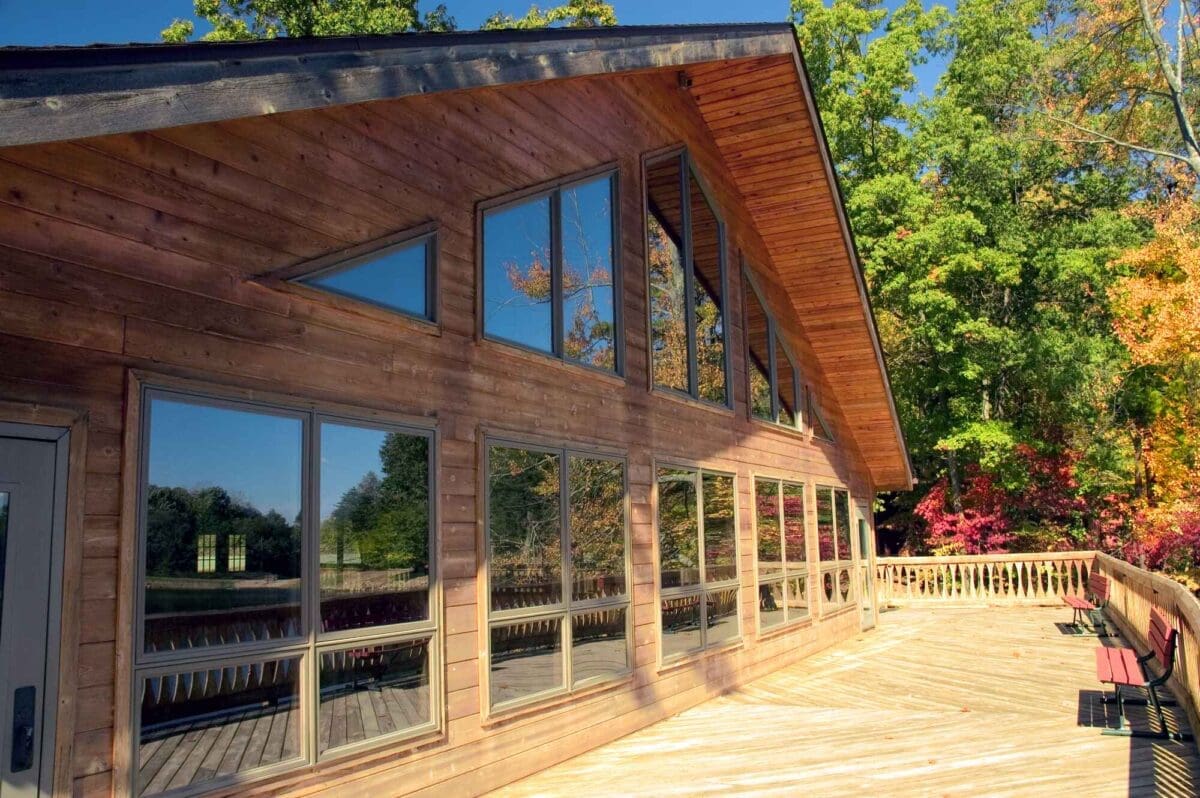
Windows in Ontario are dealt a tough hand. Summers are hot and humid, with frequent rain; winters are humid and cold. Window frames need to withstand the stresses of expansion and contraction while still maintaining perfect sealing qualities.
So, which material provides the best energy efficiency while providing value for money?
Vinyl Windows
As one of the most popular window materials, vinyl windows offer a nice balance of energy-efficiency for cost. The good insulation quality of vinyl windows helps prevent heat loss during the winter and spares air conditioning in the summer.
Vinyl windows are lightweight and available in various colours and styles. They are fire-resistant and have a lifespan of around 20 years. They come with a wide range of features – from basic double-pane windows to triple-pane windows with krypton gas filling.
On the downside, they may fade with age and painting them is not possible. They are weaker than metal or fibreglass frames, so they may warp if exposed to harsh conditions.
Fibreglass Windows
Fibreglass windows rate very highly as durable and energy-efficient framing materials. However, these superior qualities also attract a premium price, and fibreglass windows are generally around 1.5 to 2 times the price of vinyl equivalents.
The ability of fibreglass to withstand extreme temperature conditions makes it a good choice in harsh weather. A long-lasting material that will give you 30 – 40 years of use, fibreglass provides resilient protection from the weather without requiring extensive maintenance.
The downside of fibreglass windows aside from purchase price is that installation costs are higher and the range is somewhat limited.
Composite Windows
If you need minimal maintenance coupled with premium quality for your home, composite windows are for you. These windows provide a perfect combination of excellent insulation, superior look and outstanding durability. The long lifespan of over 35 years, coupled with the material’s ability to withstand rot and moisture even in harsh climate conditions, more than justifies the premium price for composite windows.
Exposure to long periods of UV radiation may result in some fading in composite windows.
Aluminum Windows
Aluminum windows suffer from poor insulation performance and are more appropriate in more temperate climates. Although the price of aluminum windows may be attractive, the additional heating and air-conditioning costs will quickly erode the apparent installation cost savings.
Wooden Windows
Wood is another popular choice for windows. The almost endless customization options and unique aesthetics make it a favoured window material for older and vintage houses.
Skeptics may say that the money saved as a result of wood’s energy-efficiency qualities will later be used to maintain the material. They may be right because wooden window frames require regular and careful maintenance to seal correctly.
Still, assuming proper and regular maintenance, wooden windows have an expected lifespan of at least 30 years. They are one of the most attractive materials, featuring beautiful colours and pleasing grain structures.
Adequate and regular sealing is required to prevent the timber from swelling during periods of rain and snow.
Customers who choose to have wooden windows fitted usually opt for enhanced insulation features by selecting triple glazing, which adds to the cost of the windows.
Wooden windows make beautiful bay window designs because they can be artistically customized. A three-window bay window typically costs around $3,000 to supply and fit.
Comparative Chart of Material Options for Replacing Windows
| Vinyl | Fibreglass | Composite | Wood | |
| Lifespan | 15-20 years | 30-40 years | 35+ years | 30+ years (with maintenance) |
| Energy Efficiency | Good | Excellent | Excellent | Excellent |
| Cost small window ($) | $250-450 | $500-1,250 | $700-1,200 | $650-1,000 |
| Cost large window ($) | $500-1,000 | $650-1,500 | $850-1,500 | $750-1,300 |
| Advantages | Good energy efficiency | Excellent energy efficiency | Excellent energy efficiency | Good energy efficiency |
| Cost-efficient | Low maintenance, paintable | Moisture resistant and low maintenance | Most attractive, traditional appeal | |
| Disadvantages | May fade | Not customizable | Can fade with high UV | High maintenance |
| Weaker than others | Price, Higher labour | Price | Price |
How to Save On Costs When Replacing Windows

Replacing windows is often a grudge purchase. The motivation to spend money on replacing a window stems from necessity rather than choice, so how can the pain of the process be minimized?
- Try to schedule the window replacement during the off-season. Contractors offer the best prices during this time. For Ontario, this means getting quotes during the fall or winter.
- The type of material used for the frames significantly affects the cost. Vinyl windows are the most affordable option.
- It may not be necessary to replace all the windows simultaneously, so investigate the possibility of spreading the cost over a couple of seasons.
- While it may be great to install triple-glazing, you can save costs by staying with double-pane glass.
- Retrofits using existing frames will substantially reduce the cost, so it’s always worth checking if the life of the existing frames can be extended.
- Always get at least three quotes to ensure you are offered the most economical option.
- Stick to conventional sizes and designs. Customization will add costs. Look for the NFRC (National Fenestration Rating Council) label and Canadian Standards Association certification to help you make a confident choice.
Be Aware of Additional Costs
Several ‘budget busters’ may add costs to your window replacement project.
Extended warranty – While a nice-to-have, purchasing an extended warranty will add additional costs to your project.
Accessories – Built-in blinds between the glass are lovely, but accessories like this do add costs.
Energy-efficiency upgrades – We mentioned the cost savings by keeping to double-pane glass, but other upgrades like low-E coatings and argon gas fills can also bulk up the replacement bill.
The cost of replacing windows that have served their time needs to be evaluated by considering the savings on energy bills that the new windows will hopefully provide. A modest saving on your energy bill may well warrant the additional cost of fitting new frames with superior insulation qualities.
Remember, the new window will last at least 20 years, so that’s 240 monthly utility bills. Will the savings be worth the investment?
Images from DepositPhotos