Average Cost of Solar Panels in BC
Detailed Cost Analysis, Payback Timeframes and Solar Incentives (Updated 2025)

British Columbia’s primary energy source is hydroelectricity, but the province is significantly expanding its solar energy capacity to meet the growing energy demand and to diversify its energy mix. Under CleanBC, the province aims to achieve net-zero emissions by 2050, and solar energy is expected to play a crucial role. This is the best time for you to make the switch to solar and take advantage of the falling costs and government benefits. This guide breaks down the costs of installing solar, factors that drive costs and available financial support programs.
How Much Do Solar Panels Cost in BC?
There are many factors that contribute to the amount you would spend on your solar panel system. Upfront costs would be calculated based on the system’s size, your roof size and the type of your solar panels you choose, among others. Operating costs and payback would depend on weather conditions, your home’s energy consumption, your utility plan, etc.
On average, homes in British Columbia consume about 11,000 kWh annually. The average solar potential in BC is 1,062 kWh/kWp/year. So, in total, you would need a solar system of about 10 kW, to meet all your energy needs, however, this is not realistic for many residential buildings with limited roof space. Regardless, meeting your energy needs halfway with a 6 kW system would still slash your utility costs in half. With net-metering, you would be paying a negligible amount.
On average, the cost of installing roof-mounted solar panels in BC is between $2.50-$3.30/Watt. This adds up to $15,000-19,800 for a 6 kWp system.
The Average Cost of Installing Solar PV in British Columbia
A $5,000 incentive is assumed. The current tiered electricity rates are between 11.7 ¢/kWh – 14.08 ¢/kWh. Electricity rates would add or discount $5¢/kWh if you have subscribed to optional time-of-use rates.
| System Size | Cost Before Incentives | Cost After Incentives | Annual Savings | Estimated Payback Period |
| 6 kW | $15,000 – 19,800 | $10,000 -14,800 | $750-$900 | 11-20 years |
| 8 kW | $20,000 – 26,400 | $15,000 -21,400 | $1000-$1200 | 13-21 years |
| 10 kW | $25,000 – 33,000 | $20,000 – 28,000 | $1250-$1500 | 13-22 years |
Get the Green Building Project Checklist
Use this handy checklist on your next project to keep track of all the ways you can make your home more energy-efficient and sustainable.
The estimated payback period shows a simple payback, but this can vary widely when factors like efficiency, panel degradation rates, maintenance, inverter replacement costs, inflation of electricity rates and others are considered.
The typical payback period is between 11-22 years, but payback periods could be shorter in regions with higher solar exposure. Adding a battery would alter the economics, as you could obtain a higher rebate and offset a larger part of your utility costs.
What Drives Costs in British Columbia

Factors that drive costs in BC are varied across different regions in the province. Climate and weather factors are significantly different across regions and policies and regulations also vary across municipalities. It is important to understand your specific location and context to arrive at the best, most profitable solar energy solution for your home.
Type, Size and Efficiency of Panels
This is one of the biggest cost drivers for any solar system. As seen in the table above, larger systems typically deliver better value because the fixed costs of installing solar like permit costs, wiring expenses and labour are spread across more solar capacity. The efficiency of your panels play an important role in your upfront costs.
Monocrystalline panels, with efficiencies typically between 20-22 percent are more expensive compared to polycrystalline panels, but they generate more energy per square metre. They also perform better in low-light and cloudy conditions, which are common in many regions of BC.
Roof Characteristics
BC’s geography is unique and solar system design cannot follow a one-size-fits-all approach. Coastal, overcast regions would benefit from a lower angle compared to more interior, sunnier regions. For example, the optimal angle for Victoria is a 39° tilt, while Kitimat would benefit from 50°.
Homeowners could maximize solar gain by investing in adjustable solar panels and change angles through seasons. This would increase upfront costs but would result in better outputs. The payback would have to be determined to see if this incremental gain is worthwhile. Steeper tilts in winter would harvest better sun, while helping in shedding snow in regions with heavier snowfall.
BC’s topography is dominated by tall trees and mountains that can shade buildings. A solar shading analysis may need to be done to arrive at an optimal panel orientation for your home.
Net-Metering and Grid Connectivity
BC’s net-metering program is offered through BC Hydro, which allows homeowners to send excess solar energy back to the grid and receive credits at retail price. Depending on the size and efficiency of your solar system, you can generate revenue, particularly for homeowners who also have a battery installed with their system.
Electricity prices are stable and regulated and homeowners don’t have to worry about market price fluctuations, however this also limits profit opportunities from high export prices that exist in deregulated provinces like Alberta.
Climate and Weather
BC’s climate and weather vary significantly across the province. It is among the least sunny provinces in Canada, and the solar potential varies dramatically across the province, shaped by its mountains and coastal cloud cover. Victoria has a solar potential of 1,091 kWh/kWp/year, while Kitimat shows a potential of only 833 kWh/kWp/year.
Cities like Vancouver and Victoria that are closer to the coast experience around 130-165 days of rain and frequent overcast skies each year, which results in lower solar potential compared to BC’s interior regions.
Municipalitie like Whistler, which are surrounded by forests and mountains, experience more shading and heavier snowfall, both of which can affect solar energy production. Homes situated in these regions would need maintenance and steeper mounting of panels for snow shedding, which would increase costs for mounting infrastructure.
Interior BC in general has much better solar potential compared to other regions and smaller installations can offset a larger share of household electricity consumption. The province also experiences distinct seasonal variations, with higher generation during summers, and plummeting in winter. Rightsizing your system to maximize solar gain according to seasonal and weather patterns is critical to enjoy better savings.
For a more detailed look at solar energy rankings of provinces and cities within Canada, read Solar Energy in Canada: Discover Your PV Potential in This Ranking of Provinces and Cities.
Permits, Taxes and Labour Costs
Permitting and taxes can add modestly to total costs. A building permit and an electrical permit are typically required and the fees vary by municipality, ranging from $150-500. BC provides a full 7 percent Provincial Sales Tax (PST) exemption on eligible solar PV equipment, including panels, inverters and wiring, which helps reduce upfront cost.
Labour costs also vary across regions. In major metropolitan areas, skilled trades demand higher rates and in more remote or rural regions, labour maybe cheaper but an additional travel cost maybe add to overall labour costs.
Insurance Implications
Most home insurance policies in BC consider rooftop solar PV systems as a permanent fixture, providing coverage for risks like fire, theft, wind and storm damage. Your premiums may rise after PV installation, because installing solar would increase your home’s replacement value.
BC has unique climate risks like windstorms and heavy rainfall, especially in coastal areas, and this may influence the coverage terms for your solar PV. In forested or rural areas, insurers may also factor in exposure to wildfires.
It is highly recommended that you notify your home insurance provider when you decide to install solar and confirm that your panels are included under dwelling coverage, and not just the contents of your home. Review exclusions and coverage terms related to wind, wildfires and other climate factors. Shopping around can help you find providers experienced in renewable energy systems and get you the best deal.
Solar Panel Incentives Available in British Columbia
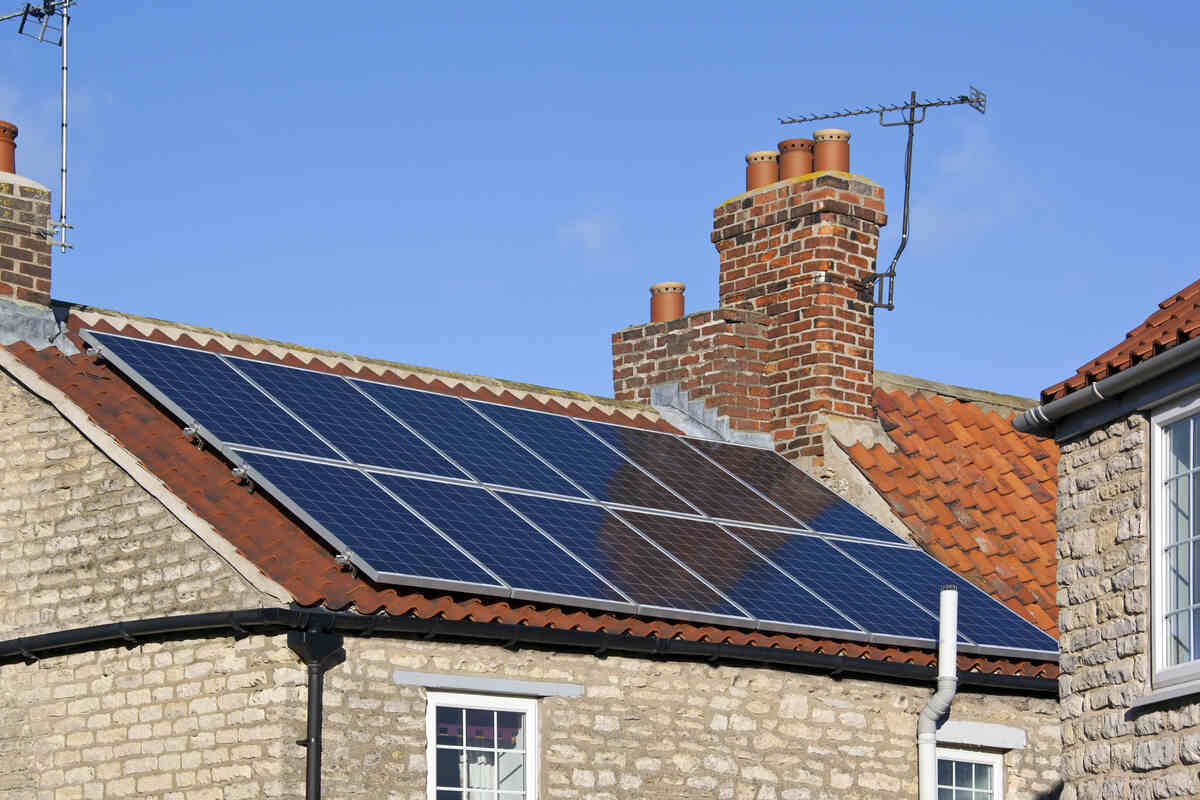
British Columbians have access to federal, provincial and municipal incentives and rebates that can minimize the cost of installing solar. Incentives and rebates come and go, so it is good to keep an eye out for new incentives so that you get the best deal possible when you make the switch. Below are the incentives available as of October 2025.
Provincial Incentives
BC Hydro Rebate – BC Hydro is providing rebates of $1,000 per kW and up to $5,000 to grid-connected consumers who are subscribed to Self-Generation rates for installing solar panels. The rebate provides an additional $5,000 for battery storage systems. Together, consumers can save up to $10,000 on a solar, battery-connected system.
Municipal Incentives
RDN Renewable Energy Systems Rebate – The Regional District of Nanaimo (RDN) is supporting residents with rebates for several energy-efficiency upgrades. For installing renewable energy systems like solar PV, the program offers a $250 rebate. This rebate is available to residents in RDN electoral areas; homeowners in Nanaimo, Lantzville, Parksville and Qualicum Beach are not eligible.
Home Energy Retrofit Financing Program – The City of Nanaimo is providing interest-free loans of up to $15,000 for energy efficiency upgrades. The loan can be repaid through property taxes over 10 years. Homeowners who already have electric heating and want to install solar are eligible for this rebate.
Vancouver Heritage Energy Retrofit Grant – Heritage homes in Vancouver built before 1940, or registered on the Vancouver Heritage Register, are eligible to apply for a maximum of $18,000 for energy-efficiency retrofits. Only homes with oil or gas heating are eligible for this grant. As of October 14, 2025, this grant is at fully capacity and not accepting applications but keep a look out on the website for the most recent updates.
For a more complete list of incentives check out our Solar Incentive Finder.
Long-Term Savings

British Columbia is investing heavily towards decarbonizing its energy system and modernizing its electrical grid. These efforts will impact electricity prices and cause fluctuations over the coming decades. Installing solar energy in your home will help you lock in a stable and predictable source of energy for years to come. It gives your home greater energy independence and long-term protection from fluctuating utility costs.
Through BC’s net-metering program, you can begin earning money for generating electricity, especially in the next few decades after payback. Investing in solar now would also enable you to take advantage of available rebates and tax exemptions before they change. Invest in solar and let it work to secure your future.
Images from Depositphotos