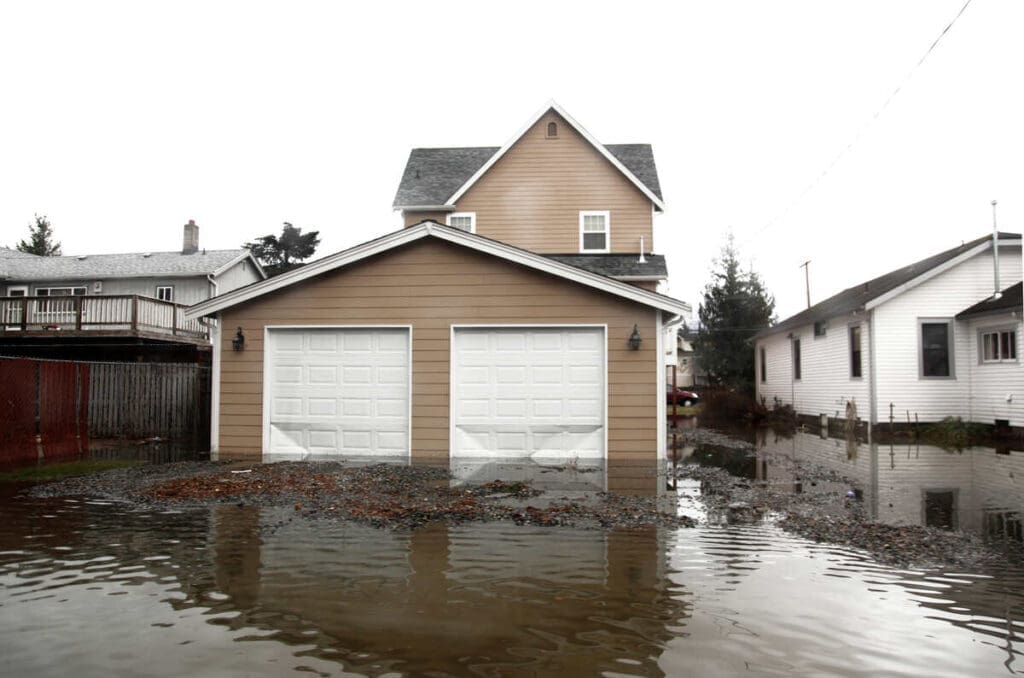
The Canadian Climate Institute has indicated that over 1.5 million houses in Canada are in high-flooding-risk areas. Basements are the most exposed part of your home to risks of damage from flooding, so it’s essential to ensure your basement is adequately protected.
And it doesn’t have to be devastating floods that persuade you to waterproof your basement. General leaks and moisture buildup from snow and rain are enough to create an area ideal for mould and mildew, resulting in potential health risks for the family.
What Are the Benefits of Waterproofing Your Basement?
Waterproofing your basement will cost you money, but the end result will increase the value of your home and provide you with the security of a structurally sound home.
Basements provide additional living or storage space, so keeping the area dry and healthy is advantageous. It may also save you money, as a damp basement during summer will increase the humidity level throughout the home.
Insufficient waterproofing may result in cracks in the foundation, reducing the building’s insulation efficiency and increasing heating costs during winter. Furthermore, water seeping into cracks can expand depending on the ambient temperature, which will be hazardous to the integrity of the foundation.
High humidity in the basement can cause mould and mildew to grow, putting you and your family’s health at risk.
How Basement Waterproofing Works
Get the Green Building Project Checklist
Use this handy checklist on your next project to keep track of all the ways you can make your home more energy-efficient and sustainable.
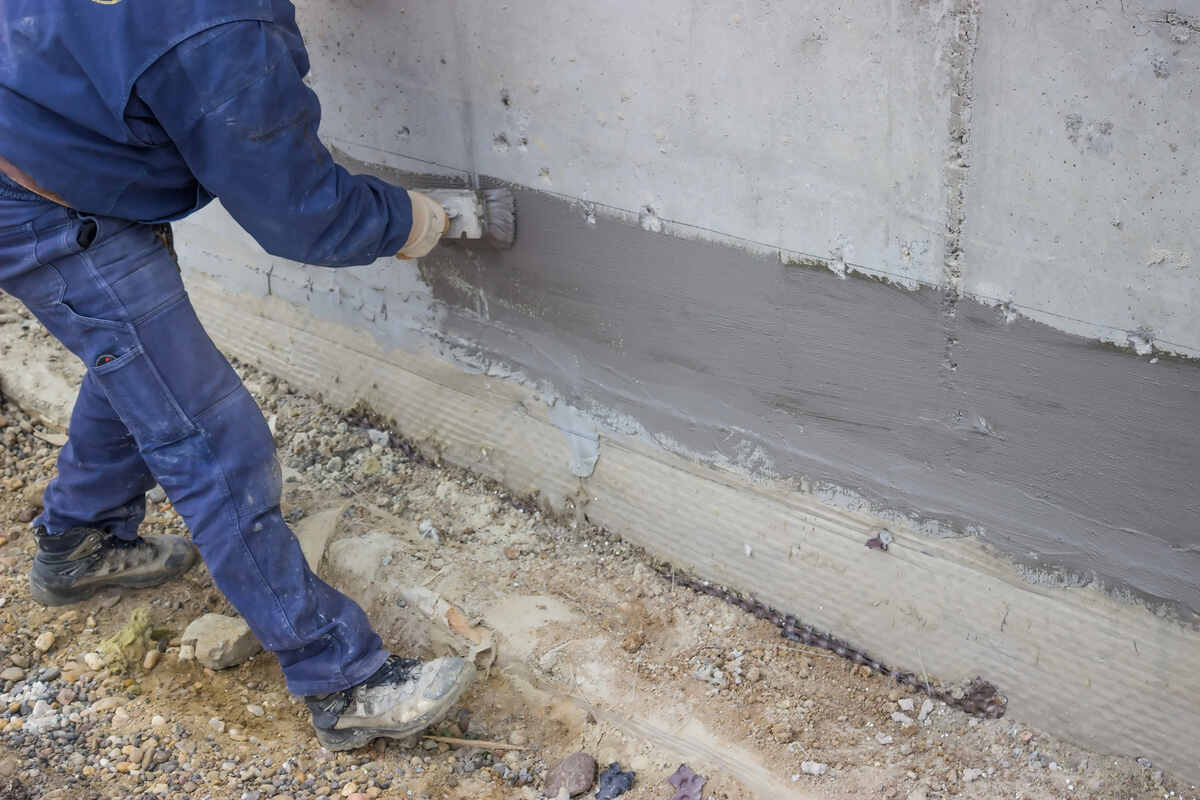
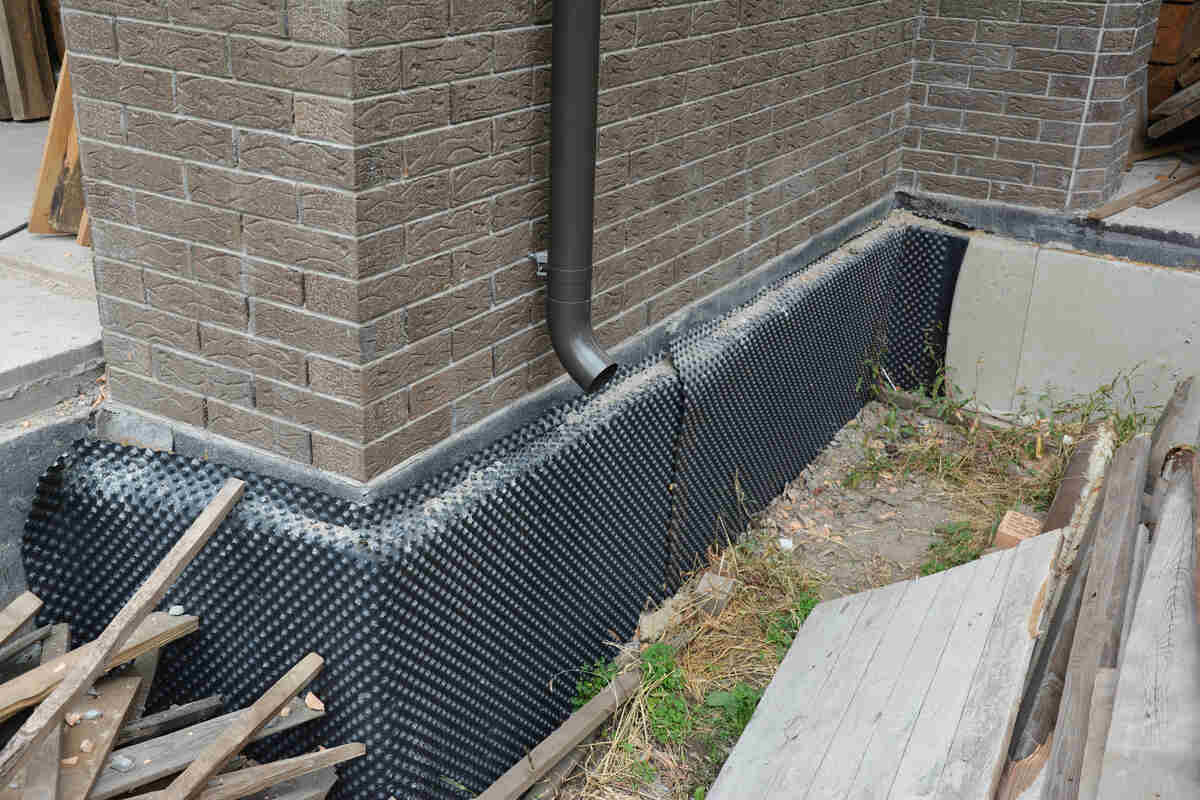
There are different methods for protecting and sealing your basement from water damage. Exterior sealing involves exposing the foundation and applying a waterproof sealant to the walls. The sealant acts as a barrier, preventing water from seeping into the wall and leaking into your basement.
When condensation is the primary source of moisture in the basement, interior waterproofing directs any water into the drainage system. An automatic pump is located in a sump, which is the lowest part of the basement. When the sump fills with water, the pump automatically discharges the water away from the house and switches off once the sump is empty.
As an alternative to external sealing, cracks can be attended to from inside the basement, and sealant (usually a polyurethane or epoxy-based compound) can be injected into them. This treatment is, however, limited to more minor cracks that don’t pose a structural threat.
Which is Better? Internal or External Basement Waterproofing
The choice of internal or external basement waterproofing depends on the severity of the problem, your budget, and, I would also say, the amount of time you want to live in the house.
Exterior waterproofing is more expensive and can be pretty disruptive, depending on the land around your house. However, it does have the advantage of addressing the source of the problem. Additionally, it is long-lasting and offers a more permanent solution that should keep water out of your basement and your foundation structurally sound for decades.
Additional points to consider for exterior waterproofing are:
- Cost of waterproofing
- Sealing work is dependent on favourable weather conditions
- In situations where space limitations impede access
- Extensive landscaping and remedial work is required
Interior waterproofing is generally cheaper and has the following advantages:
- Lower costs
- Less intrusive with shorter repair times
- No landscaping or external remedial work is required
- No limitations on access
- Repairs are not weather dependent
However, interior waterproofing will not solve the following:
- Infiltration of water into the foundation and potential structural damage
- Limited success in addressing humidity problems
- Regular maintenance issues for sumps and pumps
Comparative Cost of External vs Internal Basement Waterproofing in Canada
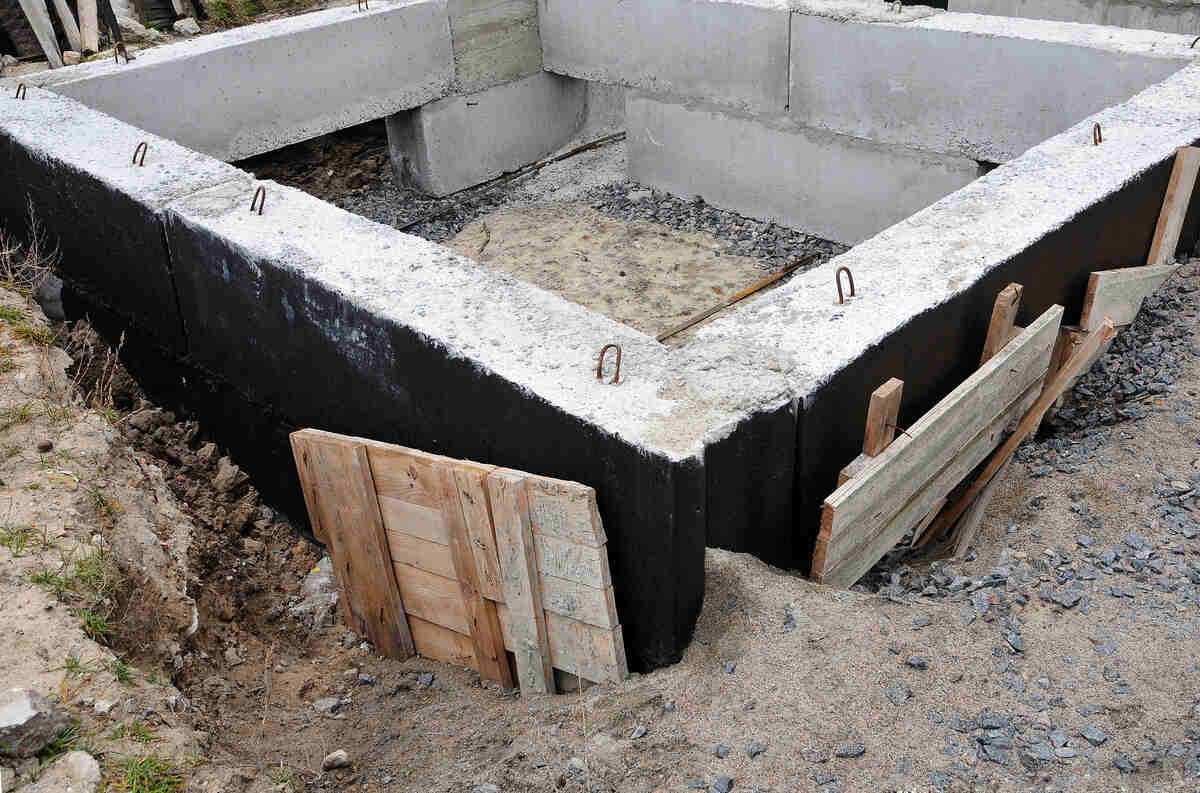
Internal basement waterproofing costs less than external waterproofing since it doesn’t require excavating around the foundation.
As a rough guide, internal waterproofing in Canada averages between $70 to $230 per linear foot and external waterproofing is from $100 to $300 per linear foot. In large cities like Toronto rates will be on the mid to higher end due to the higher cost of labour.
So for a house with a 1,000-square-foot basement (~140 linear feet) a typical range for internal waterproofing is between $10,000 – $32,000, while external waterproofing will cost between $14,000 – $42,000.
Factors that Influence the Price of Basement Waterproofing
Size of basement – Naturally, the size of the basement significantly affects the waterproofing price, but the rate per square foot does reduce as the size of the basement increases.
Basement depth – The deeper the foundation, the deeper the excavation and the more material that will need to be used.
Additional services – Adding in features like a backwater valve, weeping tiles, sump pump, window wells, downpipes and gutters, sealing windows and doors, landscaping and drainage will increase the overall cost, but it could be well worth the added cost to get the job done well and gain the peace of mind.
The existing condition of the foundation – This also plays a major role in the cost of waterproofing. If the foundation requires repairs, costs will tend towards the upper range.
Soil type – If you are unlucky enough to have clay, peat or silt soils around your home, then I’m afraid you will need to look at the upper ranges of the costs because these soils are particularly good at absorbing water. When saturated, clay soil expands and shrinks when dried out, which puts considerable strain on the foundation.
Local building codes – Make sure to check your local building codes, particularly if considering external waterproofing, as these may incur additional costs (e.g. they could require more effective waterproofing materials or the installation of a sump pump).
In most cases, the type and quality of materials used to waterproof the basement govern the overall cost. Since waterproofing the basement is a project that you only want to address once, it is worthwhile to thoroughly examine the durability and warranties of the products quoted and the warranty provided by the contractor for the labour part of the contract.
Luckily, there are some government incentives that help with some of these costs. For example, the city of Toronto offers the Basement Flooding Protection Subsidy Program, which covers costs like installing a backwater valve and sump pump.
Unfortunately, the effects of climate change are not going away anytime soon, so the incidence of flooding and other extreme weather phenomena will occur more frequently in the future. In many cases, the irritating little leaks that were overlooked in the past will become health and safety issues in the future. Having a basement that is dry, useful and healthy may not only provide you with extra living space but may also be a significant item to add value to your home.
Read more on this topic in Innovative Sustainable Solutions for Water Damage Restoration.
Images from Depositphotos