You use it every day, but probably never think twice about it, until it starts to crack or crumble. A driveway may seem like a simple home feature, but in Canada, the cost of paving one with asphalt or bitumen can quickly add up.
With rising material costs, fluctuating oil prices and regional labour rates, understanding the actual cost of an asphalt or bitumen driveway takes more than a quick Google search, which is why we’ve put this guide together. We’ve broken down the average cost to pave a driveway in Canada, providing comparative pricing for new asphalt, recycled asphalt and bitumen-based (tar and chip) driveways, and shared cost-saving strategies that can help homeowners maximize their home maintenance and investment value.
Bitumen vs Asphalt: What’s the Difference?
Before we discuss pricing, it’s essential to clarify what we mean when using terms like asphalt and bitumen. While these words are often used interchangeably in everyday conversation, they have distinct meanings in the context of driveway paving.
Bitumen
Not all bitumen driveways are created equal. While asphalt contains bitumen as a binding agent, not all bitumen-based driveways are asphalt. When people refer to a “bitumen driveway” in Canada, they’re often talking about tar and chip or chip seal surfaces. It’s an entirely different paving method that involves spraying raw bitumen over a gravel base and topping it with loose stone that is compressed into its sticky surface. This type of driveway has a lower installation cost compared to traditional asphalt and is often used to pave rural roads.
Asphalt
Get the Green Building Project Checklist
Use this handy checklist on your next project to keep track of all the ways you can make your home more energy-efficient and sustainable.
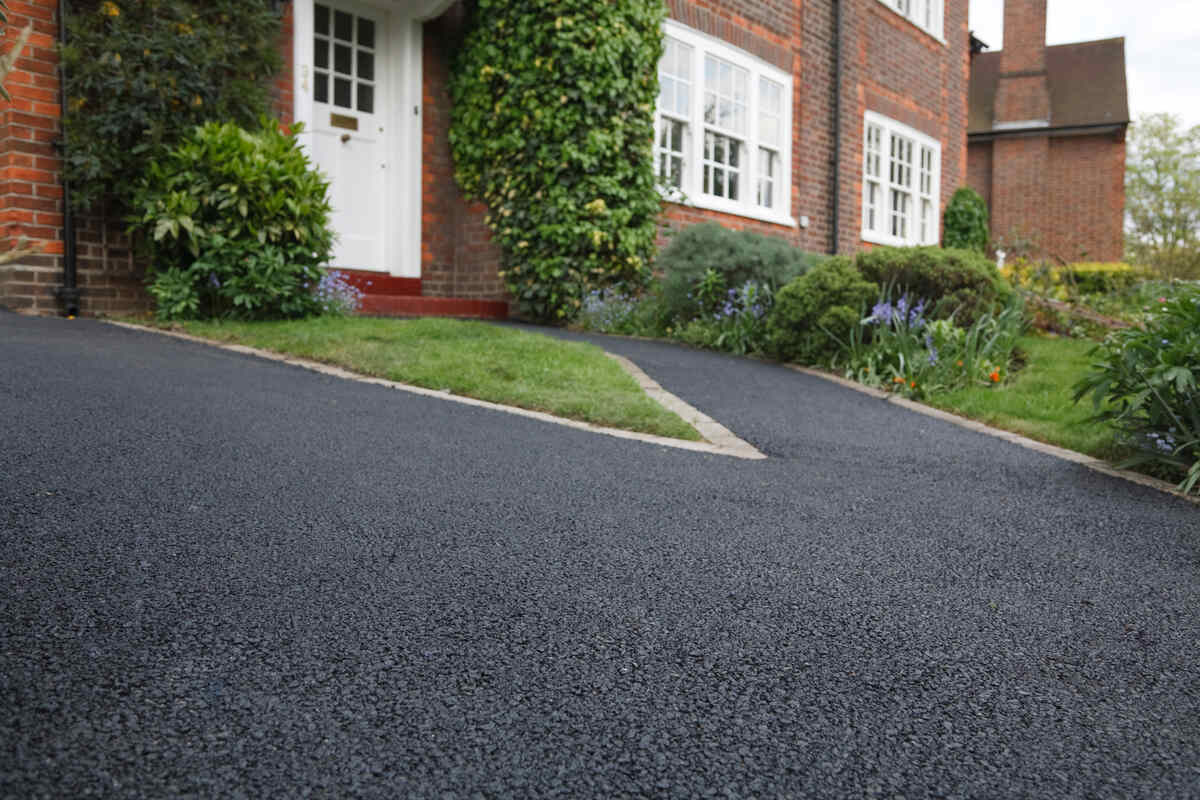
Asphalt is a durable paving material commonly used for driveways, roads and sidewalks. It’s made by mixing aggregates (such as crushed stone, sand, and gravel) with bitumen. In the context of an asphalt driveway, bitumen is the binding agent, a sticky, black petroleum by-product that holds the aggregate together. The result is a smooth, weather-resistant surface that can withstand heavy loads, harsh North American climates, and is easily repaired when damaged. Asphalt is available in new hot-mix form and as recycled or crushed material.
How Much Does It Cost to Asphalt a Driveway in Canada?
The cost of an asphalt driveway in Canada can vary significantly based on location, driveway size, slope and the amount of site preparation needed. On average, Canadian homeowners can expect to pay between $3.00 and $8.17 per square foot for hot-mix asphalt in 2025. For a standard 2-car driveway measuring approximately 600 square feet, the total cost ranges from $1,800 to $4,900, before factoring in optional extras such as edging, sealing or drainage work.
Average Asphalt Driveway Costs by Province (2025)
| Province | Cost (per sq. ft.) | Avg. Driveway Cost (600 sq. ft.) | Sealing (per sq. ft.) |
|---|---|---|---|
| Ontario | $3.00–$7.00 | $1,800–$4,200 | $0.15–$0.45 |
| Quebec | $3.00–$10.00 | $1,800–$6,000 | $0.30–$0.45 |
| BC | $2.50–$8.50 | $1,500–$5,100 | $0.30–$0.45 |
| Alberta | $7.00–$13.00 | $4,200–$7,800 | $0.30–$0.45 |
| Manitoba | $2.50–$6.00 | $1,500–$3,600 | $0.30–$0.45 |
| Saskatchewan | $2.50–$7.00 | $1,500–$4,200 | $0.30–$0.45 |
| Nova Scotia | $2.50–$6.00 | $1,500–$3,600 | $0.30–$0.45 |
| New Brunswick | $3.00–$10.00 | $1,800–$6,000 | $0.30–$0.45 |
| Newfoundland | $2.50–$4.00 | $1,500–$2,400 | $0.17–$0.45 |
Recycled Asphalt: Sustainable, But with Trade-Offs
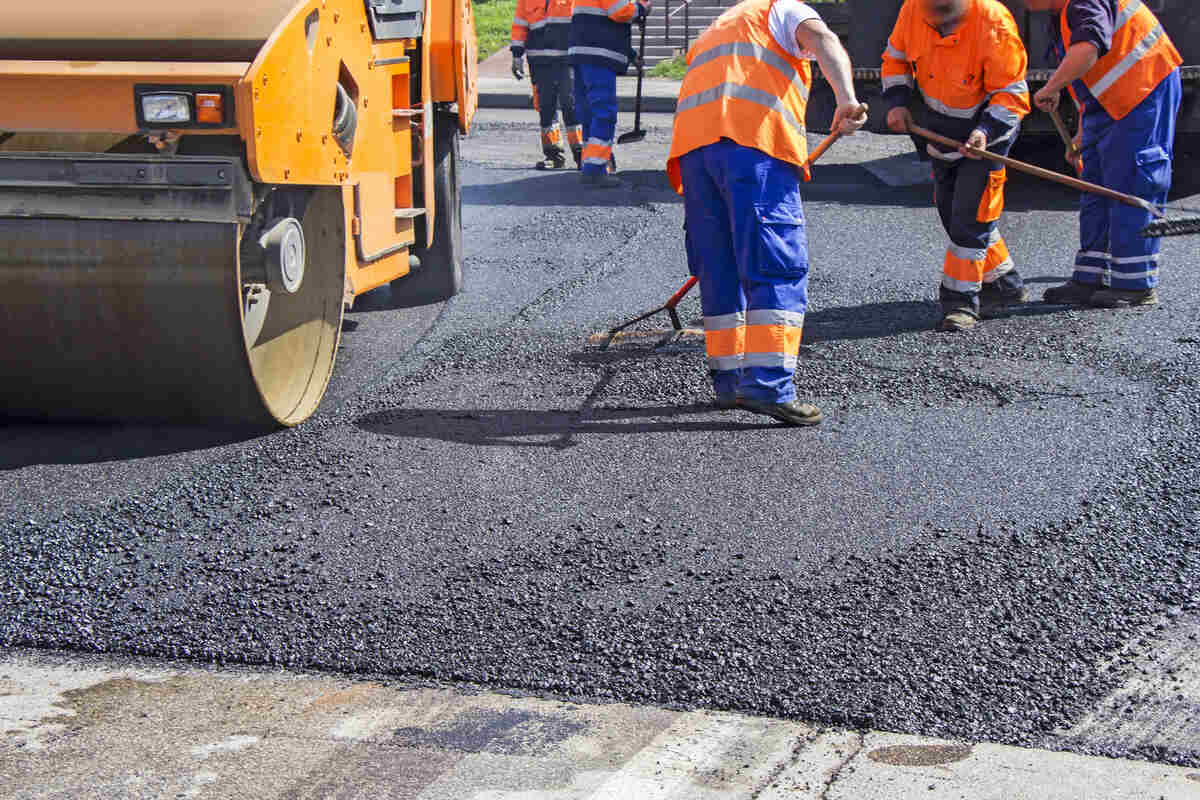
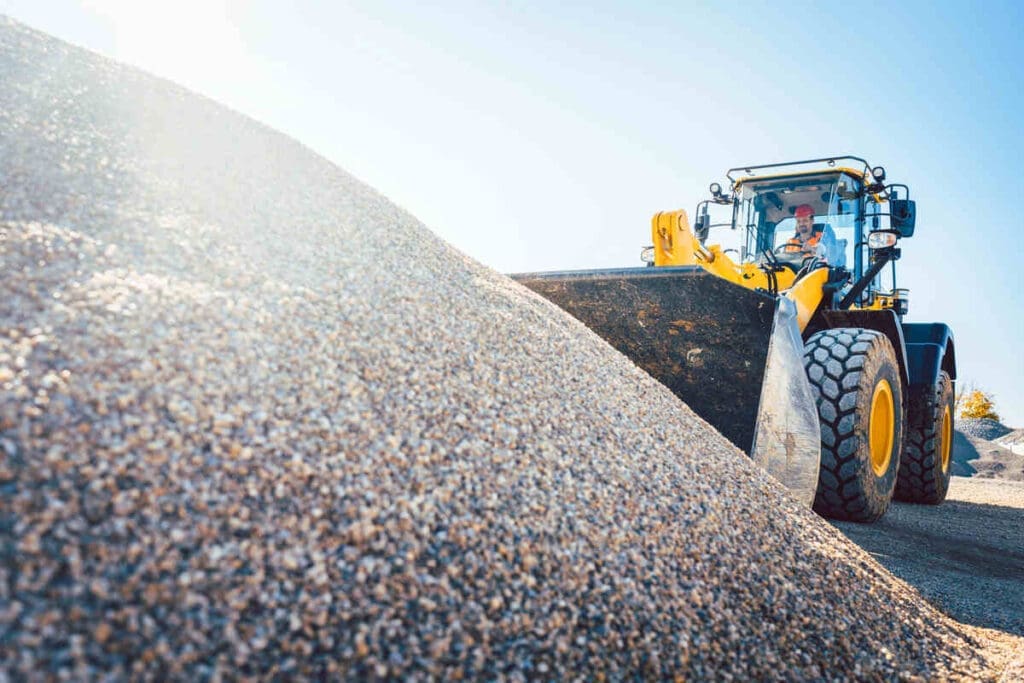
Recycled asphalt, also known as crushed asphalt or millings, is made from old pavement that has been ground up, reprocessed and reused. It’s an eco-friendly and budget-conscious choice compared to virgin hot-mix asphalt. In Canada, it’s especially appealing for large rural driveways, farm roads or utility access where a polished finish is less important.
Cost of Crushed Asphalt in Canada
The installed cost of recycled asphalt in Canada typically ranges from $2.00 to $5.00 per square foot in most provinces, depending on the depth of the material – usually between 7 and 10 centimetres – and the amount of site preparation required. However, in some regions, such as Quebec, prices can reach up to $10.00 per square foot for premium recycled blends or more complex installations.
For a 600-square-foot driveway, this translates to a cost of approximately $1,200 to $3,000 in most areas, and up to $6,000 in higher-cost regions, excluding optional upgrades such as sealcoating or mechanical compaction.
Cost of Recycled Asphalt in Canada (2025)
| Province | Cost (per sq. ft.) | Avg. Driveway Cost (600 sq. ft.) |
|---|---|---|
| Ontario | $2.00–$5.00 | $1,200–$3,000 |
| Quebec | $2.00–$5.00 | $1,200–$3,000 |
| BC | $3.00–$10.00 | $1,800–$6,000 |
| Alberta | $2.50–$4.00 | $1,500–$2,400 |
| Manitoba | $2.00–$5.00 | $1,200–$3,000 |
| Saskatchewan | $2.00–$5.00 | $1,200–$3,000 |
| Nova Scotia | $2.00–$5.00 | $1,200–$3,000 |
| New Brunswick | $2.00–$5.00 | $1,200–$3,000 |
| Newfoundland | $2.50–$4.00 | $1,500–$2,400 |
Benefits of Recycled Asphalt
One of the main advantages of recycled asphalt is its cost savings – typically 20 to 40 percent cheaper than new hot-mix, with some suppliers offering upwards of 80 percent savings per tonne, depending on the blend. By reusing existing materials, it also conserves natural resources and reduces emissions by lowering demand for newly mined aggregate and bitumen. Functionally, recycled asphalt is ideal for rural or large driveways, as it compacts naturally over time to form a stable, well-draining surface.
Drawbacks of Crushed Asphalt
Despite its affordability and environmental appeal, recycled asphalt comes with trade-offs. Its surface is generally less smooth and uniform than new hot-mix asphalt, with loose stones and dust often present, especially in hot, dry conditions. Recycled asphalt also requires more upkeep, including occasional grading or re-compaction, particularly if left unsealed. As a result, it’s typically not recommended for high-traffic or urban driveways where long-term durability and visual appeal are top priorities.
The Environmental Case for Using RAP (Reclaimed Asphalt Pavement)
Asphalt is one of North America’s most recycled materials, with 80 percent of reclaimed asphalt pavement (RAP) reused each year, diverting millions of tonnes from landfills. In Canada, every 10 tonnes of RAP used can reduce emissions by about 1 tonne of CO₂e, making it a meaningful climate choice. A municipal pilot in Richmond, BC, which utilized 40 percent RAP, saved approximately 3,000 kg of CO₂ and reduced freshwater use by 446,000 litres on a single project, showcasing the material’s environmental and water-saving potential.
Through the efforts of the National Zero Waste Council (NZWC) in 2024, over 15 municipalities across Canada have updated their specifications to allow higher RAP percentages in road projects, demonstrating that recycled asphalt is a viable and scalable solution for sustainable development nationwide.
Bitumen Driveways (Tar and Chip / Chip and Seal)
Bitumen-sealed driveways, while more affordable than asphalt upfront, can heat up faster in summer and may scatter loose stones, but they allow for quicker installation and easy spot repairs. For rural or low-traffic areas, bitumen can be a practical, cost-effective option, whereas asphalt suits urban or long-term applications better.
Pros
- 30–50 percent cheaper than hot-mix asphalt
- Excellent traction in wet/icy conditions
- Aesthetic, rural-friendly appearance
Cons
- Shorter lifespan (7–10 years)
- Cannot be sealed the same way as asphalt
- Loose stones may require sweeping
- Repairs can be patchy and less durable
Cost of Bitumen Driveways
| General Information | Details |
|---|---|
| Cost per sq. ft. | $2.00 – $5.00 |
| Avg. Cost (600 sq. ft.) | $1,200 – $3,000 |
Additional Costs to Consider
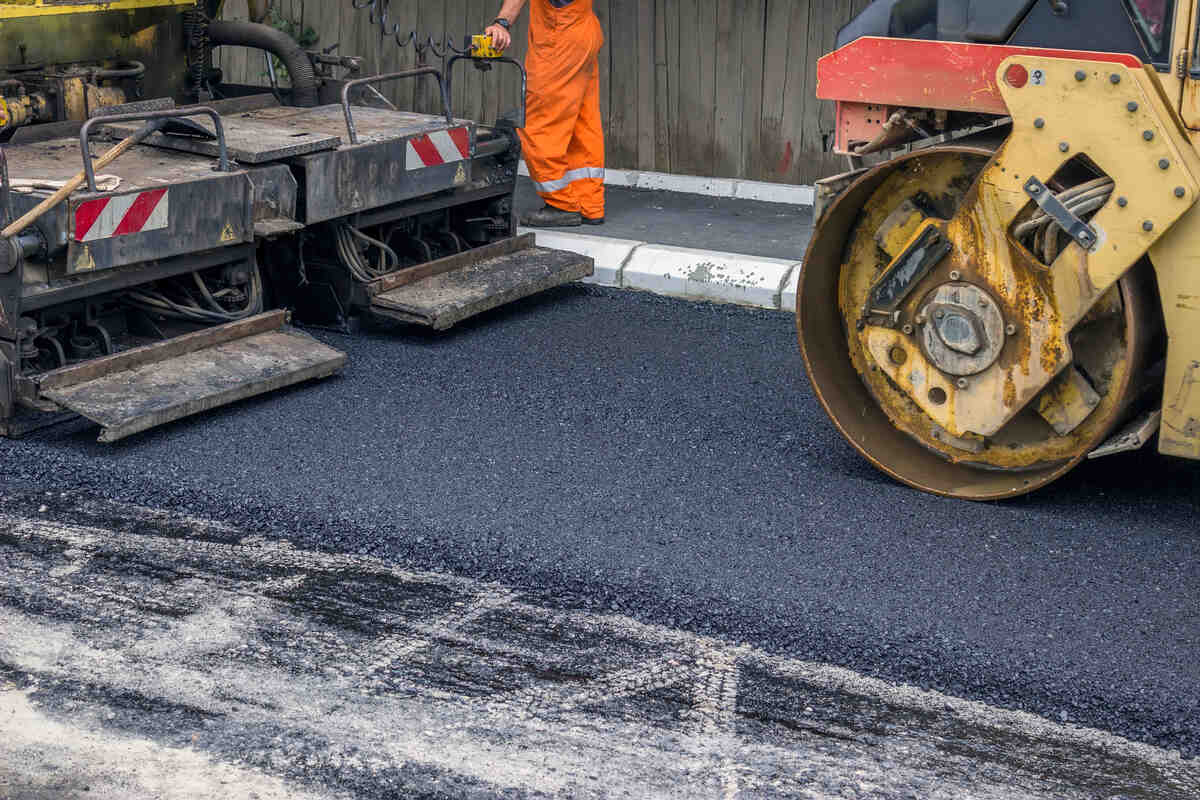
Whether you’re resurfacing or paving from scratch, there can be additional costs to be aware of. Some may be necessary while others are elective.
| Additional Item | Estimated Cost |
|---|---|
| Excavation or grading | $1.00–$3.00 per square foot (if needed) |
| Driveway widening | $500–$2,000 |
| Edging or border materials | $5–$15 per linear foot |
| Drainage installation | $1,000–$3,000 (if required) |
| Permit fees | $50–$200 (varies by municipality) |
| Fuel/delivery surcharges | Varies – typically higher for rural locations |
How to Save on Driveway Paving
Compare at least 3 quotes – Get itemized estimates from at least three contractors using the same project specs so you can accurately compare pricing, materials and services. Don’t always choose the lowest bid; balance cost with experience and transparency.
Ask about recycled options – If aesthetics aren’t your top priority, it can be a cost-effective and eco-conscious alternative. Ask your contractor whether they offer recycled options and whether they include compaction or sealing services to help extend the surface’s lifespan.
Combine jobs with neighbours – If nearby properties are also due for paving, consider teaming up. Many contractors offer discounts when they can complete multiple jobs during a single trip.
Avoid spring thaws – Spring’s soggy ground can lead to poor compaction and early failures. Aim to schedule paving in late summer or early fall for better results and potential off-peak savings.
Request compaction details – Ask your contractor how they prepare and compact the sub-base. A well-compacted gravel layer is crucial to achieving long-term performance and optimal drainage.
Images from Depositphotos