Many people have heard about laneway houses but are not sure about the investment. Would you like to learn more about these coach house style houses and would you be willing to give them a go? If so, this article is for you!
You can build these “carriage houses” in more and more Canadian cities. Vancouver has been the forerunner in the landscape since 2009.
What is a Laneway House?
A laneway house is a small home built in a laneway or alleyway, often with no street frontage, though it could be on the street if they are built on a corner lot, for example.
Many are set up so that someone who lives in a larger home can build a small home in their backyard and either use it to host their extended family or rent the laneway home to a tenant.
Laneway homes or coach homes, as well as garden suites, can be described as separate residences that are situated in the same area as your primary residence.
If your property is next to an open laneway, and the second home is facing or backs onto this laneway, then it’s known as a laneway home. When there’s not a road in the area, the second home is referred to as an enclave, as well as a garden suite.
It’s like the term “coach house.” These are smaller homes that are hidden behind a large house. It is an independent structure from the main home and is considered to be a second space.
Get the Green Building Project Checklist
Use this handy checklist on your next project to keep track of all the ways you can make your home more energy-efficient and sustainable.
Sometimes it’s the separate garage of a house converted into a living area, complete with a fully-equipped kitchen along with washer and dryer.
There is also the possibility of having garage space in addition to a laneway or carriage house (often it is for the use of owners or landlords), however many people opt to go with no garage whatsoever and instead put in additional living space.
Whatever the case, the secondary home’s utilities and other services, such as electricity, gas, and water typically are connected to the main residence rather than directly to the street.
What are the Pros and Cons of a Laneway House?
What are some of the pros and cons of a laneway house? Apart from the financial cost and the benefits mentioned above, there are a few things to think about prior to deciding whether or not to construct. Here are the most important advantages and disadvantages.
Pros
Laneway homes were designed in order to boost the density of a city and to provide more affordable housing options for people in cities.
They also offer an easier way for workers to stay close to public transit.
Although they aren’t ideal, they can be very convenient and an excellent method for people to stay in their city. They are also a great opportunity for landlords to earn extra revenue from the properties.
Real estate investors can use them as passive income from rental housing.
Cons
There are some disadvantages when you have tenants living in your yard. For some, this could be too close to be comfortable.
There are property tax implications (capital taxes on gains) in the event that you choose to let go of your house. The portion of the property that you use to construct your second suite might not be exempt from the tax exemption on primary residences.
Because a laneway residence is located in a separate suite or part of your property, that section of your single-family residence is not considered to be part of your primary residence.
Laneway House Cost to Build
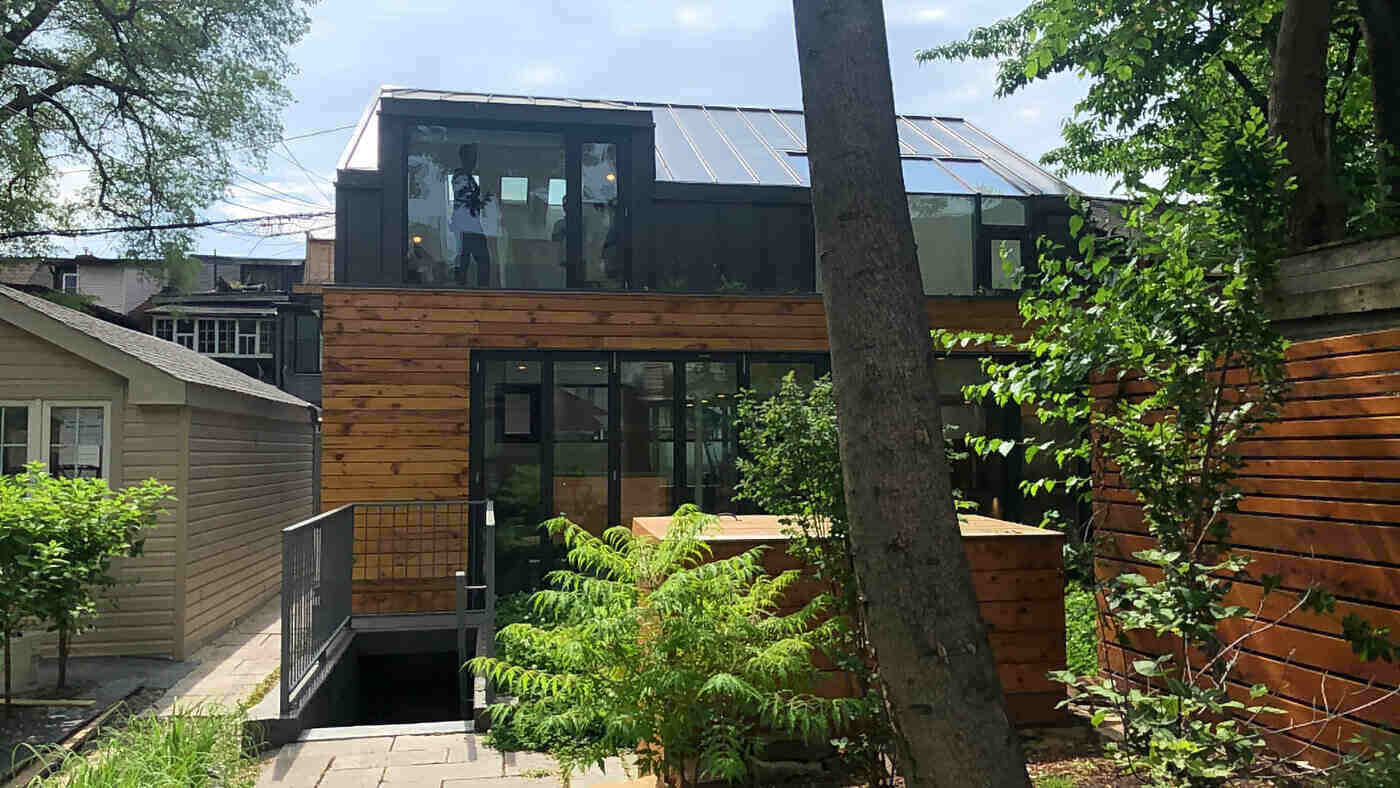
The cost could be between $300,000 to $400,000 for construction. The amount will be contingent on access to heavy machinery, as well as the cost of mechanical connections and the finishes for the exterior and interior.
Of course, the cost depends on the size of the footprint of the laneway house, as well. It could cost in the upper range when you’re converting the garage you have.
Factor in the cost of design permits, architectural permits as well as land development fees, construction materials and labour.
Other costs you need to consider are the costs of borrowing (i.e., HELOC mortgage payment and mortgage interest payment). Be aware that you could have higher insurance rates for your home along with utility bills and taxes on your property.
Does a Laneway House Increase the Resale Value and Property Value?
In the case of the housing market in your local area, the increase in your property’s value could be much more than what you invested for construction.
Homes with laneway houses on their properties generally have higher resale value. The property also gains value when you include the extra square footage of living space that’s been added.
It can boost the ROI on your main home. For instance, if you’re creating an addition or remodelling a basement or a laneway suite, you can boost the value of your home.
However, it could also raise your property tax since they are calculated on the value of your property and how many secondary suites you have.
Earn Rental Income
Laneway houses are an excellent option to invest in if you are looking to earn rental property income.
In Metro Vancouver, for example, rentals on secondary suites can be as low as $900 a month for an apartment; however, you could anticipate anywhere from $1,500 to $2,500 if you own a one or two bedroom coach house, based on the area, of course.
These kinds of homes are ideal for people who are unable to afford a townhouse or condo in a downtown area, as well for people who prefer more space or perhaps for people who prefer living in more tranquil surroundings.
These homes are great when you’re looking for something different than a conventional apartment, but still want to be in a city setting.
Can You Sell a Laneway House?
Since a laneway house is on your property, you can’t sell it without severing the lot, and many zoning plans won’t be favourable to that. Laneway suites are intended to build rental housing in areas that have a dire need for sustainable housing and not to build saleable units.
So the simple answer is no, you are not able to sell your coach right now, even though there are exceptions.
Current Demand for Laneway Houses
There is a rising demand for laneway houses, which is making that rental market more competitive.
A lot of municipalities are actively encouraging the construction of laneway homes, and there’s an additional incentive for owners of homes to construct a dwelling that could turn into an source of income and increase the value of their home beyond the initial cost of the laneway residence.
Conclusion
In the current era of soaring costs for housing, it is essential that we construct laneway homes within our urban areas. While pros and cons to building them exist, it’s clear that they offer a simple way to densify urban areas and give people more affordable housing options.
If you’re in the right frame of mind to build a laneway house or coach house, it can be a lucrative property investment.
It will increase the value of your home, and you could lease the second residence or use it to help family members by providing affordable housing so that they don’t need to move further out of urban areas.
Feature image: Wendy Cutler; Image 1: Nicolás Boullosa