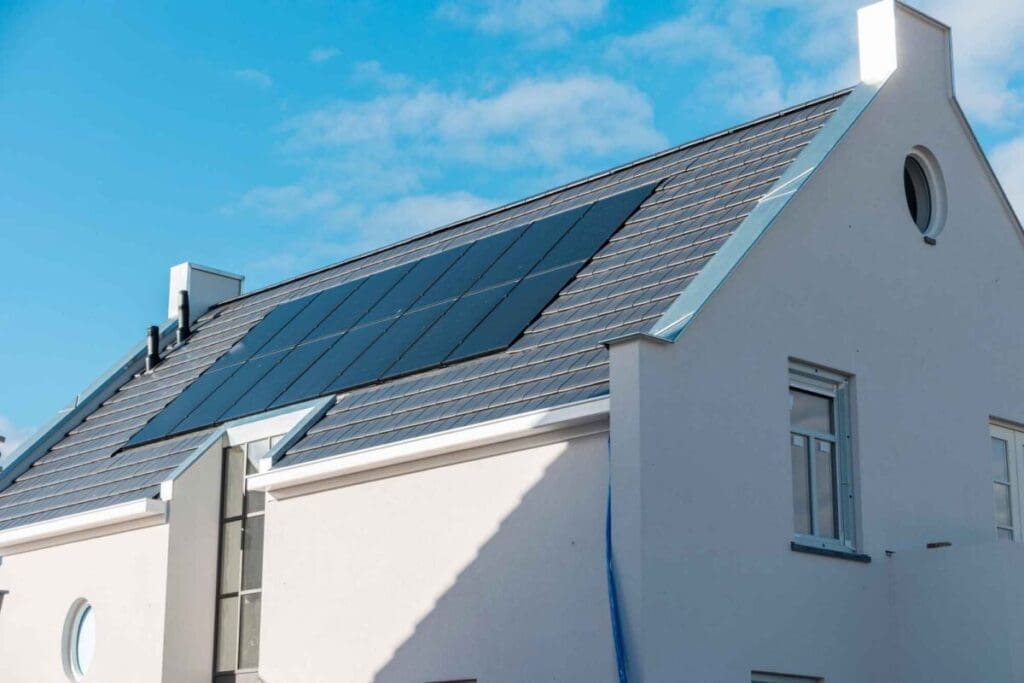
Alberta’s growing green energy sector is picking up some serious momentum in a market dominated by the colossal oil and gas industry. Alberta currently gets much of its electricity from coal and natural gas, but wind, solar and geothermal energies, as well as hydrogen, are starting to make a dent in the formidable, carbon-intensive energy systems Alberta has historically relied on.
The trend is due in part of the provincial government’s drive to phase out coal and generate 30 percent of its electricity through renewable means by 2030. In part, the growth in renewable energy is being spurred by companies attracted by the region’s vast solar and wind resources, which are more viable to harness now, thanks to the falling costs of solar and wind technology.
And in part, the increased interest represents a slow, but exciting shift in the province—a greater openness towards alternatives to the boom and bust of oil and gas. Here are just some of the recent projects making waves in the green energy sector.
Wind Energy
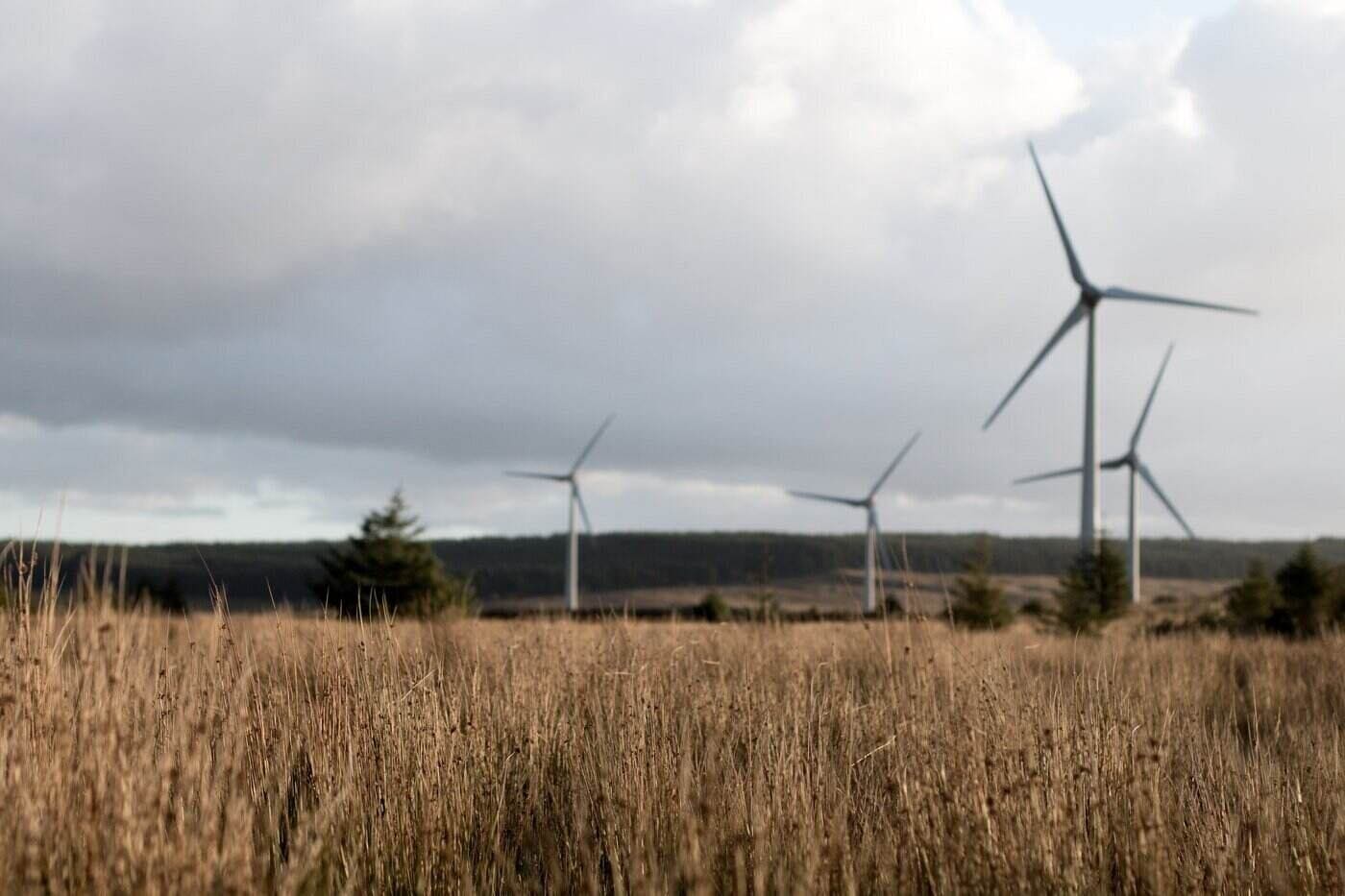
Alberta has a wealth of natural wind resources. In 2020, TransAlta began operating the WindCharger battery storage facility, which uses lithium-ion batteries to store power from its Summerview Wind Farm in nearby Pincher Creek.
The first “utility scale lithium-ion battery storage facility” in Alberta, the facility’s storage capacity totals 20MWh, according to TransAlta.
Stable power storage is a requirement for the more widespread development of large-scale wind and solar operations. At a utility scale, these variable power sources will need to be available on demand in order to be considered feasible alternatives to fossil fuels.
Energy storage is currently the most promising technology we have to smooth out fluctuations in wind and solar energy provision, which makes TransAlta’s project a big step towards making wind power mainstream.

Get the Green Building Project Checklist
Use this handy checklist on your next project to keep track of all the ways you can make your home more energy-efficient and sustainable.
Solar Energy
Although solar energy currently accounts for just a tiny fraction of Alberta’s power supply, that’s also been changing as energy developers seek to capitalize on the province’s solar resources. In fact, southern Alberta will soon play host to Canada’s largest solar farm, covering about 3,300 acres.
Greengate Energy’s Travers Solar Project is currently under construction outside the village of Lomond in Vulcan County, and is expected to start operations by the end of 2022. CEO Dan Balaba tells Jessica Robb of Global News that it will “consist of more than 1.3 million solar panels” and be capable “of producing enough power for 150,000 homes.” Most of the 465 MW of power that the solar farm is expected to generate is already spoken for, however—in June of 2021, Amazon reached a power purchase agreement with Greengate for 400MW from the project.
Geothermal Energy
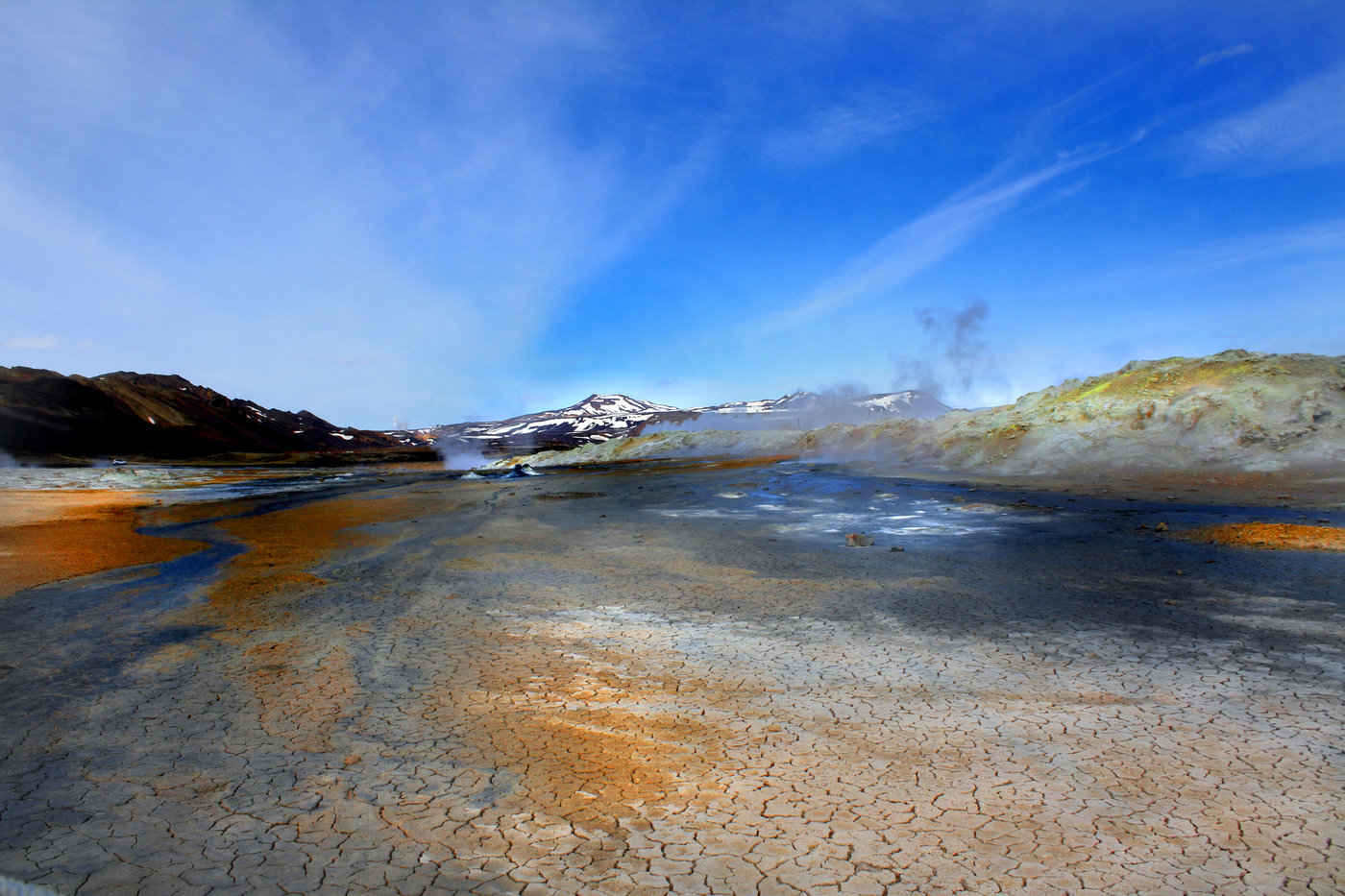
Albertans are used to the idea that energy comes from the ground, but have yet to really tap into the vast geothermal potential under their feet. One project making strides towards more widespread use of geothermal energy is Alberta No. 1.
Alberta No. 1 received major funding from the federal government’s Emerging Renewable Power Program (ERPP) in 2019, and is now under construction with an estimated completion date of 2024. In March 2021, its developer, Edmonton’s Terrapin Geothermics, announced that a “recently completed detailed temperature log” from an inactive well “returned a bottom hole temperature of 118°C,” significantly above the 100°C necessary for geothermal plants to produce power.
Located south of Grande Prairie in the MD of Greenview, the project will be Alberta’s first geothermal power plant. The March announcement confirms the potential of the site to produce power efficiently. Terrapin says that when the plant is operational, it’s expected to produce “10MW of baseload power, and 985 TJ/year of baseload heat,” which will be used to power and heat local industries.
Blue Hydrogen
Last but not least, Alberta is poised to scale up hydrogen development, making major investments in hydrogen technology and banking on it being a key part of the province’s transition to cleaner energy. This investment tallies with the federal government’s hydrogen strategy, which it released in December of 2020. The strategy identifies hydrogen as an important tool in the government’s bid to reach net zero emissions by 2050.
Hydrogen projects in the region hope to capitalize on existing natural gas resources, as well as the infrastructure and skilled labour already in place thanks to the oil and gas industry.
April 2021 saw the launch of a blue hydrogen hub in the Edmonton region and over 2 million dollars of funding dedicated by local, provincial and federal governments. The HUB states that it will “kickstart the Edmonton Region’s hydrogen economy,” with upwards of 25 projects “related to the production, transportation and end use of hydrogen” as well as “carbon capture and storage” underway.
Since blue hydrogen is formed by the separation of natural gas into hydrogen and carbon, that carbon must be captured and stored in order to make blue hydrogen a truly low-carbon alternative to fossil fuels. Unlike green hydrogen, which is made from water using electrolysis, blue hydrogen isn’t currently considered a clean, renewable energy source. The hope, however, is that the hub will promote the technological innovation necessary to effectively manage carbon byproducts.
The HUB suggests that the hydrogen produced in the region could “decarbonize heavy freight, shipping, off-road vehicles, planes and space heating in cold climates,” all end-uses that are more difficult to power through solar or wind energy.
Conclusion
These projects are a hopeful sign of the future for Alberta’s green energy sector. They signal a significant shift towards environmental sustainability and economic growth. They’re also proof that the supposed conflict between the two is nothing more than rhetoric, usually advanced by those with a vested interest in keeping carbon profitable.
Feature image: Sam Forson; Image 1: Bri