
A well maintained air conditioner isn’t just about staying cool, it’s about using less electricity and keeping your bills in check. When dust clogs filters, vents are blocked or the system has to work harder than necessary it uses more energy. Over time that extra strain can also shorten the life of your AC and lead to costly repairs or early replacement.
The good news? You don’t have to be an HVAC professional to take care of your unit. Most maintenance tasks are quick, simple and don’t require special tools. By making them part of your monthly or seasonal routine you can enjoy steady cooling and avoid the “bill shock” that comes with inefficient operation. In this guide, we’ve included an AC maintenance checklist and a list of 10 simple maintenance tips you can follow to keep your unit running smoothly and efficiently.
Air Conditioner Maintenance Checklist
Download a PDF version of this checklist
Every 1–3 Months
Every 6 Months
Once a Year (Spring is Best, Before Heavy Use)
As Needed
1. Clean or Replace Filters Regularly
The filter is your AC’s first line of defense against dust, dirt and allergens. Over time it collects particles from the air and when it becomes clogged airflow slows down. This forces the unit to work harder to keep the temperature steady which means more energy use.
For most households cleaning or replacing filters every 1-3 months works well. If you have pets, live in a dusty environment or run the AC frequently you may need to do it monthly. Wash reusable filters with mild soap and water, rinse them thoroughly and let them dry completely before reinstalling. Disposable filters should be replaced as recommended by the manufacturer.

Get the Green Building Project Checklist
Use this handy checklist on your next project to keep track of all the ways you can make your home more energy-efficient and sustainable.
A clean filter can improve cooling efficiency by up to 15 percent; an easy win for your comfort and your wallet.
2. Keep Vents Clear
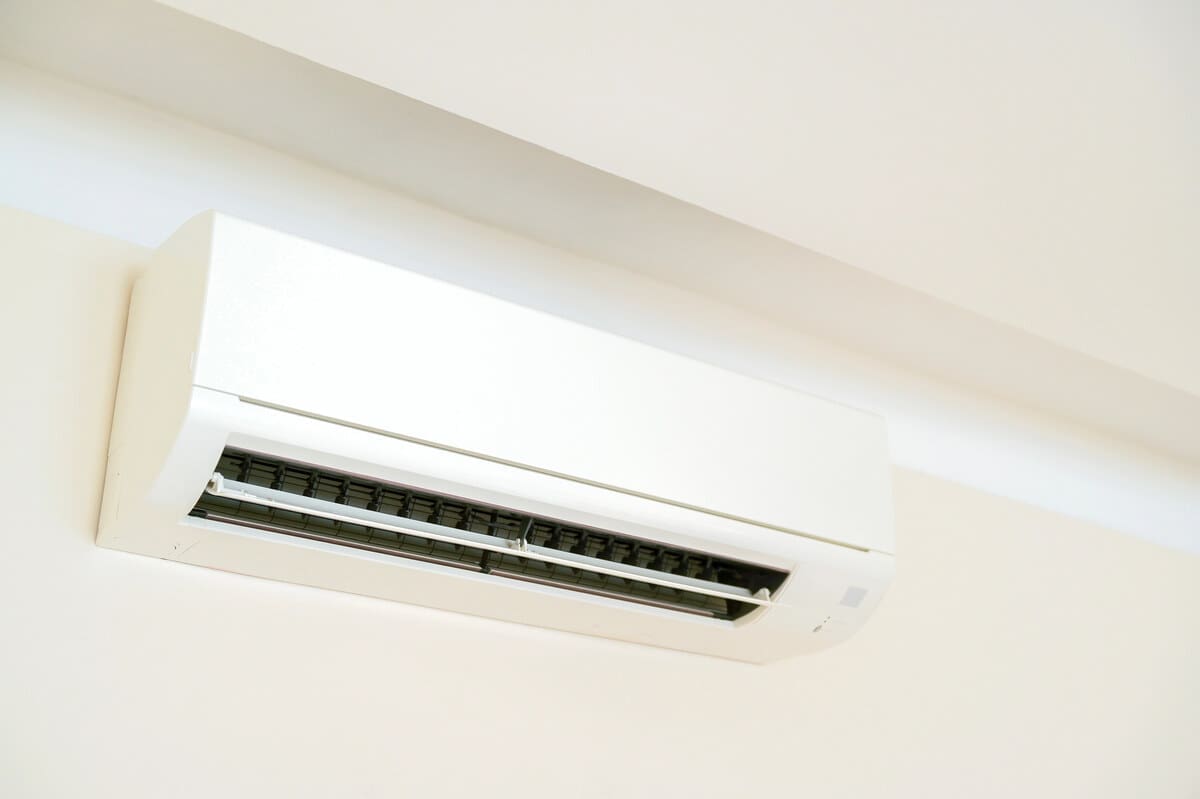
Airflow is critical for efficient cooling, but vents often get overlooked. Whether you have a split system, ducted unit, or other types of air conditioners, blocked vents from furniture, curtains or rugs will make your AC push harder to circulate air, increasing energy use.
Take a few minutes every month to walk around your home and check all vents. Make sure they’re fully open and unobstructed. Give the covers a quick dusting to remove buildup, and vacuum any debris around floor vents. Even small improvements in airflow can help your system run more efficiently.
3. Maintain the Outdoor Unit
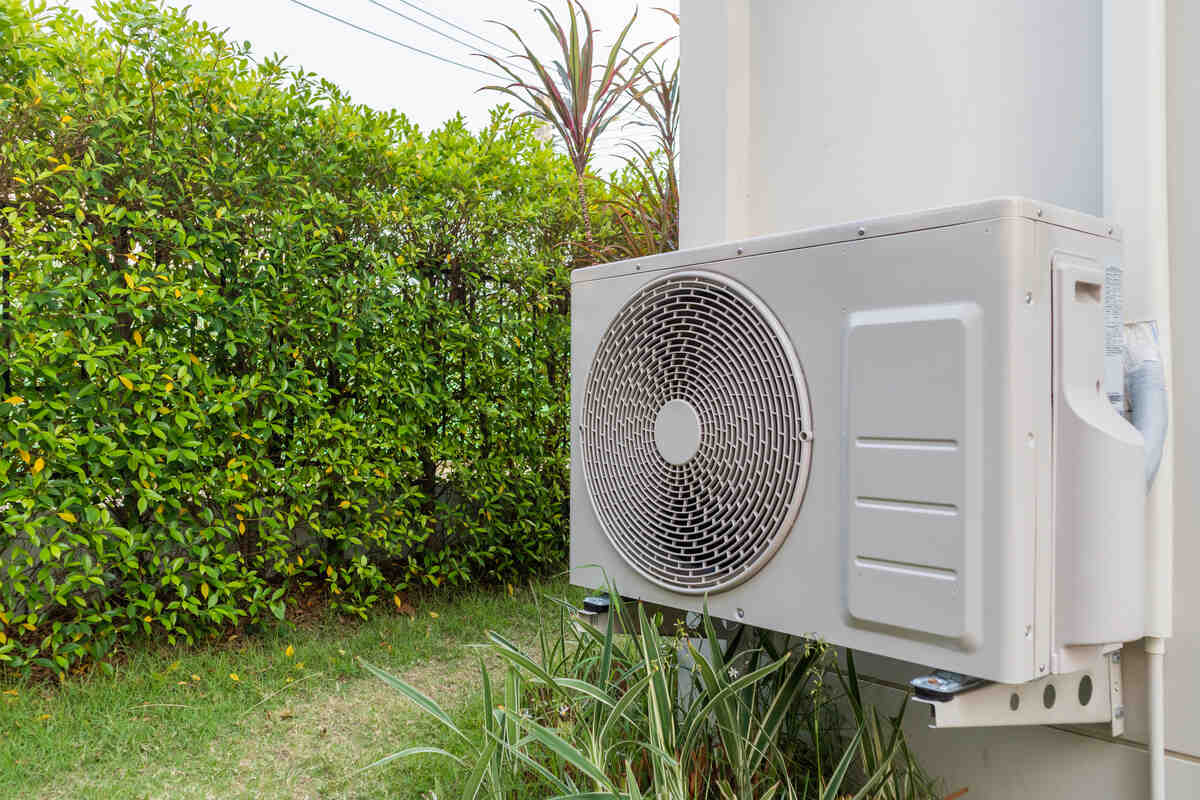
Your outdoor condenser plays a major role in releasing heat from your home but its efficiency can drop if it’s surrounded by dirt, leaves or overgrown plants. Simple yard maintenance can make a big difference.
- Clear away leaves, grass and debris that may have accumulated around the unit.
- Keep plants trimmed at least half a metre away to allow for proper airflow.
- Rinse fins gently with a garden hose every few months to remove dust and don’t use high pressure which can bend the delicate fins and reduce performance.
By keeping the outdoor unit clean and unobstructed you’re allowing the AC to do its job without extra strain.
4. Seal Air Leaks
No matter how efficient your air conditioning is it can’t keep your home cool if the hot outside air is making its way inside the home. Gaps around windows and doors and leaks in ductwork can waste a lot of energy.
Check for drafts by running your hand along window and door frames. If you feel warm air entering or cool air escaping, seal the gaps with weatherstripping or caulk. For ducted systems leaks in the ducts themselves can be a hidden problem, have them inspected and sealed during your next professional service.
Sealing leaks keeps your home cool and reduces how long the AC has to run, saving both energy and money.
Learn how to seal leaks in How to Properly Air Seal Your Home.
5. Use the Thermostat Smartly
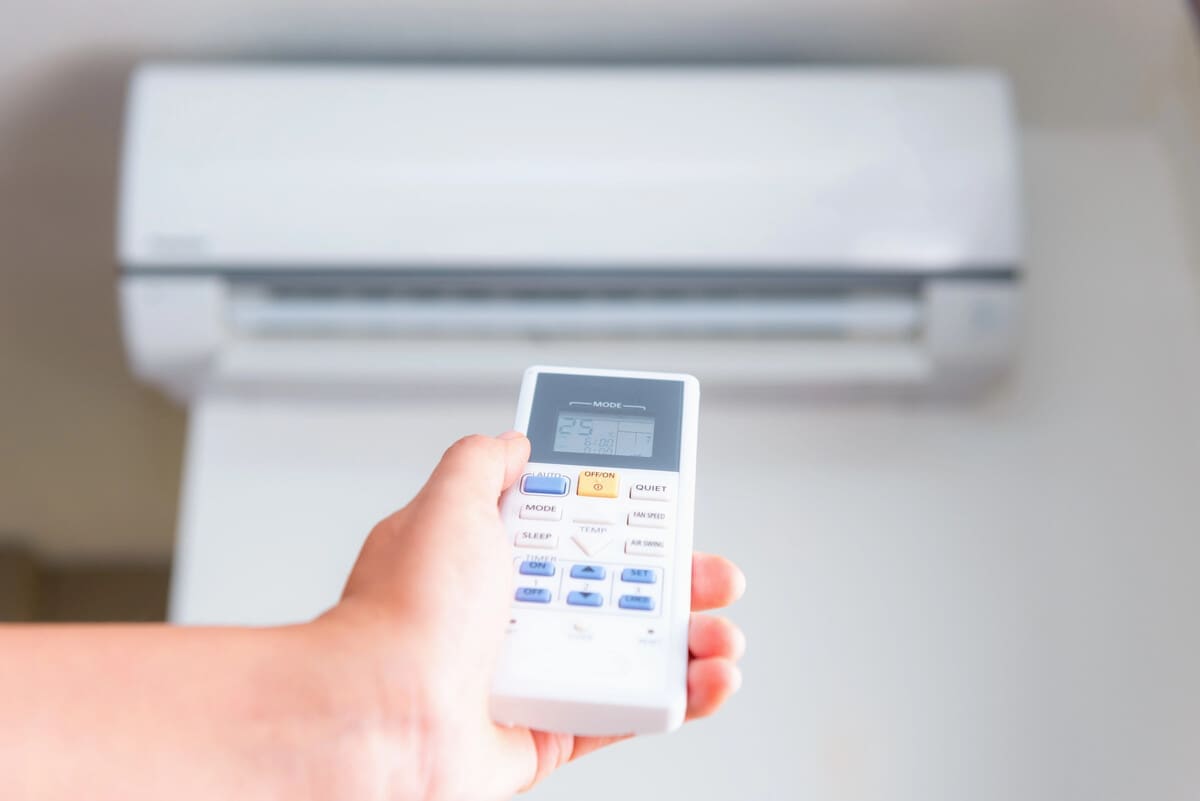
Your thermostat settings play a big role in energy consumption. A few adjustments can make a big difference without sacrificing comfort. Try increasing the set temperature a few degrees, often you won’t even notice the change but your bill will. Read this article on The Ideal Temperature to Set an Air Conditioner for Both Comfort and Energy Saving for a more detailed look at this topic.
Another strategy is to use a programmable schedule when you’re not at home so your AC isn’t cooling an empty space. And if your air conditioner has an “eco” mode try using it during mild weather. For even more control consider upgrading to a smart thermostat that learns your habits and adjusts temperatures automatically for maximum efficiency.
6. Block Out Excess Sunlight
Sunlight streaming through windows can heat up your home quickly, making your AC work overtime. To keep the heat outside where it belongs, close blinds or curtains during the hottest parts of the day especially on windows that face east and west.
Light coloured or reflective window coverings are even more effective at bouncing heat away. You can also install window films or exterior shades for extra insulation. By reducing the amount of heat entering your home your AC won’t have to work as hard to maintain a comfortable temperature.
7. Schedule an Annual Service
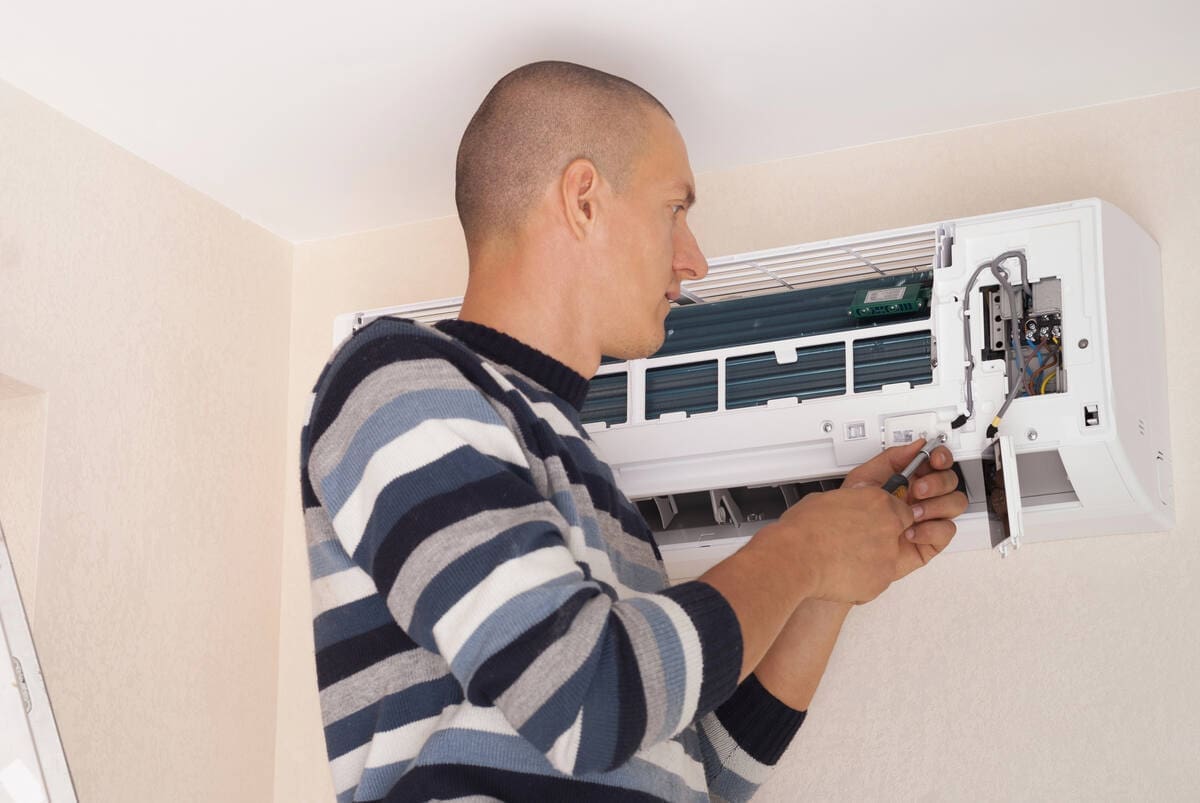
Even if you do basic maintenance yourself it’s still important to have your AC professionally serviced once a year. A trained technician can do things you can’t, like check refrigerant levels, inspect electrical components for problems and spot early signs of wear and verify overall efficiency so the unit runs smoothly during peak demand.
Think of it as a health check-up for your AC. It keeps the system in top shape and can extend its life.
8. Use Fans to Assist Cooling
Fans don’t lower the temperature but they help circulate air so you feel cooler. This allows you to raise the thermostat a degree or two without feeling much difference in comfort.
Ceiling fans in particular can create a gentle breeze that makes rooms feel more comfortable. In summer, set them to rotate counterclockwise so they push cool air down. Portable fans can also be useful for targeted cooling in occupied rooms reducing the need to run the AC at full capacity.
9. Limit Heat-Generating Activities During Peak Hours
The hottest part of the day is already a challenge for your AC, adding extra indoor heat makes it work even harder. Don’t run ovens, clothes dryers or dishwashers in the afternoon heat. Instead, do these tasks early in the morning or later in the evening when it’s cooler outside.
You’ll reduce indoor heat buildup and give your air conditiong a break which means lower energy consumption during peak hours when electricity rates may be higher.
10. Watch for Unusual Changes
Your AC often gives warning signs before a breakdown. If you notice unusual noises, odours or reduced cooling performance don’t ignore them. Small issues like a loose part or a minor refrigerant leak are usually easier and cheaper to fix early.
Prompt attention not only prevents bigger problems but also ensures your system runs efficiently and avoids wasting energy.
Maintaining your AC doesn’t have to be complicated or time consuming. A few minutes each month to clean filters, check vents and keep the outdoor unit clear can go a long way to lower your energy use. Add these habits to smart thermostat settings and good shading and you’ll keep your cooling costs down. Want to further save energy on air conditioning (or avoid using air conditioning altogether)? Read this Simple Ways to Keep Your Home Cool Without Overusing the AC.
Images from Depositphotos