Renovate Once, Renovate Right
How AI Interior Design Tools Prevent Costly (and Wasteful) Mistakes

In the world of sustainable building, we spend a lot of time discussing R-values, triple-pane windows and heat pumps. However, there is a silent contributor to Canada’s landfill crisis that often goes unnoticed: the “oops” factor in interior design.
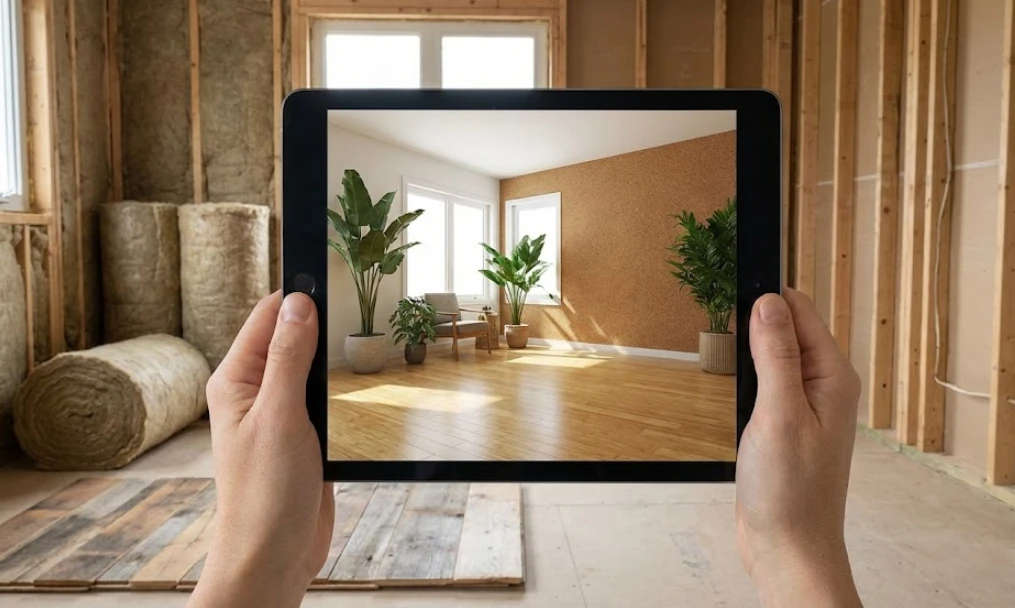
According to StatCan, Canada generates 4 million tonnes of construction, renovation and demolition waste annually. A significant portion of this is not structural debris, but aesthetic waste. It is the perfectly good ceramic tile that was ripped out because it looked “too cold” once installed. It is the gallon of premium paint sitting in the basement because the shade was “too yellow” under pot lights. It is the furniture shipped across the ocean, only to be returned (and often discarded) because it didn’t fit the flow of the room. AI room design tools help users visualize their space before buying furniture, reducing the risk of costly returns and unnecessary waste.
The most sustainable renovation is the one you get right the first time.
Historically, avoiding these mistakes required expensive renderings from professional architects. Today, the landscape has changed. The emergence of AI room design free software has given homeowners the power to visualize the future before a single resource is consumed. These tools act as a digital safety net, allowing us to experiment before any carbon is emitted. By shifting the “trial and error” phase from the physical world to the virtual screen, we aren’t just saving money, we are saving the planet.
Beyond the Mood Board: The Rise of the AI Room Planner
Traditional mood boards, such as collages of fabric swatches and paint chips, are romantic but fundamentally flawed. They cannot show you how materials interact in 3D space. They cannot simulate how a reclaimed wood floor absorbs light compared to polished concrete.

Get the Green Building Project Checklist
Use this handy checklist on your next project to keep track of all the ways you can make your home more energy-efficient and sustainable.
This is where an AI room planner becomes an essential tool. Unlike simple 2D collage apps, modern AI uses generative technology to create a digital twin of your space. It understands geometry, depth and lighting. Users can select their preferred design style and experiment with different aesthetics to personalize the room’s look and feel. AI room planners often provide access to an extensive library of furnishings, materials, and decor options, allowing for greater creativity and customization.
Virtual Sampling vs. Physical Shipping
Consider the carbon footprint of obtaining samples. To choose a flooring, a homeowner might order ten different heavy sample boards. These are manufactured, packaged in plastic and shipped via truck or plane to your doorstep. After a decision is made, the samples are often thrown away.
With generative AI, you can digitally “install” hundreds of flooring types in seconds. While you should always see your final choice in person, AI narrows down the options from fifty to three. This massive reduction in physical sampling logistics is a small but meaningful victory for the environment.
Using AI to Improve Energy Efficiency

One of the most overlooked aspects of green building is the relationship between interior surfaces and energy consumption. In Canada, where winter days are short, maximizing natural light is critical for reducing electricity usage and improving passive solar gain.
Using AI for room design allows you to test the “Luminous Environment” of a room. Here’s how it works practically.
By visualizing your space before painting, you can design a room that works with the sun, not against it. These AI-generated visuals support real decisions by providing accurate previews of how your design choices impact energy efficiency.
The Light Reflectance Value (LRV) Test
Different colours and textures absorb or reflect light differently.
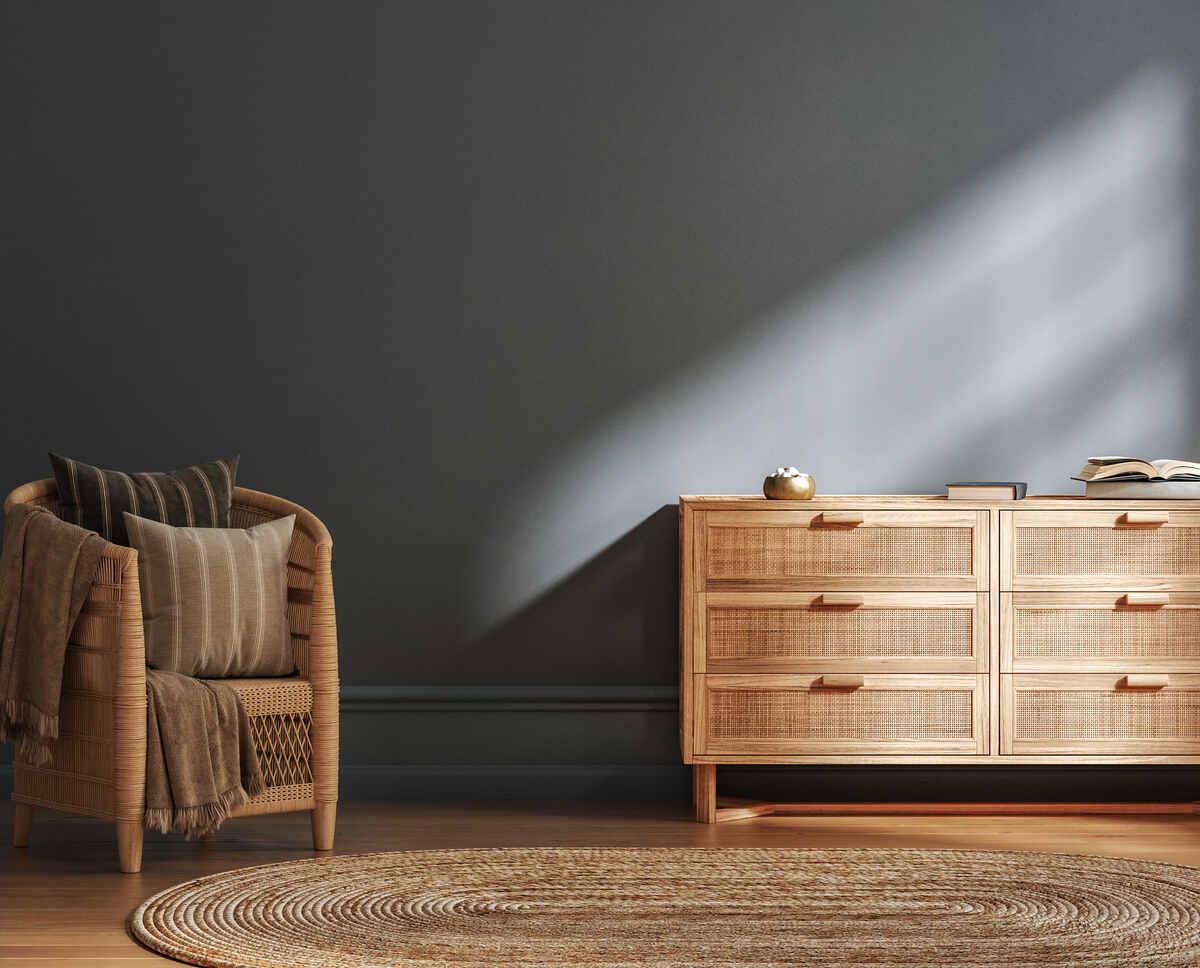
Scenario – You love the trend of “moody interiors” and want to paint your living room charcoal grey.
The AI reality check – You generate the room in AI. You realize that the dark walls absorb 90 percent of the sunlight entering your south-facing windows. To make the room liveable, you would need to turn on artificial lights at 2:00 PM in December.
The sustainable pivot – You use the AI to swap the wall colour to a warm, off-white clay tone. The render shows how the light bounces deep into the room. You decide to keep the dark colour only for an accent wall or furniture.
By visualizing this before painting, you design a room that works with the sun, not against it, permanently lowering your home’s energy demand.
Visualizing Sustainable Materials
One barrier to adopting eco-friendly materials is their unique aesthetic. Sustainable materials often look different than the mass-produced, uniform finishes we are used to.
Cork flooring – It’s warm and renewable, but will it look like a bulletin board?
Reclaimed barn board – It’s full of character, but will it look too rustic for a modern condo?
Recycled glass countertops – They are durable, but will the texture clash with the cabinets?
Homeowners often play it safe and buy standard vinyl or quartz because they “know what it looks like.” An AI room decorator tool bridges this confidence gap.
You can prompt the AI to: “Redesign this kitchen with sustainable cork flooring and FSC-certified plywood cabinetry, modern minimalist style.”
These tools allow users to explore a wide range of interior design ideas, helping them discover creative and sustainable solutions for their homes.
Seeing these materials rendered photorealistically in your actual space removes the fear factor. It proves that eco-friendly materials can look high-end and sophisticated. This visual validation is powerful and can be the tipping point that convinces a homeowner to choose a sustainable product over a conventional one.
The Psychology of Longevity
Fast fashion is a disaster for the environment, and “fast interiors” are no different. Trends like farmhouse chic or maximalism come and go, leading to perfectly functional kitchens being torn out every 7-10 years because they look dated.
The most eco-friendly room is one that you will love for 20 years.
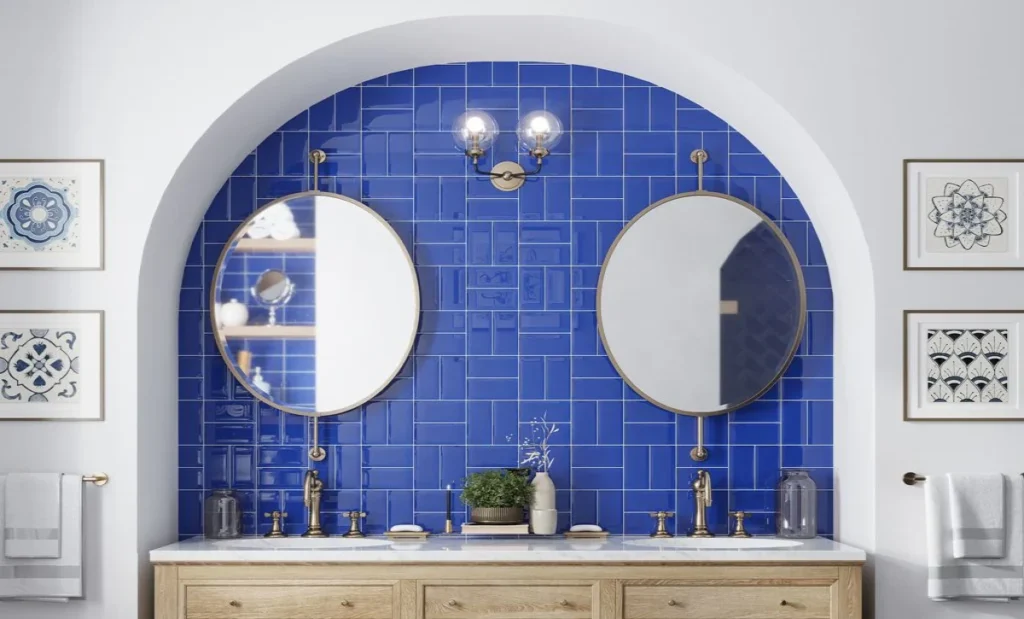
AI helps us test the longevity of a design. You can use AI room design tools to strip away the trends. You can visualize your space with timeless elements versus trendy ones. By seeing 20 iterations of your room in one evening, you get the “novelty” out of your system digitally. You might realize that the bold geometric tile you loved on Instagram actually makes you feel dizzy in your own bathroom.
This process helps you settle on a design that resonates deeply with your personal taste, rather than just copying a trend. Emotional durability leads to physical durability. If you love your space, you won’t send it to the landfill.
Working with Clients: Communication and Collaboration in the AI Era
In today’s fast-paced, tech-driven world, effective communication and collaboration are more important than ever for professional interior designers. AI interior design tools are transforming the way designers and clients work together, making it easier to share ideas, refine concepts and achieve a shared vision for any space.
With a modern room designer, clients can upload their own images, explore a variety of design options and even purchase furniture and decor directly from the platform. This interactive approach empowers clients to play an active role in the creative process, using mood boards to express their design inspiration and desired style. Designers, in turn, can use these insights to create a personalized room plan that reflects the client’s unique tastes and functional needs.
Offering a free trial period allows clients to experience the benefits of advanced AI technology firsthand, building trust and excitement around the project. By leveraging AI tools, interior designers can streamline the workflow, minimize miscommunication, and deliver high-quality interior visuals that bring ideas to life. The result is a more collaborative, transparent and enjoyable design journey. One where every decision is informed, every style is explored and every client feels heard.
The Interior Designer’s Role in a Tech-Driven, Sustainable Future
As the world of interior design evolves, so too does the role of the professional interior designer. In a future shaped by advanced AI and a growing commitment to sustainability, designers are uniquely positioned to lead the way in creating spaces that are both beautiful and responsible.
AI interior design software now enables designers to generate photorealistic renders, experiment with innovative concepts and make data-driven decisions about materials, lighting and layout. This technology empowers designers to craft a dream home for their clients that balances style, comfort and environmental impact. By uploading photos and exploring design options through an AI home design platform, clients can see their vision come to life with unprecedented clarity and confidence.
The use of AI tools doesn’t just enhance creativity; it also supports real decisions that reduce waste and promote well-being. Interior designers can now create personalized room designs that optimize space, improve energy efficiency and reflect the client’s values. As demand for sustainable interiors continues to rise, designers who embrace these tools will be at the forefront of a movement that prioritizes both people and the planet, proving that great design can be innovative, inspiring and deeply sustainable.
Step-by-Step: A Zero-Waste Design Workflow
How do you integrate AI into a green reno? Here is a suggested workflow.
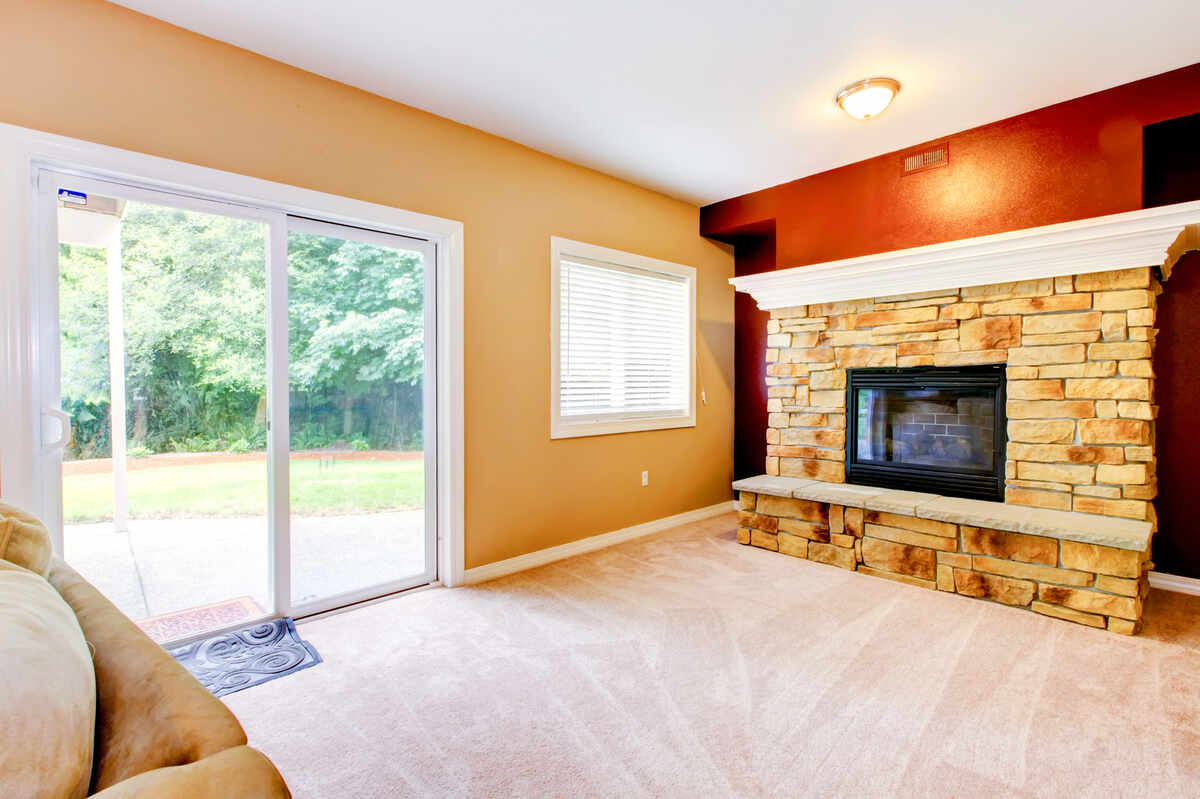
[STEP 1] The Audit (No Demolition Yet) – Take photos of your space in natural daylight. Do not clear everything out yet. Let the AI see the context of your windows and structure. Before uploading, check the image size requirements of the AI tool to ensure optimal upload and rendering quality.
[STEP 2] The “Eco-Prompting” – When using an AI tool, be specific about sustainable aesthetics. Instead of “Make it look modern,” try instead: “Modern living room, natural materials, biophilic design, large indoor plants, maximize natural light, linen textiles, light oak wood.”
[STEP 3] The material swap – Use the tool to test alternatives. If you planned on a hardwood floor, test “bamboo flooring” to see if you like the grain. If you planned on a new sofa, use AI to visualize your existing sofa with a new slipcover (upcycling) in the redesigned room.
[STEP 4] The lighting check – Look at the shadows in the render. Are corners too dark? Adjust the colour palette to lighter tones to improve efficiency.
[STEP 5] The targeted shopping list – Once the design is locked, buy only what is in the image. This prevents impulse purchases at the hardware store that end up gathering dust in the garage.
The Financial and Environmental ROI
Critics might argue that technology complicates the process. But let’s look at the Return on Investment (ROI).
Financial ROI: A free AI room design tool costs nothing (or a small subscription for premium features). A mistake in tiling a bathroom costs thousands of dollars in labour and materials to fix.
Environmental ROI – Every can of paint not bought, every square foot of tile not wasted and every piece of furniture not returned reduces your carbon footprint.
Furthermore, a well-designed, light-optimized home has lower utility bills. A home designed with timeless materials has a higher resale value and requires less maintenance.
Yulii Cherevko is a design technology specialist and co-founder of Paintit.ai. With a background in architecture and a passion for sustainable living, he writes about how artificial intelligence can help homeowners bridge the gap between imagination and reality, promoting efficient, low-waste design practices.
Images from Depositphotos