
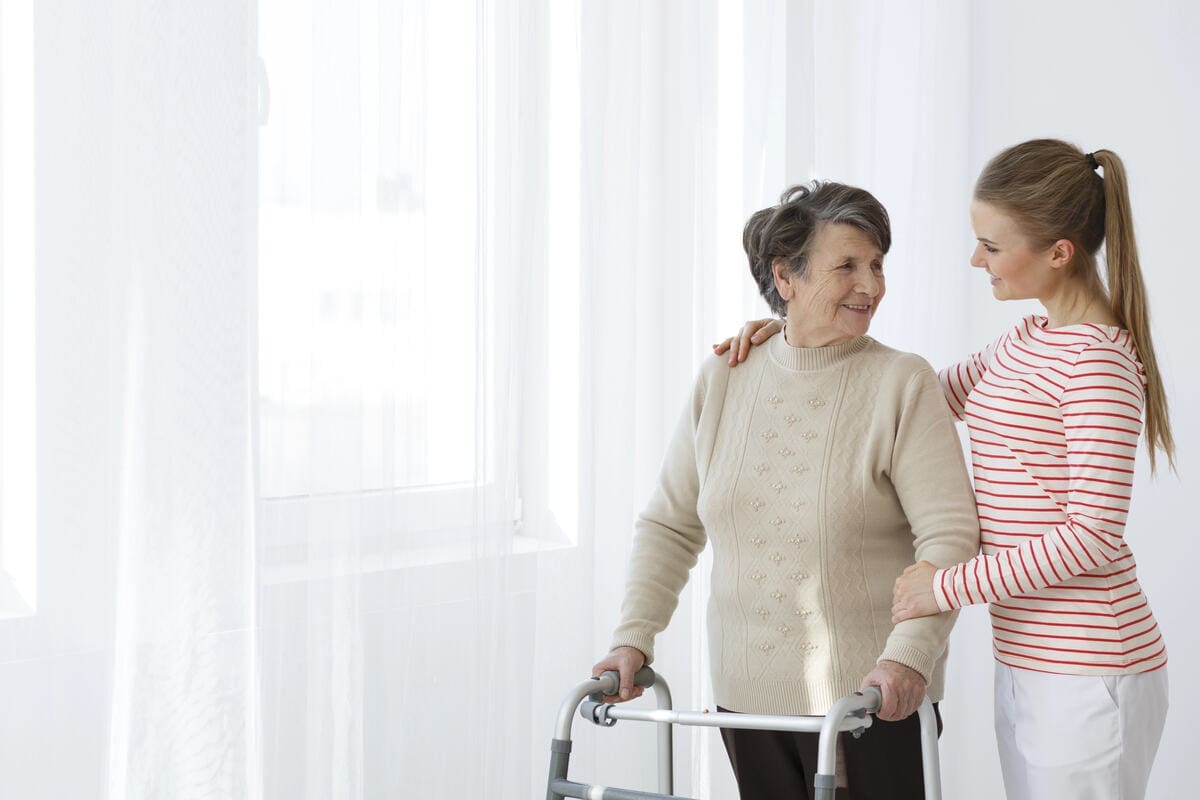
When we talk about sustainable homes, most conversations focus on things like insulation, solar panels and smart thermostats. But there’s another layer of sustainability that often gets overlooked: building homes that can grow with us – not just in terms of efficiency, but in terms of safety, longevity and accessibility. For aging Canadians who want to stay in their homes longer, that means thinking beyond insulation and into emergency planning.
Aging in place isn’t just a personal preference, it’s a smart strategy. And like any good strategy, it starts with preparation. Whether you’re designing a new build or retrofitting a beloved family home, integrating safety tools like an emergency call button for seniors is one of the simplest ways to future-proof your space without sacrificing its green values.
Why Safety Belongs in the Sustainability Conversation
Green building isn’t only about reducing emissions. It’s about creating long-lasting, liveable spaces. If a home isn’t designed with aging occupants in mind, it may eventually push those residents out, resulting in more stress, more healthcare costs, and yes, more environmental waste from unnecessary moving into care facilities.
Incorporating safety features from the beginning helps extend the lifespan of the home as a home. Things like wider doorways, zero-step entrances and slip-resistant flooring are now commonly included in aging-in-place design. But emergency call systems often get added later – if at all. That’s a missed opportunity.
When built into the home’s framework early on, emergency call buttons can blend right into a sleek, modern aesthetic while offering peace of mind. They’re discreet, low-energy and can work even in passive or net-zero homes without compromising any of the building’s energy-saving integrity.
What Is an Emergency Call Button, Exactly?
Get the Green Building Project Checklist
Use this handy checklist on your next project to keep track of all the ways you can make your home more energy-efficient and sustainable.
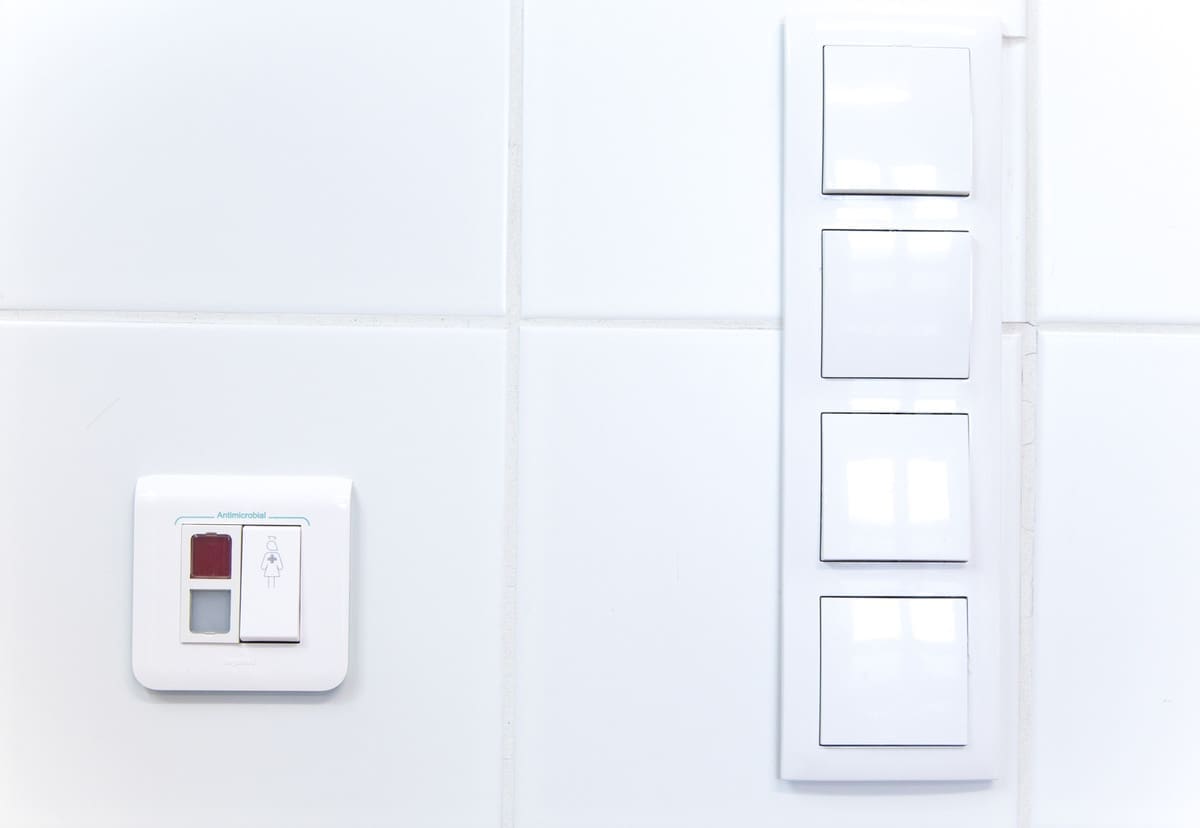
In simple terms, it’s a small, easy-to-access device that lets someone call for help with the press of a button – no need to reach a phone. Some are wall-mounted in key areas like the bathroom or bedroom; others are wearable, like pendants or wristbands. The best versions also come with fall detection and mobile connectivity, meaning they work even if someone is unconscious or outside the home.
It’s tech that sits quietly in the background until it’s needed – much like a smoke detector or security system. You don’t notice it until you need it, and when you do, you’re glad it’s there.
How Emergency Call Buttons Fit into Green Home Design
Designing a home for long-term sustainability involves a lot of trade-offs, but safety shouldn’t be one of them. Emergency call systems can be added with minimal disruption and operate with extremely low energy consumption. Here’s why they make sense in green builds:
Low-energy use – Most buttons run on small batteries or low-voltage power. They don’t add to your footprint the way traditional home security systems or constant video monitoring might.
Minimal material impact – These are small devices. There’s no need to rip up walls or install bulky systems. Wireless options are especially retrofit-friendly.
Durability – Once installed, they last for years with very little maintenance, fitting right into a low-waste, long-term build philosophy.
Plus, emergency call buttons can actually prevent the environmental toll of unnecessary ambulance calls or ER visits caused by delayed response after a fall or health scare.
Retrofitting? Here’s How to Integrate Safety with Style

If you’re not starting from scratch, not to worry, retrofitting emergency call systems into existing homes is simple. Here are a few tips to do it right.
1. Choose Wireless Models
Look for systems that don’t require extensive wiring. This keeps your walls intact and your costs low. Wearable models are a great choice and won’t disrupt a clean design aesthetic.
2. Blend into Design Choices
Wall-mounted call buttons can be matched to wall colours or placed in subtle corners where they’re accessible but not obvious. They don’t need to be front-and-centre to be effective.
3. Prioritize Key Zones
The bathroom, kitchen and bedroom are smart places to start. These are the areas where seniors are most likely to need help quickly.
4. Include Fall Detection if Possible
Some systems can automatically detect a fall and send for help without any action from the user. That’s a huge asset, especially if mobility is already a concern.
Future-Proofing Homes, the Green Way
Sustainable homes aren’t just efficient; they’re resilient. And resiliency includes the ability to adapt to physical changes over time. We age. We recover from surgery. We need support, sometimes unexpectedly.
Emergency call buttons offer a low-impact, high-reward way to make sure a home is ready for those changes. They’re easy to add, easy to use, and, when needed, absolutely essential.
As the population ages and more people choose to stay in their homes longer, the demand for safety-forward green building will only grow. Builders, designers and homeowners who embrace this now are ahead of the curve and helping build a more inclusive definition of sustainable living.
Images from Depositphotos