
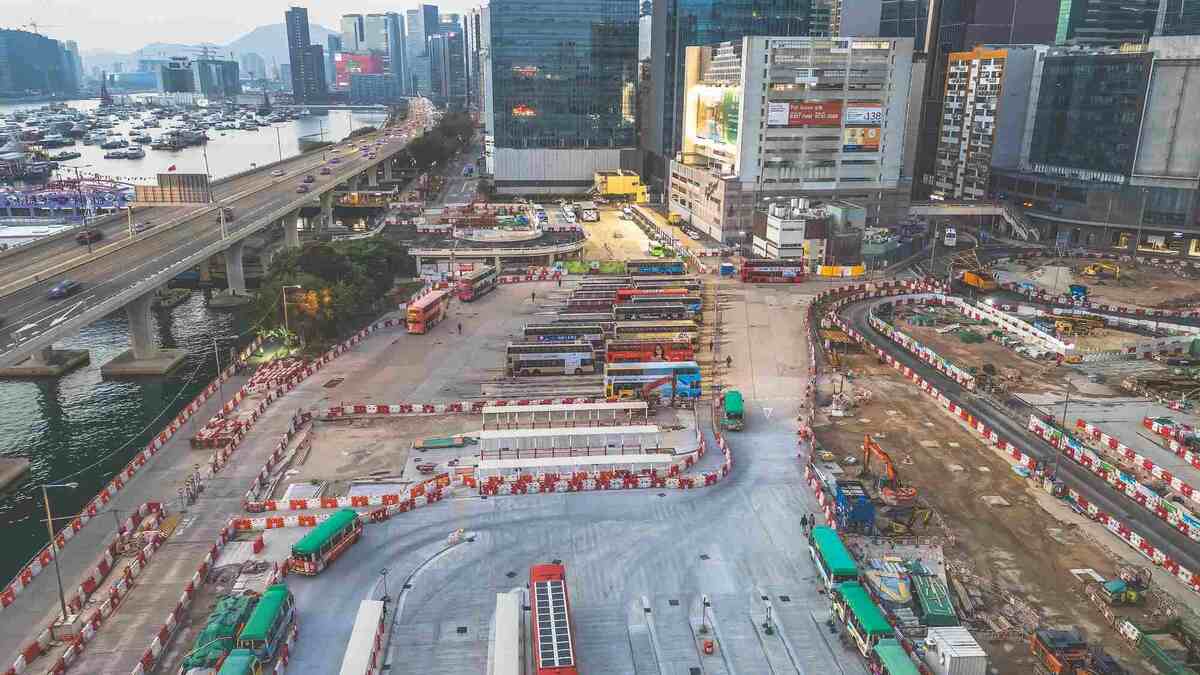
Canada has introduced a new national standard to help transit and passenger rail operators prepare for the growing risks posed by extreme weather and climate change.
Developed by CSA Group with support from the Standards Council of Canada, CSA D700:26, Climate Change Adaptation and Resilience for Transit and Passenger Rail Systems, provides a framework for identifying vulnerabilities, assessing risks and planning infrastructure improvements.
The standard addresses mounting concerns about flooding, extreme heat, severe storms and freezing rain disrupting transportation networks.

Addressing Growing Climate Risks
Climate-related damage is placing increasing pressure on Canada’s transportation infrastructure, particularly as aging systems face more frequent extreme weather events. According to CSA Group’s assessment of climate-resilient transit, intense precipitation and extreme heat are among the most pressing threats facing Canadian transit agencies.
Heavy rainfall can flood tracks and damage electrical equipment, while high temperatures can affect railway tracks, overhead power systems and passenger safety. These challenges reflect wider concerns about climate-resilient construction and the need to design infrastructure capable of withstanding future environmental conditions.
A Three-Part Framework for Climate Adaptation

Get the Green Building Project Checklist
Use this handy checklist on your next project to keep track of all the ways you can make your home more energy-efficient and sustainable.
The new CSA D700 standard establishes three main areas for transit operators to address.
- The first involves identifying climate hazards, assessing infrastructure vulnerabilities and determining which assets face the greatest risks.
- The second focuses on adaptation planning, including evaluating potential solutions, comparing costs and prioritizing infrastructure investments.
- The third addresses implementation and ongoing monitoring, ensuring adaptation strategies remain effective as climate conditions change.
Potential improvements include upgraded drainage systems, elevated electrical equipment, stronger overhead power infrastructure and revised maintenance procedures. These measures could help reduce service disruptions while extending the operational life of critical infrastructure.
Part of Canada’s Broader Infrastructure Strategy
The standard supports Canada’s wider efforts to integrate climate resilience into infrastructure planning and construction. The federal government’s 2026 National Adaptation Strategy Progress Report estimates that climate-related losses already average $9.2 billion annually across the construction sector.
Meanwhile, Canada’s National Infrastructure Assessment identifies climate change as a growing challenge for public transit and other essential municipal infrastructure. CSA D700 also follows the introduction of updated Canadian bridge design standards incorporating future climate projections into infrastructure design.
Building More Resilient Transportation Networks
CSA D700 complements existing railway safety and emergency management standards while aligning with international climate adaptation guidance. Its introduction could also influence how municipalities approach infrastructure investments, particularly where flooding and extreme rainfall threaten transit facilities.
Strategies such as improved stormwater management and green infrastructure for rainfall management may become increasingly relevant to surrounding transportation developments. As Canada expands and modernizes its transit networks, the new standard provides a consistent approach to addressing climate risks before they result in costly repairs and service interruptions.
Image from Depositphotos


