
The Role of Green Spaces in Creating More Liveable Residential Communities

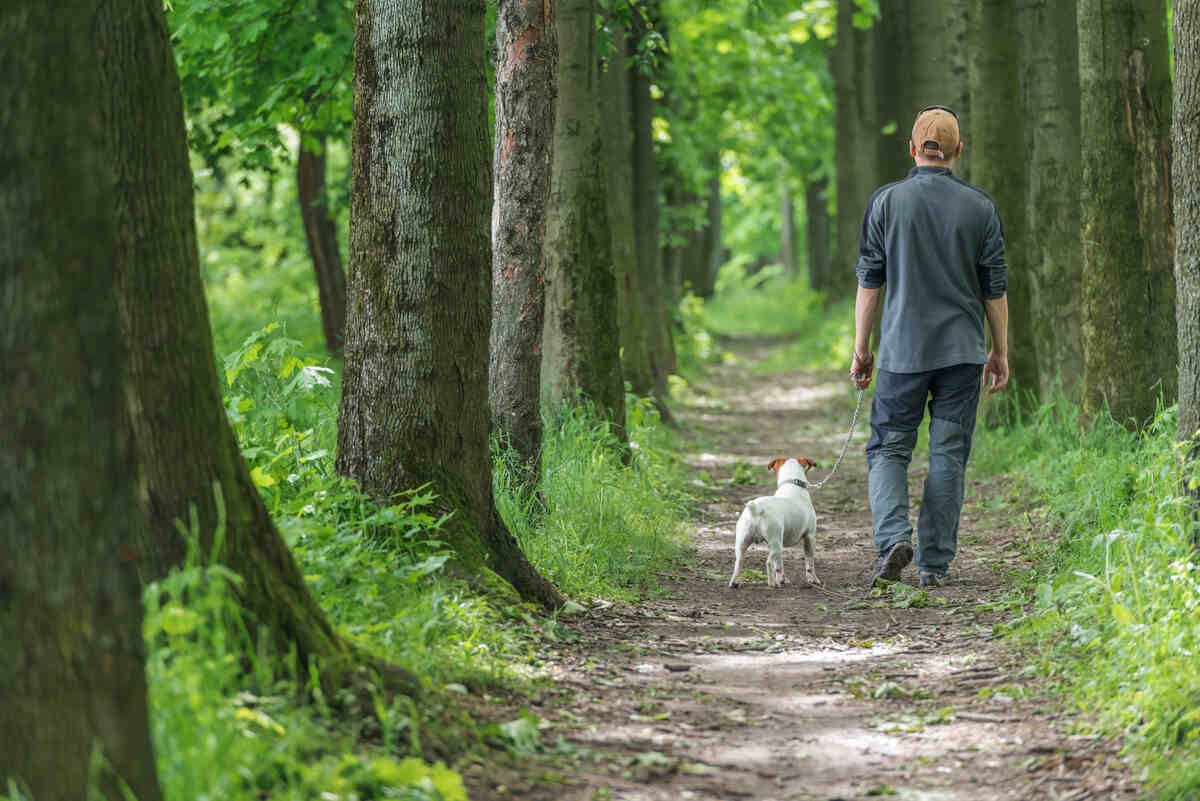
A great neighbourhood is about more than the homes people live in. It’s also about the surroundings that shape their everyday experiences, from the parks they visit on weekends to the walking trails they use after work and the trees that provide shade during warmer months. These details might seem small at first, but they can have a meaningful impact on how comfortable, connected and enjoyable a community feels. Having access to outdoor spaces gives residents more opportunities to step away from their daily routines, spend time with family, relax and enjoy the natural environment close to home.
Green spaces also support local wildlife, contribute to environmental health and create shared spaces where neighbours can interact. But what makes these areas so valuable, and how do they help turn residential neighbourhoods into places where people genuinely enjoy spending their time?
Making Everyday Life Healthier and More Active
It’s easy to spend most of the day indoors, especially when work, school and other responsibilities leave little room for outdoor activities. Having accessible green spaces nearby gives residents a convenient reason to step outside, enjoy some fresh air and incorporate more movement into their daily routines. Rather than having to drive somewhere or plan an entire recreational outing, people can simply walk to a nearby park or follow a local trail whenever they have some free time.
Parks and recreational pathways offer plenty of opportunities to stay active without requiring an expensive membership or a complicated exercise routine. Residents can go for a morning walk before starting work, take their bikes out with the family in the afternoon, or enjoy a casual jog after dinner. Children also benefit from having open areas where they can run, play and explore, while older adults can use accessible pathways for gentle exercise and regular outdoor activities.
The benefits aren’t limited to physical health, either. Spending time outdoors can help reduce everyday stress, improve mood and provide a welcome change of scenery when life starts feeling a little overwhelming. Even a short walk through a tree-lined park can offer a chance to clear your thoughts and return to your responsibilities feeling more refreshed. Having these opportunities close to home makes it easier for residents to build healthier habits that become part of their everyday lives.

Get the Green Building Project Checklist
Use this handy checklist on your next project to keep track of all the ways you can make your home more energy-efficient and sustainable.
Bringing Neighbours Closer Together
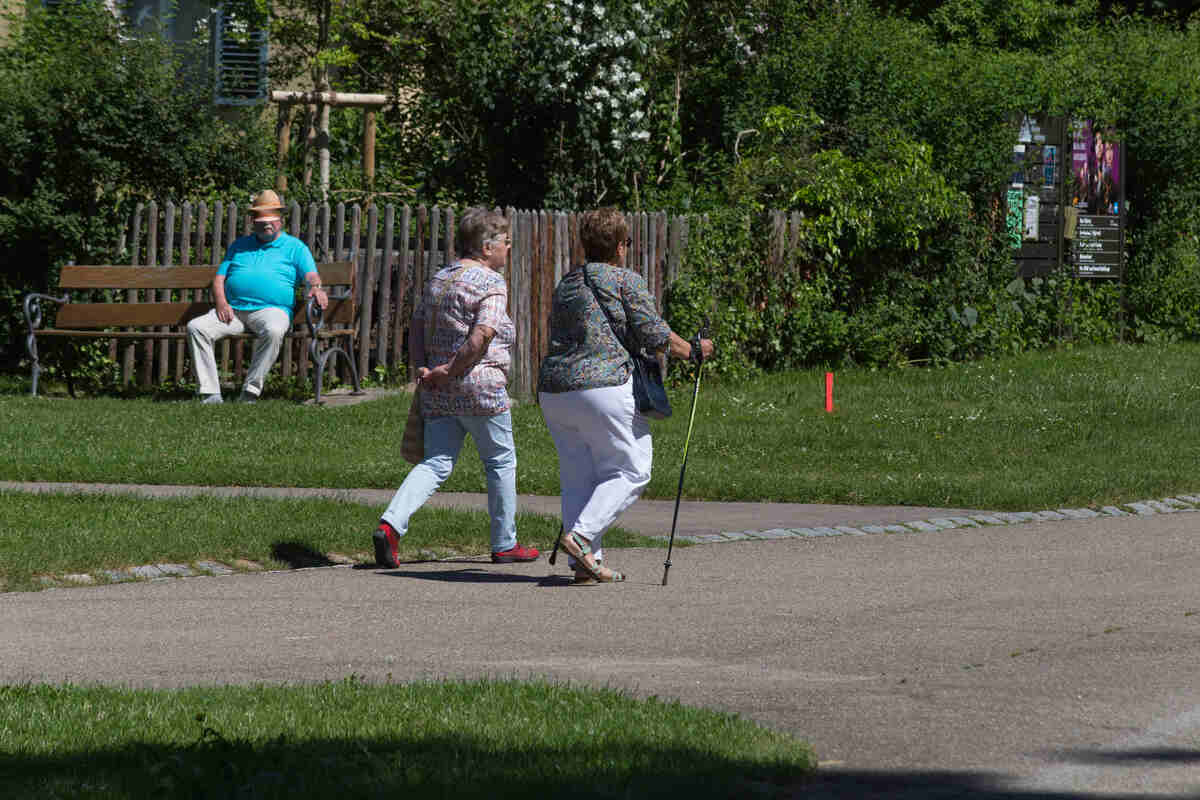
Green spaces aren’t simply places to exercise or enjoy nature. They’re also natural gathering points where neighbourhood relationships can develop through everyday interactions. Consider a local park on a warm summer afternoon, where children are playing on the swings, parents are chatting nearby and neighbours are walking their dogs along the pathways. These moments might seem ordinary, but they’re often how people become familiar with one another and gradually develop a stronger connection to the community around them.
Shared outdoor spaces create opportunities for residents to meet people they might not otherwise encounter. A quick conversation at a playground or a friendly greeting along a walking trail can make a neighbourhood feel more welcoming, particularly for people who have recently moved into the area. Over time, these small interactions can help build familiarity and trust, making residents feel more comfortable and connected to the people living nearby.
Community parks, picnic areas, sports fields and open recreational spaces can also accommodate informal gatherings and local activities. Families can organize weekend outings, neighbours can enjoy outdoor celebrations and community groups can arrange events that bring people together. Having these shared spaces available gives residents more reasons to spend time outside their homes while creating opportunities to develop meaningful social connections. After all, feeling comfortable in a neighbourhood isn’t only about having a nice place to live. It’s also about feeling connected to the people and places around you.
Preserving Natural Beauty and Residential Appeal
The appearance and atmosphere of a neighbourhood can have a considerable influence on how residents experience their surroundings. Tree-lined streets, well-maintained parks, colourful gardens and open natural areas help create inviting residential environments where people enjoy spending time outdoors. These features also add variety to developed areas, making neighbourhoods feel less crowded and providing a pleasant contrast to the roads, buildings and other structures that make up everyday residential life.
Trees and vegetation can make outdoor spaces more comfortable by providing shade during warmer months, while landscaped gardens and natural areas add colour and character throughout the changing seasons. Walking along a quiet, tree-covered street or enjoying an afternoon in a nearby park can make even familiar surroundings feel more relaxing. These natural features also contribute to the overall character of a neighbourhood, giving it a distinct atmosphere that residents can appreciate throughout the year.
For people considering a move, whether to a city, suburb or small town, access to green spaces is often an important part of the decision-making process. For people moving to a big city like Toronto, access to green spaces can provide a welcome escape from busy streets, traffic and urban noise, as well as convenient places to relax, exercise and enjoy nature. For those thinking about living in St. Albert or another suburb, emphasis is generally on family-friendly parks, playgrounds and walking trails, offering opportunities for children to play, stay active and spend time outdoors close to home. In smaller towns, green spaces are often valued for their proximity to nature, peaceful surroundings and the opportunity to enjoy outdoor activities as part of a more relaxed, everyday lifestyle.
Creating More Family-Friendly and Accessible Communities

A welcoming residential community should provide outdoor spaces that meet the needs of people at different stages of life. Parks, playgrounds, walking paths and recreational areas give families more opportunities to spend time together while making it easier for residents to enjoy activities close to home. For parents with young children, having a playground nearby can be especially convenient, offering a safe and accessible place where children can play, explore and develop important social skills through interaction with others.
Sports fields and open recreational areas provide additional opportunities for children and teenagers to stay active, whether they’re participating in organized sports or simply enjoying an informal game with friends. Families can also use these spaces for weekend picnics, casual bike rides and outdoor activities that encourage everyone to spend less time indoors. These experiences can become a regular part of family life, helping children develop an appreciation for nature and outdoor recreation as they grow.
However, family-friendly green spaces shouldn’t focus exclusively on younger residents. Older adults can benefit from accessible walking paths, shaded seating areas and peaceful places where they can relax and enjoy their surroundings. Residents with mobility challenges also need outdoor spaces designed with accessibility in mind, including smooth pathways, suitable ramps and convenient resting areas. When parks and recreational facilities consider these different needs, they become more inclusive and welcoming places where everyone has an opportunity to participate in community life.
Supporting a Healthier Local Environment
Beyond their recreational and social benefits, green spaces play an important role in supporting the environmental health of residential communities. Trees, shrubs, grass and other vegetation contribute to more balanced local ecosystems while helping manage some of the environmental challenges associated with developed areas. Although these benefits aren’t always immediately noticeable, they can make a meaningful difference in the comfort and sustainability of a neighbourhood over time.
Trees provide natural shade and can help moderate temperatures in areas where buildings, roads and paved surfaces absorb considerable amounts of heat. This can make parks and residential streets more comfortable during warmer weather, particularly when mature trees create shaded walking routes and outdoor gathering areas. Vegetation also contributes to better stormwater management by allowing rainwater to soak into the ground rather than flowing directly across hard surfaces into drainage systems. Depending on how green spaces are designed, they can help reduce surface runoff and support more effective water management.
Another important benefit is the habitat these areas provide for local wildlife. Natural spaces support birds, insects, pollinators and other species that contribute to healthy ecosystems. Even smaller landscaped areas can offer food and shelter, particularly when they include a variety of native plants and vegetation suited to the local environment. Preserving existing natural areas and incorporating greenery into residential planning helps maintain these environmental benefits while allowing communities to continue developing responsibly.
Planning for the Future
As residential communities grow, it’s important to consider more than how many homes can be built within a particular area. The surrounding environment deserves just as much attention, particularly when it comes to maintaining accessible outdoor spaces that residents can enjoy throughout the year. Well-planned neighbourhoods need a thoughtful balance of housing, transportation, recreational facilities and natural areas, with green spaces treated as an important part of community infrastructure rather than something added only when development is nearly complete.
Maintaining this balance means continuing to value natural surroundings while accommodating the needs of a growing population. Future residential planning can include protecting existing natural areas, maintaining established parks, improving walking and cycling connections and creating welcoming recreational spaces in developing neighbourhoods. These considerations can help ensure that residents have convenient access to outdoor activities even as communities change and expand.
Maintaining existing green spaces is equally important. Regular upkeep, healthy trees, accessible pathways, clean recreational facilities and suitable seating areas all contribute to making parks more enjoyable and practical for everyday use. Community input can also help identify improvements that better reflect how residents actually use these spaces. A neighbourhood shouldn’t lose its connection to nature as it grows. Ideally, that connection should become an even stronger part of its identity.
Images from Depositphotos
