
How Renting Temporary Fencing Supports Sustainable Construction

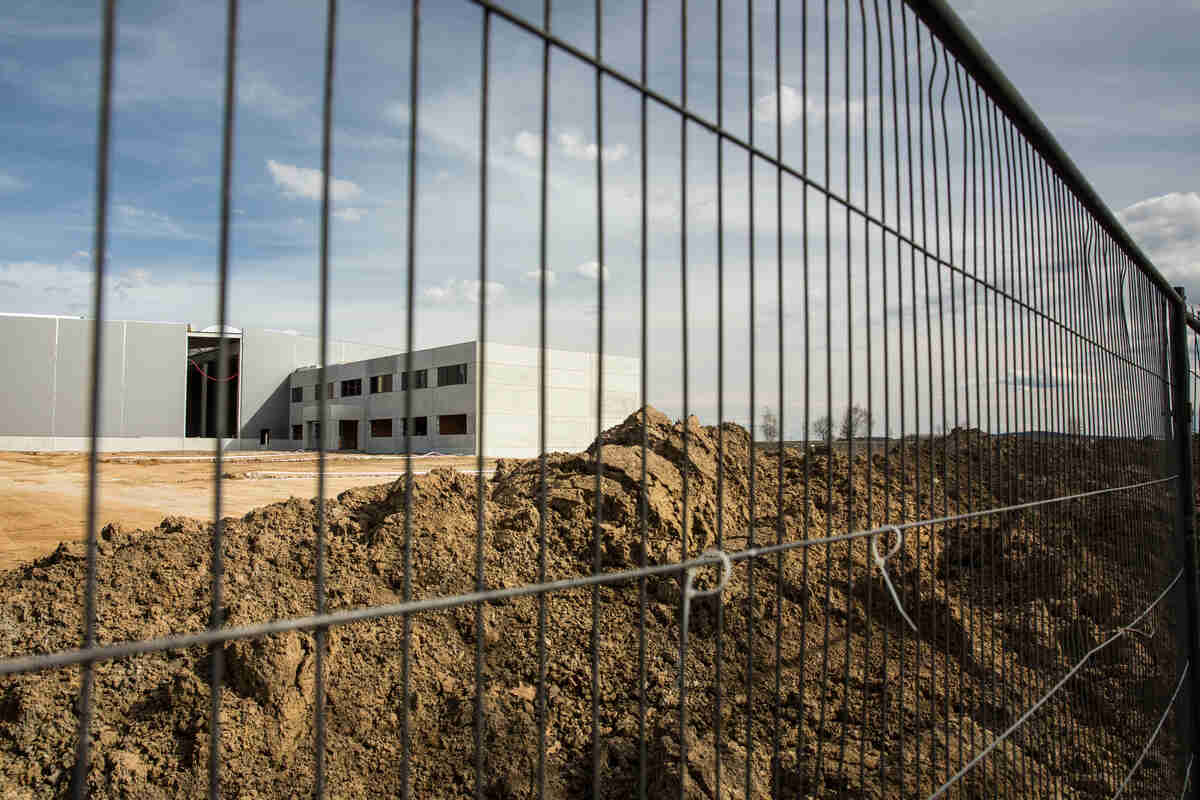
Reducing the environmental impact of construction involves more than choosing sustainable materials for the finished building. Temporary site equipment also requires resources to produce, transport, maintain and eventually replace. Fencing is a useful example: most projects need it for safety or protection, but not indefinitely. For short-term work, renting fencing panels can help contractors make better use of existing equipment rather than purchasing additional stock. Whether it is the lower-impact option depends on how the fencing is used throughout its life.
The Environmental Cost of Manufacturing New Fencing
Manufacturing steel fencing requires raw materials, processing and energy. Galvanized mesh panels are designed for repeated use, but new production still has an environmental cost. Although permanent building materials are usually the focus of sustainable building assessments, temporary equipment also has a production footprint.
Buying fence panels is not inherently wasteful. Contractors who maintain and reuse them across numerous projects may get substantial value from one purchase. The concern is buying equipment for a brief job, then leaving it idle in storage or replacing it before the end of its useful life.
For short-term sites requiring tree protection zones, considering why temporary fencing hire is a more sustainable approach than purchasing can help frame the equipment decision. Tree protection fencing is available for both rental and purchase, so project duration and anticipated reuse deserve careful consideration.
When rental panels are deployed repeatedly, their production impacts are spread across more projects. However, transport distances, maintenance and replacement rates also influence the overall environmental benefit.

Get the Green Building Project Checklist
Use this handy checklist on your next project to keep track of all the ways you can make your home more energy-efficient and sustainable.
How Renting Supports a Circular Economy
A circular economy aims to keep useful products and materials in service for as long as practical. A well-managed fencing rental system can support that goal: panels are installed, collected, inspected, repaired when necessary and redeployed on another site. The same inventory serves different contractors without each needing to buy fencing for occasional requirements.
Owning fencing can be equally consistent with circular principles when panels are properly stored, maintained and reused. The distinction is how efficiently the equipment is utilized. A contractor with frequent, overlapping projects may make excellent use of owned panels, while a builder needing fencing only a few weeks each year may benefit more from shared rental stock.
Rental efficiency also depends on the supplier. Durable products, reliable maintenance and coordinated collections matter just as much as the rental arrangement itself.
Tree Protection Zones and Ecological Sensitivity

Tree protection zone (TPZ) fencing creates a visible barrier around trees that need protection during construction. Properly positioned barriers help restrict access by workers and machinery, reducing the risk of soil compaction, root damage and other disturbances. The required protection area should be determined according to local rules and, where appropriate, advice from a qualified arborist.
Requirements vary across regions. Certain protected or significant trees may require fencing as part of a project’s development approval, while other sites may have different obligations. Contractors should check applicable regulations rather than assume the same rules apply everywhere.
The environmental value of TPZ fencing comes first from helping protect existing trees, whether the panels are rented or purchased. Renting adds a separate potential benefit: once site work finishes, the fencing can be removed and used to protect trees at another project.
This approach is consistent with the emphasis on preserving vegetation and minimizing construction disturbance in LEED’s site protection guidance.
Financial Considerations for Renting
Renting can reduce upfront spending because contractors pay to access fencing rather than purchase the entire asset. It may also reduce their direct responsibilities for storage, inspections, repairs and transporting unused panels between jobs. These services are not necessarily free, though; they may be included in rental rates or billed separately.
For a short project, that arrangement can simplify budgeting and site logistics. Over extended periods or repeated projects, purchasing may become more economical. Contractors should compare total rental charges, delivery and collection fees, storage availability, maintenance costs and expected future use before deciding.
Cost and sustainability are related, but they are not interchangeable. The cheapest arrangement is not automatically the one with the lowest environmental impact.
Making Responsible Choices Across Projects
A project’s sustainability performance reflects many decisions, including how temporary equipment is sourced and managed. Reusing fencing efficiently can reduce unnecessary purchases, while careful delivery scheduling may limit avoidable transport. Selecting durable panels and keeping them in service also helps make better use of the materials already produced.
These practices support the broader resource-efficiency and site-protection principles recognized by green building frameworks such as LEED. Renting fencing does not, by itself, earn a certification credit, and any environmental advantage should be assessed in the context of the actual project.
For construction teams with short-term or infrequent fencing needs, rental is often a practical way to participate in that more resource-conscious approach.
Images from Depositphotos


