
When to Call a Plumbing Company
Early Warning Signs a Home Needs Attention

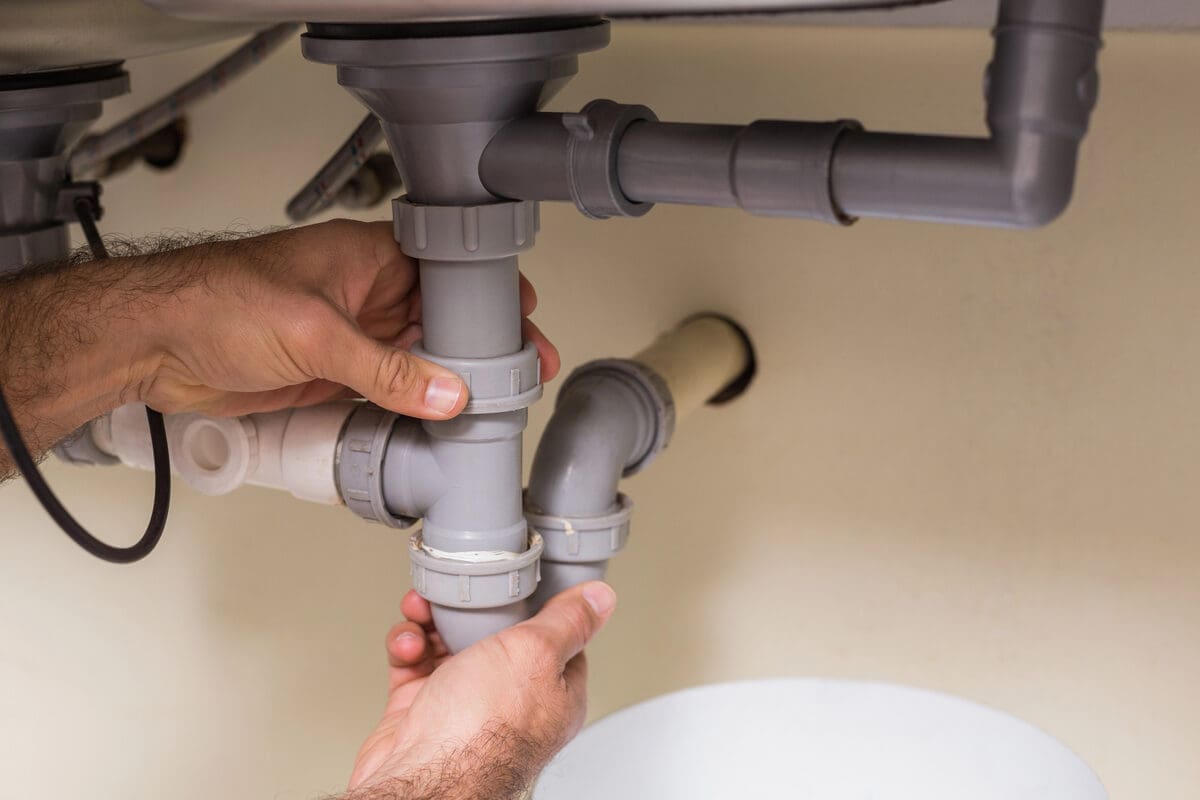
Most plumbing problems give some warning before they turn into an emergency, although the signs are easy to dismiss as minor quirks of an older house. A drain that empties slowly, a faint smell from the basement or a water bill that creeps upward can all point to something developing out of sight. Knowing which signs matter and when to bring in a plumbing company, makes it easier to deal with issues while they are still small and manageable.
Why Some Areas Face Particular Plumbing Pressures
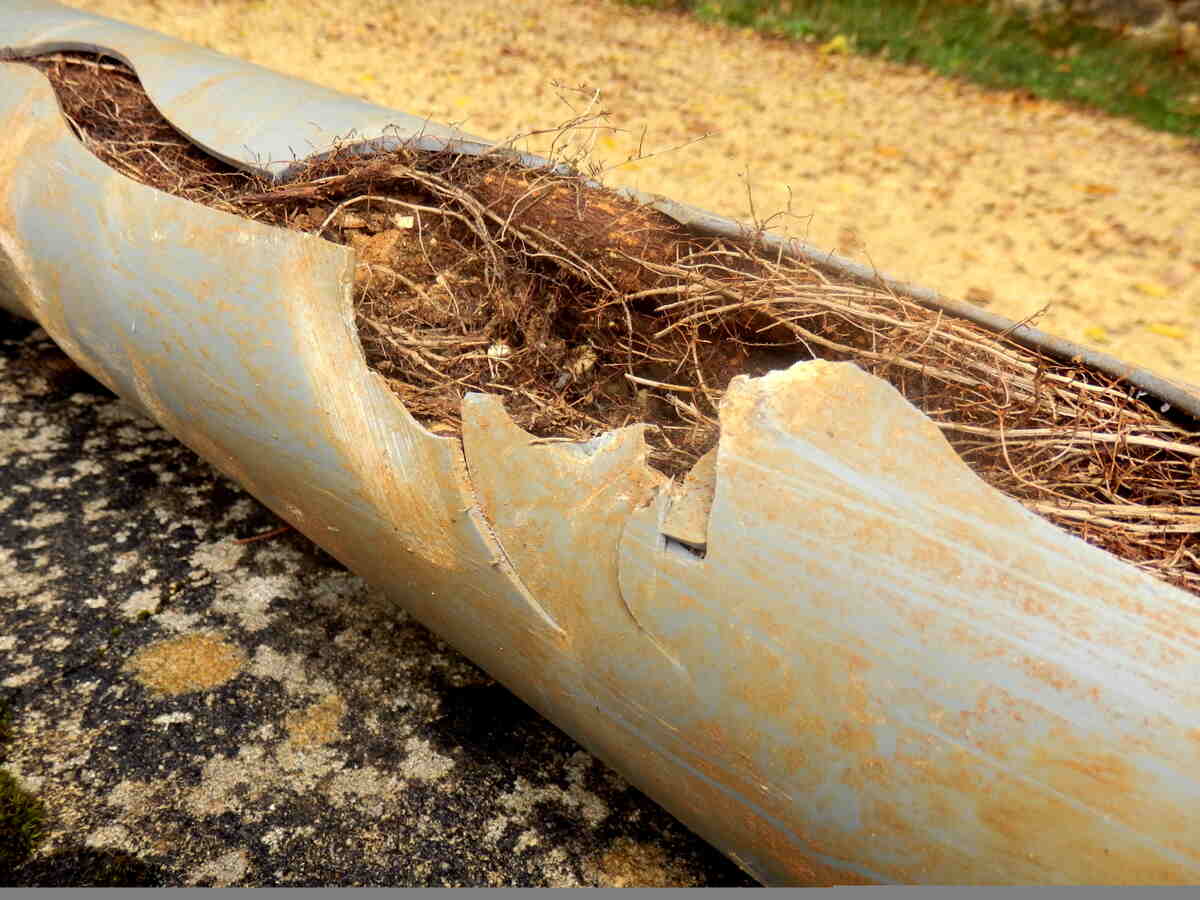
Some cities face more plumbing problems than others, and Toronto is one such example. Much of the city’s housing stock was built decades ago and some of these homes still rely on original clay, cast iron or early plastic drain pipes. These materials age differently, but all can crack, corrode, or shift over time, especially where mature trees grow close to the sewer line.
The climate adds another layer. Freeze-thaw cycles move the soil around foundations and underground pipes, while heavy spring rain and summer storms place a sudden load on the municipal sewer system. When that system is overwhelmed, water can push back towards the home through the lowest drain, which is often a basement floor drain. These local conditions help explain why basement flooding and sewer line problems come up so often in the city.
Slow Drains and Gurgling Sounds

Get the Green Building Project Checklist
Use this handy checklist on your next project to keep track of all the ways you can make your home more energy-efficient and sustainable.
A single slow sink usually points to a local clog, often hair, soap residue or grease built up close to the fixture. When several drains slow down at the same time, or when a toilet gurgles as the washing machine empties, the problem is more likely farther down the line, where all the household drains connect.
Store-bought chemical drain cleaners may clear a small blockage temporarily, but they can damage older pipes and rarely remove the cause. Repeated clogs in the same place are a signal to book a proper assessment rather than another short-term remedy, because a partial blockage tends to grow until water has nowhere to go.
Unusual Smells and Damp Spots
A sewer smell in the basement can have a simple explanation, such as a floor drain trap that has dried out because it is rarely used. Pouring water into the drain often solves this. When the odour returns quickly or appears in several rooms, it may indicate a cracked pipe, a failed seal or a venting problem that lets sewer gas escape.
Damp patches on walls or ceilings, peeling paint and the musty smell of mould deserve attention too. Hidden leaks can run for months inside a wall before they become visible, and the damage to drywall, flooring and framing is usually far more disruptive to repair than the leak itself.
Changes in Water Pressure and Water Bills
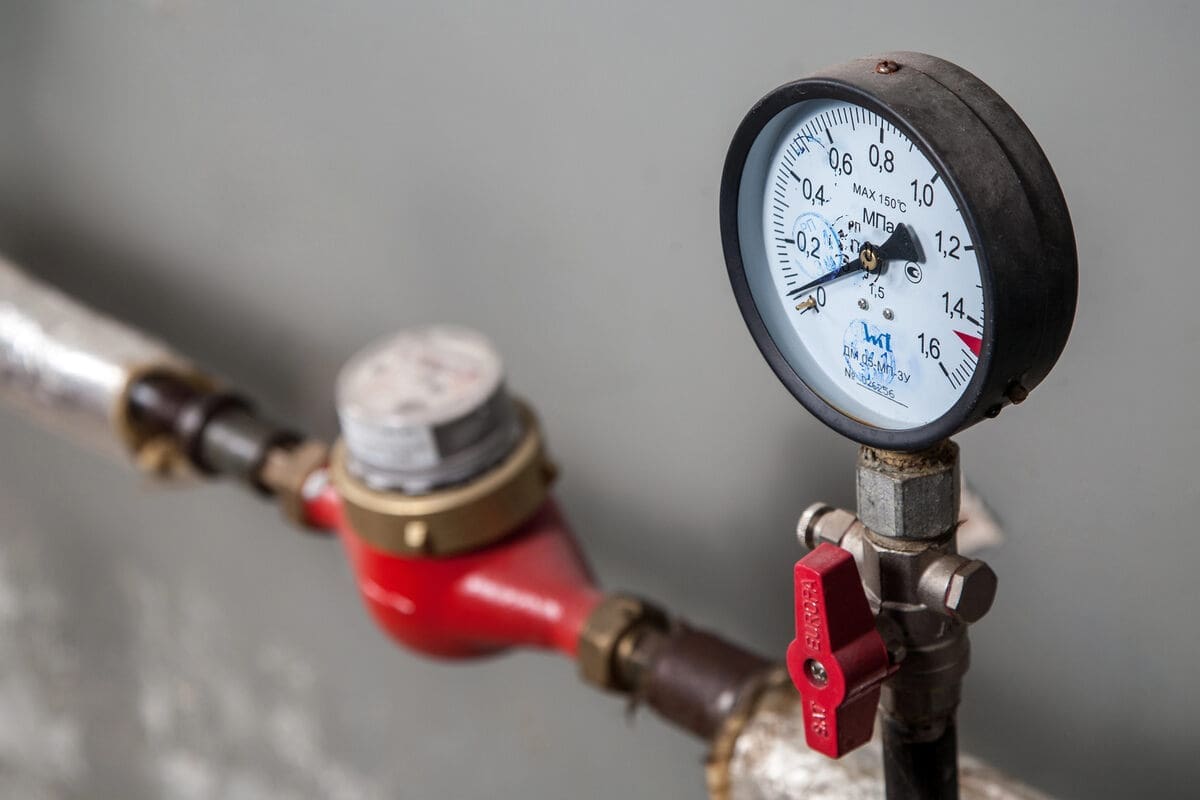
A gradual drop in water pressure across the house can point to mineral buildup, a partially closed valve or a leak in the supply line. A sudden drop at one tap is more often a clogged aerator or a faulty faucet.
A water bill that rises without any change in household habits is one of the clearest signs of a hidden leak. A simple check is to turn off every tap, note the reading on the water meter, and look again an hour later without using any water. If the reading has moved, water is escaping somewhere in the system. Since many leaky pipes sit behind walls or under floors, it is worth having the leak traced and repaired by an experienced plumbing company.
What a Drain Camera Inspection Shows
Guesswork is a common reason drain problems keep coming back. A drain camera inspection removes much of that uncertainty, because a small waterproof camera travels through the pipe and shows its condition on a screen in real time. The footage can reveal tree roots, cracks, collapsed sections, sagging pipe, or heavy buildup, and it pinpoints where the problem sits.
This information shapes the repair. A root intrusion near the property line calls for a different approach from a grease blockage under the kitchen, and seeing the pipe first helps avoid unnecessary digging. Many homeowners first contact a plumbing company after a backup has already happened, but an inspection is also worth considering after repeated clogs, in an older home, or when large trees stand near the sewer line.
Protecting the Basement from Flooding
Two pieces of equipment do much of the work of keeping a basement dry. A backwater valve installed on the main sewer line closes when sewage flows back from the municipal system, which prevents it from entering the home through the floor drain. A sump pump collects groundwater from around the foundation and pumps it away before it can seep inside.
Both need occasional care. A backwater valve should be inspected and cleaned periodically so debris does not stop it from closing, and a sump pump is worth testing before the spring thaw by pouring water into the pit and watching it switch on. The City of Toronto has offered a subsidy program for flood protection devices such as backwater valves, so the current eligibility rules are worth checking with the city before planning the work.
When a Problem Cannot Wait
Some problems call for help right away. Sewage coming up through a floor drain, water flowing from a burst pipe, a complete loss of water or a strong gas smell all need immediate attention. With a gas smell, the first step is to leave the home and call the gas utility’s emergency line.
For a burst pipe, knowing where the main shut-off valve is located can limit the damage considerably. It is usually found in the basement where the water line enters the house, and it is worth locating long before an emergency. Calling a plumbing company at night or on a holiday is far less stressful when the water is already off and the affected area is clear.
Preventive Maintenance That Pays Off
Many plumbing emergencies grow out of small habits. Grease poured down the kitchen sink hardens inside the pipe, wipes labelled as flushable do not break down the way toilet paper does and hair builds up in shower drains week after week. Keeping these out of the drains prevents many common blockages.
Seasonal tasks help as well. Disconnecting garden hoses and shutting off outdoor taps before the first frost helps prevent frozen pipes, and keeping eavestroughs and downspouts clear directs rainwater away from the foundation. For older homes, a periodic drain inspection can catch root growth or pipe deterioration before it leads to a backup.
Images from Depositphotos


