
How Building Owners Can Create Healthier Indoor Environments During Cold and Flu Season

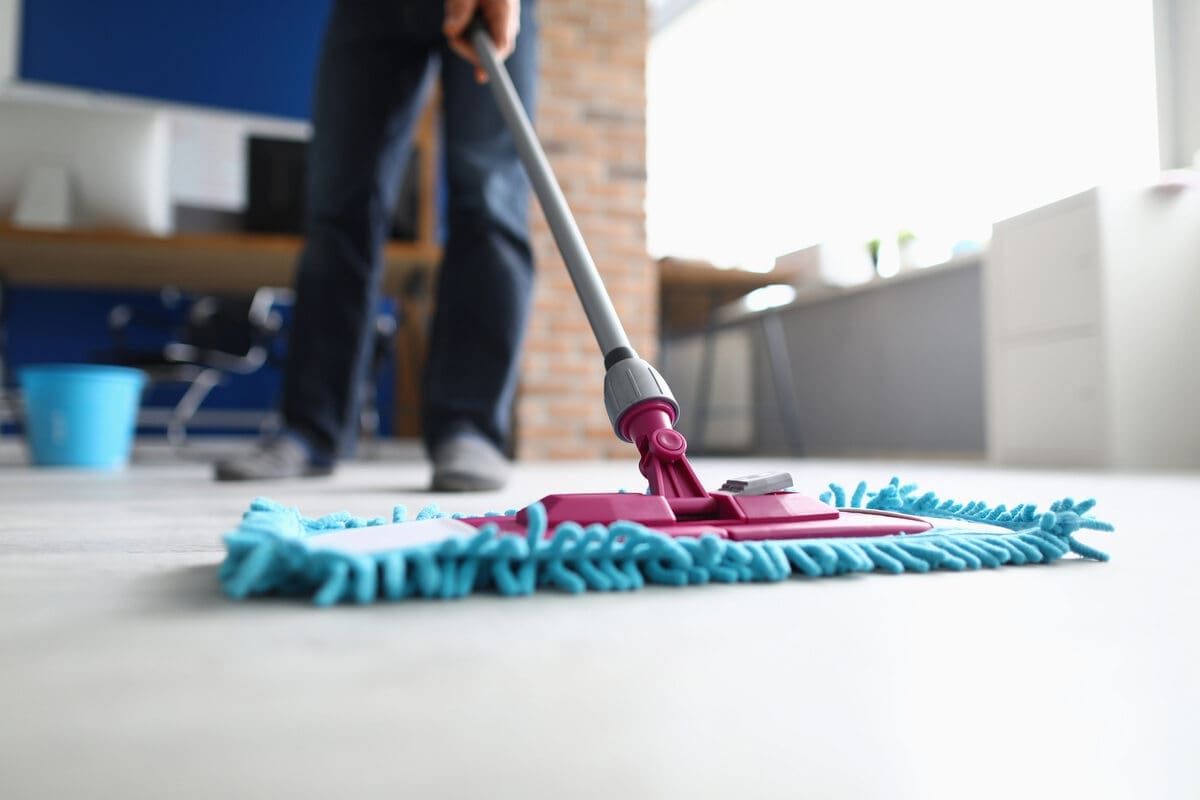
A single sick employee touching a shared kitchen tap, a boardroom remote and three door handles can seed a respiratory virus across an entire floor before lunch, which is how quietly an outbreak begins. Peak cold and flu season turns ordinary workplaces into transmission chains and the resulting absences strain project timelines and payroll at the same moment.
Building owners can employ a cleaning routine that targets the specific surfaces and habits that carry illness through a workplace, which is exactly where the science matters more than appearances. If you want to weigh your in-house routine against a professionally managed program, learn more about how structured protocols are built around genuine office traffic, because understanding the method behind the work is what helps any employer judge what truly protects a team.
Why Seasonal Workplace Cleaning Protects Your Team
Respiratory viruses never spread evenly across an office; they concentrate on the surfaces and moments people share, then travel outward through the most ordinary routines. Recognizing that pattern is what separates cleaning that looks thorough from cleaning that measurably lowers illness, and it shapes every choice an employer makes next.
How Viruses Travel Across Shared Surfaces
Influenza and rhinovirus particles settle onto surfaces whenever someone coughs, sneezes or merely talks nearby, and on hard, non-porous materials many of these viruses stay infectious for hours while they wait for the next hand. A colleague makes contact, touches their own face and the chain quietly extends to the next person. The riskiest points are seldom the ones that look grimy; they are the ones handled most often by the greatest number of people.

Get the Green Building Project Checklist
Use this handy checklist on your next project to keep track of all the ways you can make your home more energy-efficient and sustainable.
Common transmission points in a typical workplace include:
- Door handles, push plates and access-card readers
- Shared kitchen taps, kettle handles and refrigerator doors
- Boardroom remotes, conference phones and light switches
- Communal printers, keyboards and touchscreens
- Elevator buttons and stair railings in multi-floor sites
Good flu season workplace cleaning maps these points first, since treating them well interrupts more transmission than wiping wide-open desktops that few hands ever reach.
Cleaning Compared With Disinfecting
Cleaning removes visible dirt, debris and many germs through detergents, water and physical friction. Disinfecting uses chemical agents to kill pathogens that remain on surfaces. When both processes are required, cleaning should generally come first, because dirt and organic matter can interfere with a disinfectant’s effectiveness.
That distinction sits at the heart of an effective office hygiene program, informing decisions about cleaning methods, product selection and frequency.
Disinfectants do come with potential drawbacks. Some chemical agents can contribute to antimicrobial resistance under certain conditions, while sprays, aerosols and chemical vapours can irritate the respiratory system or aggravate existing conditions such as asthma and COPD.
For most offices, routine cleaning of frequently touched surfaces is sufficient to help reduce the spread of germs. Disinfection can be added during flu season, when someone has been ill, or where contamination warrants it. Bathrooms and kitchens may require more frequent cleaning and targeted disinfection, particularly on food-contact surfaces and areas exposed to bodily fluids. Where disinfection is necessary, choosing low-emission products and applying them with a cloth rather than spraying can help limit unnecessary exposure. Proper ventilation can also help with this.
How to Disinfect an Office Correctly

Method is what separates disinfection that works from disinfection that only reassures, since the same products applied two different ways produce two very different outcomes. This section walks through the proper sequence, the step almost every checklist omits and the technology worth adding once hand-wiping can no longer keep pace with a busy floor.
A High-Touch Protocol That Holds Up
A dependable protocol treats surfaces in the order people actually use them rather than the order that suits a cleaner, always working from cleaner zones toward dirtier ones and never carrying a used cloth back to a treated spot. Colour-coded cloths, one set reserved for washrooms and another for kitchens and desks, keep areas that should stay separate from cross-contaminating each other.
A sound high-touch routine follows these steps. All should be done while properly ventilating the rooms being cleaned.
- Clear and clean the surface to lift visible soil and grease
- Apply an approved disinfectant across the entire area
- Leave the product wet for its required contact period
- Allow air drying or wipe only once that period has ended
- Reset the zone and move on with a fresh cloth
Dwell Time, the Step Most Checklists Skip
Here the tension is genuine and worth stating plainly, because every disinfectant carries a manufacturer-specified dwell time, the exact minutes it must stay visibly wet to kill the pathogens named on its label. A surface sprayed and wiped dry in twenty seconds, when the instructions demand four minutes, has been cleaned rather than truly disinfected.
Most guides urge readers to treat surfaces without ever naming this figure, which is precisely why so many well-meant routines quietly fall short of protection. Checking the label for its contact time is the single most valuable habit an employer can enforce, and it happens to cost nothing at all.
Another problem with insufficient disinfectant dwell time is that it can also allow bacteria to survive sublethal exposure, potentially contributing to antimicrobial resistance.
Planning Your Cleaning Budget and Ongoing Routines
Budget decisions are where good intentions most often unravel, as employers either underspend and watch illness spread regardless, or overspend on deep cleans that fade within a week. Setting the economics correctly means understanding what drives the figure and how frequently treatment must recur to actually hold the results in place.
What Shapes Your Cleaning Budget
Pricing is rarely a flat rate, because no two workplaces share the same risk profile or square footage, so providers build a number from the space itself and the way people move through it. The clearest way to read any quote is to know which variables push it up or down.
The main factors that shape office sanitization cost include:
- Total floor area and the number of rooms treated
- Headcount and daily foot traffic through shared zones
- Service frequency, from daily upkeep to periodic deep treatment
- Surface mix, including washrooms, kitchens and flooring types
Building a Schedule That Lasts
A one-time clean can never outrun a virus that returns every week, so prevention depends on rhythm, which is why frequency matters more than raw intensity once the season peaks. Match the cadence to how hard the space is used, then hold it steady right through the coldest stretch of the year.
Steady routines also protect the ground you have already paid to gain, since a workplace maintained consistently keeps its footing while one treated a single time slides back within days.
Protecting Your Employees Through the Season
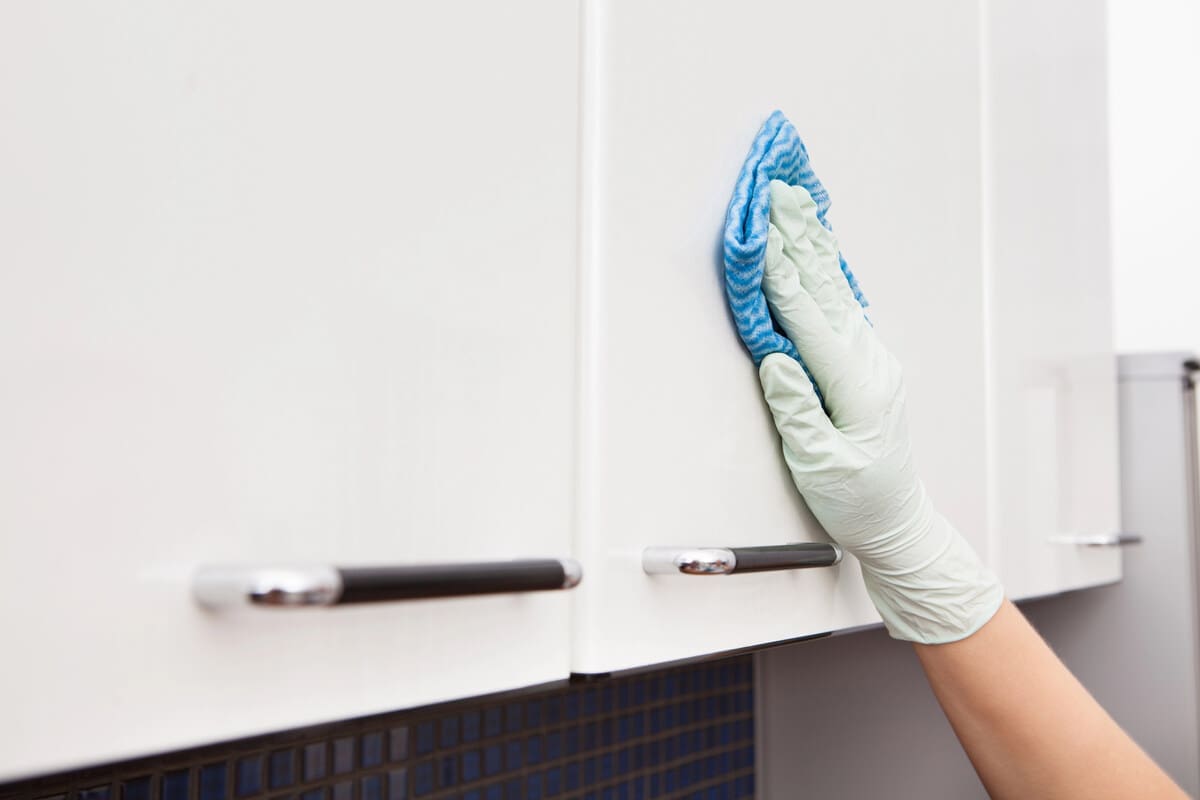
Interrupting seasonal illness comes down to method, timing and consistency working together rather than any single grand effort. Employers who map their high-touch points, honour each product’s contact time, ventilate properly and hold a steady cadence through the peak weeks see fewer absences than those who rely on one deep clean.
Well-planned office disinfection turn scattered good intentions into a routine that genuinely keeps a workplace healthy from the first cold snap to the last.
Images from Depositphotos


