
Why Green Building Contractors Need Specialized Insurance Coverage

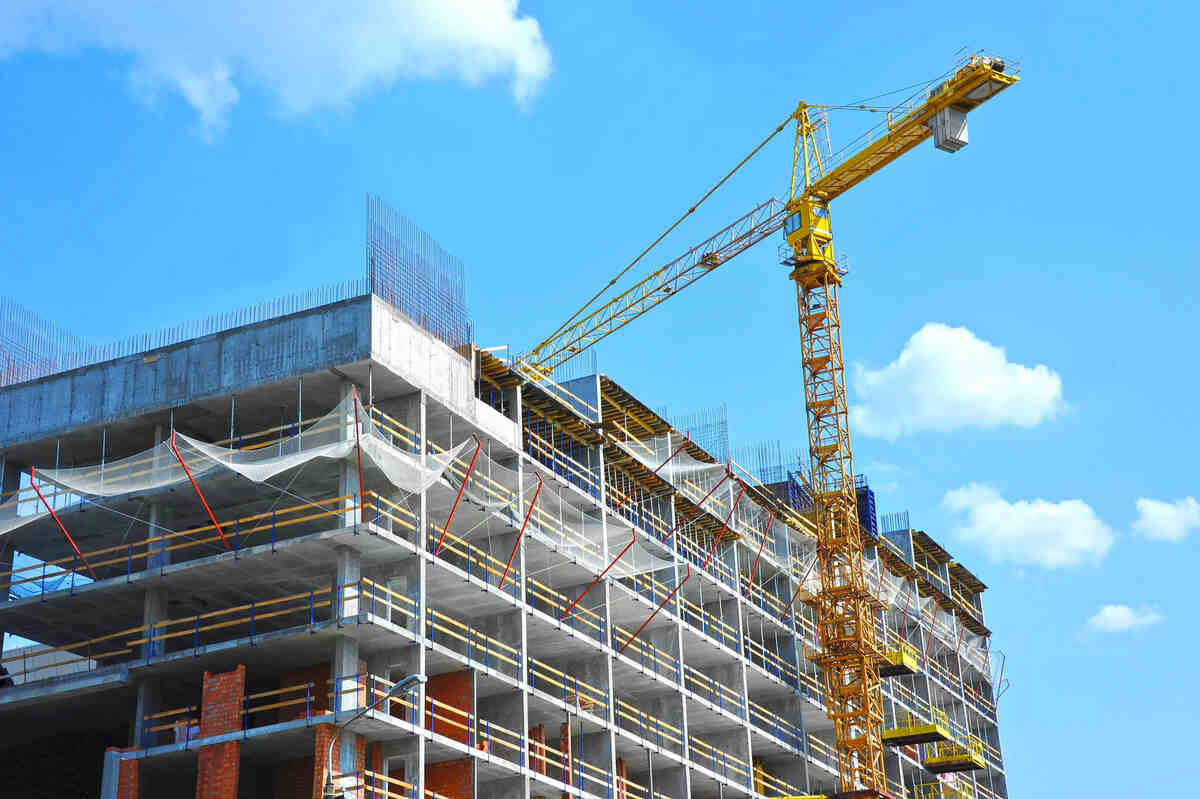
Green building has moved well past the niche stage in Canada. Project teams are working with unfamiliar structural materials, tighter energy performance specs and complex supply chains that didn’t exist ten years ago, yet the insurance policies most contractors carry haven’t kept up.
Federal data underscores the urgency of this shift: the construction sector has historically accounted for over 8 percent of nationwide greenhouse gas emissions, driving a major push towards sustainable methodologies. Materials have changed, certifications have multiplied and municipal targets have grown more ambitious with each passing year. But many existing risk management programs still reflect an outdated construction liability model, one built for conventional materials and straightforward delivery timelines. If you’re a contractor relying on a standard commercial general liability or builder’s risk policy, you could be staring at critical protection gaps that affect project financing, bid eligibility and your ability to absorb a serious claim.
Green Construction Is Changing the Contractor Risk Profile
New Materials and Systems Bring Unfamiliar Liability Questions
Sustainable construction routinely calls for advanced components: mass timber, high-performance building envelope assemblies and low-carbon concrete mixes. On top of that, contractors are installing increasingly sophisticated electrical elements, from prefabricated modular assemblies and extensive rooftop solar arrays to battery storage units and smart climate controls. These systems raise unfamiliar liability questions about long-term durability, product compatibility and precise moisture management during installation. Sound familiar? If you’ve ever had to warranty a product you’ve only installed a handful of times, you know the feeling.
Because green building growth is reshaping risk through innovative materials and stricter standards, uncertainty around defect claims and costly rework continues to climb across the market. If you’d like a broad overview of the terminology behind all of this, our “What Is Green Building” article is a good place to start. For a closer look at the specific component choices available to modern builders, read our guide to Green Building Materials.

Get the Green Building Project Checklist
Use this handy checklist on your next project to keep track of all the ways you can make your home more energy-efficient and sustainable.
Performance Promises Create a Different Kind of Exposure
Modern green projects almost always come with explicit (or at least strongly implied) expectations around energy performance, indoor air quality, emissions reductions and long-term thermal comfort. Securing a specific certification outcome, whether that’s LEED, Zero Carbon Building or Passive House, places significant responsibility on the primary contractor to deliver measurable results. Here’s the catch: insurance policies generally cover sudden and accidental physical losses, so they don’t pay out simply because a finished building falls short of a promised level of energy efficiency.
The push for sustainability isn’t slowing down. Built Green Canada officially declared June 3 as National Green Building Day, reflecting just how visible sustainable building has become. And because lower-carbon materials cost little extra (sometimes nothing at all), more developers are demanding aggressive performance targets from builders. Contractors need to understand that promising specific carbon outcomes requires specialized protection structures to address claims if those environmental metrics fall short upon completion.
Where Standard Commercial Insurance Policies Fall Short
Commercial General Liability: Necessary, but Not Enough
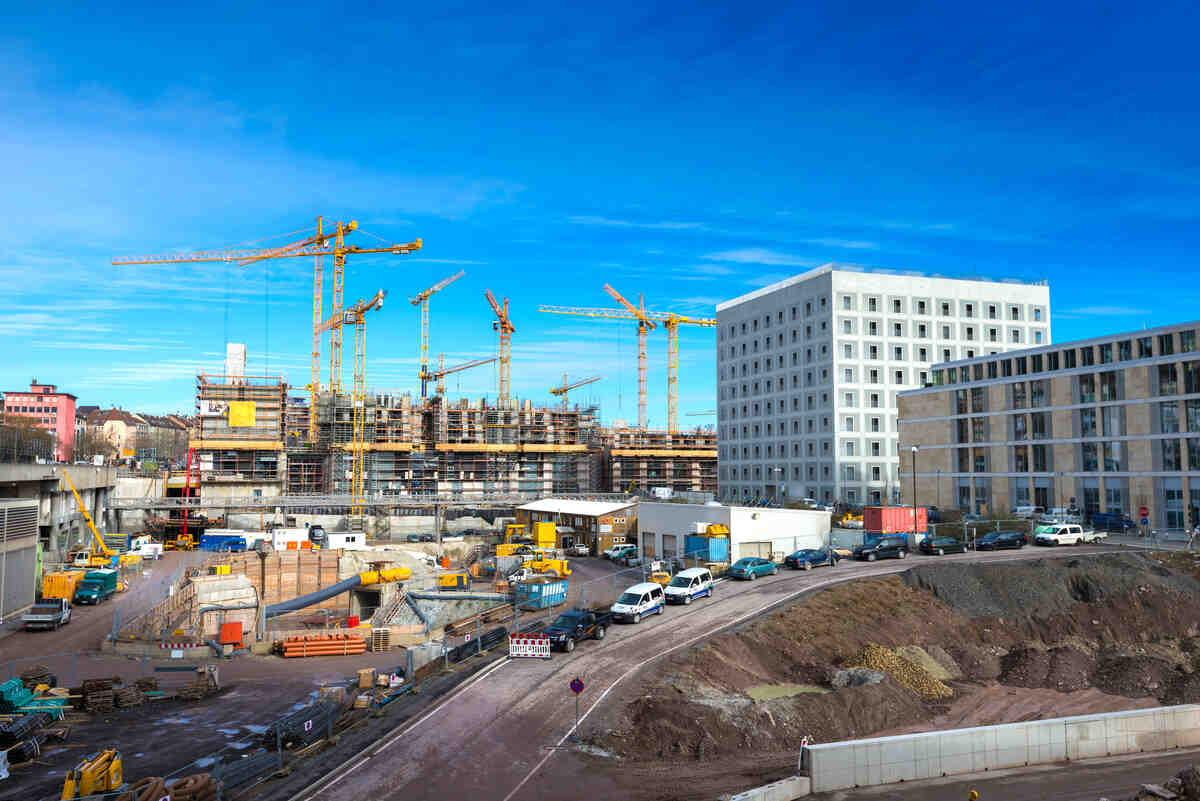
A standard commercial general liability, or CGL, policy is table stakes for running a business, but it’s rarely enough to fully protect a high-performance builder. CGL coverage is designed to respond to third-party property damage, third-party bodily injury and legal defence costs tied to worksite accidents. Since 2019, basic property risk across the country has worsened significantly: personal property damage claims in Canada have risen by 115 percent, putting severe upward pressure on commercial property insurance premiums and overall market underwriting capacity.
But these basic policies have notable exclusions for faulty workmanship, meaning they won’t pay to fix poorly installed green systems. CGL also provides limited help when contractual performance disputes arise between developer and contractor over airtightness or energy metrics. Throw in technology gaps for smart building systems and strict pollution exclusions, and you’ve got sustainable contractors exposed to uninsured losses on complex job sites. Not exactly a comfortable position.
Builder’s Risk May Not Reflect Green Procurement Realities
Securing a standard builder’s risk or course-of-construction policy presents another gap. These traditional policies typically cover sudden physical loss or damage to work in progress at the primary construction site. Green projects, by contrast, frequently involve longer lead times, highly specialized imported systems and expensive custom-fabricated materials stored in off-site facilities. Data shows it now takes 25 to 30 percent longer to build an equivalent project in Canadian cities than it did five or six years ago, compounding timeline risks considerably.
Picture this: a custom-fabricated cross-laminated timber panel arrives damaged after six weeks in transit. Your builder’s risk policy may not cover replacement costs, delay penalties or downstream scheduling chaos. Extended delays caused by damaged eco-certified components or custom envelope systems can quickly lead to major uninsured cost overruns if specialized delay-related endorsements are absent. So you’ll want to carefully review how your policy handles transit, off-site storage and prefabrication before signing on to any green project.
Professional Liability Grows More Important in Design-Build Roles
Sustainable contractors are increasingly stepping into advisory roles, consulting on structural envelope choices, energy systems and product substitutions to meet strict certification requirements. That level of specialized advice effectively blurs the traditional line between construction labour and professional architectural or engineering services. If a client claims your advice caused an energy underperformance issue, standard general liability will usually exclude the claim, making professional liability protection essential. Ask any contractor who’s been involved in a design-build dispute, and they’ll tell you the same thing: the line between “building” and “advising” disappears fast on green projects.
At the same time, environmental liability is widely underestimated by general contractors who assume eco-friendly builds are inherently safe from contamination incidents. Even on certified sustainable projects, builders face substantial risks from unexpected fuel spills, contaminated runoff, mould from water intrusion and hazardous material disturbance during deep retrofits. This exposure is particularly severe when water is involved; flood and water-related losses across the nation have surged more than 350 percent over the past two decades.
Standard Policies vs. Specialized Coverage for Green Contractors
Before selecting a new insurance provider, construction managers and project owners need to objectively compare traditional policy features against the realities of sustainable building. Specialized coverage options address the exact areas where high-performance project demands exceed standard definitions of property damage or physical loss. Think of it this way: replacing a stolen solar inverter or a damaged prefabricated wall assembly requires higher limits and specific floaters that general packages often ignore. Across Ontario alone, $15 to $20 million worth of equipment is stolen from construction sites each year, underscoring the need for comprehensive equipment and installation coverage.
Standard Insurance Policies vs Specialized Coverage
Here’s a comparison that highlights where standard policies regularly fall short and which specialized programs fill those gaps
| Risk Area | Standard Policy Coverage | Common Gap on Green Projects | Specialized Coverage to Consider |
|---|---|---|---|
| Third-party injury/property damage | Basic CGL coverage | Faulty workmanship, performance disputes, design-related claims | CGL plus professional liability / E&O |
| Materials during construction | Builder’s risk for physical damage | Delays, off-site storage, transit, custom components | Builder’s risk with transit, storage and delay endorsements |
| Environmental incidents | Often limited or excluded | Spills, runoff, mould, contamination cleanup | Contractor’s pollution liability |
| Design-build advice | Usually excluded under CGL | Advice on systems, specifications, substitutions | Professional liability / E&O |
| Multi-party project exposures | Separate contractor policies | Finger-pointing between trades on integrated systems | Wrap-up liability |
| Specialized equipment and tools | Inland marine or tool floater may apply | High-value testing tools, prefab components, theft | Installation floater, equipment coverage, tool floater |
Green Building Exposures That Deserve Special Attention
Supply Chain Disruption for Certified and Low-Carbon Materials
High-performance buildings depend heavily on exact material specifications: certified wood products, specific insulation systems, specialized glazing and advanced low-carbon concrete inputs. If these materials are damaged in transit or delayed at international ports, the entire project timeline is immediately compromised, bringing significant soft-cost penalties. Supply chain stability is so precarious right now that global supply chain shocks are considered a core underwriting risk by major Canadian market providers.
To mitigate international procurement risks, domestic Canadian sourcing is widely discussed as a net-zero and resilience strategy amid ongoing tariff and delivery uncertainties. But here’s the problem: traditional builder’s risk policies may not cover contingent business interruption or delay costs caused by unavailable eco-certified components, forcing contractors to absorb the financial hit directly. And substituting a delayed green product with a readily available non-equivalent alternative? That can instantly undermine LEED or Passive House certification goals, leading to contractual disputes and significant liabilities. You’ve probably seen this play out if you’ve ever had to scramble for replacement materials mid-project.
Climate Resilience and Severe Weather Exposures
While finished green buildings are designed for climate resilience, the actual construction process remains highly vulnerable to severe weather and environmental damage. Unfinished projects routinely face water damage before envelope completion, wind damage to partially installed high-performance assemblies and flooding that ruins staged sustainable materials. Data from the Canadian Climate Institute highlights the severity of this issue, estimating that climate-driven hazards will add an extra C$3 to C$8 billion annually in public infrastructure maintenance and repair costs by 2030.
Beyond weather concerns, the highly integrated nature of high-performance HVAC, ventilation and digital control systems complicates fault diagnosis when something fails. Recent industry analysis shows that while prefabrication can improve efficiency, it may also create a more fragmented risk profile across specialized trades. So what does that mean in practice? A single defect issue can quickly escalate into a multi-party dispute involving design assumptions, installer responsibility, product manufacturer representations and commissioning scopes. That’s a headache that no standard policy was built to sort out.
Common Coverage Triggers on Sustainable Building Projects
Here are the scenarios that most frequently expose gaps in standard coverage on green projects:
- Damage to specialized materials while stored off-site (think a warehouse fire that wipes out six months of custom glazing orders)
- Rework after a building envelope assembly fails an airtightness test
- Claims that a design-build contractor’s advice caused energy underperformance
- Cleanup costs after runoff, spills or mould contamination
- Delay costs caused by unavailable eco-certified components
- Theft of high-value tools, equipment or prefabricated assemblies
- Disputes between trades when integrated systems don’t perform as intended
How to Build an Insurance Program That Actually Fits Green Projects
Start with Contract Review, Not Just Policy Shopping
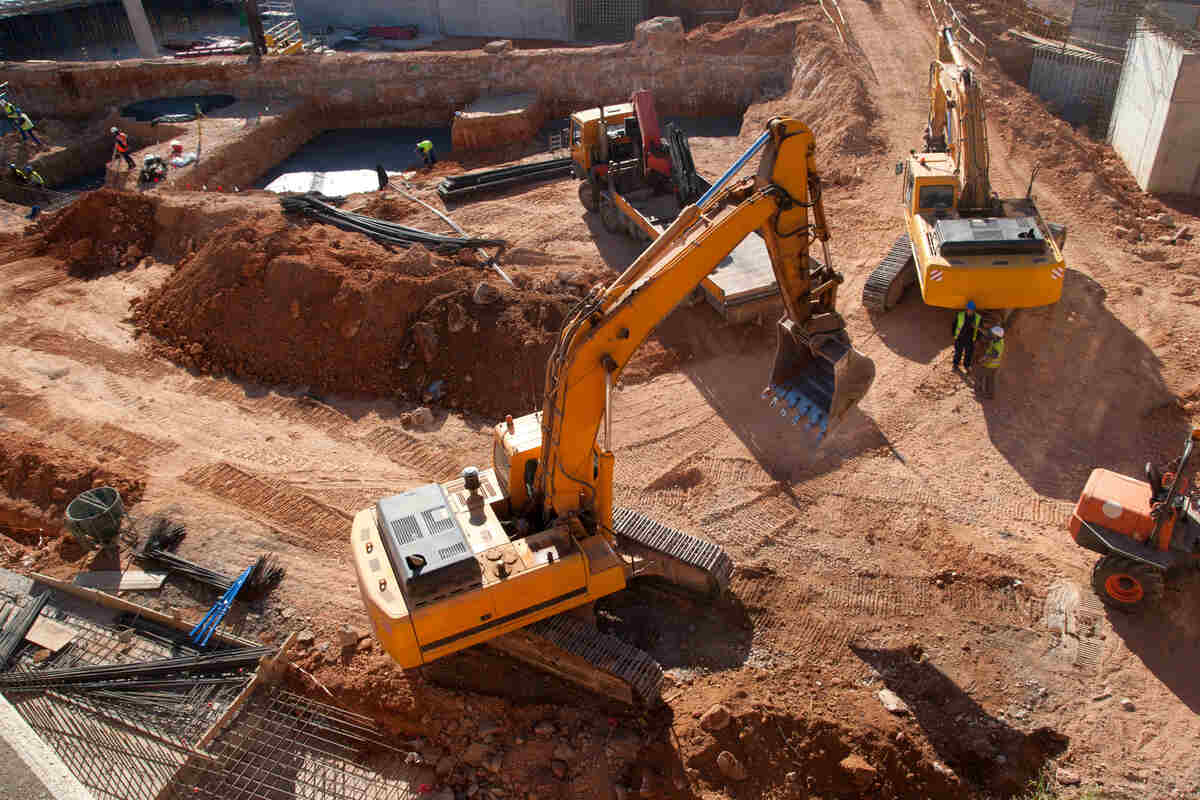
Getting the right insurance program starts with contract review, not a quick browse through online quote tools. Your insurance should directly support specific contract obligations, addressing the exact scope of work, assumed design responsibilities, testing requirements and liquidated damages clauses. The sheer volume of economic activity makes this diligence critical; Ontario construction contributed $59.1 billion to provincial GDP in 2023, representing a massive liability pool for unprepared builders.
You’ll want to align your insurance coverage with your project delivery model, whether you operate as a design-build firm, a construction manager or a specialty retrofit trade. Identifying subcontractor insurance requirements and indemnity clauses also helps ensure all parties share risk appropriately across the sustainable project lifecycle. So far, you’ve identified the gaps and reviewed the contract; now you need the right coverage structure to tie it all together.
Match Coverage to the Project Delivery Model
Because green projects combine design exposure, new materials, environmental liability and supply chain complexity, standard package policies are rarely a perfect fit. Contractors must deliberately align their coverage with their specific delivery method – whether operating as a design-build firm taking on professional liability or as a construction manager coordinating integrated trades. Tailoring your insurance program to these precise operational boundaries ensures there are no uninsured gaps or finger-pointing when complex, multi-party green systems face performance shortfalls.
For firms navigating these shifting risk frameworks, partnering with a specialized regional expert is a practical way to execute this alignment. Working with a construction insurance broker that understands builder’s risk and project-specific protection allows you to tailor coverage directly to your unique certification goals, helping protect your business from unexpected gaps as you build for the future.
Specialized Insurance Protects More Than the Balance Sheet
It Helps Preserve Eligibility, Financing and Reputation
Specialized commercial insurance protects far more than just your immediate balance sheet or equipment inventory. Operating with insufficient or improper coverage can directly jeopardize a firm’s bid qualification status for municipal or institutional procurement opportunities. Sophisticated developers and project owners demand proof of coverage that aligns with their certification goals, ensuring financial liability doesn’t fall back on their investors.
This isn’t a theoretical concern. Canadian manufacturers are already shifting their sourcing behaviours and stockpiling to manage business interruptions, and contractors need to demonstrate similar resilience to sudden vendor failures. Experiencing an uninsured material delay or a public energy performance dispute can cause lasting reputational damage, the kind that keeps you off shortlists for years. That makes robust insurance a critical tool for maintaining industry credibility, not just covering losses.
It Supports Long-Term Participation in a Growing Market
Sustainable green building isn’t a one-off trend; it’s the dominant direction for major commercial and residential development across Canada. Contractors who secure comprehensive insurance programs signal their capacity to take on more complicated, higher-value work down the road. The financial incentive for developers is significant: prime green-certified buildings can command a rent premium over the market average in global commercial centres.
Having tailored coverage also supports better, more transparent risk conversations with developers, lenders and environmental design consultants. Ultimately, contractors who treat specialized insurance as a core project input (rather than a box to check on a pre-qualification form) will be in a far stronger position to grow safely with this market. And with green building standards only getting stricter, that’s not an advantage you can afford to leave on the table.
Images from Depositphotos


