
Why Polyaspartic is Replacing Epoxy for One-Day Garage Floors

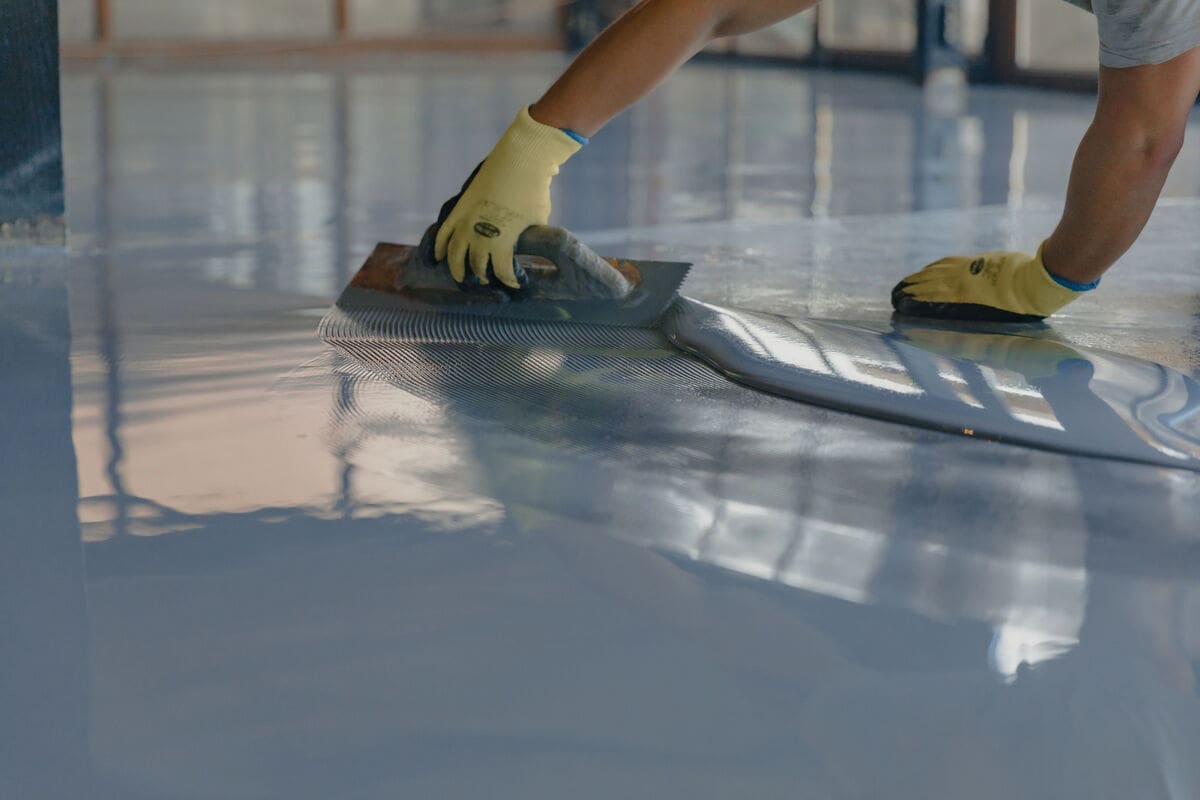
Polyaspartic garage floor coatings stand out for cold climates because they cure rapidly, often within hours, even at low temperatures where traditional epoxy struggles or fails to cure properly. This fast cure enables one-day installations, delivers superior UV stability to prevent yellowing, offers excellent flexibility against freeze-thaw cycles and provides strong resistance to chemicals, abrasion and hot tire pickup for long-term durability in harsh winter conditions. When comparing to epoxy flooring, another advantage to polyaspartic is its longevity. It can last twice as long as epoxy as it’s more durable and isn’t as prone to yellowing. The choice that lasts the longest is often the most sustainable choice.
Installing Polyaspartic Flooring
Garage professionals frequently face tight schedules and unpredictable weather when coating concrete floors, particularly in regions where temperatures drop sharply for months each year. Traditional epoxy systems demand consistent warmth during application and curing, often forcing delays or compromised results when cold snaps arrive.
If you’re installing a polyaspartic floor coating in Calgary, Winnipeg or other cities with frigid climates, you’ll quickly see how this technology supports reliable outcomes in cold temperatures without sacrificing quality or longevity. It maintains performance across wide temperature ranges, resists degradation from road salt and moisture exposure common in winter and holds a clear, non-yellowing finish under UV light.
Why Polyaspartic Outperforms Epoxy in Cold Climates

Get the Green Building Project Checklist
Use this handy checklist on your next project to keep track of all the ways you can make your home more energy-efficient and sustainable.
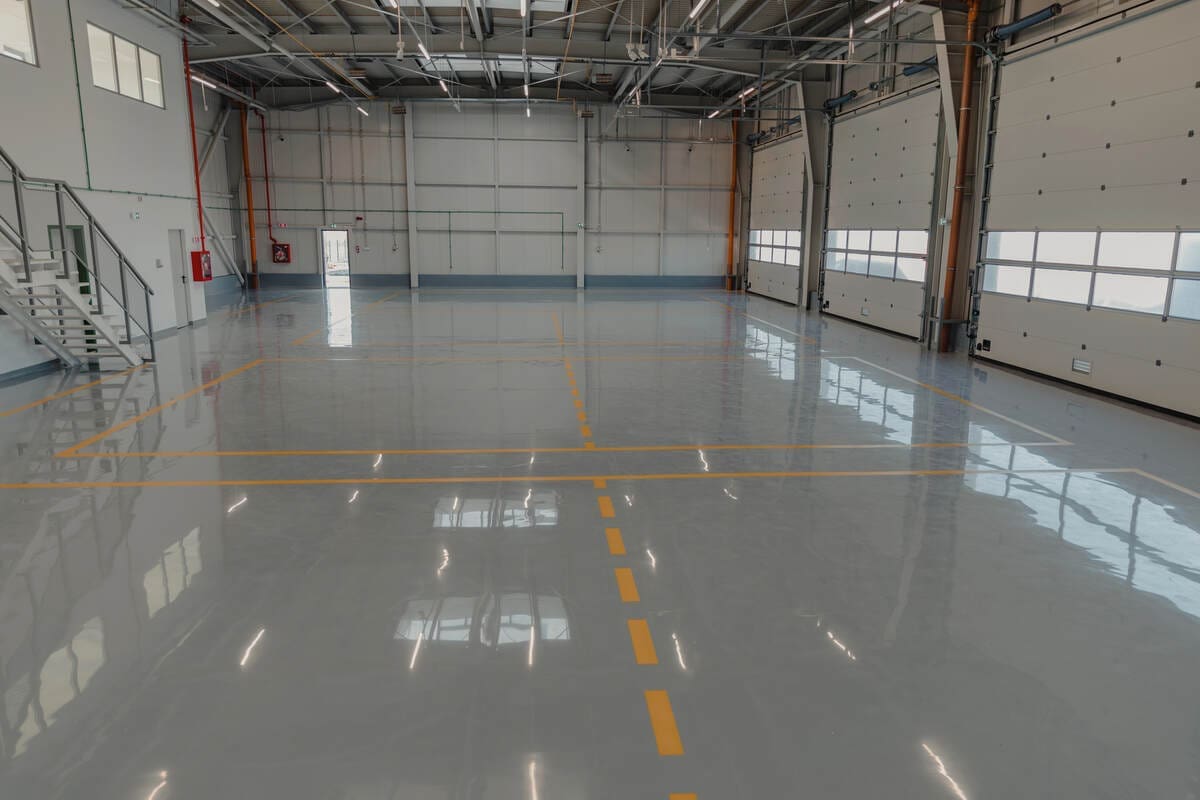
Garage floor coatings face rigorous demands in regions with prolonged low temperatures, frequent freeze-thaw cycles and exposure to de-icing salts. Traditional epoxy coatings rely on a slower exothermic curing process that becomes unreliable below certain thresholds, often leading to extended dry times or incomplete hardening.
Polyaspartic garage floor coating, an aliphatic polyurea hybrid, cures through a different mechanism that tolerates moisture and proceeds rapidly even when ambient and substrate temperatures drop.
Key performance advantages in harsh winter conditions include:
- Superior flexibility that accommodates concrete expansion and contraction without cracking during freeze-thaw events.
- Excellent resistance to road salt, moisture intrusion and chemical spills that become more aggressive in cold weather.
- Strong UV stability that prevents yellowing or chalking when exposed to sunlight after snow melt.
- Reduced risk of hot tire pickup because the coating achieves full hardness quickly.
Still, you should always verify the concrete slab temperature with a surface thermometer before mixing the product, since the substrate often lags behind air temperature in unheated spaces.
Beyond the basics, polyaspartic systems maintain integrity against abrasion from snow shovels or tire chains far better than rigid epoxy films that can become brittle. Professionals report fewer callbacks in northern installations when switching to these coatings, particularly where moisture vapour transmission through the slab remains a concern.
Epoxy vs Polyaspartic Cost and Cure Time Comparison
Initial material and installation expenses often drive decisions between coating systems, yet long-term value emerges from differences in performance and downtime. Traditional epoxy generally carries a lower upfront price because of established supply chains and simpler application requirements in controlled conditions.
Professionals quote epoxy installations for a standard garage at roughly $4–10 dollars per square foot installed, depending on preparation needs, flake broadcasts and the number of layers.
Cost and Cure Time Breakdown
Polyaspartic garage floor coating, on the other hand, commands a premium, typically ranging from $7–12 dollars per square metre or higher for multi-layer professional systems. The increased cost stems from advanced resin chemistry, faster production timelines for applicators, and the need for precise mixing and rapid work windows due to accelerated curing.
Still, the speed advantage translates to reduced labour hours on site, which can offset some of the material premium in projects where time equals money.
| Aspect | Traditional Epoxy | Polyaspartic Garage Floor Coating |
| Average installed cost per square foot | $4 to $10 | $7 to $12 |
| Typical total for 400 sq ft garage | $1600 to $4000 | $2800 to $4800 |
| Walk-on cure time | 12 to 24 hours | 2 to 6 hours |
| Vehicle return-to-service | 3 to 7 days | 24 hours or less |
| Long-term value factor | Reapplication every 5 to 10 years | Lifespan 15 to 25+ years |
| Labour efficiency | Multi-day process | One-day completion possible |
Factors influencing total project cost include:
- Surface preparation intensity, such as grinding or shot blasting to achieve the proper profile.
- Decorative elements like coloured flakes or metallic additives add material expense.
- Regional labour rates and accessibility of the workspace.
- Number of coats required for the desired thickness and performance.
Polyaspartic is the best alternative to fast-cure garage floor epoxy as it minimizes business interruption for commercial spaces or homeowner inconvenience in residential settings. In practice, the ability to complete an entire project in one workday reduces exposure to dust, weather variables and scheduling delays that plague slower-curing options.
Application Best Practices for Polyaspartic Garage Floor Coating
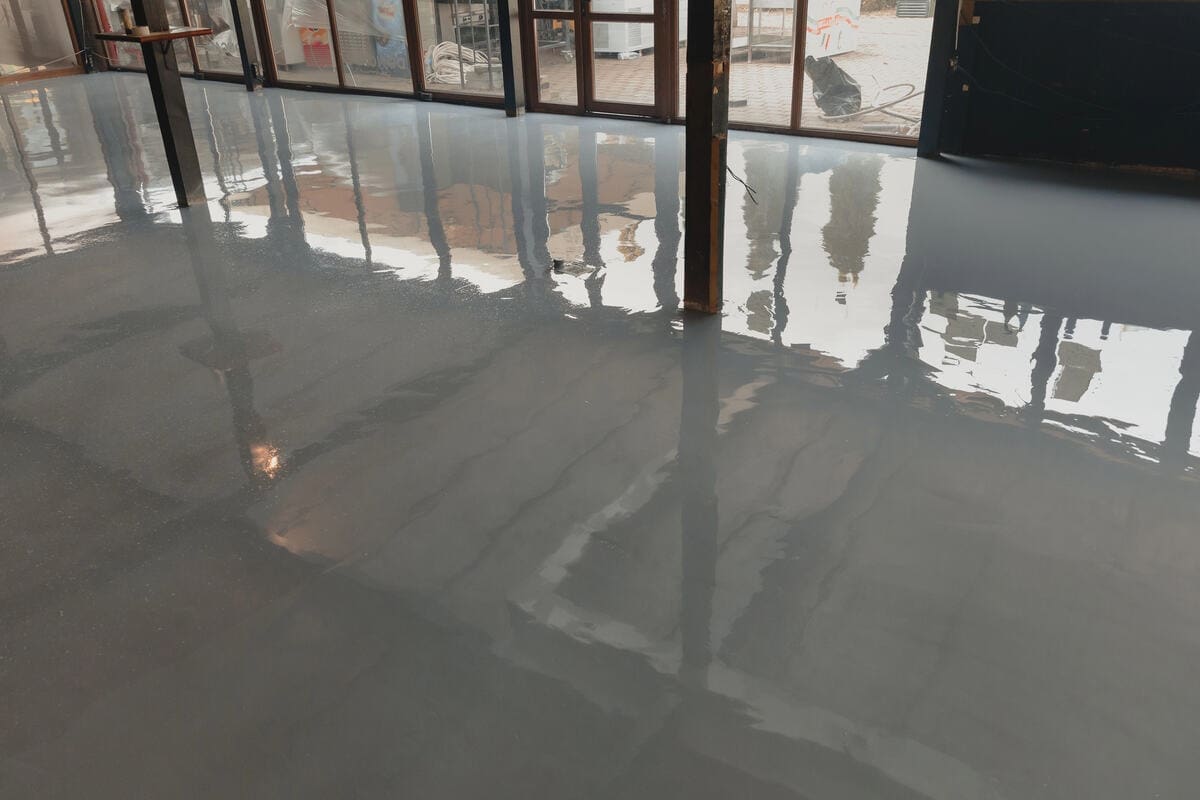
Successful outcomes with polyaspartic garage floor coating depend heavily on meticulous surface preparation and precise execution during the narrow working window created by rapid curing.
Unlike slower epoxy systems that forgive minor errors, polyaspartic demands strict adherence to manufacturer guidelines because gel times can shrink to thirty minutes or less in warmer conditions. The concrete substrate must reach a minimum compressive strength of 20 MPa and remain free of contaminants that interfere with adhesion.
Surface Preparation Essentials
Proper profiling stands as the foundation of any durable coating project. Mechanical methods deliver the most reliable results.
- Diamond grind to achieve a CSP 2 to CSP 3 profile per ICRI standards, removing laitance, old coatings and weak surface layers.
- Shot blast where heavy oil contamination or thick previous coatings exist to expose fresh, sound concrete.
- Acid etching remains an option only for light-duty residential floors, followed by thorough neutralization and rinsing.
- Test for moisture vapour emission using calcium chloride kits or relative humidity probes; rates exceeding 3 lbs/1000 ft²/24 hr typically require a vapour barrier primer.
Vacuum thoroughly after grinding or blasting, then wipe the surface with a solvent such as acetone to remove residual dust. Any remaining particulate will telegraph through the finished coating.
Mixing and Application Techniques
Polyaspartic products arrive as two-component systems with precise mixing ratios, usually 1:1 by volume. Overmixing introduces excessive air, while undermixing leads to incomplete reaction.
- Use a low-speed drill with a Jiffy-style paddle for two to three minutes until streak-free homogeneity appears.
- Apply primer or base coat immediately after mixing to maximize open time, using a notched squeegee followed by back-rolling for uniform coverage.
- Broadcast decorative flakes or quartz while the base remains wet, then apply clear topcoats in thin, even layers to avoid roller marks or puddling.
- Maintain wet-edge work to prevent lap lines, especially critical in larger garages.
Temperature and humidity directly influence pot life and cure speed. In cooler conditions, the reaction slows modestly, granting slightly more working time, while higher humidity accelerates surface skin formation.
Maintenance and Long-Term Performance
Once cured, polyaspartic surfaces resist staining from automotive fluids, require only regular sweeping and occasional mild detergent washing and withstand pressure washing up to 3000 psi when performed carefully. Avoid harsh alkaline cleaners or abrasive pads that can dull the finish over time. Periodic inspection for chips or wear allows spot repairs with compatible touch-up material before issues spread.
When installers respect these protocols, garage floor coatings deliver maximum value, resulting in a seamless, high-gloss floor that withstands seasonal stresses for 15–25 years or longer with proper care.
Why Polyaspartic Represents the Modern Garage Floor Standard
Polyaspartic garage floor coating has emerged as the preferred choice for demanding environments because it combines exceptional speed with proven long-term resilience. The technology overcomes the primary limitations of traditional epoxy by curing reliably in cold conditions, minimizing project downtime and delivering a flexible, UV-stable surface that withstands freeze-thaw cycles, chemicals and heavy traffic far longer.
Key advantages centre on reduced installation time, superior temperature tolerance and extended service life that lowers lifetime ownership costs. Professionals and homeowners alike benefit from fewer scheduling headaches and more dependable results across seasonal extremes.
In regions prone to harsh winters, the best garage floor coating for cold climates remains polyaspartic systems that prioritize both efficiency and durability without compromise.
Images from Depositphotos
