
What Can and Can’t Be Saved after A House Fire: The Honest Truth

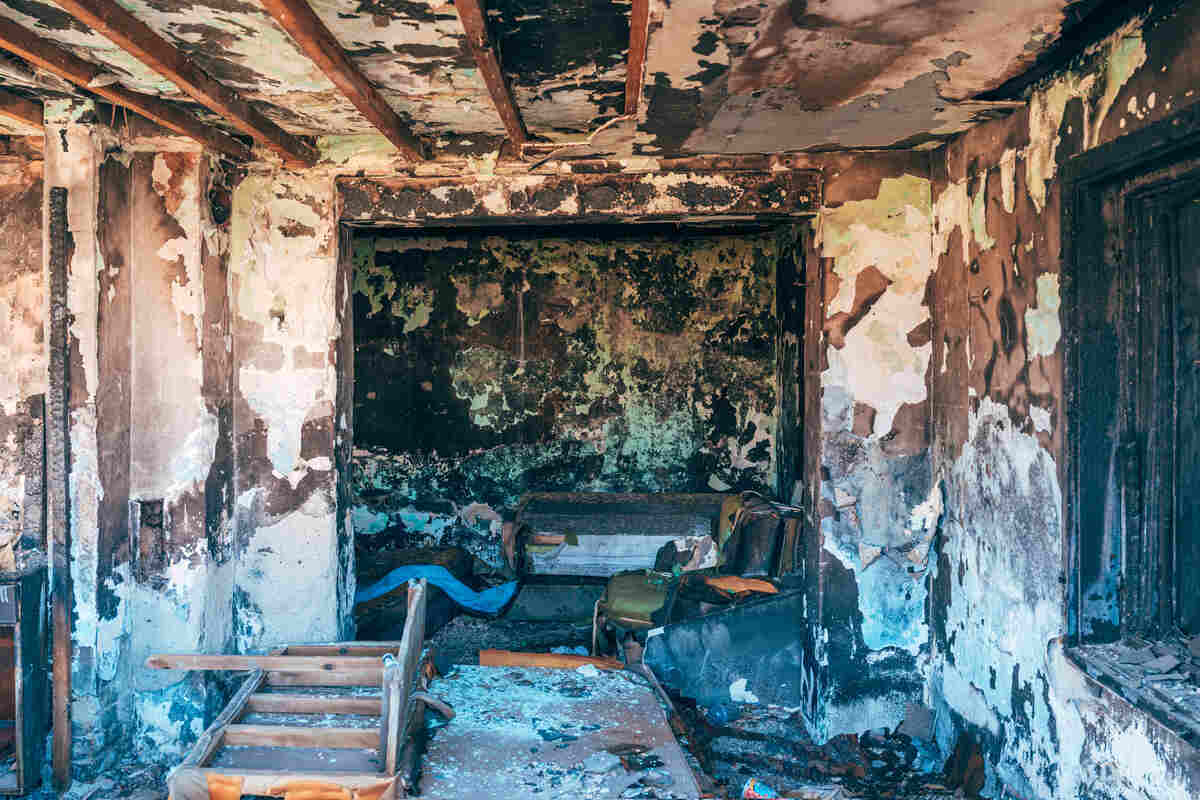
Once you are permitted back in after the fire, a full raft of changes will need to be made to your home. You’ll have to deal with smoke and water damage to your walls and furniture, wetness, destroyed or ruined belongings and more. After a fire, one of the toughest jobs is deciding what to save.
Before you discard anything, a qualified restoration company can help determine what you can salvage. However, The reality is that fire damage is rarely straightforward. Firefighting efforts leave behind various forms of damage from heat, soot, smoke and water.
What Actually Damages Items During a House Fire?
Smoke and water can wreak as much havoc as the fire itself. Soot also can accumulate on furniture, electrical appliances and heating, ventilation and air conditioning (HVAC) equipment.
More damage is done during firefighting since water creates dampness in furnishings, building materials and walls, leading to excessive mould and mildew.
Consequently, when employing a fire restoration contractor, the contractor will carry out repairs for both fire- and smoke-damaged property.

Get the Green Building Project Checklist
Use this handy checklist on your next project to keep track of all the ways you can make your home more energy-efficient and sustainable.
What Can You Save After a House Fire?
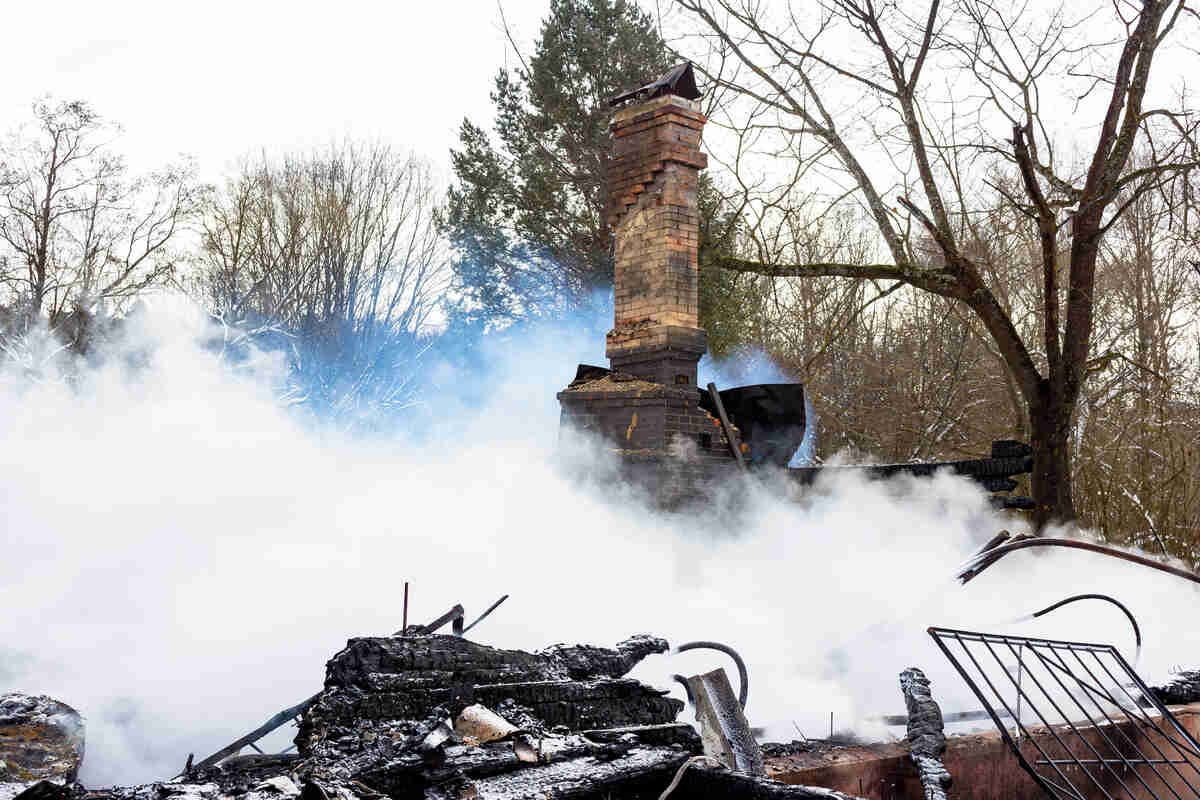
Some belongings may look ruined at first glance, but the right treatment can still restore them. You can salvage these common items:
- Hardwood furniture with limited charring
- Metal objects and cookware
- Certain electronics, if corrosion has not yet begun
- Jewelry, ceramics and glass items
- Clothing and textiles are affected mainly by smoke exposure
In some instances, rapid drying and cleaning can salvage books, pictures, and documents. Property owners often discard their possessions too soon after smoke damage, particularly sentimental items like photographs and documents. In many fire recovery situations, careful handling and specialized cleaning methods can preserve items people initially assume are beyond saving.
Professional smoke damage cleanup techniques may also eliminate odours from materials that homeowners initially believe must be discarded.
What Usually Cannot Be Saved?
Unfortunately, certain materials sometimes defy safe or effective restoration. Unsalvageable materials include:
- Heavily burned upholstered furnishings.
- Damaged plastics and synthetic materials.
- Food exposed to smoke or heat.
- Burned pillows and mattresses.
- Insulation and badly damaged drywall
The difficulty is that soot and smoke residue will enter and settle deep within the material’s pores. Although you can clean the surface, odour and contamination will still linger within.
During severe house fire damage restoration, professionals may replace structural materials to ensure the house remains safe for the long term.
The Hidden Truth About Smoke Damage
Smoke damage can have unexpected consequences. Some parts of the building may not be touched by flames yet still have an odour, a stain or even rust from smoke.
The type of fire that started the smoke determines its residue. For instance, plastic emits one type of smoke, while wood and paper emit another. Some of these residues are highly acidic and will corrode items left exposed after a fire.
The harder it becomes to clean, the later the cleanup process is conducted. Soot, when left unaddressed, can permanently stain or even corrode walls and metal fixtures.
Historically, methods for dealing with smoke damage have included both cleaning and airing to avoid setting smoke particles into the pores of various surfaces.
How Professionals Decide What Can Be Restored
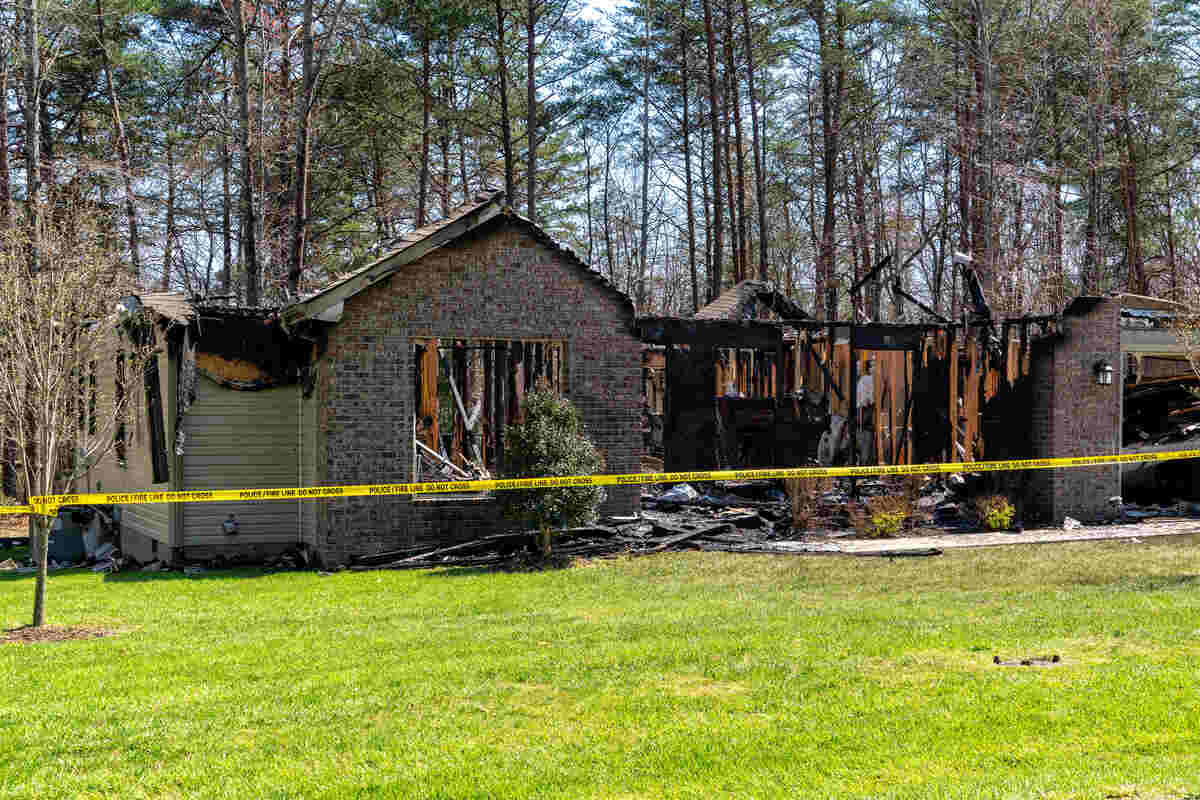
There are basically three factors that restoration specialists consider:
- The extent of heat exposure.
- The level of smoke penetration.
- The cost of restoration compared to replacement.
There’s also the sentimental value to consider. There are items that may be too costly to fix but are very important to homeowners.
Fire restoration companies will first conduct extensive material testing before offering you any suggestions on how to handle items. An object may appear badly damaged yet be restorable once thoroughly cleaned of debris, while another object may appear perfect but have underlying problems.
Can You Clean Damaged Items from a Fire on Your Own?
Whereas small fire cleaning tasks may be relatively simple to undertake, large-scale fire restoration efforts may not always be achievable alone. Inappropriate soot scrubbing can spread stains and inappropriate deodorizing can often temporarily mask odours.
Health issues are also present. Smoke residue includes toxic particles from the burned materials.
In cases where the damage caused is minimal, homeowners may proceed to:
- Ensure proper ventilation of other undamaged rooms.
- Remove loose debris carefully.
- Use detergents to clean non-absorbent materials.
- Separate the salvageable stuff from the damaged ones.
During fire recovery, deciding which personal effects you can salvage will be a significant challenge. Another consideration is that not all items affected by fire will be salvageable. Quick action is crucial. Gather accurate, thorough information about your property because appearances can be deceiving.
Have you ever had a house fire or smoke damage in your home? Let us know what happened and how you managed to recover from it.
Images from Depositphotos
