
Thinking About a Career in HVAC?
Explore the Job Outlook, Salary and What’s Driving the Industry Forward

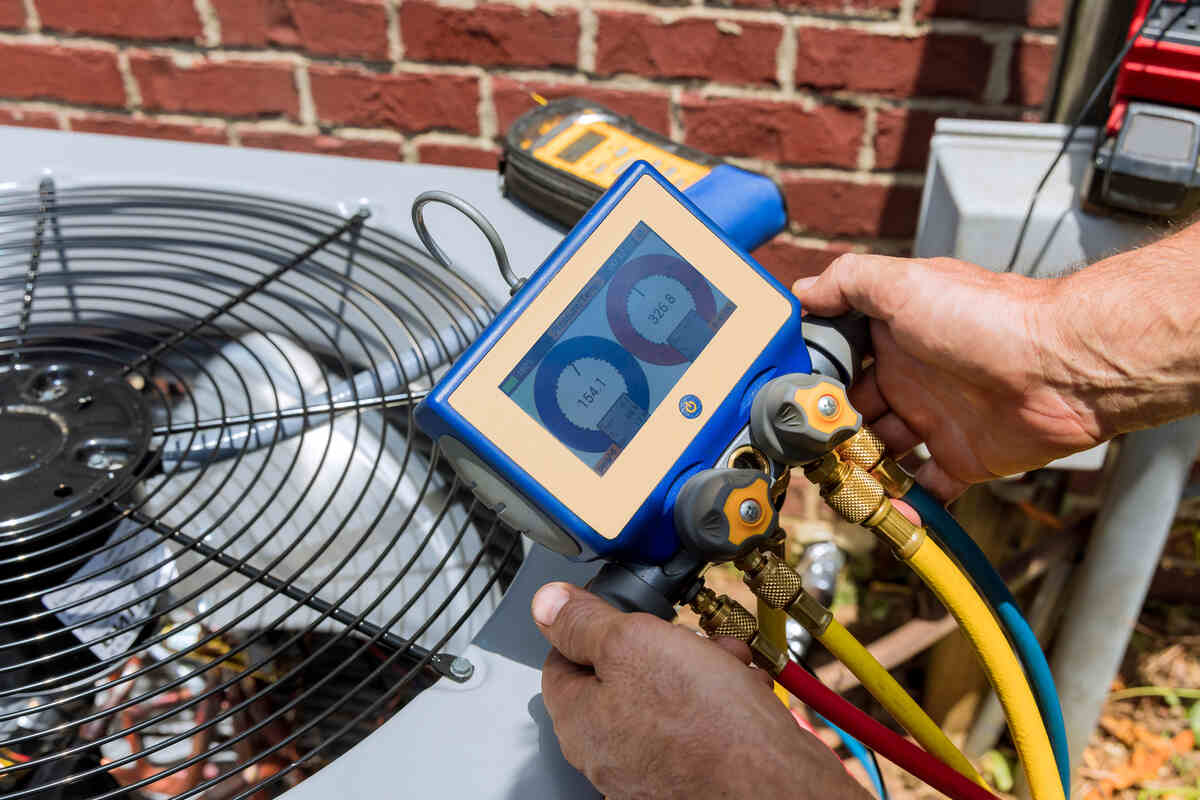
HVAC technicians are no longer just installers. They are the on-the-ground experts responsible for installing, maintaining and optimizing the high-efficiency systems that allow sustainable buildings to achieve their energy performance goals. As Canada pushes for net-zero construction and massive retrofits, the demand for technicians with specialized green technology skills has never been higher. This article will break down the specific technologies, the skills required and the pathways to enter this rapidly growing and rewarding field.
What’s Driving the Demand for Green HVAC?
The rapid shift towards sustainable building practices is driven by several key factors. A combination of ambitious government policies, hard economic data and changing consumer expectations is creating a powerful demand for green HVAC systems. This shift requires a workforce ready to meet new demands, transforming the role of the HVAC technician from a traditional trade to a key player in Canada’s climate strategy.
Canada’s Push for Electrification and Energy Efficiency
Federal and provincial governments are actively steering the market towards clean technologies. Initiatives like Canada’s new Greener Homes Affordability Program (CGHAP) and various provincial ‘top-up’ incentives are creating powerful financial drivers.
The national goal is to triple the uptake of technologies like heat pumps to meet greenhouse gas reduction targets. This policy-driven push translates directly into a surge of work for technicians who know how to install and service these modern systems.

Get the Green Building Project Checklist
Use this handy checklist on your next project to keep track of all the ways you can make your home more energy-efficient and sustainable.
The Hard Numbers: HVAC’s Impact on Building Energy Use
The focus on HVAC systems is a matter of simple math. In commercial buildings, HVAC systems can be responsible for over 40 percent of total energy consumption. Upgrading these systems presents one of the most significant opportunities for energy savings and emission reductions. This is not a niche market; it’s a major economic driver. Canada’s green building industry already supports over 500,000 jobs and contributes $80 billion to the country’s GDP. Skilled tradespeople, particularly HVAC technicians, are at the very centre of this economic movement, making these efficiency targets a reality one installation at a time.
Evolving Consumer and Developer Priorities
Beyond government mandates, a fundamental shift is occurring in what people want from their buildings. Homeowners and commercial tenants are increasingly demanding better indoor environmental quality, lower utility bills and a smaller carbon footprint. Programs like the Greener Homes initiative in Halton Hills, Ontario, are a direct response to this public demand, providing residents with coaching and tools to make their homes more energy-efficient.
This market-driven priority for healthier, more affordable and climate-friendly living spaces means developers and builders must deliver projects that meet these higher standards, further cementing the need for advanced HVAC solutions.
What Key Technologies Define Green HVAC Systems?

The modern HVAC technician’s toolkit looks significantly different than it did a decade ago. It has expanded beyond furnaces and traditional air conditioners to include a new generation of smart, efficient and interconnected technologies. Mastery of these systems is what separates a standard installer from a green building professional who is ready for the future of Canadian construction.
The Centrepiece: High-Efficiency Electric Heat Pumps
Heat pumps are the cornerstone of building electrification. In simple terms, they are devices that move heat rather than create it. During the colder months, these systems harvest ambient thermal energy from the outdoor air –even in freezing conditions – and transfer it into the building’s interior. During the warmer months, the system functions in reverse by extracting heat from the indoors and exhausting it outside to keep the space cool.
By transferring heat rather than generating it, this method achieves significantly higher energy performance than traditional combustion. A major breakthrough for our climate has been the development of cold climate models, which are specifically designed for Canadian winters and can maintain high efficiency even at temperatures as low as -30°C. Technicians skilled in properly sizing and installing these units are essential for replacing the country’s aging fleet of fossil fuel-burning furnaces.
Smart Controls and Building Automation
The days of a simple manual thermostat are numbered. Modern green buildings rely on smart, automated systems that optimize energy use around the clock. As recent HVAC trends show, these systems can use AI and real-time monitoring to predict workloads based on factors like occupancy and weather forecasts. For a technician, this means having skills in both mechanical systems and digital controls. They must be able to install, configure and troubleshoot not just the heat pump or ventilator, but the complex network of sensors and software that makes the entire system run at peak efficiency.
Advanced Ventilation for Healthier Indoor Air
As buildings become more airtight to conserve energy, proper ventilation becomes critical for maintaining healthy indoor air quality. To address these challenges, advanced systems such as Heat Recovery Ventilators (HRVs) and Energy Recovery Ventilators (ERVs) are utilized. These systems constantly supply fresh, filtered air from the outside while exhausting stale indoor air. Critically, they transfer heat (and in the case of ERVs, moisture) from the outgoing air to the incoming air, preventing energy loss. This ensures a healthy living environment without compromising the building’s efficiency. Proper ventilation complements a high-performance building envelope, which depends on selecting the right insulation materials.
| Traditional gas furnace | Standard heat pump | Cold climate heat pump | |
|---|---|---|---|
| Primary function | Heating Only | Heating & Cooling | Heating & Cooling |
| Energy source | Natural Gas / Propane | Electricity | Electricity |
| Efficiency | ~95% efficient | 200-300% efficient | 200-400% efficient (even in cold) |
| Environmental impact | Emits CO2 | Zero direct emissions | Zero direct emissions |
| Best for | Older homes without major electrical upgrades | Mild Canadian climates | All Canadian climates, including cold winters |
How Do You Become an HVAC Technician?
The transition to a green building economy creates a significant and stable career opportunity for skilled tradespeople. Understanding the demand, the training pathway and the specific skills required is the first step towards building a future-proof career in this field.
The High Demand for Skilled Technicians
The need for qualified HVAC technicians is urgent. According to government data, the HVAC occupation faces a strong risk of a labour shortage through 2033 at the national level. This shortage is happening just as the market is expanding. The Canada HVAC maintenance market alone is expected to grow into a $2.3 billion industry by 2030. This combination of high demand and a shrinking labour pool creates an ideal environment for new entrants seeking a stable, well-paying and long-term career.
The Apprenticeship Pathway in Canada
In Canada, the primary path to becoming a licensed HVAC technician is through an apprenticeship, which combines paid, on-the-job training with periods of in-class technical instruction. This model allows aspiring technicians to earn while they learn directly from experienced professionals. The growing demand is reflected in training numbers; in 2024, there were 1,545 new apprenticeship registrations for refrigeration and air conditioning mechanics across the country, showing a clear trend of growth in the field.
Choosing the Right Foundational Training
Before securing an apprenticeship, foundational training helps build core competencies and makes a candidate more attractive to employers. Institutions across Canada recognize the need to align training with real-world industry demand. Programs that offer intensive, hands-on learning are particularly valuable for preparing students for the complexities of modern systems. For example, an HVAC pre-apprenticeship program from a skilled trades college is specifically designed to bridge this gap. These programs equip students with the practical skills and safety certifications needed to confidently enter an apprenticeship, with a curriculum focused on the very technologies, such as gas piping, air conditioning systems and ventilation, that are central to the green building sector.
As HVAC companies increasingly adopt field service management software to dispatch jobs, track time on site and cut travel between calls, digital skills are becoming an increasingly valuable part of the trade. Staying current with industry technology can improve both your efficiency and long-term career prospects.
In-Demand Skills for a Green HVAC Technician

Heat pump installation and diagnostics – Expertise in sizing, installing and troubleshooting various heat pump systems, including ductless and centrally ducted models.
Smart control integration – The ability to install and configure smart thermostats, sensors and building automation systems.
Refrigerant management – Proper certification (Ozone Depletion Prevention) and knowledge of handling modern, lower-GWP (Global Warming Potential) refrigerants.
Building code comprehension – A thorough understanding of evolving national and provincial building codes related to energy efficiency and ventilation.
IAQ systems knowledge – Proficiency in installing and maintaining HRVs, ERVs and advanced air filtration systems.
The Future is Green and It Needs Skilled Hands
The role of an HVAC technician has clearly transformed from a traditional trade to a key profession at the forefront of Canada’s climate action plan. They are the professionals who connect high-level energy goals with on-the-ground reality, ensuring that green buildings perform as designed. This evolution presents an immense career opportunity. HVAC is a stable and lucrative career path. It’s a growing industry with an impending labour shortage and HVAC technicians earn an average of $44.41 per hour across the nation.
For anyone looking to build a future-proof career, the path is clear. The demand isn’t just for any technician; it’s for knowledgeable professionals who can master the next generation of clean heating and cooling technologies. These are the systems that will define Canadian homes and buildings for decades to come, and the skilled hands that install and maintain them will be more valuable than ever.
Images from Depositphotos


