
How to Repair Stucco Ceilings

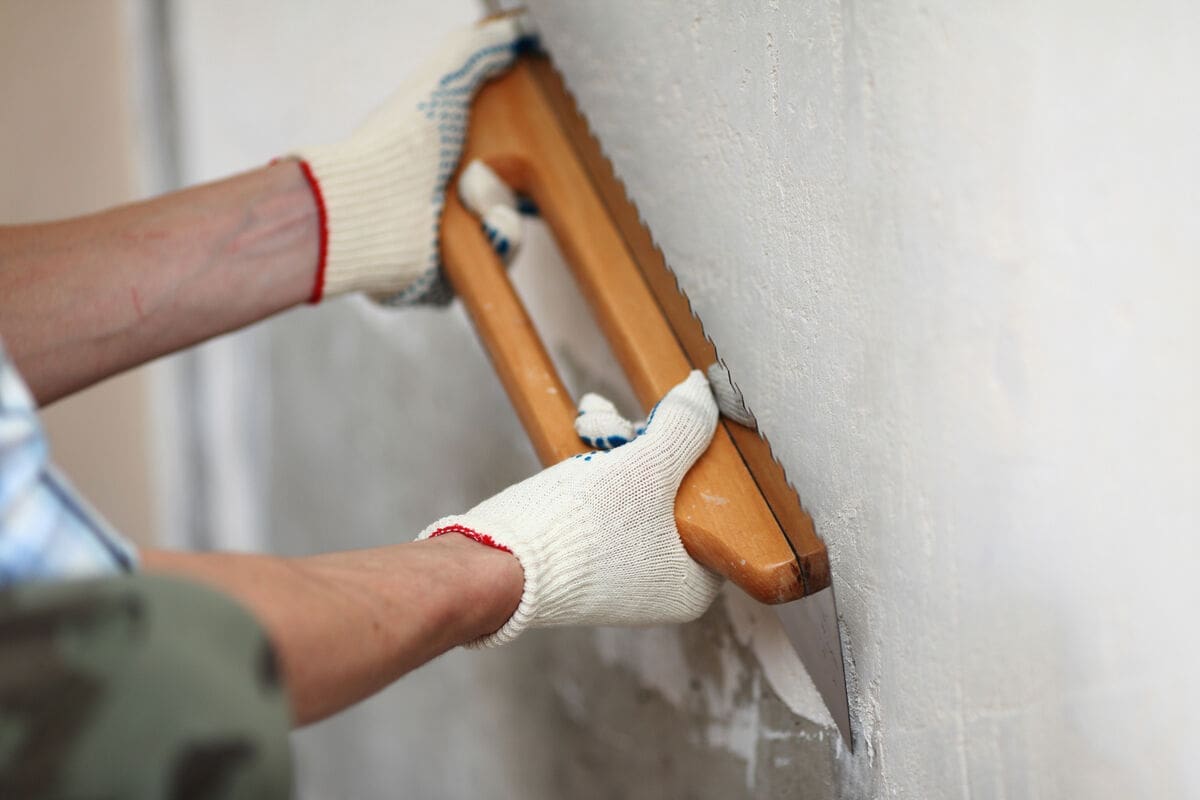
A crack in a stucco ceiling is one of those small defects that somehow feels bigger than it is. It’s not just a line in a surface – it’s something you notice every time you look up, especially when light catches it at an angle and turns a hairline imperfection into a shadow. Unlike wall cracks, ceiling stucco repair feels more technical, more exposed and a little less forgiving. Gravity is no longer on your side, and that changes everything from preparation to finishing.
Why Stucco Ceilings Crack in the First Place
Stucco ceilings crack for many of the same reasons walls do, but with a few added complications. Ceiling surfaces are often subject to structural movement from above: floor deflection, joist shrinkage or even minor vibration over time. In older homes, especially those with plaster or traditional stucco finishes, these movements accumulate slowly and eventually show as cracks.
Moisture is another common factor. Even small roof leaks or condensation issues can weaken the bond between layers of material, causing sections to separate slightly from the substrate. Unlike wall cracks, ceiling defects are more likely to indicate either movement above or long-term stress rather than simple surface shrinkage.
The key distinction is whether the crack is purely cosmetic or whether the stucco is beginning to detach. A hollow sound when tapping the surface or visible sagging can indicate that the material has lost adhesion and may need partial removal rather than a simple patch.
Preparing a Ceiling Is Half the Job

Get the Green Building Project Checklist
Use this handy checklist on your next project to keep track of all the ways you can make your home more energy-efficient and sustainable.

Before any repair begins, the area must be properly assessed and stabilized. Working overhead means anything loose becomes a safety issue as well as a cosmetic one. All weak or flaking stucco must be removed until you reach solid, well-bonded material.
This preparation stage is where most of the long-term success is determined. A ceiling repair that is rushed at this stage will almost always reappear later.
A typical preparation process includes:
- Removing all loose or hollow-sounding material using a scraper or putty knife
- Expanding the crack slightly so filler can bond properly rather than sitting on top
- Cleaning dust and debris thoroughly from the area
- Ensuring the surface is completely dry before applying any repair compound
Once the surface is stable and clean, the repair can be built up properly rather than simply patched over.
WATCH | Repair holes in exterior stucco ceilings
Choosing the Right Repair Method
Not all ceiling stucco repairs are equal. Hairline cracks can often be handled with flexible filler, while larger cracks or missing sections require a layered approach similar to wall stucco, but applied overhead with more control.
For small cracks, an acrylic or elastomeric filler designed for ceiling movement is usually sufficient. These materials remain slightly flexible, which is important because ceiling structures continue to move subtly over time.
For larger damage, a more structured repair is needed, typically involving a base patch followed by a textured finish coat. In some cases, especially where sections have separated, a reinforcing mesh may be required to prevent future cracking.
Applying the Repair Without Creating a Visible Patch
Working overhead changes everything about application technique. Material behaves differently when gravity is pulling it down, so thin, controlled layers are essential.
A good stucco ceiling repair typically follows a staged approach:
- Apply a bonding agent if required to improve adhesion
- Press the first layer of patching compound firmly into the crack or damaged area
- Allow partial setting before adding additional material to build level
- Recreate the texture of the surrounding ceiling using a sponge, brush or trowel
The goal is not just to fill the defect, but to make the repair disappear visually. Ceiling surfaces are unforgiving under light, especially raking light from windows or fixtures, so even small inconsistencies in texture can become visible.
Matching Texture and Blending the Repair
Ceiling stucco textures vary widely, from smooth finishes to heavy stipple patterns. Matching the existing texture is often the most time-consuming part of the job. It is usually better to test on a small area or scrap surface first rather than experimenting directly on the ceiling.
In most cases, blending involves layering rather than a single pass. Slight adjustments in pressure, tool angle or material consistency can dramatically change the final appearance. Patience matters more here than speed.
Finishing, Curing and Protecting the Repair
Once the repair is complete, it must be allowed to cure fully before any painting or finishing. Ceiling repairs are especially sensitive to moisture and airflow during this stage. Rapid drying can cause minor cracking, while trapped humidity can weaken adhesion.
After curing, painting the entire ceiling is often recommended rather than spot painting. Even if the repair is well matched, paint sheen differences almost always reveal the patch under certain lighting conditions. A uniform repaint is usually the cleanest way to ensure the repair disappears completely.
When Ceiling Stucco Damage Is a Warning Sign
Not every crack is just a cosmetic issue. If cracks reappear quickly after repair, or if multiple areas of the ceiling are affected, it may indicate movement in the structure above or moisture intrusion that hasn’t been resolved.
In those cases, repeated patching becomes less effective, and a broader inspection of roof structure, insulation or vapour control may be necessary. Ceiling stucco often acts as a visual indicator of what is happening above it, making it worth paying attention to recurring patterns rather than isolated defects.
Bringing it Together
Repairing stucco ceilings is as much about control as it is about materials. The overhead nature of the work demands more patience, more precision and a better understanding of how the substrate behaves over time. When done properly, the repair should disappear completely into the ceiling surface, leaving no trace of the crack that once drew your eye upward.
WATCH | Stucco repair tutorial
Images from Depositphotos


