
Types of Industrial Lighting
A Guide to Industrial Lighting Fixtures and Factory Lights

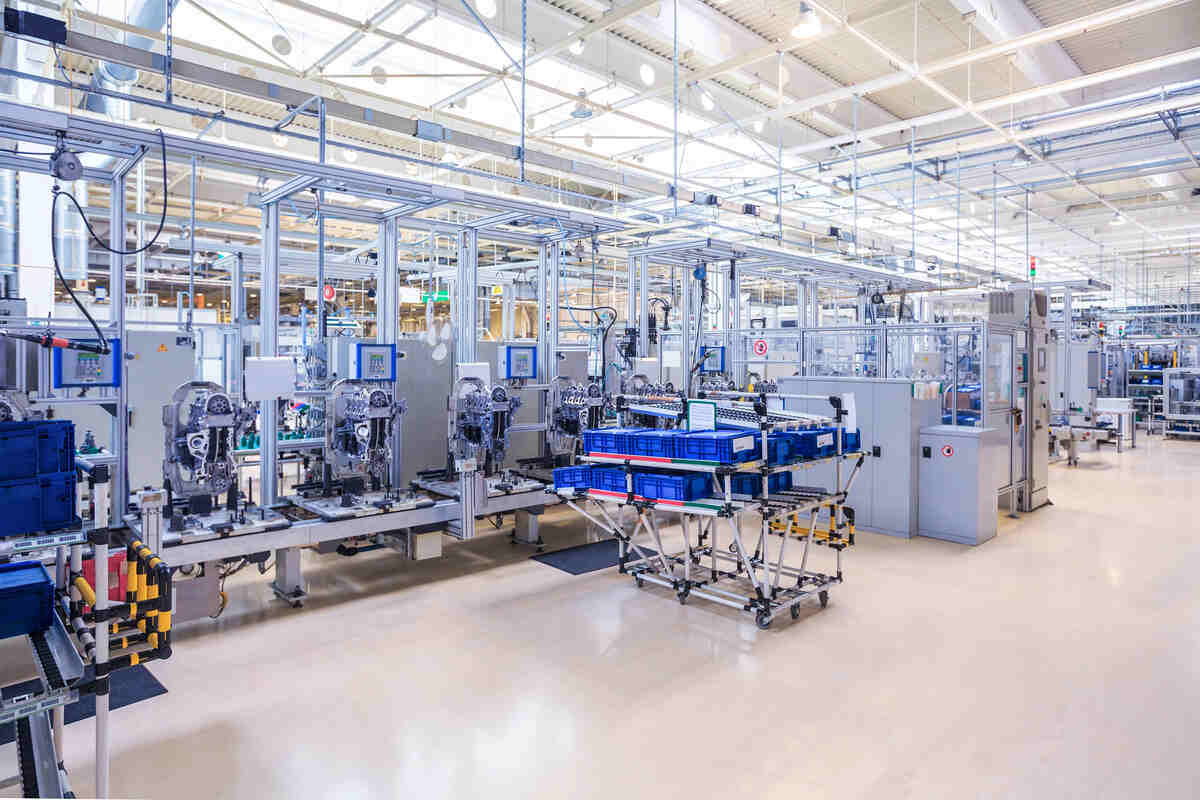
Industrial lighting plays a critical role in ensuring visibility, safety and efficiency of work throughout industrial settings, from factories to warehouses.
Whether you’re outfitting a new facility or upgrading your existing systems, understanding the different types of industrial lighting and the best industrial lighting fixtures for your space is crucial. In this guide, we’ll explore all that to help you make informed decisions.
We’ll also discuss the importance of commercial lighting installation for businesses, ensuring your lighting setup is both effective and energy-efficient.
Types of Industrial Lighting
Choosing the right lighting for your industrial facility depends on several factors, including the type of work being performed, the size of the space and the energy efficiency requirements. Here are the most common types of industrial lighting used in factories, warehouses and other industrial spaces.
1. LED Industrial Lighting

Get the Green Building Project Checklist
Use this handy checklist on your next project to keep track of all the ways you can make your home more energy-efficient and sustainable.
LED lighting has become the go-to choice for many industrial applications due to its energy efficiency, longevity and low maintenance. LED industrial lights are available in various forms, including overhead lights, high-bay lights and linear fixtures.
Energy-efficient – LED lights use significantly less power than traditional lighting.
Long lifespan – Lasts up to 50,000 hours or more, reducing replacement costs.
Instant on – No warm-up time needed, ensuring immediate full illumination.
2. Fluorescent Lighting
Though its market has been getting taken over by LEDs in recent years, fluorescent lights are still commonly used in industrial settings for general lighting due to their affordability and decent energy efficiency. They are especially popular in warehouses, offices and manufacturing spaces.
Cost-effective – Lower initial investment compared to LED or metal halide.
Widely used – Commonly found in both office spaces and workshops.
Best for general lighting – Suitable for large areas needing consistent light output.
3. High-Bay and Low-Bay Lighting
High-bay and low-bay lighting are specifically designed for high-ceiling spaces like factories and warehouses. The difference between the two is based on the height of the ceiling.
High-bay lights – Used for ceilings of 20 feet or higher. These lights provide intense illumination to cover large, open spaces.
Low-bay lights – Designed for spaces with lower ceilings (below 20 feet).
Both types of lights can use different technologies, including LED, fluorescent or metal halide, depending on your needs.
4. Metal Halide Lighting
Metal halide lights offer bright, white light and are commonly used in factories, warehouses and outdoor areas that need powerful illumination. They are ideal for spaces requiring consistent brightness.
High brightness – Metal halide lights provide powerful lighting suitable for large areas.
Energy consumption – They consume more energy compared to LED but can be a good choice for spaces that require intense light over short periods.
Colour rendering – Provides excellent colour rendering, making it ideal for areas where detailed work is required.
5. Induction Lighting
Induction lighting offers high energy efficiency with a long lifespan similar to LEDs. They are commonly used in outdoor and industrial applications, including high ceilings and wide spaces.
Durability – Long lifespan and low maintenance, ideal for hard-to-reach areas.
Energy-efficient – More energy-efficient than traditional lighting, though not as efficient as LEDs.
No flickering – Unlike fluorescent lights, induction lights don’t flicker or hum, making them suitable for sensitive work environments.
6. Emergency Lighting
Industrial facilities are required to have emergency lighting systems in place for safety purposes. These lighting systems automatically activate in case of power failure, ensuring safe evacuation in the event of an emergency.
Battery-powered backup – Provides illumination during power outages.
Compliance with safety standards – Ensures the facility meets safety regulations.
Ideal for exits and escape routes – Helps guide employees to safety during an emergency.
Industrial Lighting Fixtures

Industrial lighting fixtures are available in various designs, each suited for specific purposes. Here are the most common industrial lighting fixtures:
1. Pendant Lights
Pendant lights are suspended from the ceiling and are commonly used in areas with high ceilings, such as manufacturing floors or assembly areas.
Versatile – Available in different styles and sizes, suitable for various industrial spaces.
Adjustable – Allows for flexible installation based on your specific lighting needs.
2. Troffer Lights
Troffer lights are rectangular or square fixtures commonly used in industrial offices or workspaces. They are designed to fit into suspended ceiling grids.
Energy-efficient – Commonly used with LED technology.
Wide coverage – Provides broad, uniform lighting.
3. High-Bay Lights
High-bay lights are designed for ceilings of 20 feet or higher and are commonly used in warehouses, factories and other large industrial spaces.
Powerful illumination – Provides bright light to cover large areas.
LED options – Many high-bay lights are available with LED technology for energy efficiency.
How to Choose the Right Lighting for Your Industrial Space
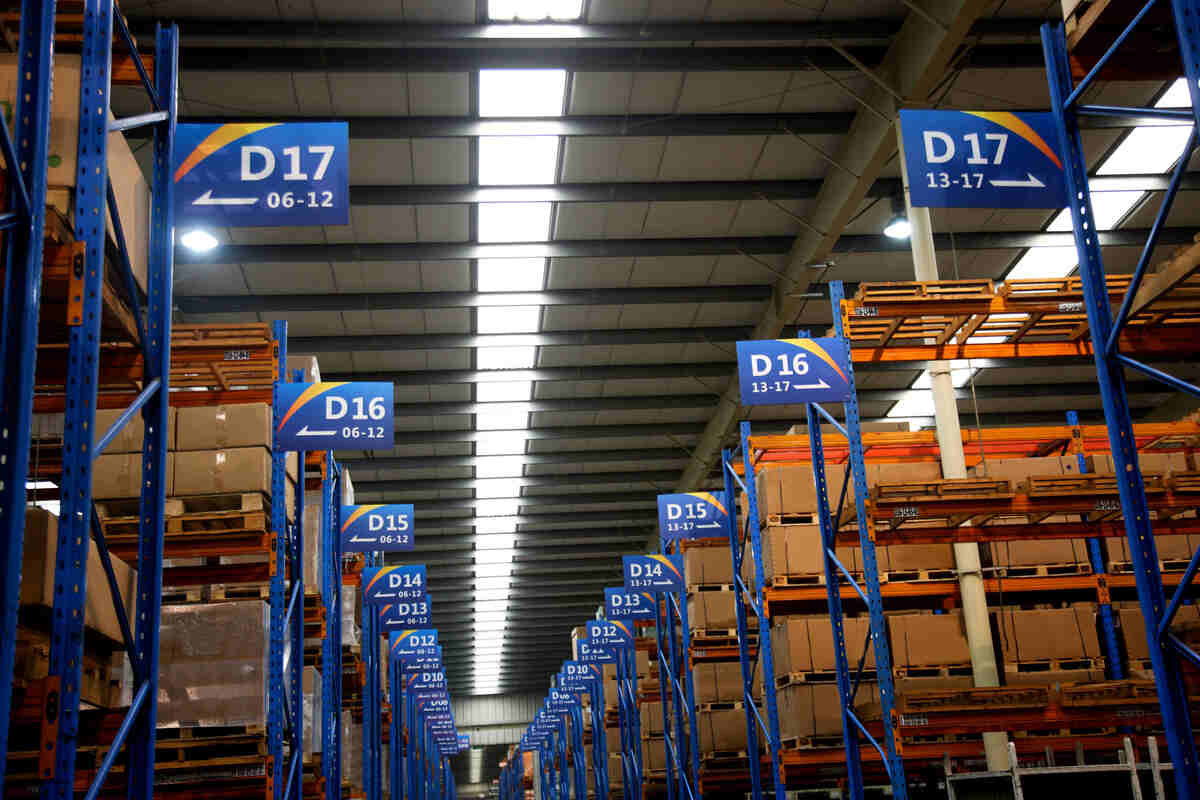
When selecting industrial lighting, several factors should be considered:
Ceiling height – Choose high-bay lighting for taller ceilings and low-bay lighting for standard heights.
Lighting purpose – Consider task lighting for specific areas, such as workstations and general lighting for wide spaces.
Energy efficiency – Opt for energy-efficient solutions like LED or induction lighting to lower operating costs.
Maintenance – Choose lighting that requires minimal maintenance, especially in areas that are difficult to access.
Commercial Lighting Installation for Businesses
Proper commercial lighting installation for businesses is essential for ensuring the best lighting solution for your space. Working with experienced professionals helps ensure the correct lighting system is installed to meet both aesthetic and functional needs.
Proper installation maximizes energy savings, enhances safety and ensures compliance with local building codes.
Choosing the right industrial lighting fixtures can have a sizeable impact on your business operations. Whether you need high-bay lights, LED fixtures or emergency lighting systems, it’s essential to pick the best lighting solution for your specific needs.
Images from Depositphotos


