
Why Urban Tree Management Matters for Sustainable Cities


As cities continue to grow, sustainability conversations often focus on transit, energy efficiency and net-zero buildings. But one of the most important forms of urban infrastructure is already standing in plain sight: trees.
They help regulate temperature, improve air quality, absorb stormwater and make dense neighbourhoods more liveable. Protecting those benefits requires ongoing urban forest management, from pruning and disease prevention to difficult decisions around hazardous or declining trees. Preserving and expanding the urban canopy is a priority for many communities, but responsible tree management also means recognizing when removal is necessary. Aging, diseased or structurally compromised trees can create safety risks, making tree removal an important part of maintaining a healthy and resilient urban forest.
Urban forestry is no longer just a landscaping issue. It has become part of how cities adapt to climate change and build long-term resilience. To understand why this matters, it helps to look at the role trees play in modern urban environments.
Trees as Environmental Infrastructure
A healthy urban canopy performs critical environmental functions every day. Trees reduce urban heat island effects by cooling streets and buildings through shade and evapotranspiration. They help filter pollutants from the air and reduce runoff during major rainfall events by absorbing and slowing stormwater.
In urban areas filled with asphalt, glass and concrete, these functions become increasingly valuable. A street lined with mature trees can feel significantly cooler in summer compared to areas with limited canopy cover.

Get the Green Building Project Checklist
Use this handy checklist on your next project to keep track of all the ways you can make your home more energy-efficient and sustainable.
This is especially relevant in major Canadian cities such as Toronto and Montreal, where rising summer temperatures, urban heat island effects and more intense rainfall events are placing growing pressure on infrastructure and public spaces.
The Sustainability Value of Mature Trees
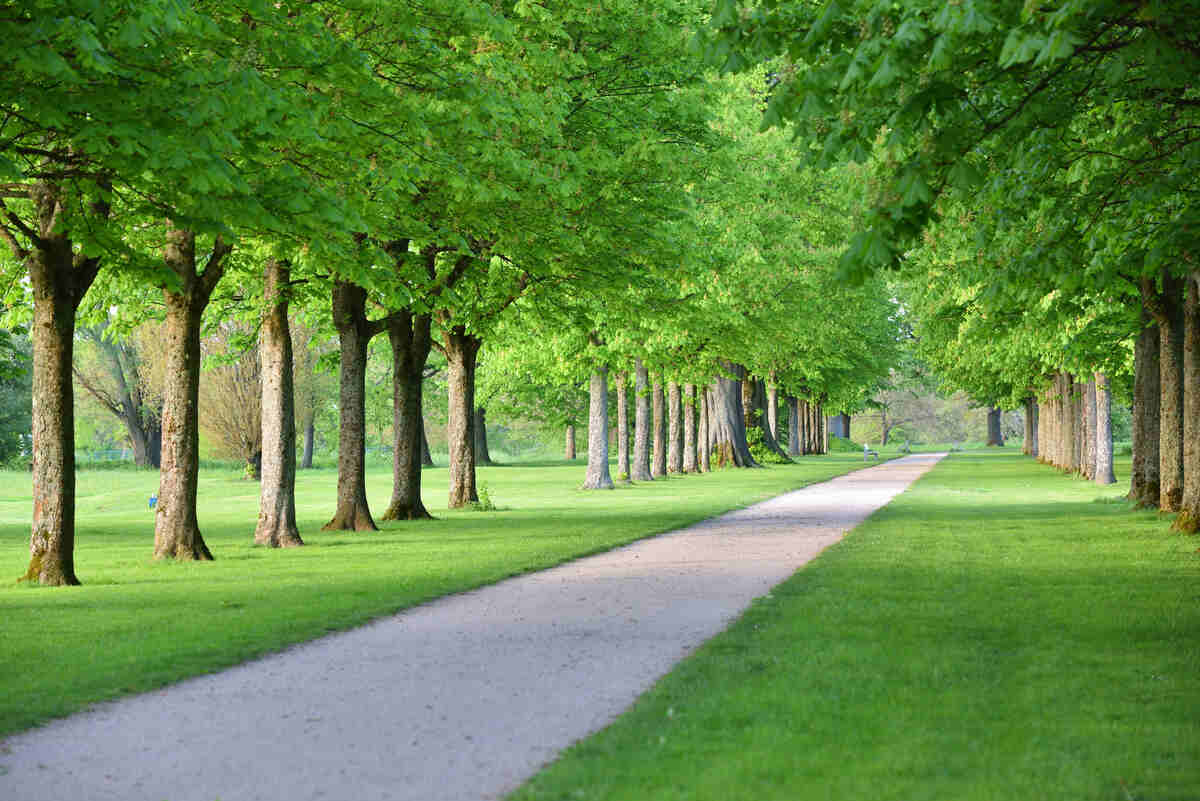
Not all trees contribute equally. Mature trees provide exponentially greater environmental benefits than newly planted saplings. Larger canopies capture more carbon, intercept more rainfall and create more shade.
This is why protecting healthy mature trees should remain a priority in urban planning and development. Replacing a decades-old tree with a young planting may maintain canopy numbers on paper, but the environmental performance gap can take years (or decades) to recover.
At the same time, sustainability also requires realistic management. Trees affected by disease, root failure, storm damage or structural instability can create risks to buildings, pedestrians and utilities.
When Tree Removal Supports Long-Term Urban Health
Tree removal is often viewed negatively, but in many cases it is part of responsible urban forest management. Unsafe or severely declining trees can threaten homes, sidewalks, roadways and power lines, particularly during increasingly severe weather events.
Strategic removal also allows municipalities and property owners to diversify species selection and avoid overreliance on a narrow range of trees vulnerable to pests or disease. Toronto’s experience with emerald ash borer damage demonstrated how quickly canopy loss can occur when urban forests lack diversity.
The goal is not simply to preserve every tree indefinitely. The goal is to maintain a healthy, resilient canopy capable of adapting to future climate conditions.
Development Pressure and Canopy Loss
Construction remains one of the biggest challenges facing urban trees. Excavation, soil compaction, root disturbance and changes to drainage patterns all weaken long-term tree health.
In fast-growing cities, balancing intensification with canopy preservation becomes increasingly complex. New housing and infrastructure are necessary, but integrating tree protection into project planning is equally important for maintaining livability.
Sustainable urban growth cannot focus solely on buildings while ignoring the natural systems surrounding them.
Green Buildings Need Green Surroundings
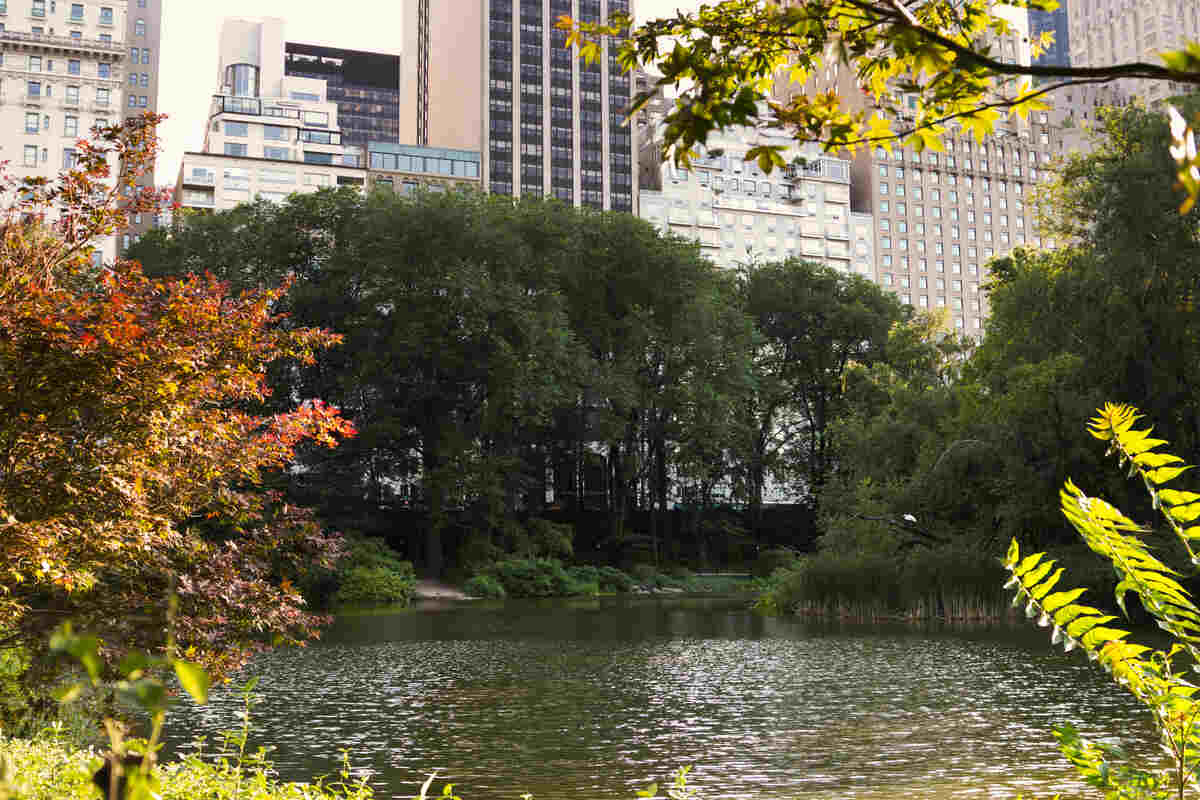
A highly efficient building still exists within a broader urban environment. Shade from surrounding trees can reduce cooling demands, improve pedestrian comfort and contribute to overall neighbourhood wellbeing.
Tree-lined streets also encourage walking and outdoor activity, which supports healthier and more connected communities. For developers and planners pursuing sustainability goals, urban forestry should be viewed as complementary infrastructure rather than decorative landscaping.
Increasingly, the most successful urban spaces combine density with meaningful access to greenery.
Planning for the Next Generation of Cities
Climate resilience will require long-term thinking. Trees planted today may define neighbourhood comfort levels decades from now. At the same time, aging trees already under stress from pollution, compacted soil and weather extremes will need active management to remain safe and viable.
Urban forestry works best when approached proactively – through inspections, species diversification, maintenance planning and strategic replacement where necessary.
Cities that invest in healthy canopies today will be better positioned to manage heat, flooding and quality-of-life challenges in the future.
Sustainability Includes the Urban Forest
Sustainable cities are not built from technology alone. They depend equally on ecological systems that quietly support daily urban life.
Trees cool streets, absorb water, reduce emissions impacts, support biodiversity and improve how cities feel on a human level. Maintaining that system sometimes means preservation and sometimes means replacement, but it always requires thoughtful management.
In growing urban centres, the future of sustainability will depend not only on what cities build, but on how well they care for the living infrastructure already rooted within them.
WATCH | Urban Forestry Explained
Images from Depositphotos

