
Rates Up, Coverage Down
The New Reality of Home Insurance in Canada

In this weekly Q&A column, retired builder/building inspector Cam Allen answers readers’ home renovation questions. Have a question? Enter it in the form below.
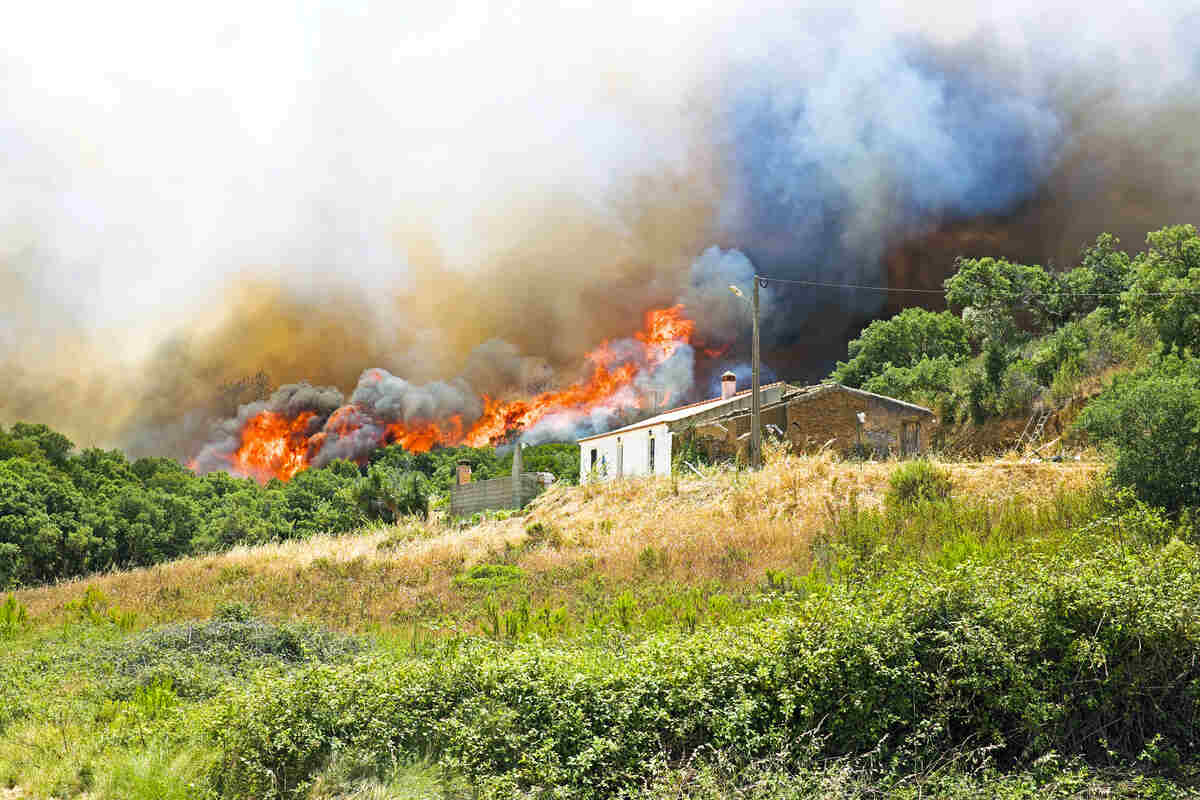
It’s around this time of year that I start seeing questions arrive in my inbox about putting an addition onto their home and this year is no different. What is different this year in my response is regarding home insurance. You should understand that this new addition will affect your home insurance and your home insurer may want additional climate-related improvements. As an example, I can see where vinyl siding may be rejected in favour of cement board siding in a fire-prone area.
In a column some weeks ago, I mentioned how the town of Canmore, Alberta received a grant from a major home insurer to have selected homeowners upgrade their roof to a class “A” fire-rated covering.
When I began researching this week’s column a few weeks ago I got quite a lesson on how the home insurance industry as a whole is reacting to the obvious climate crisis and their bottom line. The most recent information I was able to find was limited but certainly troubling. Canadian home insurers have paid out over $8 billion in the past couple of years. Wildfire losses have risen nearly 750 percent in the last ten years.
Insurers are now taking a serious look at their bottom line, and it is going to seriously financially affect every homeowner in Canada.
Sadly, trying to get some basic answers from a media request is limited – it’s a topic insurance companies are “politely declining to comment” aside from saying they are reviewing the current issue. I did a random check with three smaller mutual companies and two of the major companies.
The smaller mutuals all offer various forms of “Loss Prevention Programs” with credits or rebates for things like sump pumps, standby generator systems and various basement flood warning installations. Neither of the major insurers opted to comment, referring me to an insurance broker who was even less informative. The stock answer I got was, “Coverages are reviewed on a case by case file.”
While Canada has not reached the level of companies declining to insure or companies going broke like in Florida and California, there are major changes both currently and coming for homeowners. If you live in an area of serious wildfire risk you can expect higher deductibles, limitations on coverage and some mandatory fire prevention requirements, depending upon your area. The same can be said for anyone with a home in a designated flood zone. One thing I did find out, no insurer in Canada covers landslides. This is one area of concern in British Columbia right now.

Get the Green Building Project Checklist
Use this handy checklist on your next project to keep track of all the ways you can make your home more energy-efficient and sustainable.
The one comment I got from a brokerage was a reference to the Canadian FireSmart program and their mitigation recommendations. This broker indicated that they expect more reference to FireSmart as the standard for upgrades that insurance companies are talking about. The FireSmart program is designed to help homeowners protect their homes and properties from the ravages of a wildfire. The program is based upon documented evidence gathered by the federal government, providing a guideline with practical steps not only to reduce your risk, but how to contain a wildfire from destroying your home and property.
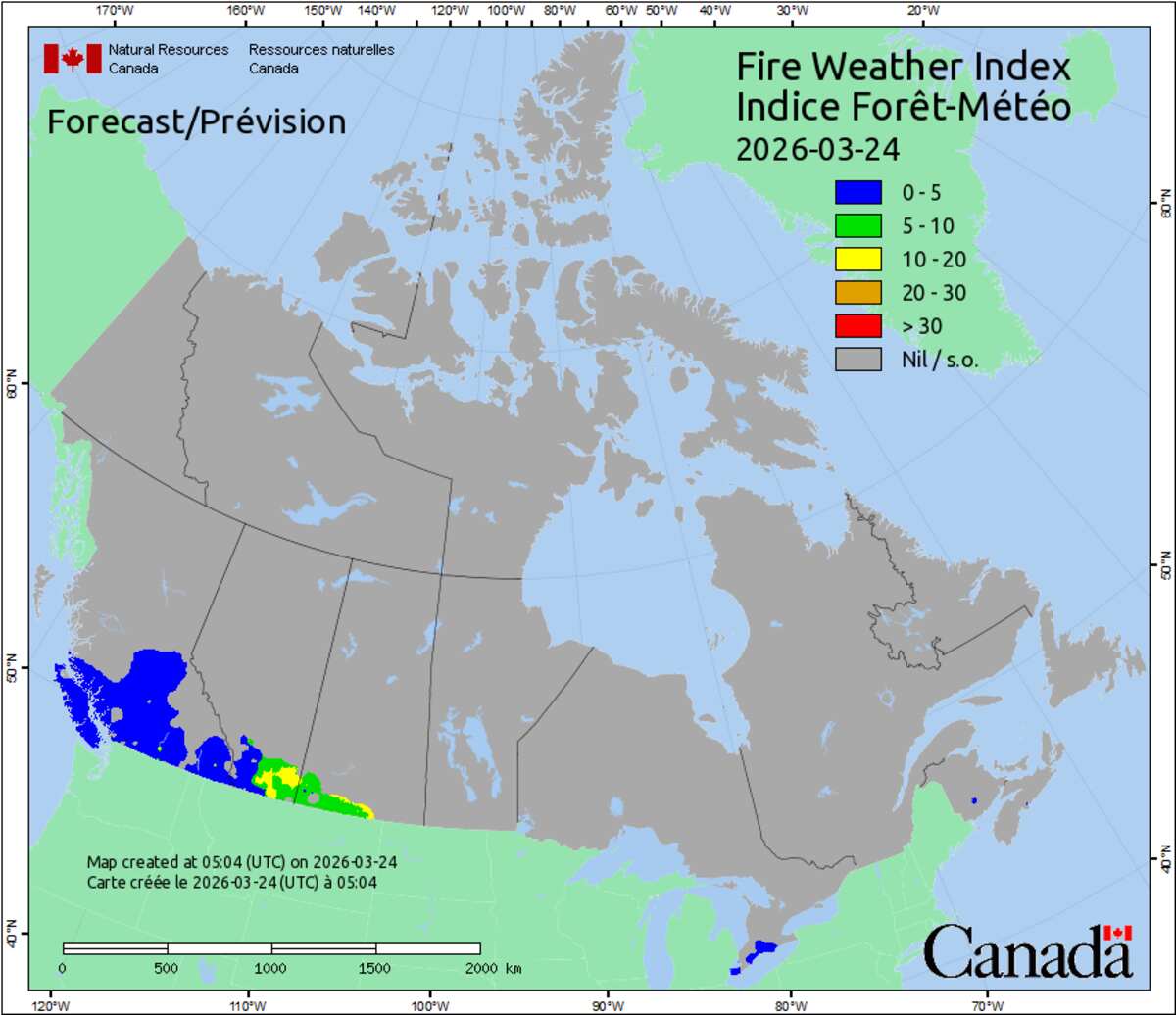
Another federal initiative, the Canadian Wildland Fire Information System publishes a ranking system called the “wildfire risk score.” If you go to their website you’ll find data and maps on daily fire conditions and locations with updated rankings and predictions.
With respect to how soon these policy increases will happen, in Kamloops BC from 2023 to 2025 home insurance nearly doubled with some policies for an average bungalow reaching $4,000. When I checked the CWFIS score for Kamloops it was 9.2/10 while Barrie Ontario was 4.6/10. Almost every major Canadian city is listed on this wildfire risk score.
With respect to flood insurance you should confirm if your current home insurance covers overland water invasion. You may find your current policy does not unless it’s a rider or a flood-specific policy. All of the smaller mutuals in Western Ontario that I spoke to are now zeroing in on water-related issues, both internal and external flooding.
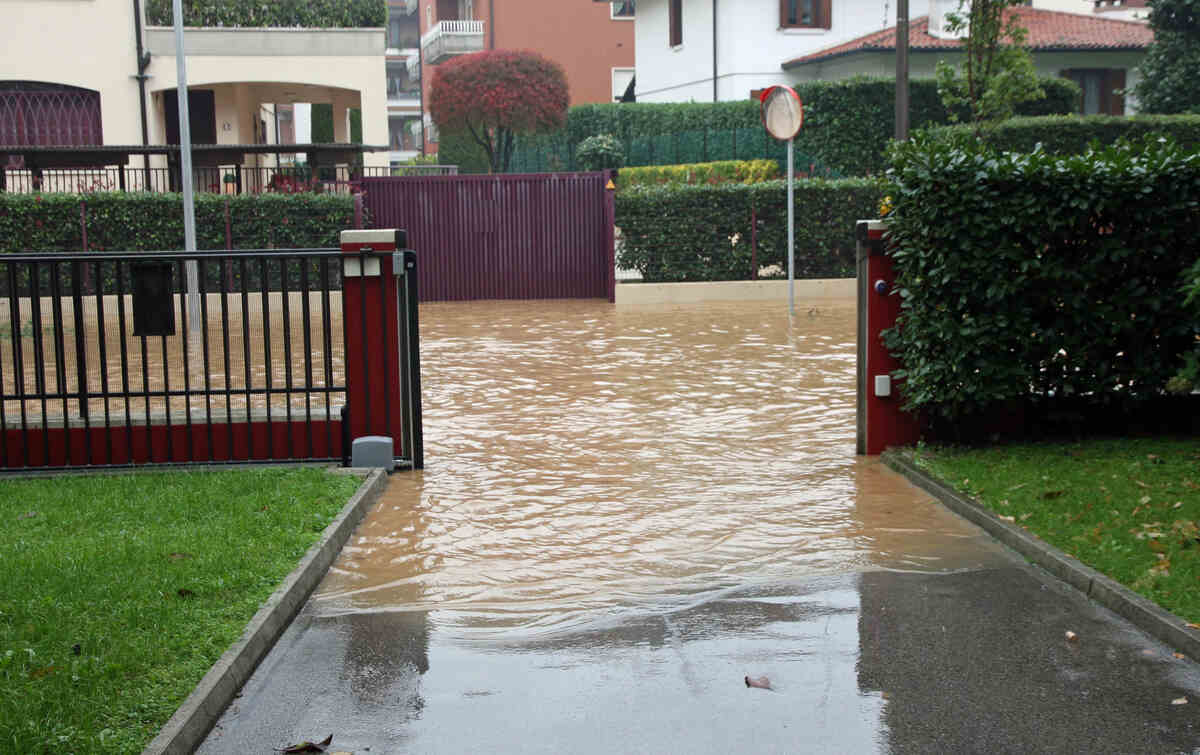
Canada was supposed to have a national flood insurance program at some point in early 2025, sadly that has not happened as yet. The last I heard before Christmas of 2025 was the provinces and the federal government are still “negotiating the payment structure.”
So where does this leave the average homeowner in today’s rapidly evolving home insurance market? There are no stock answers, sad to say, other than every homeowner can expect to see their home insurance rise. Insurance companies “pool” the available payout funds they have and those funds come from every insured home in Canada that they hold a policy for.
My suggestion is this: make the effort to check all your coverages, especially if you are in a recognized wildfire or flood-prone zone. If your home is not protected by a fire station or hydrants, you can expect higher premiums.
Another comment I got was they can see insurers stopping writing policies in wildfire-prone areas during peak fire season. Some companies are already limiting coverage or only paying a percentage of the coverage. It’s all in the fine print, as they say. If there ever was a time to read the fine print, it is now – and you should continue to do this every year when your renewal comes due.
This situation is directly a result of the climate crisis and there is no going back. Insurance companies are a for profit institution and they are not going to take any risk they can manage or reduce.
Images from Depositphotos
Have a Home Renovation Question?
Write it down below and we’ll get back to you. All questions get answered – every week, we’ll select one for publication in the column.