The Condo Carbon Challenge
How Condo Boards Can Deliver Measurable Sustainability Improvements


Condos account for about 15 percent of all occupied dwellings in Canada. Though that number doesn’t seem like much, it’s a number that’s growing and when you consider that buildings are the third-largest contributor to greenhouse gas emissions in Canada (18 percent of total emissions), you can start to see just how significant a contributor condos are to the country’s climate goals.
The encouraging part is that condos are perfectly positioned to improve. They operate like small vertical neighbourhoods. When you make one smart change to a shared system, it scales across hundreds of homes immediately. When you modernize how the building communicates and keeps records, you reduce waste and make governance smoother at the same time.
This article is a practical guide for boards, owners and property teams who want to improve sustainability without turning it into an endless project. It covers building upgrades that reduce energy and water use, waste strategies that actually work as well as some easy fixes.
Start With a Baseline You Can Actually Use
Most condos do not need a complicated model to get started. They need a baseline that is clear enough to answer a few simple questions: Where is the building using the most energy? Where is water being wasted? What does waste hauling cost and how much is being diverted?
A useful baseline usually includes 18 to 24 months of electricity, natural gas and water bills, plus waste invoices if you have them. Add a quick list of your major systems (HVAC, domestic hot water, garage fans and lighting controls) and note recurring comfort complaints. Drafty corridors, overheated lobbies and stuffy amenity rooms are not just annoyances. They are clues that systems may be drifting out of tune.

Get the Green Building Project Checklist
Use this handy checklist on your next project to keep track of all the ways you can make your home more energy-efficient and sustainable.
Once you have that snapshot, sustainability stops being a wish list and becomes a set of decisions you can track.
Begin With an Easy Win: Going Paperless

In condo operations, one of the fastest ways to reduce waste is simply to stop printing so much. Paper shows up everywhere: notices, meeting packages, forms, cheques, receipts, contractor submissions and storage boxes full of old records. Going paperless does not mean banning paper overnight. It means choosing “digital first” for the processes that happen constantly. Once those become reliable, paper naturally becomes the exception.
Condo governance depends on records. Minutes, budgets, reserve planning documents, rules, policies, vendor contracts and engineering reports all matter, especially when questions come up later. When records are stored digitally in an organized way, board transitions are smoother and “Where is that document?” stops becoming a recurring meeting agenda item.
Move-in bookings, renovation requests, amenity reservations and service requests are often handled through paper forms or scattered email threads. Digital forms reduce errors, ensure required information is captured and create an audit trail that is useful when disputes arise.
This is one area where condo management software can help without making the whole conversation “about software.” A modern platform can centralize notices, document storage, e-voting, agendas and minutes, maintenance requests and audit trails, which helps a building adopt paperless processes and keep them consistent over time.
Energy is Where Many Condos See the Biggest Impact
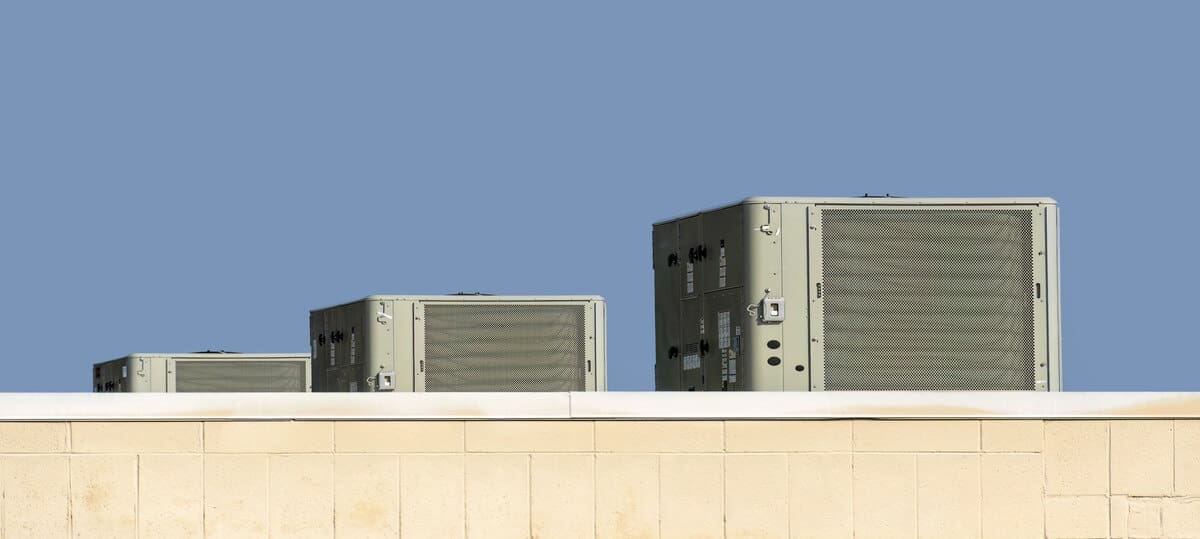
For most condo buildings, energy is the largest sustainability opportunity. It is also where the best projects can reduce emissions and reduce operating costs at the same time, which makes them easier to support.
A helpful rule of thumb is “tune, control, then replace.” In other words, make sure your building runs properly before you spend money on new equipment.
Recommission What You Already Have
Buildings drift. Schedules get changed once and then forgotten. Sensors fall out of calibration. Systems run longer than they need to because nobody wants to risk a comfort complaint.
A tune-up process can uncover easy wins: adjusting ventilation schedules, reviewing heating and cooling setpoints to avoid systems fighting each other, verifying that garage carbon monoxide sensors are reading correctly and checking that dampers and actuators are doing what the controls think they are doing.
If your building has automation, ask whether anyone is actively reviewing trends and alarms, not just responding to failures. Controls are not glamorous, but they often deliver some of the quickest savings.
Upgrade Lighting and Make Sure It Is not Wasting Power
LED lighting is widely adopted because it lowers electricity use and reduces maintenance. The extra gains come from controls.
Garages, stairwells, storage rooms and back corridors are strong candidates for occupancy sensors. In corridors where you want consistent visibility, dimming to a low level when unoccupied can balance safety and savings. In lobbies and amenity spaces with natural light, daylight sensors and scheduling can reduce waste without changing the look and feel of the space.
Fans and Pumps Deserve More Attention Than They Get
In many condos, fans and pumps are quiet energy hogs. Corridor fans, make-up air units, garage ventilation, circulation pumps and booster pumps often run continuously. Even a modest reduction in run time or speed can add up over a year.
Variable frequency drives can allow motors to ramp up and down based on demand rather than running full speed all the time. This is not appropriate for every application, but it is a common opportunity in multi-residential buildings and worth evaluating.
Domestic Hot Water Is a Major Load
Hot water systems are easy to take for granted until something goes wrong, but they can consume a significant amount of energy. If the recirculation loop is running too hot, or if mixing valves are not performing properly, the building may be wasting energy while still delivering inconsistent temperatures.
Practical improvements include insulating accessible piping, fixing leaks, tuning recirculation controls and checking mixing valves and setpoints. If equipment is approaching end of life, planning early creates options, instead of forcing a rushed replacement after a failure.
Improve the Envelope When Timing Is on Your Side
Envelope upgrades can be expensive, but the timing can make them far more realistic. If your condo is already planning window replacement, façade work, balcony repairs or roof replacement, that is the moment to look for added air sealing and insulation improvements.
In Canada’s climate, comfort is closely linked to energy. Reducing drafts and cold spots often reduces resident complaints and can reduce reliance on space heaters, which quietly increase electricity demand and can create safety concerns.
Water Efficiency That Residents Barely Notice
Water conservation works best in condos when it feels effortless. Most residents are not looking for a lifestyle change. They are looking for a building that runs well.
Leaks are one of the most common sources of water waste. A running toilet in a common area, a stuck valve or a slow mechanical room leak can waste a lot over time. Regular inspections and quick response are the basics. For buildings with a history of flooding or chronic leaks, leak detection sensors in high risk areas can provide early warning before damage and waste escalate.
Common area fixtures are another straightforward opportunity. Modern low flow products can reduce water use while maintaining good performance. If your property has irrigation, reviewing schedules and shifting to more drought tolerant landscaping where appropriate can also reduce waste, especially during summer months.
Waste Diversion That Actually Works

The garbage room is where sustainability becomes visible. When waste systems are confusing or inconvenient, contamination rises and diversion falls.
The basics still matter most: clear signage, consistent bin placement and bins that do not overflow. If recycling rules vary locally, align your signage with municipal guidance so residents are not guessing. New residents, renters and visitors need simple instructions, not fine print.
Some buildings also add a small reuse area for items that are still useful, such as books or small household goods. If you try this, keep it simple and keep it tidy. A reuse shelf only works when it is lightly managed.
Material choices matter too. When you repaint corridors, replace flooring or renovate amenity spaces, choosing durable, low emission materials can reduce replacement frequency and improve indoor air quality. A greener building is not only about carbon. It is also about health and longevity.
Transportation Changes That Support Lower Carbon Living

Transportation is a major part of city emissions, and condos can help simply by making low carbon choices easier.
Secure bike storage that is convenient and well designed encourages cycling far more than a token rack in an awkward corner. Even small additions, like a bike repair station or an air pump, can make a difference in whether residents actually use the space.
Electric vehicle charging is a bigger project, but it is becoming a standard expectation. The smartest approach is planning early. An EV readiness plan looks at electrical capacity, future demand, load management, installation pathways and fair billing. Many buildings start with a pilot and expand in phases, which avoids both sticker shock and rushed decisions.
Making Sustainability Stick In a Condo Community
Technical upgrades succeed faster when residents understand them. Sustainability works best when it is framed as comfort, reliability and long-term cost control, not as a guilt-based campaign.
When you make improvements, communicate them in plain language. Explain what changed, why it matters and how it affects daily life. If the building adjusted garage ventilation controls, reassure residents that air quality remains safe while fans run only when needed. If corridor lighting was upgraded, share that it reduced electricity use and reduced maintenance calls. People support the next step when they can see the pattern of benefits.
Some condos create a small sustainability committee to support the board and management. The most effective committees are practical: they research options, help draft resident communications and gather feedback. They do not need a grand mandate. They need a clear scope and a steady rhythm.
A Simple Roadmap That Fits Condo Realities
Sustainability does not need to arrive as one massive project. In most condos, it works best when it is staged. Start by cleaning up operations and capturing quick wins. Move routine communication and board materials into digital distribution. Improve garbage room signage and bin placement. Review lighting schedules and obvious control settings. Fix leaks and start tracking basic utility trends.
Next, tackle targeted retrofits. Complete LED upgrades with proper controls. Evaluate variable speed drives and control improvements for major fans and pumps. Tune domestic hot water systems and insulate accessible piping. Add leak detection where it is most likely to pay off. Develop an EV readiness plan and begin with a manageable phase.
Finally, align major sustainability upgrades with reserve fund planning. When central equipment approaches end of life, explore higher efficiency replacements and electrification pathways. When envelope work is scheduled, include air sealing and insulation improvements. Consider renewable energy or heat recovery feasibility where it makes sense, and look for resilience improvements that reduce future risk.
This approach makes sustainability more affordable and more credible. Each completed step becomes proof that the building can improve without sacrificing comfort or creating chaos. In the end, sustainability in condos is rarely one grand transformation. It is a series of smart decisions, made consistently, that quietly add up to a building that wastes less, costs less to operate and feels better to live in.
WATCH || Energy Efficiency for Condominiums
Images from Depositphotos