
A Better Way to Manage Tree Care on Projects


In my years working at the intersection of green design and urban development, one thing has become increasingly clear: Trees are still treated as a secondary concern in many building projects.
While we’ve made great strides with energy-efficient systems, sustainable materials and green certifications, the role of trees, both existing and newly planted, often lacks structure, strategy and ongoing oversight. That’s where tools like tree care CRM software can bridge the gap between ecological intent and operational reality.
Trees: The Silent Workhorses of Green Building
When we talk about green building, we often focus on thermal performance, air quality, embodied carbon and smart lighting systems. Yet, trees play a vital role in all of these, in four major ways.
Energy performance – Mature trees can reduce air conditioning needs by up to 30 percent by providing natural shade.
Stormwater management – Tree roots absorb significant runoff, reducing the burden on urban infrastructure.

Get the Green Building Project Checklist
Use this handy checklist on your next project to keep track of all the ways you can make your home more energy-efficient and sustainable.
Carbon sequestration – A single healthy tree can absorb more than 20 kilograms of carbon dioxide (CO₂) annually.
Biodiversity – Trees provide a habitat for pollinators and urban wildlife, enhancing ecological resilience.
Despite all this, tree care is still too often left out of the formal sustainability conversation – or, at best, treated as a box to check during planning approval.
Fragmented Tree Data and Reactive Management
In most projects I’ve consulted on, information about trees – both on-site and in regard to planned plantings – is scattered. It lives in CAD overlays, arborist reports, emailed PDFs and field notes. By the time construction begins, the living elements of the site are already disconnected from the project workflow.
This fragmentation leads to real consequences like miscommunication about tree protection zones, delayed planning approvals due to incomplete inventories, poor-quality replanting that fails to meet biodiversity targets and long-term maintenance teams working without data on tree health or species.
Worse yet, when green building projects undergo post-occupancy evaluations, trees are rarely part of the performance review – despite their proven environmental impact.
Learning About Tree Care
When building projects include ongoing tree management, learning the fundamentals of tree care can make it easier to protect existing trees, plan landscaping and make informed decisions about maintenance. Introductory resources and beginner courses can provide a useful foundation in topics such as tree health, pruning, planting, soil conditions and recognizing common problems.
Starting with an introductory course can help property owners understand the terminology and principles while a certified arborist course can provide the specialized knowledge needed to understand tree health, maintenance and responsible urban forestry practices.
How Tree Care CRM Software Can Close the Gap
Digital tools have transformed how we manage HVAC, lighting, energy modelling and occupant comfort. Why should trees be any different?
Tree care Customer Relationship Management (CRM) software provides a centralized, cloud-based platform to manage every tree on a project, both existing and new. Here’s what that looks like in practice.
Tree Inventory and Condition Tracking
Every tree on site is documented with its species, size, health status and location (often GPS-tagged) specified.
Mapping and Visualization
Trees are shown in relation to buildings, utilities, access roads and pedestrian areas.
Lifecycle Management
From planting schedules to pruning cycles to disease monitoring, everything is trackable over time.
Planning Integration
Tree data can be included in Building Information Modelling (BIM) workflows and sustainability documentation, improving LEED or BREEAM submissions.
Collaboration and Permissions
Developers, architects, arborists and property managers can access shared, real-time data and tasks.
Tree Compliance Is Tightening
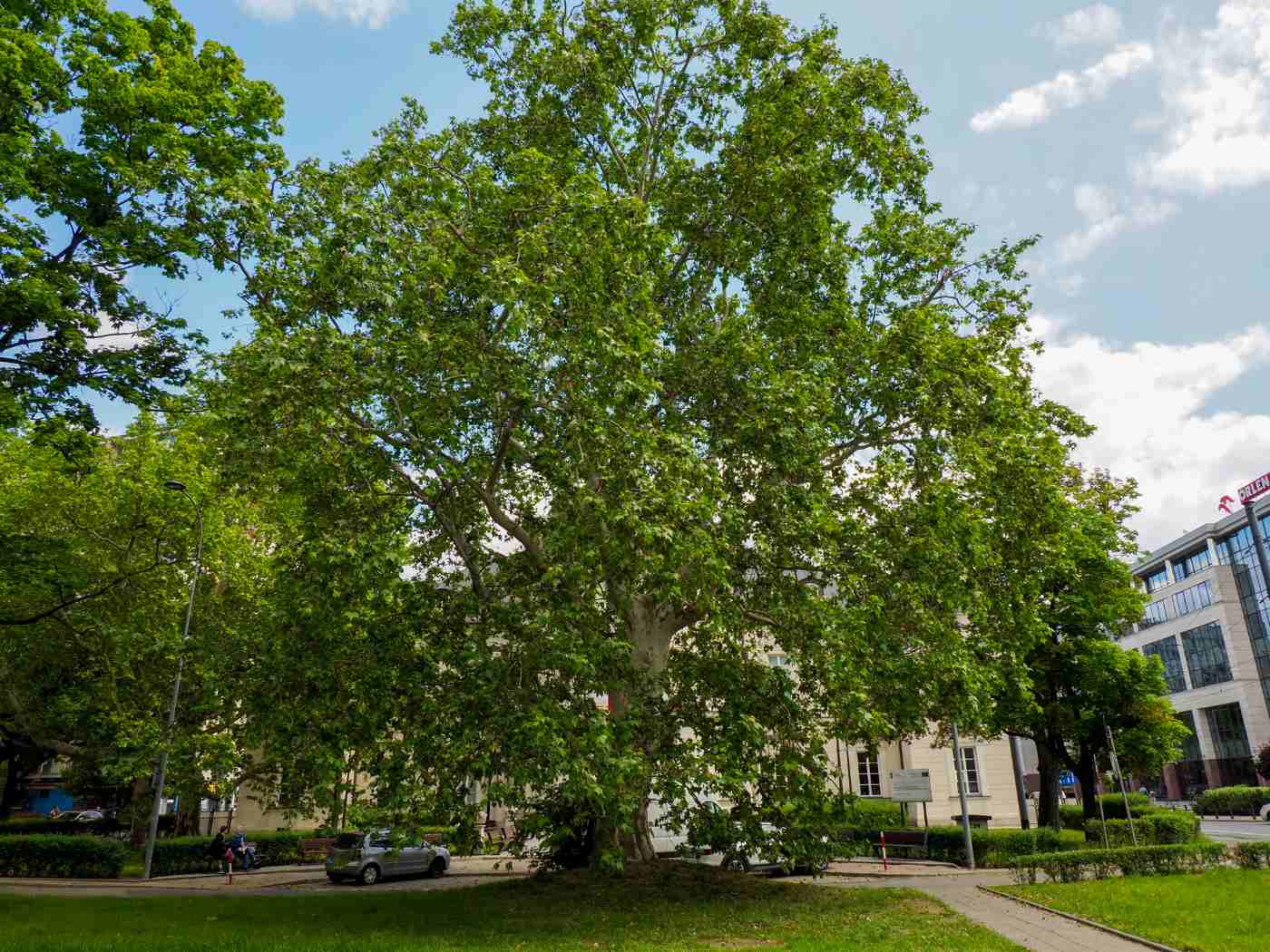
Municipalities across Canada are tightening their urban forestry regulations. Tree preservation bylaws, replanting ratios and canopy coverage targets are becoming standard requirements in planning approvals. For developers and consultants working on green-certified buildings, this adds another layer of due diligence.
Using a tree care CRM helps you stay compliant with regulations by tracking TPO-protected trees and ensuring proper reporting, automating replanting plans and monitoring survival rates, providing documentation for regulators and reducing the risk of fines or project delays.
When compliance is digitized and transparent, approvals progress faster and reputational risk goes down.
The ROI of Tree Care in Green Projects
It’s easy to think of tree management as a cost centre, but in reality, it can drive long-term returns. Here’s a few ways trees can shift from being liabilities to living assets,
Tenant attraction and retention – Properties with healthy, mature landscaping lease faster and command higher rents.
Cooling cost reductions – Shade from trees can reduce energy use significantly, improving energy modelling results.
Improved resale and asset value – Well-maintained green spaces boost property values and support resale narratives about sustainability.
Environmental, Social and Governance (ESG) reporting – Trees contribute measurable environmental impact data, which is especially useful for institutional investors or public developments.
Trees Are First-Class Citizens

If we’re serious about sustainable development, we need to treat trees as first-class citizens in our buildings and infrastructure, instead of just treating them as landscaping features.
Using tree care software brings transparency, accountability and long-term thinking to the way we handle urban trees. It connects arborists, architects, developers and maintenance teams in a single ecosystem, much like how we already treat mechanical systems and smart lighting systems.
Green building isn’t just about what we build. It’s also about what we choose to preserve and grow alongside it. In that vision, trees deserve more than a line on a site plan. They deserve real management. And for that, we need better tools.
Images from Depositphotos
