
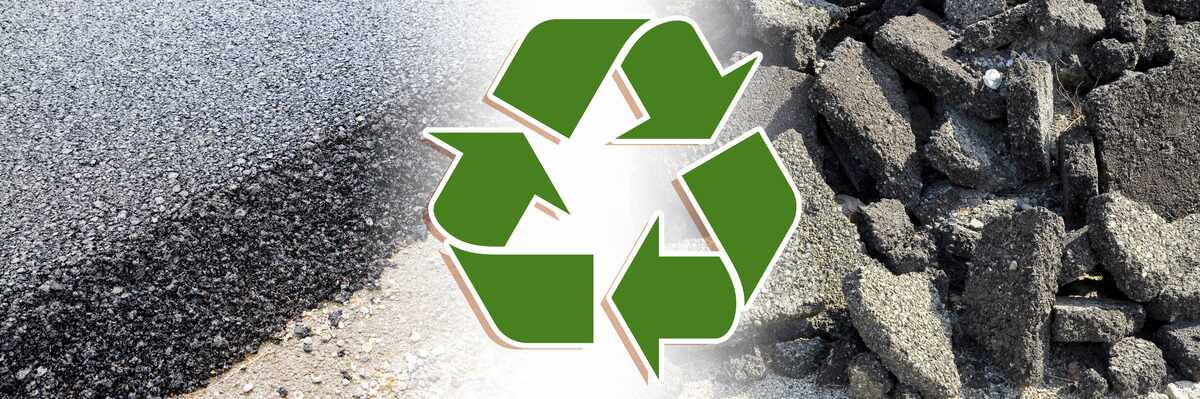
A coalition of Ontario’s construction industry leaders is calling on the provincial government to mandate the use of recycled crushed aggregates (RCA) in public infrastructure projects. Advocates argue that requiring just 20 percent RCA in roads, highways, bridges and subdivisions would cut costs, reduce emissions, and promote sustainable construction, without compromising quality or durability.
The push for a provincial mandate comes amid growing concerns over resource depletion and waste accumulation. Currently, Ontario uses 180 million tonnes of aggregates annually, but less than 7 percent of that comes from recycled sources. This low adoption rate is despite successful applications of RCA in projects such as the province’s 400-series highways, Pearson International Airport and GTA transit developments.
A Call for Sustainability in Infrastructure
Ontario’s construction industry, led by 9 major organizations, is urging municipalities and provincial decision-makers to take the lead in sustainable infrastructure. The coalition argues that recycled aggregates offer a cost-effective and environmentally responsible alternative to virgin materials.
Recycled crushed aggregates are produced by reclaiming concrete and asphalt that would otherwise be sent to landfills. The material has undergone extensive testing, proving its reliability and performance in major infrastructure projects. Advocates highlight that incorporating RCA into construction would preserve non-renewable resources, reduce waste and lower emissions equivalent to taking 15 million cars off the road annually.
Beyond the environmental benefits, the economic impact is substantial. A 20 percent RCA mandate could save municipalities an estimated $260 million while helping to alleviate the province’s growing infrastructure backlog. Industry leaders argue that by reallocating these savings, municipalities can expand capital projects, improve existing infrastructure, and enhance urban development without raising costs.

Get the Green Building Project Checklist
Use this handy checklist on your next project to keep track of all the ways you can make your home more energy-efficient and sustainable.
Government Policies Lagging Behind Global Trends
Ontario’s slow adoption of RCA stands in stark contrast to international trends. Governments worldwide have already implemented incentives and regulations to promote sustainable construction. Countries across Europe and Asia are accelerating their transition towards recycled materials, recognizing the long-term economic and environmental benefits.
In Ontario, the Ministry of Transportation has taken the lead in RCA adoption, integrating recycled materials into its 400-series highways. However, municipal governments, which are the largest aggregate consumers in the province, have yet to follow suit at scale.
The coalition is calling for municipal leaders to include RCA requirements in infrastructure tenders, harmonize specifications across municipalities and eliminate primary-only material mandates in construction projects.
At the provincial level, industry advocates are pushing for funding incentives to encourage RCA use in municipal infrastructure projects. They are also urging policymakers to establish standardized RCA requirements across the province to streamline regulations and encourage widespread adoption.
Industry Leaders Push for Action
Among the organizations championing this initiative are Concrete Ontario, Good Roads, Ontario Road Builders Association (ORBA), Residential and Civil Construction Alliance of Ontario (RCCAO) and the Toronto and Area Road Builders Association (TARBA).
These groups argue that mandating at least 20 percent RCA in all municipal, regional and provincial projects is a logical next step in Ontario’s sustainable infrastructure development.
The coalition highlights RCA’s proven benefits, pointing to its successful integration in unshrinkable fill, concrete mud slabs and road base materials. Recent updates to the CSA A23.1/.2 Concrete Standard now permit up to 30 percent RCA as a replacement for virgin coarse aggregates, allowing even broader applications.
The Future of Recycled Aggregates in Ontario
With Ontario’s infrastructure demand surging and pressure to reduce carbon emissions growing, the construction industry is pushing for immediate action. The coalition insists that incorporating RCA into municipal and provincial projects is not just an environmental responsibility but also a financial opportunity.
If Ontario follows through with a mandate for RCA usage, the province would set a precedent for sustainable infrastructure in Canada, demonstrating that economic feasibility and environmental responsibility can go hand in hand.
Images from Depositphotos
