

Sewer backups are one of the most frustrating and potentially dangerous problems for homeowners as they can cause serious damage to property and health if the problem is not identified and remedial work is started in time. Whether it’s a blockage or physical damage to the sewer pipes, saving your plumbing can be a real challenge. But by knowing the right steps, you can minimize the damage, protect your health and get your plumbing system up and running as quickly as possible.
If you have a sewer backup in your home, such as a basement, you need to act fast. This article explains in detail what to do if a sewer backup occurs, what to do immediately and how to prevent sewer backups in the future.
What Is a Sewer Backup?
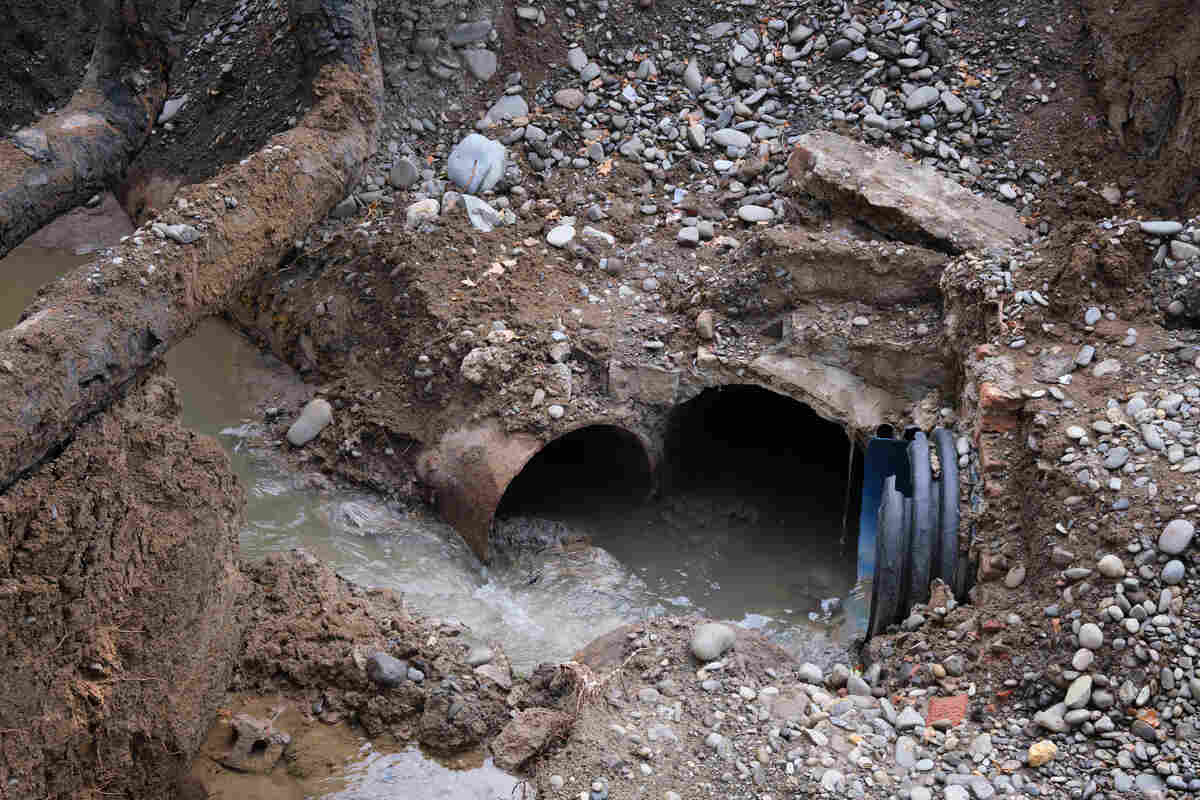
Sewer backup occurs when sewage backs up into the home through the sewer pipes. Domestic wastewater usually passes through a municipal sewer system. However, due to various factors such as clogging, flooding, physical damage to the sewer system by tree roots and physical wear and tear of sewer pipes, all these key factors can cause these systems to fail.
Sewer backups aren’t just an inconvenience, they can be a health hazard because sewage contains harmful bacteria, viruses and other pathogens. These bacteria, viruses and other pathogens can cause complex respiratory illnesses, skin infections and gastrointestinal problems if they come in contact with human skin. That’s why it’s so important to take immediate steps to effectively protect your home and your health.
Key Things that Cause Sewer Backups?

Get the Green Building Project Checklist
Use this handy checklist on your next project to keep track of all the ways you can make your home more energy-efficient and sustainable.
Before you learn how to fix a sewer backup, it’s helpful to understand the most common causes of it. Knowing the causes can help prevent this problem in the future.
- The most common cause of sewer backup is a blockage in the main sewer system. Over time, grease, hair and food debris can build up, blocking and holding back the waste stream.
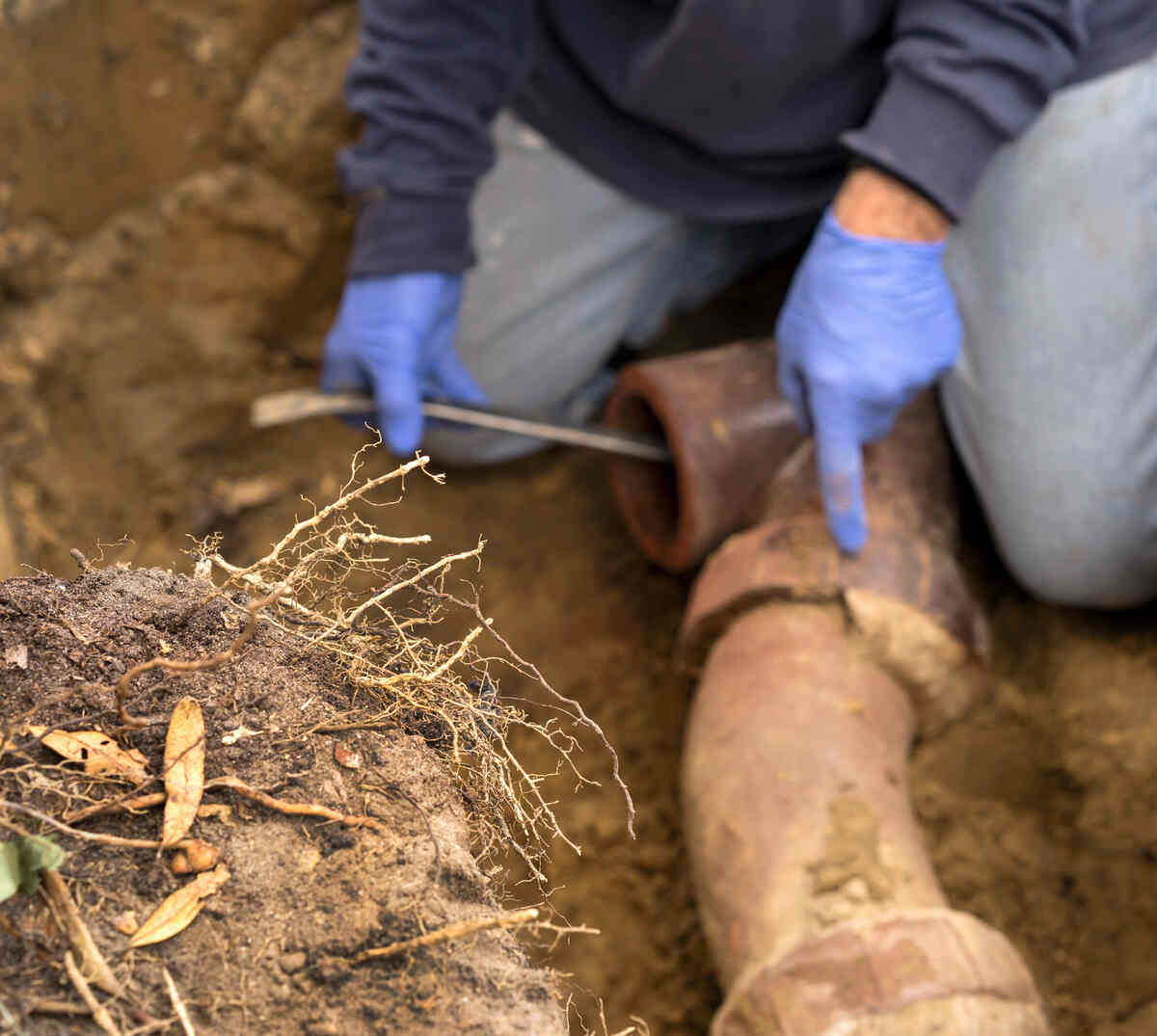
- Tree roots are a major cause of sewer blockages. Tree roots naturally seek water and nutrients and often damage the structure of sewer pipes, especially in older pipes. They can cause internal cracks in pipes or completely block the flow of wastewater.
- Heavy rain or flooding can exceed the capacity of the sewer system and cause backups. This is especially true in areas with old sewage infrastructure or inadequate drainage systems. When the sewer is full, the sewage has no choice but to return to the house through the sewer pipes. Due to climate change we are seeing more flooding happening in recent years.
- Sewer pipes can wear out or burst over time due to aging, soil changes or a variety of external factors such as construction or earthworks. If the pipe is damaged, sewage can back up into your home.
- Improper waste disposal can also damage sewer pipes and cause sewer backups.
Urgent Measures to Restore Sewage Systems
- Safety comes first. If you have reason to believe that raw sewage is accumulating in your home, it’s important to protect yourself. If possible, wear rubber gloves, boots and a mask. Avoid direct contact with sewage and do not attempt to clean the area without the help of professionals and proper protection.
- Shut off the water supply to the home to prevent additional water from entering the sewer system. This reduces the pressure in the sewage system and prevents further backflow. Find the shut-off valve – as a rule, it is located near the water meter or where the water pipe enters the house.
- Call in the professionals. It doesn’t matter whether you’re dealing with a sewer backup in Winnipeg, Toronto or Timbuktu, it’s best to call the pros to handle it as sewer repair work often requires special equipment and skills to diagnose and fix the problem. Professionals can remove blockages, inspect the system and repair damage to sewer pipes.
- Sewage residue causes unpleasant odours, and water itself can create constant humidity in your home, which promotes mould growth. It’s important to ventilate the affected area to reduce odours and dry excess moisture. If possible, open windows, use fans and install dehumidifiers. However, do not use HVAC systems to circulate air, as this can spread pollutants.
- Document (take photos, videos and write down details) the existing damage. This is necessary in case you need to submit an insurance claim in the future to confirm the damage received. Be sure to take pictures of furniture, carpets, plasterboard parts and other damaged items that need to be replaced.
- Even if you want to clean up the sewage yourself, entrust the process of disinfecting the house to professionals. Raw sewage contains harmful bacteria and viruses that can cause serious health problems if not disposed of properly. Professionals have the necessary equipment and detergents to safely disinfect your home.
Avoid Future Sewer Backups
After addressing the problem, a good future step is to take preventive measures to avoid future sewer backups. Here are some actionable steps you can take.
- Have your sewer line inspected regularly by a professional plumber to spot early signs of damage or blockages. Regular inspections allow preventive measures to be taken before a serious problem arises. Addressing problems early with a trusted sewer line repair professional saves homeowners from major repairs and hazardous sewage overflow.
- A backwater valve (also known as a backflow, sewer backup or non-return valve) is a device that prevents sewage from flowing back into the house. It is built into the sewer pipe, and when the water in the sewer system reaches a certain level, the valve closes to prevent backflow. Installing a valve can provide peace of mind and help prevent damage to your property from sewage leaking into your home.
- Regular and comprehensive root treatment and root barriers prevent roots from entering the sewer lines. If tree roots are already causing problems, damaged pipes may need to be replaced.
- Do not flush non-biodegradable items down the toilet. By teaching your family and guests how to properly dispose of garbage, you can prevent future sewer line blockages.
- Clean drains regularly and do not pour grease or large pieces of food down the sink. By installing drain guards, you can also prevent clogging in your drains.


