

According to industry statistics, there’s a 90 percent probability of a forklift being involved in a serious accident or injury over its lifetime. It’s estimated that 100,000 accidents and 85 deaths related to forklifts happen per year in the US. Operating a forklift requires skill, precision and attention to detail beyond simply knowing the controls. Forklifts, essential as they are, come with risks when small oversights add up. Every workday brings unique challenges and, occasionally, unpredictable situations. Understanding and preparing for these realities can make all the difference whether it’s a busy warehouse or a construction site. In this environment, caution isn’t just a practice – it’s essential.
Lack of Proper Training
Inexperienced operators without proper training can unknowingly put themselves and others at risk. Operators need to understand forklifts’ mechanics and limitations to avoid mistakes. Without this knowledge, untrained operators might misjudge load placement or overestimate stability, turning routine tasks into dangerous situations.
Addressing this issue starts with thorough training. Ensuring operators are certified to legally operate a forklift sets a standard for safety. Certifications go beyond passing a test. Operators must learn techniques, understand risks and practice safe habits. A well-trained operator is an asset to any work environment, contributing to a safer workspace.
Ignoring Maintenance Requirements
Skipping regular maintenance is a common shortcut, but it creates hidden dangers. Worn brakes, loose forks or low fluid levels can turn a functional forklift into an accident waiting to happen. Small maintenance issues may go unnoticed at first, but over time, they impact safety and performance. Imagine brakes failing just as you approach a tight corner – that’s what maintenance neglect can lead to.
The solution is straightforward: consistent inspections and scheduled upkeep. A checklist before each shift helps operators catch minor issues before they escalate. Routine maintenance isn’t just preventative. It’s essential for workplace safety.

Get the Green Building Project Checklist
Use this handy checklist on your next project to keep track of all the ways you can make your home more energy-efficient and sustainable.
Overloading the Forklift
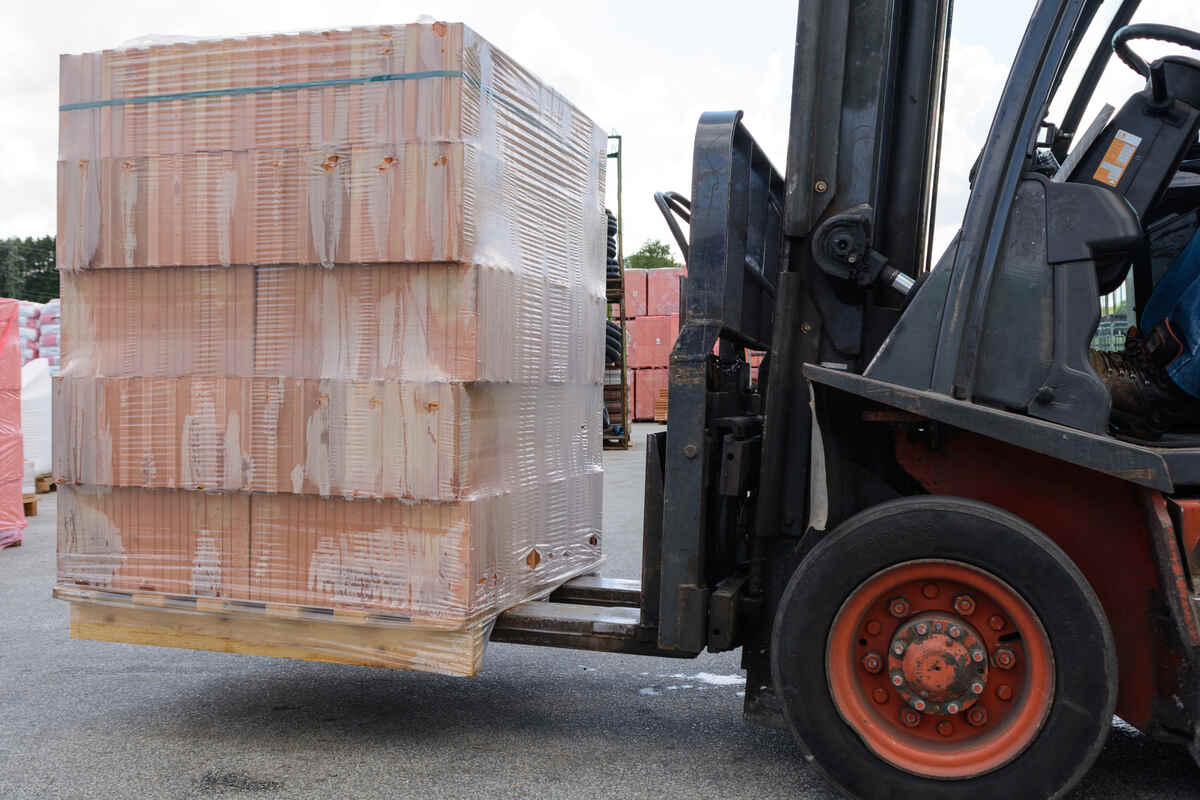
Overloading might seem harmless in a rush, but it’s a major safety issue. When a forklift takes on more weight than it’s built for, stability drops fast. Imagine navigating through a construction site and suddenly tipping forward – an overloaded lift can make that happen with even a slight shift in balance. Operators often think one extra load is fine, but that’s exactly how accidents occur.
The fix? Follow the forklift’s load rating carefully. This limit exists for a reason. Operators should know their equipment’s capacity and stick to it every time, protecting both their safety and their team’s.
Operating at Excessive Speeds
Speeding is a quick way to lose control. Some people feel the pressure to work faster, especially on tight schedules, but forklifts aren’t built for rapid movements. A sudden stop or swerve at high speed can easily cause a load to shift or, worse, the entire forklift to tip. On a busy site, speeding becomes a safety hazard that’s easy to avoid.
Slowing down and observing speed limits protects the driver and everyone nearby. Proper speed allows for smoother turns, safer stops and the time to react to unexpected obstacles, keeping operations controlled and secure.
Poor Visibility and Blind Spots
Limited visibility on a forklift can be risky, especially when navigating crowded spaces or tight corners. Blind spots make it easy to miss a colleague passing by or an unexpected obstacle, turning an everyday task into a dangerous situation. Operators may think they’re aware of their surroundings, but with forklifts, visibility isn’t always straightforward.
The key to safer operation is vigilance. Adjust mirrors, check sightlines and use spotters in high-traffic areas to maintain a clear view. These small actions add up, reducing the risk of accidents and creating a safer space for everyone on site.
Improper Turning
When operators take turns too quickly or sharply, it can lead to tip-overs, especially if the load is unbalanced or too heavy. This risk is heightened on uneven surfaces commonly found on construction sites. Proper training and awareness of safe turning techniques are essential to prevent accidents and ensure stability while navigating the forklift, particularly under load.
Unsafe Parking and Shutdown Procedures
Parking a forklift without proper precautions can lead to serious hazards. An improperly parked forklift can roll or shift, creating risks for both the operator and others nearby. After a long shift, it’s tempting to park quickly and head out, but neglecting the basics, like setting the parking brake or lowering the forks, can cause unexpected accidents.
Ensuring safe shutdown starts with following a few basic steps. Operators should always power down the engine, lower attachments fully and set the brake securely. These simple steps help create a safer, more controlled work environment for everyone.
Interactions with Pedestrians
Forklifts often operate in shared spaces with pedestrians, leading to potential collisions. On construction sites, interactions between forklifts and pedestrians pose an even heightened risk as they can lack clear pathways or designated pedestrian zones, making it challenging for forklift operators to navigate safely. With workers moving around and heavy equipment operating nearby, the chances of collisions increase. To improve safety, construction sites should implement clear communication protocols, dedicated walkways and visual signals to separate pedestrian and forklift traffic, minimizing the risk of accidents.
Disregarding Site Conditions
Overlooking the condition of the ground can quickly lead to forklift mishaps. Slippery or uneven surfaces cause the wheels to lose traction, and debris in high-traffic areas can easily tip a load or create sudden stops. These risks often go unnoticed in the rush of daily work but are a hidden hazard to operators and bystanders alike.
Preventing accidents starts with regular site checks. Clear pathways, clear debris and keep an eye on uneven surfaces. Small steps like these prevent bigger problems, ensuring a safer environment for forklift operations and everyone nearby.


