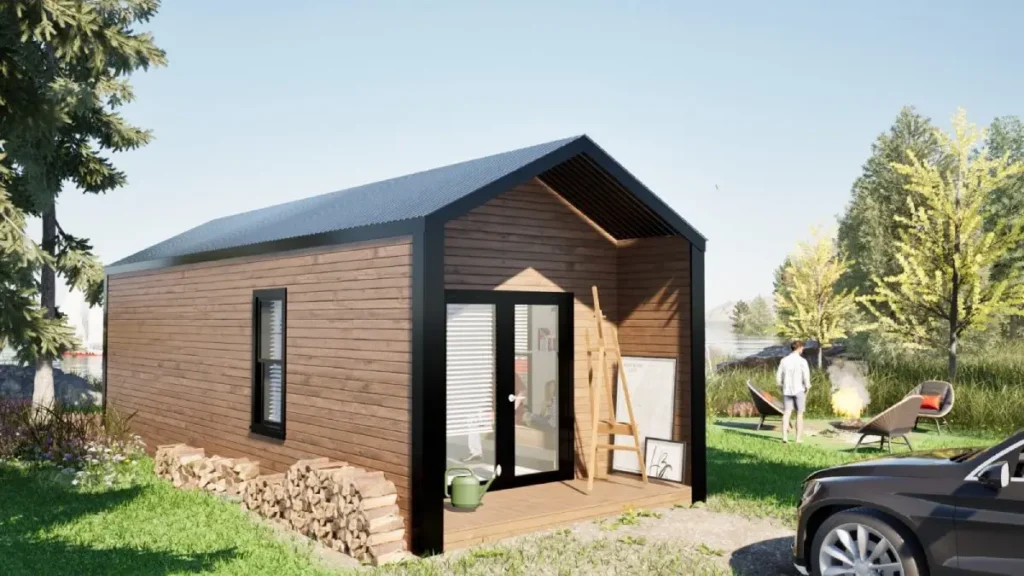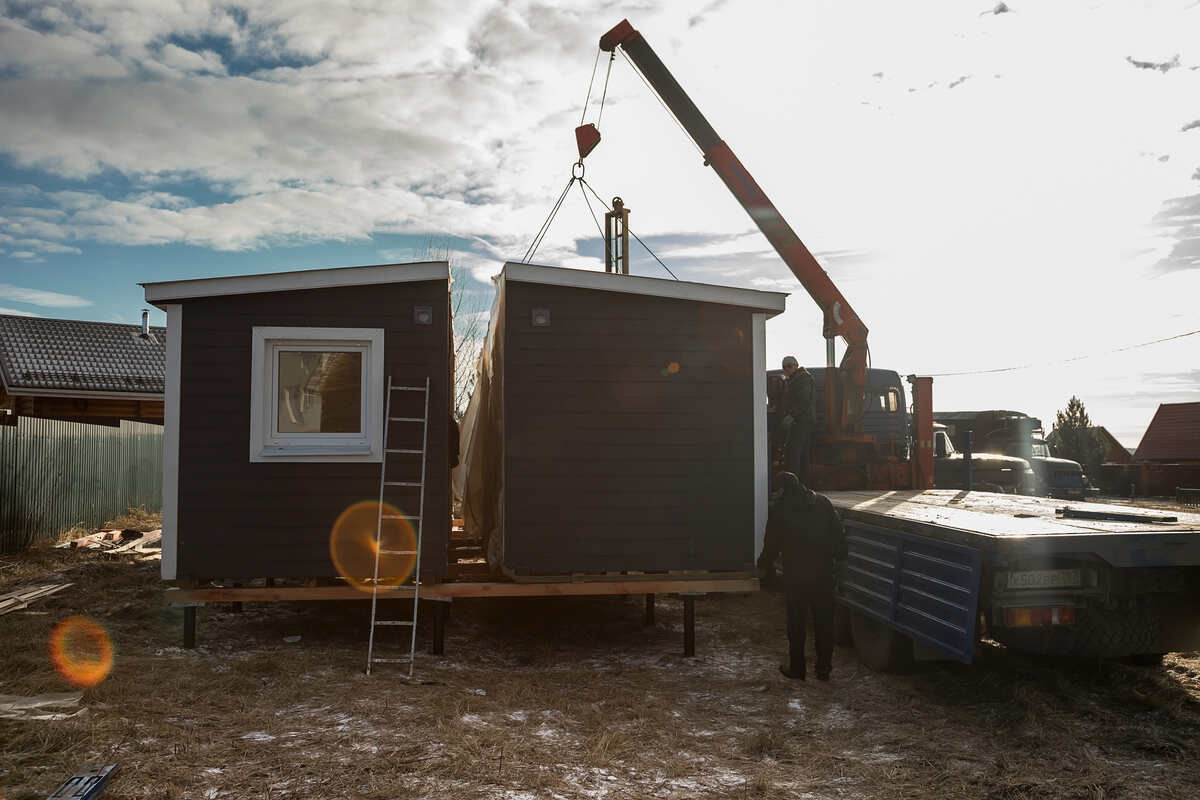
With the housing crisis being a pressing issue across Canada, modular homes are looked at as being part of the solution due to their quicker speed of construction, lower cost and greater efficiency.
Yet, in Ontario that efficiency is dampened by a sea of red tape. Those looking to build modular homes in Ontario must wade through an inefficient and time-consuming approvals process before they can build.
Contrasting with the experience in Ontario, in California modular housing projects are fast-tracked through a much more efficient pre-approval system run by private licensed engineers. Once a design is greenlit, it can be used across the state without requiring additional local approvals, significantly cutting down on time and paperwork.

Hamilton’s BECC Modular recently secured a project in California. Albert Bendersky, vice-president of design, was quick to point out the ease of getting approval in the state. “Once the engineer reviews the drawings and provides comments, the process goes back and forth until approval is granted. After that, I can build this unit anywhere in California without any further approvals.”
Ontario’s system, on the other hand, is far more complicated. The lack of a pre-approval process in Ontario means that each modular housing project must be individually approved at both the provincial and municipal levels.
Without a pre-approval process, every project in Ontario is subject to delays, even for identical designs.
Builders like BECC Modular are advocating for reforms that would allow for more efficient approvals at both the provincial and municipal levels, particularly for smaller projects and missing middle housing, defined as medium-density housing that fits between single-family homes and high-rise apartments.
BECC and others want California to be used as a model, where the use of pre-approved designs has led to faster, more efficient builds.

Get the Green Building Project Checklist
Use this handy checklist on your next project to keep track of all the ways you can make your home more energy-efficient and sustainable.
Making matters even more difficult, Ontario’s building codes have not adapted to new technologies, such as in California, which makes building sustainable modular housing in Ontario slower and costlier than it needs to be.
Modular Housing as a Sustainable Solution to Building in Ontario
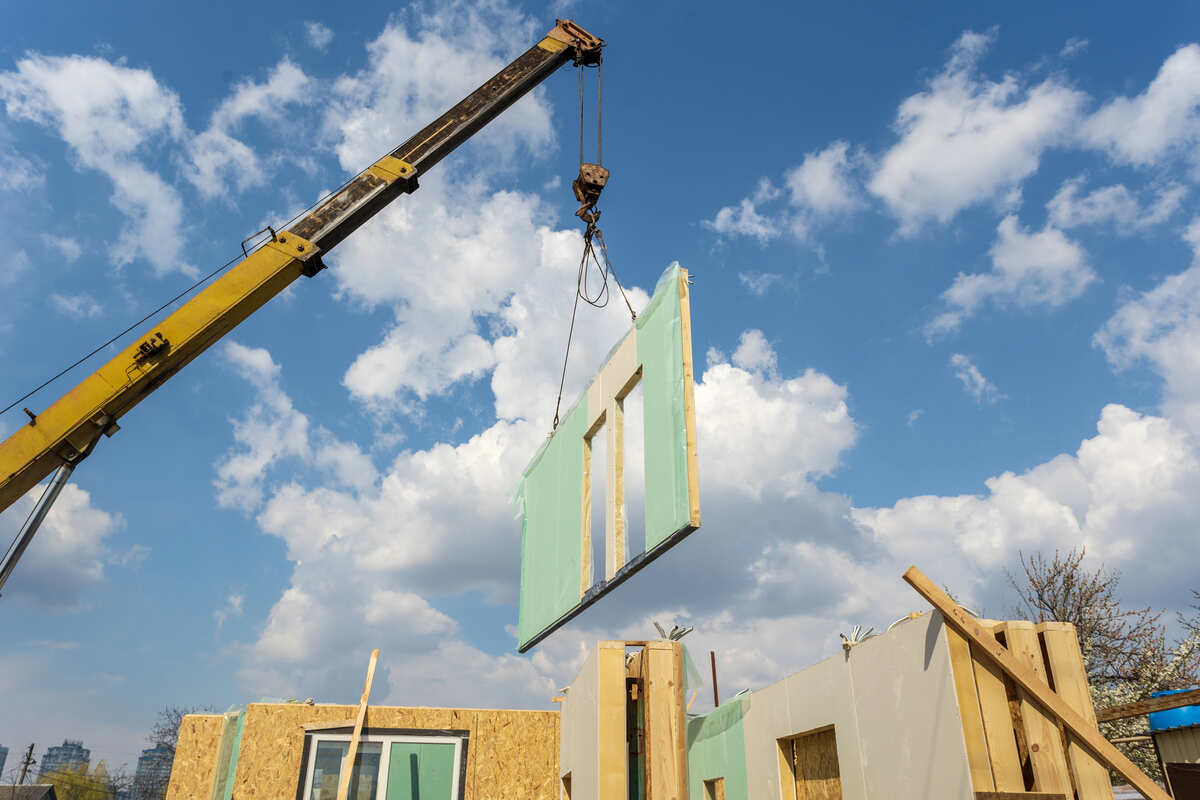
Modular homes are seen favourably not just in addressing the housing shortage but also as a sustainable solution. Since they’re constructed in a factory setting, where components are prefabricated and then assembled on-site, this efficient process minimizes construction time and lowers costs, important factors in the push for more affordable housing in Ontario.
Modular housing also offers a range of environmental benefits. The factory-controlled construction process leads to less waste since homes are built more efficiently and to plans that have been used time and again, making them more efficient. As well, many modular homes are designed with energy efficiency in mind. With better insulation and the use of sustainable materials, modular homes can reduce the carbon footprint of new developments.
Read more on this topic in An Intro to Modular Homes in Canada.
Images from Depositphotos