
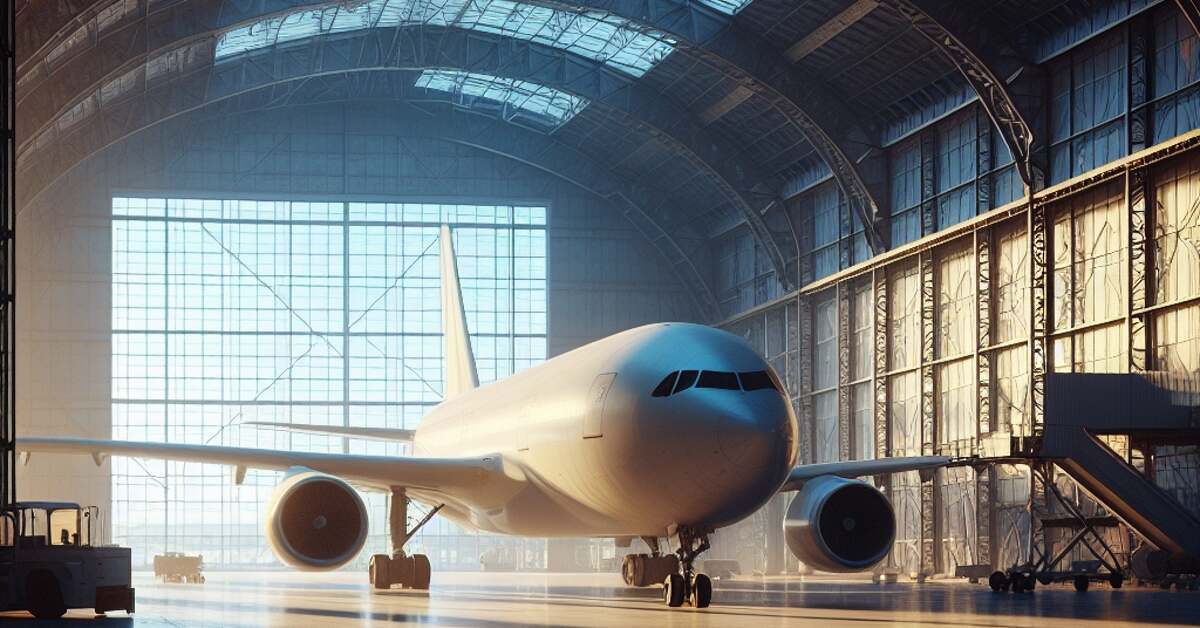
The aviation industry has been under increasing pressure to reduce its environmental footprint in recent years. As concerns about climate change and carbon emissions grow, finding sustainable solutions for aviation infrastructure is paramount. One area that has garnered attention is airplane hangar design.
Eco-Friendly Innovations in Airplane Hangar Design
Here are just some of the ways airplane hangar design has become more sustainable:
1. Energy-Efficient Lighting
One of the key aspects of sustainable airplane hangar design is energy efficiency. Traditional hangars often rely on outdated lighting systems that consume excessive energy.
LED lighting, however, offers a significant reduction in energy consumption compared to traditional lighting. These lights not only use less energy but also last longer, reducing maintenance costs.
2. Solar Power Integration
Harnessing the power of the sun is another sustainable solution in airplane hangar design. Solar panels can be installed on hangar roofs to generate renewable energy.

Get the Green Building Project Checklist
Use this handy checklist on your next project to keep track of all the ways you can make your home more energy-efficient and sustainable.
This energy can be used to power lighting, heating and cooling systems, reducing the reliance on fossil fuels.
3. Rainwater Harvesting

Water conservation is a vital aspect of sustainability. Some airplane hangar designs incorporate rainwater harvesting systems. These systems collect rainwater from the hangar roof and store it for various uses, such as irrigation and fire suppression.
Fabric-covered airplane hangars can be especially effective at collecting rainwater during a heavy downpour. This water is later used to maintain the hangar’s landscaping, reducing the need for additional water resources.
4. Fabric-Covered Airplane Hangars
Constructed with a lightweight frame, fabric-covered airplane hangars use a high-strength, weather-resistant covering material that offers several advantages:
- Energy Efficiency – Fabric-covered hangars allow more natural light to penetrate, reducing the need for artificial lighting during the day.
- Cost Savings – Fabric hangars are often more cost-effective to build and maintain than traditional metal or concrete structures.
- Quick Construction – They can be erected faster than traditional hangars, reducing construction time and minimizing disruption.
- Flexibility – Fabric hangars are modular and can be expanded or relocated as needed, often reducing the amount of construction materials required of conventional hangars.
5. Green Roofs
Green roofs, also known as living roofs, represent a groundbreaking innovation that can transform the way we think about airplane hangar design.
These roofs are essentially lush gardens that thrive atop structures, including airplane hangars. The benefits they bring to aviation infrastructure are not only environmentally significant but also aesthetically pleasing and practical.
The advantages go far beyond aesthetics, however:
- Improved Insulation – Green roofs act as a natural insulator, shielding the hangar from extreme temperatures. During hot summers they provide a cooling effect, reducing the need for energy-intensive air conditioning systems. Conversely, in colder months, they offer insulation, trapping warmth inside the hangar.
- Reduced Heat Island Effects – The aviation industry often centres around large concrete and metal structures, which can create urban heat islands—areas with significantly higher temperatures than their surroundings. Green roofs mitigate this effect by absorbing and dissipating heat, thereby helping to cool the local environment.
- Biodiversity Support – Green roofs are miniature ecosystems that support a variety of plants, insects and even small animals. By introducing biodiversity into aviation infrastructure, we create a more balanced and sustainable environment.
These living roofs not only reduce energy costs but also add a touch of natural beauty to the industrial setting.
6. Advanced Insulation
Ensuring a comfortable and energy-efficient interior environment is paramount in airplane hangar design. Sustainable hangar designs have recognized the pivotal role that advanced insulation plays in achieving this goal.
Cutting-edge insulation materials and techniques bring several benefits to hangar environments:
- Temperature Stability – Advanced insulation materials help maintain a stable indoor temperature. They resist heat transfer, keeping the hangar cool when it’s hot outside and retaining warmth during colder months. This temperature stability ensures a comfortable working environment for maintenance crews and protects sensitive equipment.
- Energy Efficiency – By minimizing temperature fluctuations, advanced insulation reduces the need for extensive heating or cooling systems. This not only saves energy but also lowers operational costs for hangar facilities.
- Sound Dampening – Besides regulating temperature, advanced insulation materials often provide excellent soundproofing. This feature is crucial in airplane hangars, where noisy aircraft maintenance activities can be disruptive. Effective sound dampening contributes to a quieter and more productive work environment.
Incorporating sustainable solutions in airplane hangar design is a significant step towards reducing the aviation industry’s environmental impact. As the industry continues to evolve, these innovations will play a crucial role in building a more sustainable future for aviation.


